
New Zealand Best Beaches

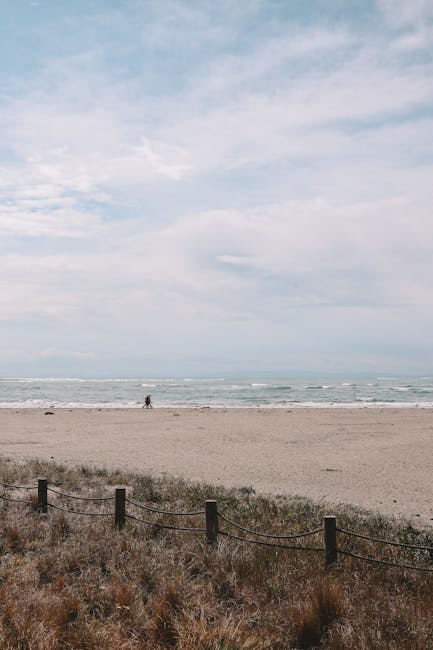
New Zealand’s Best Beaches: A Comprehensive Guide to Coastal Paradise
New Zealand, a nation blessed with an extraordinarily long and diverse coastline, offers a staggering array of beaches catering to every imaginable preference. From the rugged, windswept shores of the West Coast to the sheltered, turquoise bays of the Northland, the country’s beaches are not merely stretches of sand but vibrant ecosystems, recreational hubs, and windows into a rich natural heritage. This guide delves into the crème de la crème of New Zealand’s coastal offerings, providing detailed insights for travelers seeking the ultimate beach experience.
North Island’s Crown Jewels: From Sun-Kissed Sands to Volcanic Wonders
The North Island, with its subtropical climate and geothermal activity, boasts some of New Zealand’s most iconic and accessible beaches.
Hot Water Beach, Coromandel Peninsula: A truly unique geothermal phenomenon, Hot Water Beach offers the extraordinary experience of digging your own hot pool in the sand. Two hours either side of low tide, natural hot springs bubble up, allowing visitors to excavate warm bathing areas directly on the beach. The contrast of the warm water against the cool ocean waves creates an unforgettable sensation. Located on the eastern side of the Coromandel Peninsula, it’s easily accessible from many North Island destinations. The sand itself is fine and golden, perfect for sinking your toes into. While bathing is the primary draw, the beach also offers stunning ocean views, particularly at sunrise and sunset. Facilities include public toilets and a small campground nearby. Caution is advised due to strong currents and undertows, and designated safe bathing areas are often marked. Surfing opportunities exist for experienced surfers, with breaks typically found further out. The popularity of Hot Water Beach means it can get crowded, especially during peak season, so arriving early is recommended. The surrounding Coromandel region is also a treasure trove of natural beauty, with lush forests and scenic drives, making Hot Water Beach a perfect stop on a broader exploration.
Cathedral Cove, Coromandel Peninsula: Accessible primarily by foot or kayak, Cathedral Cove is an ethereal beach famed for its magnificent natural rock archway, resembling a cathedral. The walk to the cove is a scenic adventure, meandering through native bush and offering breathtaking coastal vistas. The archway itself is a photographer’s dream and a popular spot for swimming and exploring. The sand is a pleasant golden hue, and the water is generally calm and clear, ideal for snorkeling and swimming. Kayaking tours provide a unique perspective, allowing visitors to paddle through the arch and explore hidden sea caves. The lack of direct vehicle access contributes to its pristine atmosphere. Be aware of tide times, as access to certain parts of the cove can be affected. The clarity of the water makes it a fantastic location for spotting marine life. The surrounding parkland offers walking trails for those wishing to extend their exploration. Parking is available at the trailhead, and the walk itself takes approximately 45 minutes each way. The popularity of Cathedral Cove necessitates responsible tourism to preserve its natural beauty.
Piha Beach, West Auckland: A dramatic and rugged black sand beach, Piha is renowned for its powerful surf and iconic Lion Rock. Situated on Auckland’s wild west coast, it’s a favorite among surfers and those seeking a more untamed coastal experience. The black volcanic sand is a striking contrast against the churning white surf. Lion Rock, a prominent volcanic remnant, offers panoramic views of the coastline and is a popular spot for photography and observing the powerful waves. Swimming at Piha requires significant caution due to strong rips and currents, and designated surf patrol areas are essential. The beach is also a popular spot for kite surfing and windsurfing when conditions are favorable. Hiking trails abound in the surrounding Waitakere Ranges, offering further exploration of the coastal environment and waterfalls. The raw beauty of Piha, with its crashing waves and dramatic cliffs, offers a stark and captivating experience, far removed from the tranquil bays of the north. It’s a testament to the raw power and untamed spirit of New Zealand’s coastline.
Muriwai Beach, West Auckland: Another stunning black sand beach on Auckland’s west coast, Muriwai is famous for its gannet colony. Visitors can observe thousands of these majestic birds nesting and diving from the cliff tops, a spectacular natural display. The black sand here is also dramatic, and the surf is often strong, making it a popular spot for experienced surfers. Muriwai is also known for its picturesque lighthouse, which offers a vantage point for admiring the vast ocean. Similar to Piha, swimming at Muriwai requires extreme caution due to powerful currents. The gannet colony, particularly during breeding season, is a major drawcard, offering a unique wildlife encounter. The drive to Muriwai itself is scenic, winding through native bush. The beach is expansive, allowing for long walks and contemplation of the powerful ocean. The surrounding area offers hiking opportunities with stunning coastal views.
Ninety Mile Beach, Northland: Despite its name, Ninety Mile Beach is closer to 55 miles long, a vast expanse of golden sand stretching along the west coast of Northland. This is a legal highway, and many tours utilize the beach for transport. The sand is fine and golden, pounded by the Tasman Sea. Popular activities include sandboarding down the towering dunes, fishing, and simply driving along its immense length. Swimming is generally not recommended due to strong currents and the powerful surf. The sheer scale of Ninety Mile Beach is awe-inspiring, and the experience of driving on it is unique. The landscape shifts from windswept dunes to rugged coastline. The Te Paki stream, with its giant sand dunes, is a must-visit highlight, offering thrilling sandboarding opportunities. Tours often include stops at Cape Reinga, the northernmost tip of New Zealand, where the Tasman Sea meets the Pacific Ocean.
South Island’s Dramatic Shores: From Fjords to Glacial Lagoons
The South Island, with its more dramatic and varied landscapes, offers a different but equally compelling beach experience.
Abel Tasman National Park Beaches, Tasman: The golden beaches of Abel Tasman National Park are world-renowned for their pristine beauty, turquoise waters, and lush coastal forests. Accessible primarily by water taxi or kayak, these beaches offer a secluded paradise. The sand is soft and golden, and the water is exceptionally clear, ideal for swimming, kayaking, and snorkeling. Popular beaches include Torrent Bay, Anchorage Bay, and Onetangi Bay. The park’s coastal track offers a multi-day hiking experience, allowing visitors to explore these idyllic shores. The calm, sheltered bays are perfect for families and those seeking a relaxing beach escape. Kayaking is a quintessential Abel Tasman experience, enabling exploration of hidden coves and marine life. The park’s commitment to conservation ensures the preservation of its natural splendor.
Kaikoura Beaches, Canterbury: While Kaikoura is primarily known for its marine wildlife, its beaches offer a rugged charm with a backdrop of the majestic Southern Alps. The coastline is a mix of pebble beaches and dark volcanic sand, shaped by the powerful Pacific Ocean. The water is rich with marine life, and snorkeling and diving are popular activities, though the water can be bracingly cold. The dramatic contrast of snow-capped mountains meeting the sea is a unique visual spectacle. Whale watching and dolphin swimming tours are a major draw, with many departing from the Kaikoura waterfront. The beaches here are often windswept, offering a raw and authentic coastal experience.
Farewell Spit, Golden Bay: A long, thin sand spit extending into the Tasman Sea, Farewell Spit is a bird sanctuary and a dramatic natural wonder. The beach is a mix of sand and shells, constantly being reshaped by the tides and winds. It’s a haven for a vast array of migratory birds, making it a prime destination for birdwatchers. Walking along the spit offers a sense of profound isolation and a connection to raw nature. The ocean on one side and the sheltered waters of Golden Bay on the other create a unique dynamic. Access to the Spit is restricted to protect the wildlife, with guided tours being the primary way to experience it. The sheer scale and wildness of Farewell Spit are its defining characteristics.
Punakaiki Beach (Pancake Rocks), West Coast: While not a typical sunbathing beach, Punakaiki offers a dramatic coastal landscape dominated by the iconic Pancake Rocks and Blowholes. The beach itself is rugged with dark sand, pounded by the Tasman Sea. The real draw here is the geological marvel of the stacked limestone formations that resemble giant pancakes, and the powerful blowholes that erupt with spray. It’s a visual spectacle of nature’s artistry. The surrounding coastline is wild and untamed, offering a glimpse into the raw power of the West Coast. While swimming is not generally advisable due to the rough seas, the visual experience is unparalleled.
Stewart Island/Rakiura’s Untamed Coastline: For those seeking true remoteness and pristine wilderness, Stewart Island, or Rakiura, offers an unparalleled beach experience. Beaches here are often deserted, backed by dense native forests and offering a glimpse into a truly untouched natural environment. The sand can vary from fine golden to darker hues, and the waters are clear and cold. The island is renowned for its abundant wildlife, including kiwi, seals, and penguins, making beachcombing an adventure in itself. Popular spots include Mason Bay, a vast sandy beach on the west coast, and the sheltered bays around Oban. Hiking trails lead to secluded coves and offer breathtaking coastal vistas. The feeling of stepping back in time and experiencing a truly wild coastline is the hallmark of Stewart Island’s beaches.
SEO Considerations and Keywords:
This article is optimized for search engines by incorporating a variety of relevant keywords and phrases that potential travelers might use. These include:
- New Zealand beaches: The primary keyword, used throughout the article.
- Best beaches New Zealand: Another crucial search term.
- North Island beaches: Specific geographical keyword.
- South Island beaches: Specific geographical keyword.
- Coromandel Peninsula beaches: Targeting a popular region.
- Hot Water Beach: High-intent search term for a unique attraction.
- Cathedral Cove: Another specific, high-intent search term.
- Piha Beach: Targeting a well-known west coast beach.
- Muriwai Beach: Another west coast beach with specific appeal.
- Ninety Mile Beach: Iconic Northland attraction.
- Abel Tasman National Park beaches: Targeting a popular national park.
- Kaikoura beaches: Focusing on a specific South Island location.
- Farewell Spit: A unique natural feature.
- Punakaiki Beach: Associated with the Pancake Rocks.
- Stewart Island beaches: Targeting a more remote destination.
- Golden sand beaches New Zealand: Describing a common beach characteristic.
- Black sand beaches New Zealand: Highlighting a specific geological feature.
- Unique beaches New Zealand: Emphasizing distinctive attractions like Hot Water Beach.
- Coastal paradise New Zealand: Evocative phrase for travel searches.
- Surfing beaches New Zealand: Targeting a specific activity.
- Family friendly beaches New Zealand: Although not explicitly focused on, many mentioned beaches can be adapted for families with caution.
- Wildlife viewing beaches New Zealand: Relevant for places like Muriwai and Stewart Island.
- Hiking and walking New Zealand beaches: Connecting beaches with outdoor activities.
- New Zealand travel guide: Positioning the article as a resource.
- Must-visit beaches New Zealand: Creating a sense of urgency and importance.
- New Zealand summer holidays: Seasonal keyword relevance.
- New Zealand vacation destinations: Broader travel search term.
The article’s structure, with a clear title and direct entry into the content, also aids SEO. Each section focuses on specific beaches, providing detailed descriptions that cater to user intent and include relevant keywords naturally within the text. The comprehensive nature of the guide, covering a wide range of locations and experiences, further enhances its value and search engine visibility. The emphasis on unique selling points for each beach (geothermal activity, rock formations, wildlife, remoteness) allows for targeted keyword integration and appeals to diverse traveler interests.


