
Guide To Siem Reap

Siem Reap Travel Guide: Angkor Wat, Culture, and Beyond
Siem Reap, Cambodia, stands as the gateway to the awe-inspiring temples of Angkor, a UNESCO World Heritage site and a testament to the grandeur of the Khmer Empire. Beyond the iconic Angkor Wat, the city itself buzzes with a vibrant energy, offering a rich tapestry of cultural experiences, culinary delights, and opportunities for adventure. This comprehensive guide will navigate you through the essential aspects of planning your trip, from the historical marvels to the practicalities of travel, ensuring an unforgettable Cambodian sojourn.
The Angkor Archaeological Park: A Journey Through Time
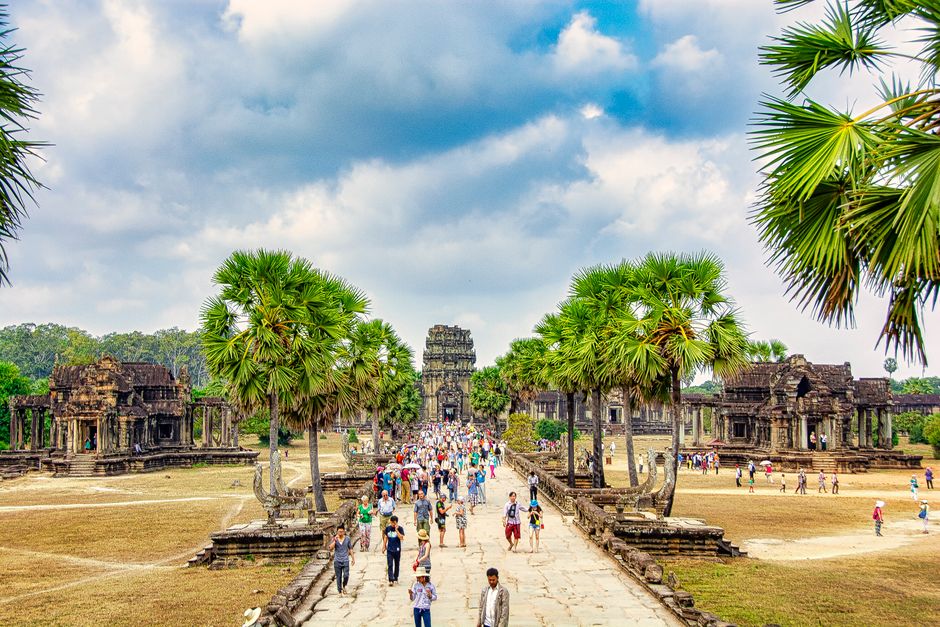
The undisputed highlight of any visit to Siem Reap is the Angkor Archaeological Park, a sprawling complex of ancient temples, reservoirs, and canals dating back to the 9th to 15th centuries. Angkor Wat, the largest religious monument in the world, is the crown jewel. Dedicated to the Hindu god Vishnu, its intricate bas-reliefs depicting epic tales and celestial nymphs (apsaras) are a marvel of Khmer artistry. Sunrise over Angkor Wat is a quintessential experience, offering a breathtaking spectacle of light and shadow painting the ancient stones. Allocate at least a full day, if not two, to fully explore Angkor Wat and its surrounding structures.
Angkor Thom, the last capital of the Khmer Empire, is another essential stop. Its most famous edifice is the Bayon Temple, renowned for its enigmatic smiling faces carved into towering stone towers. These serene, all-seeing faces are believed to represent King Jayavarman VII as a bodhisattva, a compassionate being delaying enlightenment to help others. Within Angkor Thom, also visit the Baphuon, a massive temple-mountain; the Terrace of the Elephants, a grand platform adorned with elephant carvings; and the Terrace of the Leper King, featuring intricate bas-reliefs.
Ta Prohm, famously preserved by nature, allows you to witness the relentless embrace of the jungle. Giant silk-cotton trees and strangler figs have entwined themselves with the temple’s stonework, creating a dramatic and atmospheric setting. This is the temple that inspired the iconic scenes in the film "Lara Croft: Tomb Raider." Nearby, Banteay Srei, often referred to as the "Citadel of the Women," stands out for its exceptionally detailed and well-preserved carvings in pink sandstone. Its delicate artistry and intricate floral motifs are a stark contrast to the monumental scale of other Angkor temples, showcasing a different facet of Khmer architectural prowess.
Other notable temples within the park include Preah Khan, a large and atmospheric temple complex that once housed a university; Neak Pean, a unique island temple with a central sanctuary surrounded by water basins; and East Mebon, an impressive 10th-century temple with elephant sculptures. For those with more time, venturing further afield to temples like Beng Mealea, a sprawling, largely unrestored jungle temple, offers a more rugged and adventurous exploration.
Navigating the Temples: Passes and Transportation
To access the Angkor Archaeological Park, a valid pass is required. Passes are available for one, three, or seven days. The one-day pass is ideal for a whirlwind introduction, while the three-day pass allows for a more comprehensive exploration without feeling rushed. The seven-day pass is recommended for serious history buffs and photographers who wish to delve deeply into the park’s vastness. Tickets can be purchased at the official ticket center located on the road leading to Angkor Wat. Be aware of touts selling unofficial passes; always purchase from the authorized vendor.
Transportation within Siem Reap and to the temples is readily available. Tuk-tuks are the most popular and atmospheric mode of transport for navigating the temple complex. They offer an open-air experience and are ideal for shorter distances. Negotiate fares beforehand to avoid misunderstandings. For longer distances or more comfort, consider hiring a private car with an air-conditioned interior. Bicycles are also a viable option for the more active traveler, allowing for a slower pace and greater flexibility, though the heat can be a significant factor. Many hotels and guesthouses can assist with arranging transportation.
Beyond Angkor: Cultural Immersion in Siem Reap
While the temples are the main draw, Siem Reap offers a wealth of cultural experiences that extend far beyond the archaeological park. The city center itself is a vibrant hub of activity. Pub Street, a lively pedestrianized area, is the heart of Siem Reap’s nightlife, lined with restaurants, bars, and shops. It’s a great place to experience the local atmosphere, sample street food, and enjoy a refreshing Angkor Beer.
The Old Market (Phsar Chas) is another must-visit. This bustling market is a sensory overload of sights, sounds, and smells. You’ll find everything from fresh produce and local handicrafts to souvenirs and clothing. It’s an excellent place to practice your bargaining skills and immerse yourself in the local commerce. For a more authentic experience, explore the Psar Leu market, which is primarily frequented by locals and offers a glimpse into everyday Cambodian life.
The Cambodian Cultural Village offers a curated glimpse into the country’s history and traditions. It features traditional Khmer houses, craft demonstrations, and cultural performances, providing a convenient way to learn about different aspects of Cambodian society. The Angkor National Museum provides valuable context for your temple explorations, showcasing a vast collection of artifacts and offering detailed explanations of Khmer art, history, and religion.
Culinary Delights: A Taste of Cambodia
Cambodian cuisine, influenced by its neighbors Thailand and Vietnam, offers a unique and flavorful experience. Amok, a creamy fish curry steamed in banana leaves, is perhaps the most famous national dish and a must-try. Lok Lak, stir-fried beef served with a peppery lime sauce, is another popular and delicious option. For those seeking a more adventurous palate, consider trying fried insects, a local delicacy, readily available at markets.
Siem Reap boasts a diverse culinary scene, from humble street food stalls to upscale restaurants. Explore the local eateries for authentic Khmer flavors at affordable prices. Many restaurants offer cooking classes, providing an opportunity to learn how to prepare these delicious dishes yourself. Don’t miss the chance to sample fresh tropical fruits, such as mangoes, pineapples, and dragon fruit, which are abundant and incredibly sweet.
Sustainable Tourism and Ethical Considerations
As Siem Reap continues to attract a growing number of tourists, it’s crucial to practice responsible and sustainable tourism. Be mindful of your environmental impact by reducing plastic consumption, conserving water, and respecting local customs and traditions. When visiting temples, dress modestly, covering your shoulders and knees, as a sign of respect. Avoid touching the ancient stones, and refrain from climbing on structures.
Support local businesses by purchasing handicrafts directly from artisans and dining at locally owned restaurants. Be wary of exploitative practices, such as begging children and unethical animal tourism. Instead, consider supporting reputable charities and organizations working to improve the lives of Cambodians. Ethical elephant sanctuaries offer a chance to interact with these magnificent creatures in a responsible and humane way, free from riding or exploitative performances.
Practicalities of Travel: Visas, Currency, and Accommodation
Visas: Most nationalities require a visa to enter Cambodia. Visas can be obtained upon arrival at the Phnom Penh International Airport or the Siem Reap-Angkor International Airport, or in advance through an e-visa application. Check the latest visa requirements for your specific nationality well in advance of your travel.
Currency: The official currency of Cambodia is the Cambodian Riel (KHR). However, the US Dollar (USD) is widely accepted and often preferred for larger transactions, especially in tourist areas. It’s advisable to carry a mix of both. ATMs are readily available in Siem Reap for withdrawing USD. Small denominations of USD are useful for smaller purchases.
Accommodation: Siem Reap offers a wide range of accommodation options to suit every budget, from luxurious resorts and boutique hotels to budget-friendly guesthouses and hostels. Popular areas to stay include the city center for easy access to restaurants and nightlife, or slightly outside the city for a more tranquil experience. Many accommodations offer swimming pools, which are a welcome respite from the Cambodian heat. Booking in advance is recommended, especially during peak tourist seasons.
When to Visit: The best time to visit Siem Reap is during the dry season, which runs from November to April. During this period, the weather is generally pleasant, with less rain and lower humidity. The peak tourist season falls between December and February. The shoulder seasons, from November to December and March to April, offer a good balance of favorable weather and fewer crowds. The wet season, from May to October, experiences heavy rainfall, which can impact travel plans and outdoor activities, though it also brings lush greenery and fewer tourists.
Getting to Siem Reap: Siem Reap-Angkor International Airport (REP) is the main gateway to the city, with direct flights from major hubs in Southeast Asia, such as Bangkok, Kuala Lumpur, Singapore, and Ho Chi Minh City. Overland travel is also possible from neighboring countries, though it can be time-consuming.
Health and Safety: It’s advisable to consult your doctor about necessary vaccinations and malaria precautions before traveling to Cambodia. Drink bottled water to avoid stomach issues. Be cautious of scams and pickpocketing in crowded areas. The local people are generally friendly and welcoming, but it’s always wise to exercise common sense and be aware of your surroundings.
Siem Reap offers a truly transformative travel experience. From the monumental grandeur of Angkor Wat to the vibrant pulse of the city and the warmth of its people, this Cambodian gem promises a journey filled with discovery, wonder, and lasting memories. This guide provides a framework for planning your adventure, but the true magic lies in the exploration and personal connection you forge with this captivating destination.


