
Guide To Centro Historico Mexico City

Guide to Centro Histórico Mexico City: A Deep Dive into Mexico’s Historic Heart
The Centro Histórico of Mexico City, a UNESCO World Heritage site, is an epicenter of history, culture, and vibrant urban life. This dense urban core, built upon the foundations of the ancient Aztec capital of Tenochtitlan, offers an unparalleled journey through centuries of Mexican civilization. Its sprawling plazas, magnificent colonial architecture, and bustling markets tell the story of conquest, revolution, and artistic expression. Navigating this dynamic district requires a strategic approach to fully appreciate its multifaceted offerings.
At the geographical and historical nucleus of the Centro Histórico lies the Zócalo, officially known as the Plaza de la Constitución. This vast square, one of the largest in the world, is the symbolic heart of Mexico. Flanked by monumental buildings, it has been a gathering place for centuries, witnessing everything from indigenous ceremonies to modern-day protests. The Metropolitan Cathedral, an imposing testament to Spanish colonial religious architecture, dominates the northern edge of the Zócalo. Its construction spanned nearly three centuries, resulting in a fascinating blend of Renaissance, Baroque, and Neoclassical styles. Inside, visitors can marvel at ornate altars, impressive artworks, and the sinking foundations that speak to the city’s unique geological context. Adjacent to the Cathedral, the National Palace occupies the eastern side of the Zócalo. This majestic building, the seat of Mexican federal executive power, stands on the site of Moctezuma II’s palace. Its most renowned features are Diego Rivera’s epic murals, depicting the sweeping narrative of Mexican history from pre-Hispanic times to the mid-20th century. These vibrant frescoes are a must-see for understanding the nation’s identity and struggles. The Templo Mayor, located just east of the Cathedral, offers a stark contrast to the colonial grandeur. This archaeological site reveals the remains of the main temple of Tenochtitlan, providing a tangible connection to the Aztec civilization that predated the Spanish conquest. Excavated beginning in the 1970s, the site features a museum showcasing artifacts unearthed from the ruins, including intricately carved stone sculptures and devotional objects. Exploring the Templo Mayor is crucial for comprehending the layered history of Mexico City.
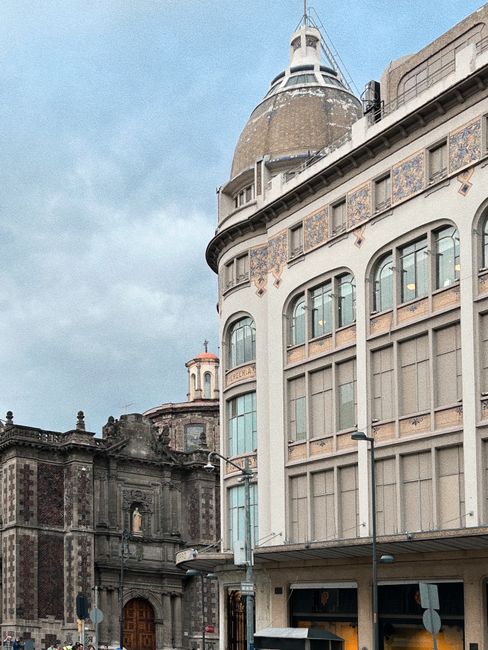
Beyond the Zócalo’s immediate vicinity, the Centro Histórico unfolds into a labyrinth of streets brimming with historical significance and architectural marvels. Francisco I. Madero Avenue, a bustling pedestrian thoroughfare, connects the Zócalo to the Palacio de Bellas Artes. This iconic avenue is lined with shops, restaurants, and historic buildings, many of which showcase eclectic architectural styles. The Casa de los Azulejos, a striking 18th-century palace covered entirely in blue and white Talavera tiles, is a visual highlight. Today, it houses a popular restaurant and offers a glimpse into opulent Porfiriato-era design. The Palacio de Bellas Artes, an architectural masterpiece, stands as a beacon of Mexican arts and culture. Its distinctive Art Nouveau and Art Deco facade belies the grandeur within, which includes a stunning stained-glass curtain depicting the Valley of Mexico. The Palacio hosts world-class opera, ballet, concerts, and art exhibitions, and its upper floors house the National Museum of Architecture, offering insights into the evolution of Mexican building design. Nearby, the Torre Latinoamericana, a slender skyscraper, provides panoramic views of the entire city, including the sprawling Centro Histórico and beyond. Ascending to its observation deck offers a breathtaking perspective on the urban landscape and its historical density.
The Centro Histórico is not just about grand monuments; it’s also about vibrant public spaces and immersive cultural experiences. Alameda Central, a beautiful urban park located west of Bellas Artes, has served as a public promenade since the viceregal era. It features fountains, sculptures, and shaded pathways, offering a tranquil escape from the city’s hustle. The park is a popular spot for locals and tourists alike, embodying the spirit of urban leisure. The surrounding streets are home to numerous museums catering to diverse interests. The Museo Nacional de Arte (MUNAL), housed in a magnificent Neoclassical building, showcases an extensive collection of Mexican art from the colonial period to the present day. Its impressive architecture alone is worth a visit. For those interested in the nation’s revolutionary past, the Museo de la Revolución Mexicana, though slightly north of the immediate core, offers a compelling narrative of the Mexican Revolution through exhibits and preserved artifacts. The Museo Franz Mayer, a renowned museum of decorative arts, is housed in a former hospice and displays a vast collection of European and Mexican art objects, including furniture, textiles, and ceramics, spanning centuries.
The culinary landscape of the Centro Histórico is as rich and diverse as its history. From traditional street food to elegant restaurants, the district offers an authentic taste of Mexican cuisine. The markets are an essential part of this experience. Mercado de San Juan, known for its exotic meats and artisanal products, is a sensory delight. Mercado de la Merced, one of the largest traditional markets in Latin America, offers a bewildering array of fruits, vegetables, spices, meats, and prepared foods, providing an unparalleled glimpse into local life and culinary traditions. Street food vendors are ubiquitous, offering classic Mexican snacks like tacos, tamales, esquites (corn salad), and churros. Seek out established street food stalls with high turnover for the freshest and most delicious options. For a more refined dining experience, the Centro Histórico boasts a number of excellent restaurants. Many are located within beautifully restored colonial buildings, offering ambiance along with exceptional cuisine. Look for establishments serving traditional dishes like mole, chiles en nogada (seasonal), and cochinita pibil.
Navigating the Centro Histórico is an adventure in itself. The sheer density of historical sites, museums, and vibrant street life can be overwhelming. Public transportation is readily available, with numerous Metro stations serving the area, including Zócalo, Bellas Artes, and Allende. Walking is often the best way to explore the smaller streets and discover hidden gems. Wear comfortable shoes, as you’ll be doing a lot of walking. Taxis and ride-sharing services are also options for longer distances or when tired. It’s advisable to familiarize yourself with a map and plan your routes in advance, especially if you have specific sites you want to visit. Be aware of your surroundings, particularly in crowded areas, as pickpocketing can be an issue, as in any major urban center. Engaging with local vendors and residents can enrich the experience, offering insights and recommendations. The Centro Histórico is a living, breathing testament to Mexico’s past and present, offering an unforgettable journey for any traveler seeking to understand the soul of the nation. The interplay of ancient ruins, colonial grandeur, and modern dynamism creates a unique urban tapestry that demands exploration and appreciation. From the monumental scale of the Zócalo to the intimate details of a tiled facade, every corner of this historic heart holds a story waiting to be discovered.


