
Best Places To See Wildlife In Wales

Unveiling Wales’ Wild Heart: Premier Destinations for Unforgettable Wildlife Encounters
Wales, a land sculpted by ancient mountains, rugged coastlines, and verdant valleys, teems with a diverse array of wildlife waiting to be discovered. From the soaring seabirds gracing its dramatic cliffs to the elusive mammals roaming its wilder interiors, the Principality offers unparalleled opportunities for nature enthusiasts and photographers alike. This guide delves into the best places to witness Wales’ remarkable fauna, providing insights for an immersive and rewarding wildlife experience.
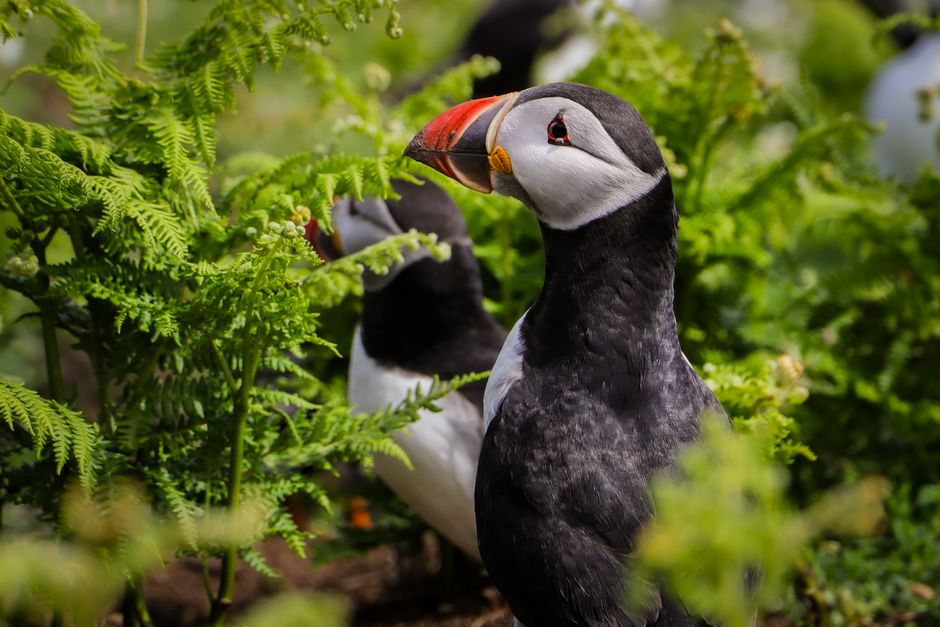
The Pembrokeshire Coast National Park stands as an undisputed jewel in Wales’ crown for wildlife observation. Its 186 miles of breathtaking coastline, characterized by towering sea cliffs, sheltered bays, and a scattering of picturesque islands, create a vital habitat for a staggering variety of marine and avian life. Ramsey Island, accessible by boat from St Davids, is a world-renowned bird sanctuary. During the breeding season, from April to July, it becomes a cacophony of life as over 6,000 pairs of Manx shearwaters return to their burrows, alongside significant colonies of puffins, guillemots, razorbills, and kittiwakes. The island’s dramatic cliffs also provide nesting sites for peregrine falcons and choughs, the latter being a charismatic red-beaked crow, a national symbol of Wales. Boat trips around Ramsey Island offer opportunities to spot seals, including Atlantic grey seals and the smaller, more agile harbor seals, often basking on the rocks or playfully swimming in the clear waters. Beyond Ramsey, the mainland coast of Pembrokeshire also offers excellent viewing. Strumble Head, with its iconic lighthouse, is a prime location for spotting porpoises and dolphins, particularly during calm weather. The waters off Cardigan Bay are a crucial feeding ground for bottlenose dolphins, with regular sightings throughout the year, and a dedicated boat tour from New Quay can provide close-up encounters with these intelligent marine mammals. Inland, within the park’s boundaries, smaller pockets of woodland and heathland support populations of red squirrels, their presence often revealed by their distinctive rustling in the trees or flashes of reddish-brown fur. Birdwatchers will also find abundant opportunities on the mainland, with ospreys occasionally seen fishing in the estuaries and woodlands hosting a variety of woodland birds. The coastal path itself, offering miles of accessible walking, provides continuous opportunities for bird spotting, from small passerines in the gorse to seabirds wheeling overhead.
Venturing inland, the Brecon Beacons National Park, or Bannau Brycheiniog as it is known in Welsh, presents a different, yet equally captivating, wildlife panorama. This expansive area of rolling hills, heather-clad moors, and ancient woodlands is a haven for a range of terrestrial species. The open moorland, particularly during late summer and autumn, becomes a stage for breeding red kites. These magnificent birds of prey, with their distinctive forked tails and effortless soaring, are a common sight, their presence a testament to successful conservation efforts. The park’s woodlands and river valleys are home to a more secretive population of wildlife. Look closely in the ancient oak and beech forests, and you might catch a glimpse of elusive red foxes, badgers emerging from their setts at dusk, or even the occasional pine marten, a reintroduced species slowly re-establishing its presence in the Welsh wilderness. The watercourses within the Brecon Beacons, from rushing mountain streams to slower-moving rivers, support a healthy population of otters. While shy and nocturnal, keen observers might be rewarded with a sighting of these playful mammals fishing or grooming themselves along the riverbanks, especially during the early morning or late evening. The moorlands also provide essential habitat for a variety of ground-nesting birds, including curlews, lapwings, and skylarks, their calls echoing across the open landscape. The higher altitudes, with their rocky outcrops and exposed ridges, are home to mountain hares, their camouflage a testament to their adaptation to the harsh environment. Birdwatchers exploring the woodlands will encounter species such as wood warblers, pied flycatchers, and treecreepers, while the open moorlands are a delight for raptor enthusiasts, offering chances to see buzzards, kestrels, and, with luck, peregrine falcons. The numerous reservoirs within the park, such as Talybont Reservoir, are also important sites for waterfowl and waders, particularly during the migration seasons.
North Wales, with its dramatic mountain ranges and coastal estuaries, offers a distinct set of wildlife attractions. Snowdonia National Park, or Eryri, is not just a hikers’ paradise but also a vital sanctuary for a variety of species. The rugged peaks provide a challenging yet rewarding environment for mountain goats, their agility on the scree slopes a remarkable sight. While not native, they have established a healthy population and are frequently seen grazing on the steep slopes. The lower valleys and woodlands of Snowdonia are home to red squirrels, and dedicated efforts are underway to protect and expand their habitats. Look for them in the mature conifer and broadleaf woodlands, particularly around areas with mature trees and a good supply of nuts and seeds. The mountain streams and rivers within Snowdonia are also potential habitats for otters, though they remain incredibly elusive. For birdwatchers, Snowdonia offers a rich diversity. The higher altitudes can host raven populations, their deep croaks echoing across the valleys, and choughs are often seen along the coastal fringes of the park. The woodlands are home to a variety of resident and migratory birds, including various species of tits, finches, and warblers. The Dee Estuary, located on the border of North Wales and England, is a Site of Special Scientific Interest and an internationally important wetland for wintering birds. During the autumn and winter months, this vast expanse of mudflats and saltmarshes becomes a feeding ground for thousands of waders and wildfowl. Species such as dunlin, curlew, redshank, and oystercatcher are present in significant numbers, alongside various species of ducks, including shelduck, teal, and wigeon. It is also a crucial site for migrating birds, making it a dynamic and exciting location for birdwatchers throughout the year. The Llyn Peninsula, jutting out into the Irish Sea, offers a wilder, more remote coastal experience with excellent opportunities for seabird watching and marine mammal spotting.
The Dyfi Estuary, a UNESCO Biosphere Reserve, is another exceptional location for observing Welsh wildlife, particularly birds and marine life. This dynamic estuarine system, encompassing saltmarshes, mudflats, and surrounding woodlands, supports an incredible diversity of species throughout the year. In winter, the estuary is a vital feeding ground for vast numbers of waders and wildfowl, including pintail, shoveler, and black-tailed godwits. The saltmarshes are particularly important for wading birds, providing essential foraging areas. The surrounding woodlands and reedbeds are home to a variety of bird species, including reed warblers, sedge warblers, and bearded tits. The Dyfi Estuary is also a key site for osprey viewing. Since their reintroduction in the early 2000s, ospreys have successfully bred in the area, and during the spring and summer months, they can often be seen fishing in the estuary, a truly spectacular sight. Boat trips on the estuary offer opportunities to get closer to the birdlife and also to spot seals. Bottlenose dolphins and porpoises are also occasionally seen in the outer estuary and surrounding coastal waters. For those interested in fungi and insects, the diverse habitats of the Dyfi Biosphere Reserve offer abundant opportunities for exploration.
Beyond these major national parks and reserves, numerous other locations across Wales offer significant wildlife viewing potential. The Gower Peninsula, the UK’s first Area of Outstanding Natural Beauty, boasts dramatic limestone cliffs and sandy bays that are ideal for seabird watching. While perhaps less known for large mammal sightings, it provides excellent opportunities for spotting various coastal birds, including fulmars and kittiwakes nesting on the cliffs. The smaller islands off the Welsh coast, such as Bardsey Island (Ynys Enlli) off the Llyn Peninsula, are also important wildlife havens. Bardsey is a renowned bird observatory and a vital stopover point for migratory birds, making it a significant destination for birdwatchers, especially during migration seasons. The island’s rugged terrain also supports a healthy population of seals. For those specifically interested in reptiles and amphibians, the woodland and wetland areas within Powys and Ceredigion can be rewarding. These areas are home to slow worms, grass snakes, and various frog and newt species, though they require patient observation and knowledge of their habitats. The agricultural landscapes of mid and north Wales can also be surprisingly rich in wildlife. Look for barn owls hunting over fields at dusk, or listen for the distinctive calls of curlews in the more open pastureland. The ancient woodlands scattered throughout Wales, often remnants of larger forests, are crucial habitats for a range of species, including woodland birds, bats, and invertebrates. Many of these woodlands are managed for conservation, offering accessible trails and interpretive information.
In conclusion, Wales’ commitment to conservation and the protection of its natural landscapes has ensured that its wild heart beats strongly, offering a wealth of opportunities for those seeking to connect with nature. Whether you are drawn to the dramatic coastlines, the vast moorlands, or the tranquil woodlands, the Principality provides an unforgettable journey into the vibrant world of Welsh wildlife. Careful planning, respect for the environment, and a touch of patience will undoubtedly lead to remarkable encounters with the creatures that call this beautiful country home.


