
Iceland Northern Lights Packing List Editor Picks

The Ultimate Iceland Northern Lights Packing List: Editor’s Picks for Optimal Aurora Viewing
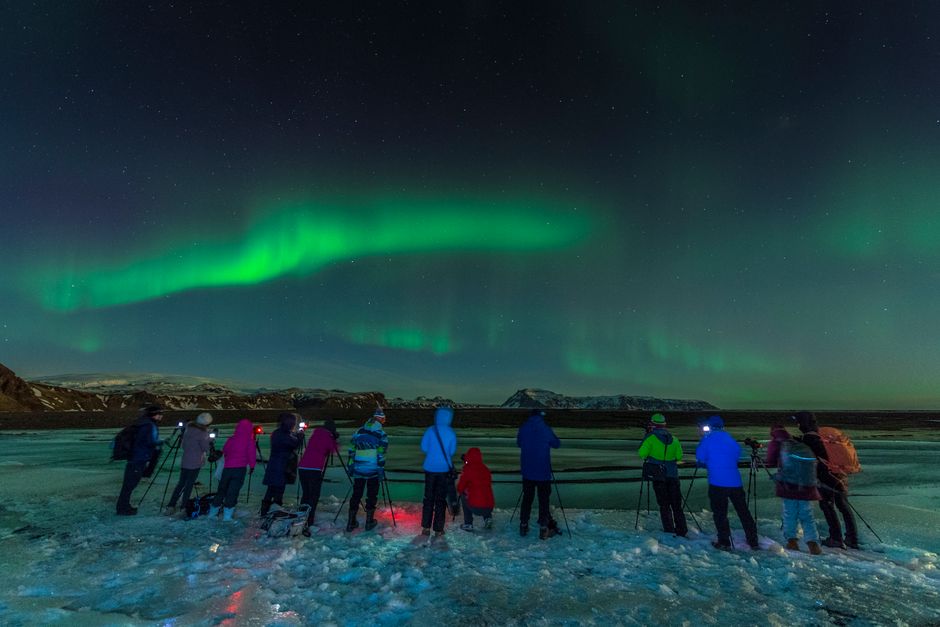
Navigating the rugged, often frigid Icelandic landscape in pursuit of the Aurora Borealis demands a meticulously curated packing list. This isn’t about guesswork; it’s about strategic preparation to ensure comfort, safety, and ultimately, the best possible chance of witnessing nature’s most spectacular light show. Beyond the obvious thermal layers, a thoughtful selection of gear can elevate your experience from merely enduring the cold to truly savoring the magic of the Northern Lights. Editor’s picks focus on items that offer superior performance, practicality, and value, ensuring you’re not weighed down by unnecessary bulk but are instead equipped for every eventuality the Icelandic winter throws your way.
Base Layers: The Foundation of Warmth
The undisputed cornerstone of any cold-weather packing list, especially for Iceland, is a robust set of base layers. Merino wool reigns supreme in this category, and for good reason. Its natural moisture-wicking properties are unparalleled, drawing sweat away from your skin to prevent the chilling effect that can quickly turn an enjoyable experience into a miserable one. Furthermore, merino wool is naturally odor-resistant, a significant advantage on longer trips where laundry facilities might be scarce.
- Editor’s Pick: Smartwool Merino 250 Base Layer Set. This set offers exceptional warmth without being overly bulky, making it perfect for layering. The 250-gram weight provides a substantial barrier against the cold, and the fit is designed for comfort and freedom of movement. The crew neck top and long johns are essential. Consider bringing a spare set for multi-day excursions or if you anticipate particularly strenuous activity that might lead to heavier sweating. The natural elasticity ensures a snug fit without constriction.
Mid Layers: The Crucial Insulation
Your mid-layers are where you build upon the warmth established by your base layers. This is the insulating barrier that traps body heat. Fleece and down are the primary contenders here, each with its own strengths.
- Editor’s Pick: Patagonia Better Sweater Fleece Jacket. This jacket is a classic for a reason. It offers excellent warmth-to-weight ratio, is highly breathable, and dries relatively quickly if it gets damp. Its durability means it can withstand the rigors of travel and outdoor exploration. The full-zip design allows for easy temperature regulation, and the zippered pockets are ideal for securing small essentials. This is a versatile piece that can be worn on its own on milder days or as a crucial insulating layer under your outer shell.
- Editor’s Pick: Arc’teryx Atom LT Hoody. For a more packable and lightweight yet incredibly warm option, the Atom LT Hoody is a standout. Its synthetic insulation (Coreloft™) performs well even when damp, making it a more reliable choice than down in unpredictable Icelandic weather. The hood provides crucial head warmth, and the softshell fabric offers some wind and water resistance. This is an ideal mid-layer for when space is at a premium or when you need maximum warmth without excessive bulk.
Outer Shell: The Uncompromising Defense
Your outer shell is your first line of defense against Iceland’s notoriously fickle and often harsh weather. It needs to be waterproof, windproof, and breathable to keep you dry from both external precipitation and internal perspiration.
- Editor’s Pick: Marmot Gore-Tex Jacket. A high-quality Gore-Tex jacket is non-negotiable. Look for one with fully taped seams and adjustable cuffs and hem to seal out wind and rain effectively. The breathability of Gore-Tex is crucial for preventing you from becoming clammy, which is a fast track to getting cold. Features like a helmet-compatible hood (even if you’re not skiing, it adds excellent protection) and pit zips for ventilation are highly desirable. This jacket will be your primary shield against the elements.
- Editor’s Pick: Outdoor Research Foray Pants (or similar Gore-Tex Pro shell pants). Similar to the jacket, waterproof and windproof pants are essential. These should be easily layered over your base and mid-layers. Look for features like full-length side zippers for easy on-and-off over boots and reinforced cuffs to prevent wear and tear from your footwear. The ability to adjust the fit at the waist and ankles ensures a secure and comfortable seal against the elements.
Footwear: The Crucial Connection to the Ground
Your feet are vital for staying comfortable and mobile. Cold, wet feet can quickly ruin an entire trip, especially when you’re standing for extended periods waiting for the Aurora.
- Editor’s Pick: Sorel Caribou Boots (or similar insulated, waterproof winter boots). These boots offer exceptional warmth and waterproofing, making them ideal for Icelandic winters. The removable felt liner adds an extra layer of insulation, and the rubber shell protects your feet from moisture. Crucially, ensure they have good ankle support, as you’ll likely be walking on uneven terrain.
- Editor’s Pick: Smartwool PhD Outdoor Medium Crew Socks. Invest in high-quality merino wool socks. They are far superior to cotton in cold and wet conditions. The medium cushioning provides comfort and warmth without making your boots too tight, which can restrict circulation. Bring multiple pairs to ensure you always have dry socks. Consider a liner sock as well for an extra layer of warmth and blister prevention.
Headwear and Handwear: Protecting Extremities
Your extremities are the first to feel the cold and are crucial for overall body temperature regulation.
- Editor’s Pick: Black Diamond Heavyweight Gloves (or similar insulated, waterproof gloves). Look for gloves that offer a good balance of warmth, dexterity, and waterproofing. The ability to operate camera controls or your phone is important. Consider a glove with a leather palm for durability and grip.
- Editor’s Pick: Black Diamond Midweight Gloves (as a liner or for less extreme conditions). A lighter pair of gloves can be useful as a liner under your main gloves for extreme cold, or on their own for milder days or when more dexterity is needed.
- Editor’s Pick: Smartwool Merino Wool Beanie. A warm, close-fitting beanie is essential. It should cover your ears completely. The merino wool is comfortable, warm, and odor-resistant.
- Editor’s Pick: Balaclava or Neck Gaiter. This is a versatile item that can be pulled up to cover your face and neck, providing crucial protection from the wind and cold. A fleece-lined neck gaiter is a particularly effective and comfortable option.
Accessories: Enhancing Comfort and Functionality
These often overlooked items can make a significant difference in your overall experience.
- Editor’s Pick: Black Diamond Spot 350 Headlamp (with extra batteries). Essential for navigating in the dark, setting up camera equipment, or simply finding your way around. A headlamp keeps your hands free, which is invaluable. Ensure it has a red light setting to preserve night vision if you’re photographing the Aurora.
- Editor’s Pick: Thermos Stainless Steel Vacuum Insulated Bottle. A hot beverage can be a lifesaver in the cold. Fill it with hot chocolate, tea, or coffee to warm you from the inside out.
- Editor’s Pick: Peak Design Packable Tote Bag. While not directly for warmth, a durable, packable tote bag is incredibly useful for carrying extra layers, snacks, camera gear, or souvenirs. It’s a versatile addition that’s easy to stash when not in use.
- Editor’s Pick: Eagle Creek Pack-It™ Compression Cubes. Staying organized in a cold climate can be challenging with bulky gear. Compression cubes help maximize space in your luggage and keep your clothing organized, making it easier to find what you need without rummaging through everything.
- Editor’s Pick: SteriPEN Ultra UV Water Purifier. While Iceland’s tap water is generally safe, having a personal water purifier offers peace of mind and reduces the need for single-use plastic bottles. This is especially useful if you plan on hiking or spending extended time away from established water sources.
- Editor’s Pick: Energizer Ultimate Lithium AA Batteries (for camera and headlamp). Cold temperatures can significantly drain battery life. Lithium batteries perform much better in cold conditions than alkaline batteries, and having spares is crucial for ensuring your essential electronics don’t die at a critical moment.
Camera Gear: Capturing the Magic
If your primary goal is to photograph the Northern Lights, specific gear is essential.
- Editor’s Pick: Tripod (sturdy and with a good head). A stable tripod is non-negotiable for long exposures required for Northern Lights photography. Look for one that is sturdy enough to withstand wind and has a fluid head for smooth adjustments.
- Editor’s Pick: Camera with Manual Settings and Wide-Angle Lens. A DSLR or mirrorless camera that allows for manual control of ISO, aperture, and shutter speed is ideal. A wide-angle lens (e.g., 14-24mm or 16-35mm) with a fast aperture (f/2.8 or wider) will allow you to capture more of the sky and more light.
- Editor’s Pick: Extra Camera Batteries. As mentioned, cold drains batteries rapidly. Bring at least two to three spare batteries and keep them warm in an inside pocket.
- Editor’s Pick: Remote Shutter Release or Intervalometer. This prevents camera shake when triggering the shutter and allows for timed shooting sequences.
Safety and Miscellaneous: Peace of Mind
These items are for your well-being and preparedness.
- Editor’s Pick: First-Aid Kit. A basic kit with bandages, antiseptic wipes, pain relievers, and any personal medications is essential.
- Editor’s Pick: Sunscreen and Lip Balm with SPF. Even in winter, the sun’s rays can be strong, especially when reflected off snow and ice.
- Editor’s Pick: Portable Power Bank. To keep your phone and other small electronics charged. Crucial for navigation, communication, and in case of emergencies.
- Editor’s Pick: Iceland Travel Guidebook or Downloaded Offline Maps. For navigation and information, especially if cell service is unreliable.
- Editor’s Pick: Cash (some local currency and USD/EUR for emergencies). While cards are widely accepted, having some cash is always a good idea.
Layering Philosophy: The Key to Versatility
The overarching principle behind this packing list is the layering system. Instead of relying on one extremely heavy garment, building warmth through multiple thinner layers allows for superior temperature regulation. You can shed or add layers as your activity level or the weather changes. This adaptability is crucial for both comfort and energy conservation in Iceland’s dynamic environment. Remember that comfort is paramount when waiting for the Aurora, as you may be standing still for extended periods. Prioritize items that allow for freedom of movement and don’t restrict circulation. The goal is to create a microclimate of warmth around your body, effectively sealing out the biting Icelandic air and allowing you to focus on the celestial spectacle above.


