New York City remains an unparalleled global hub for the study and appreciation of 20th- and 21st-century design. With institutions like the Cooper Hewitt, Smithsonian Design Museum, the Brooklyn Museum, the Metropolitan Museum of Art, and the Museum of Arts and Design, the public is well-served by curated, academic exhibitions. However, these institutions often operate within the rigid constraints of thematic curatorial narratives or permanent collection mandates. A significant portion of design history—prototypes, experimental "B-sides," and rare pieces that do not fit a specific exhibition thesis—has historically remained locked away in private storage. R & Company, a premier collectible design gallery, is now dismantling this barrier by opening its long-time storage facility, Building 86, to the public.
Located within the historic Brooklyn Navy Yard, the 16,000-square-foot warehouse has served as the backbone of R & Company’s operations for nearly a decade. Previously utilized as a private hub for the gallery’s permanent collection, designer archives, professional photography studio, and administrative offices, the building represents 30 years of meticulous accumulation. By granting access to collectors, designers, and the general public by appointment, co-founders Zesty Meyers and Evan Snyderman are transitioning the space from a private repository to a site of public discovery.
A Chronology of Collection and Evolution
The history of R & Company dates back to the 1990s, a period when the market for collectible design was significantly less formalized than it is today. Meyers and Snyderman established the gallery with a focus on historical modernism and emerging contemporary voices, effectively helping to build the secondary market for 20th-century American design. Over the last three decades, their acquisition strategy has been defined not by trends, but by a commitment to the "story" behind each object.
Building 86 itself sits within the Brooklyn Navy Yard, a 300-acre industrial park that has evolved from a 19th-century shipbuilding facility into a modern center for manufacturing, media, and technology. The choice of this location for an archive is symbolic; it underscores the gallery’s dedication to the physical reality of objects—how they were made, the materials used, and the labor involved.
Operational Shifts and Public Access
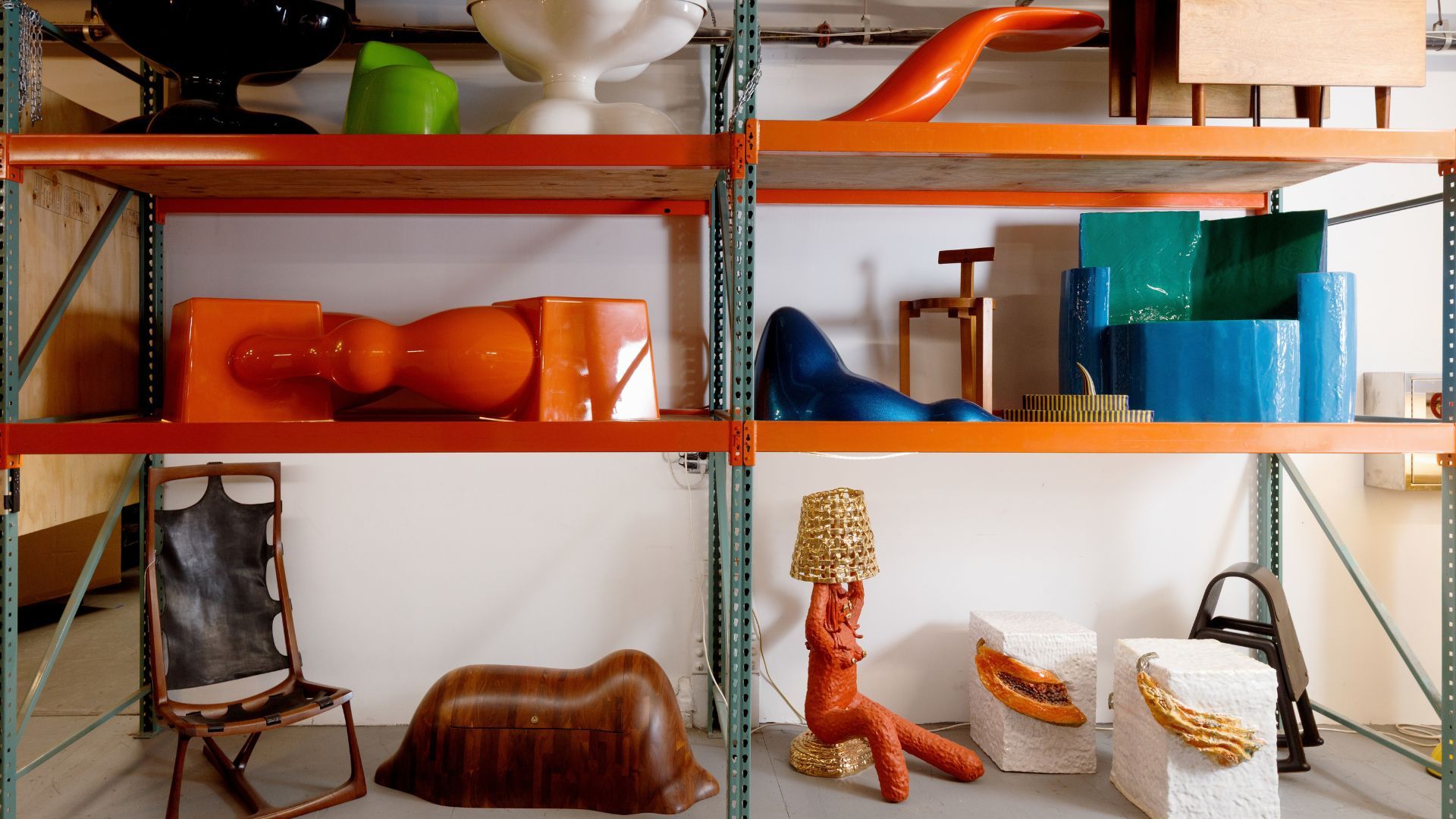
The decision to open the facility represents a shift in the gallery’s business model. While traditional galleries focus on white-cube exhibitions, Building 86 offers an "archive-like" experience. Items are displayed on towering industrial shelving units, intentionally arranged without a linear chronological or thematic order. This approach is designed to foster serendipity. Visitors might move from a piece by a mid-century modernist titan to a creation by an unknown contemporary designer, mirroring the non-linear process of true archival research.
The facility functions as a living database. According to the co-founders, the collection spans global geography, including significant works from France, Denmark, and the United States. This international breadth allows for a comparative analysis of design movements, from the Italian Radical Design movement to the refined cabinet making traditions of post-war Scandinavia.
Curatorial Highlights: Ten Defining Objects
The archive contains thousands of pieces, but Meyers and Snyderman have highlighted ten specific items that encapsulate the breadth and "fun" of their collection:
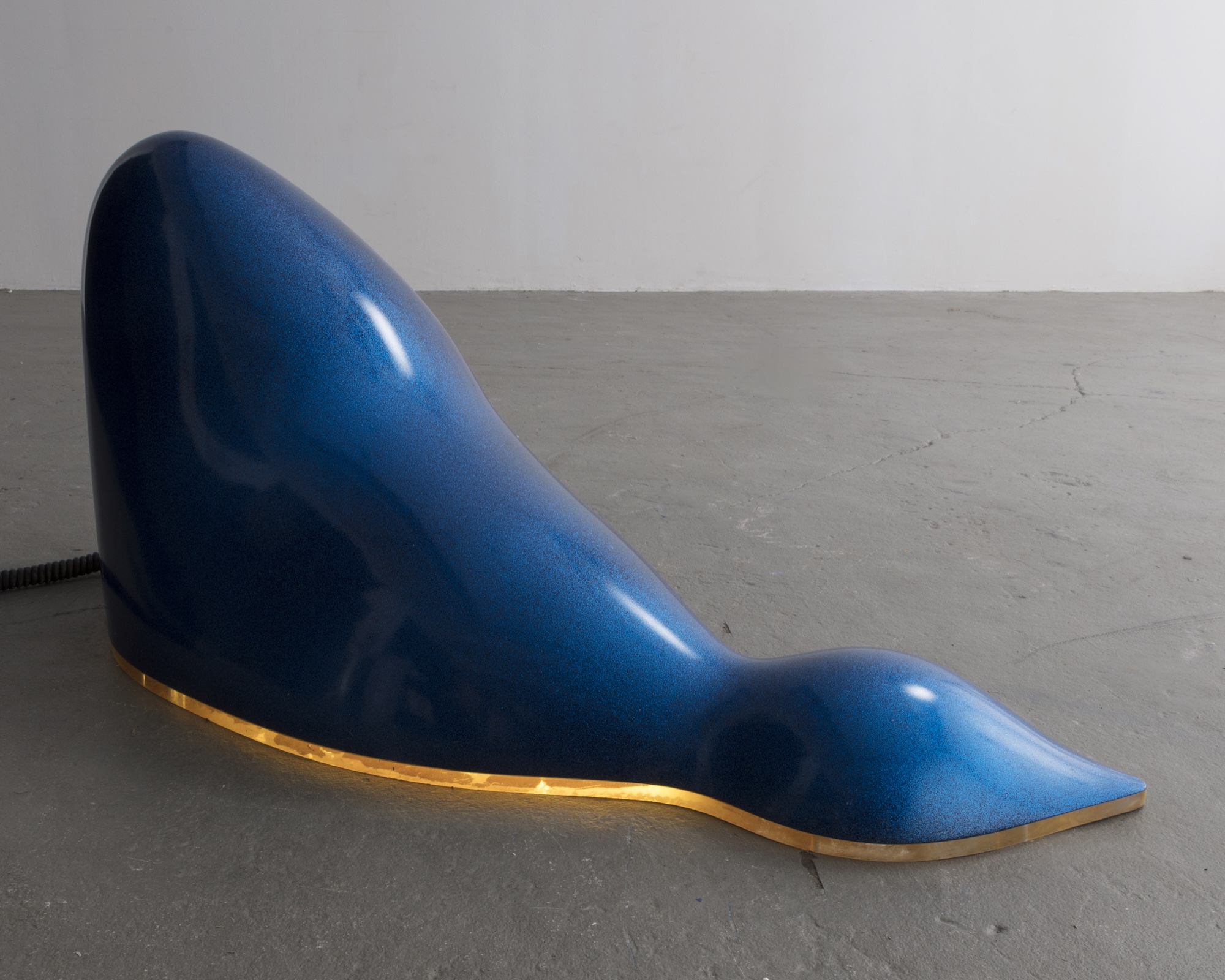
- The ‘Sluggo’ Lamp by Wendell Castle (late 1960s–early 1970s): A departure from Castle’s signature wood furniture, this fiberglass lamp reflects his fascination with the Italian Radical Design movement and American hot-rod culture. Its surrealist, slug-like form and "sparkly blue" finish demonstrate a bold departure from the brown-dominant aesthetics of the era.
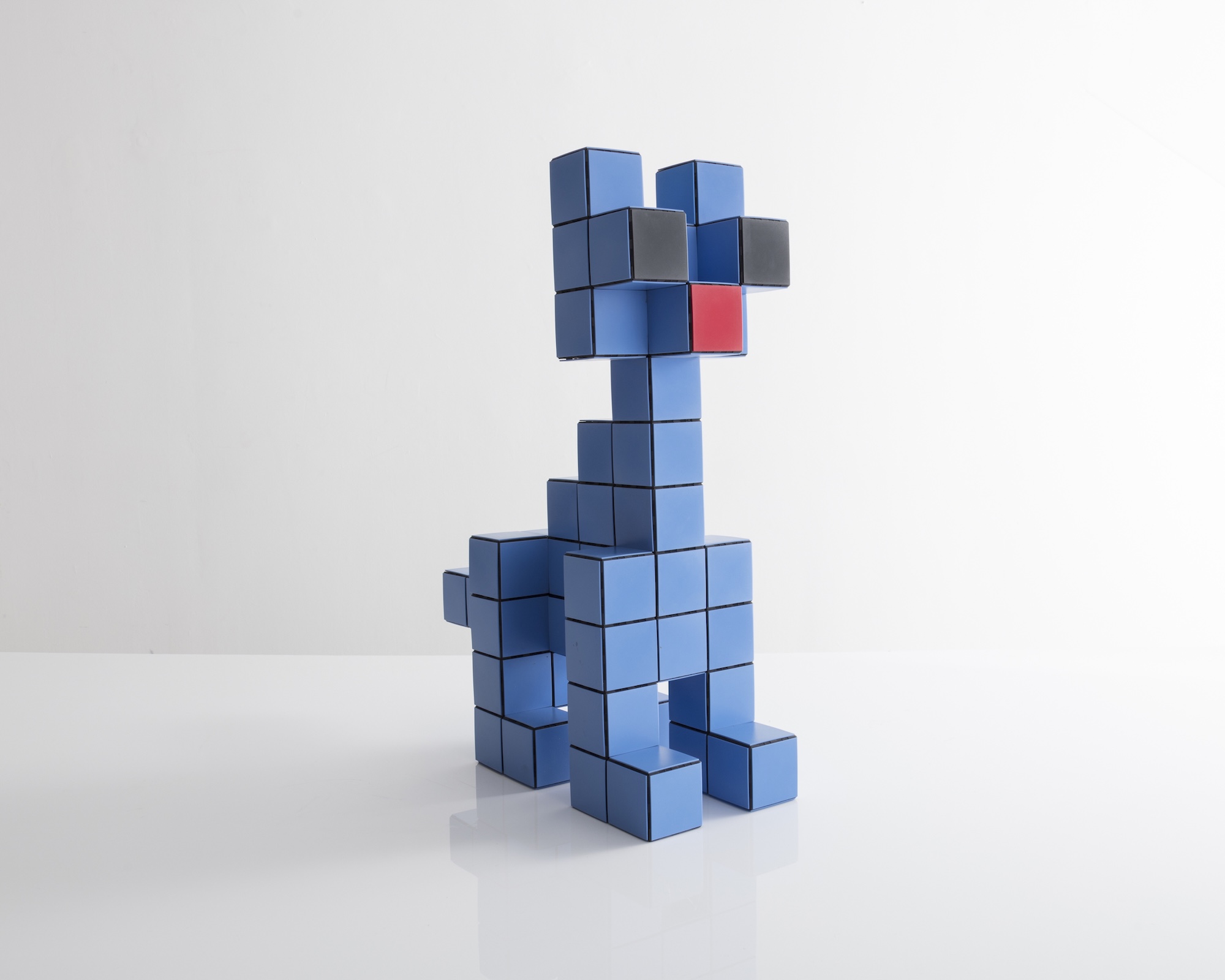
- Modular Cat Toy by Verner Panton for Naef: A classic example of a "failed" product that achieved cult status. Designed to be assembled with complex plastic clips, the toy proved too difficult for consumers, leading to its swift discontinuation. Today, it stands as a testament to Panton’s experimental, albeit uncompromising, approach to form.
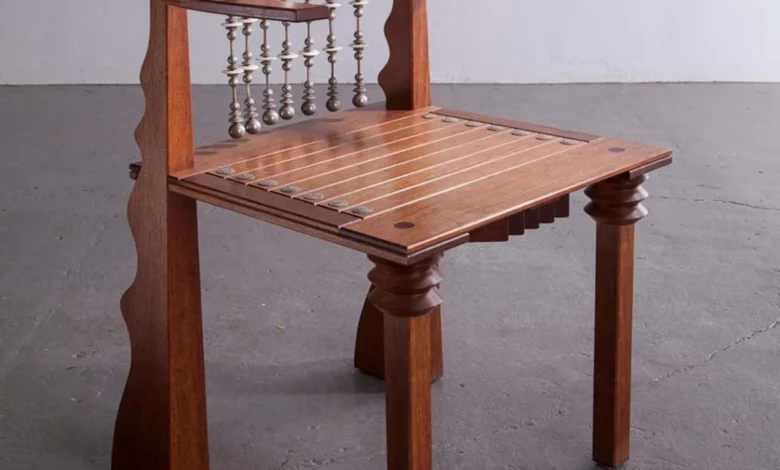
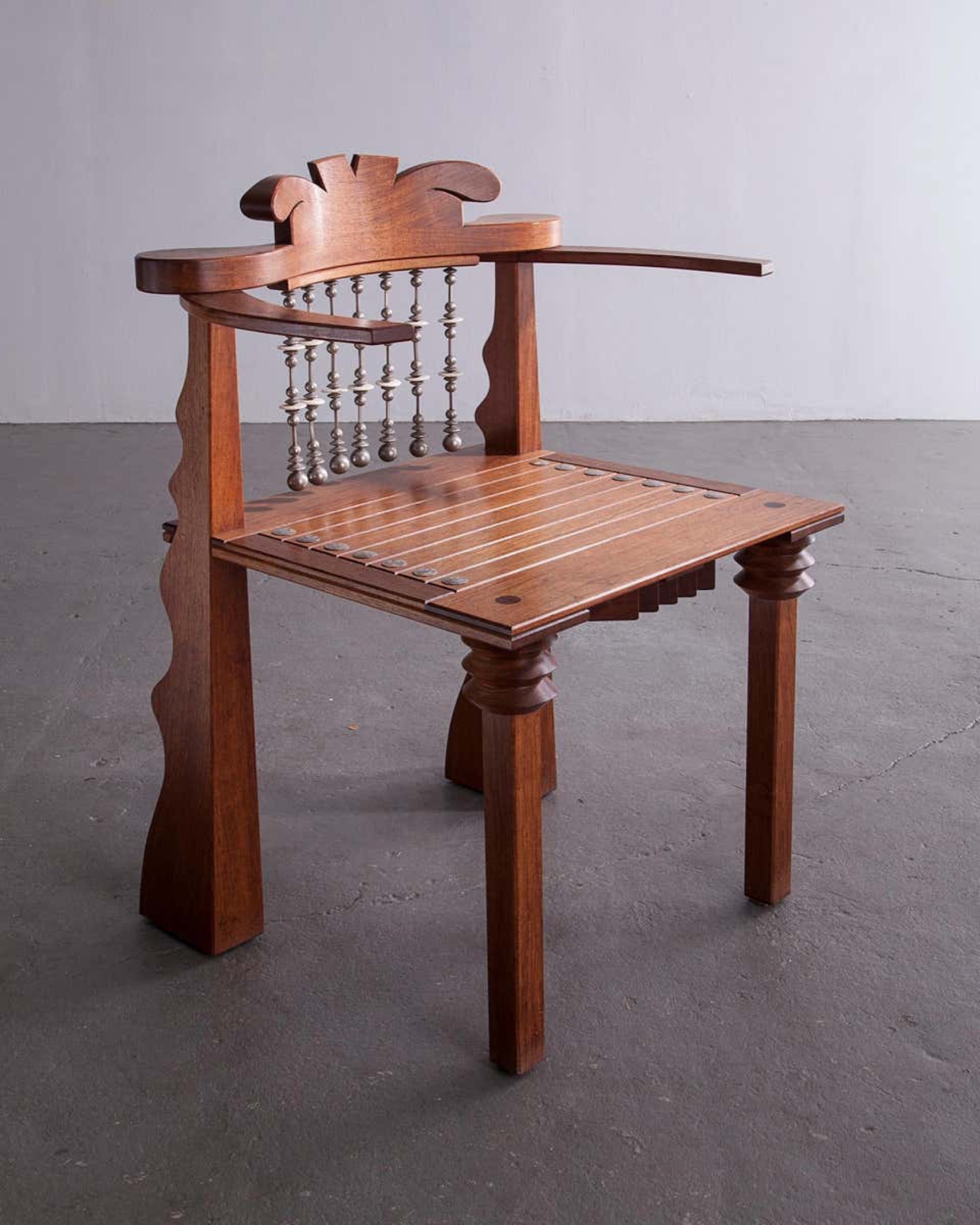
- ‘African’ Chair by Garry Knox Bennett: A quintessential piece by a contemporary of Wendell Castle. Featuring hand-hammered silver nails on the seat, it serves as a bridge between high-end furniture and fine jewelry, highlighting Bennett’s eccentric metalwork skills.
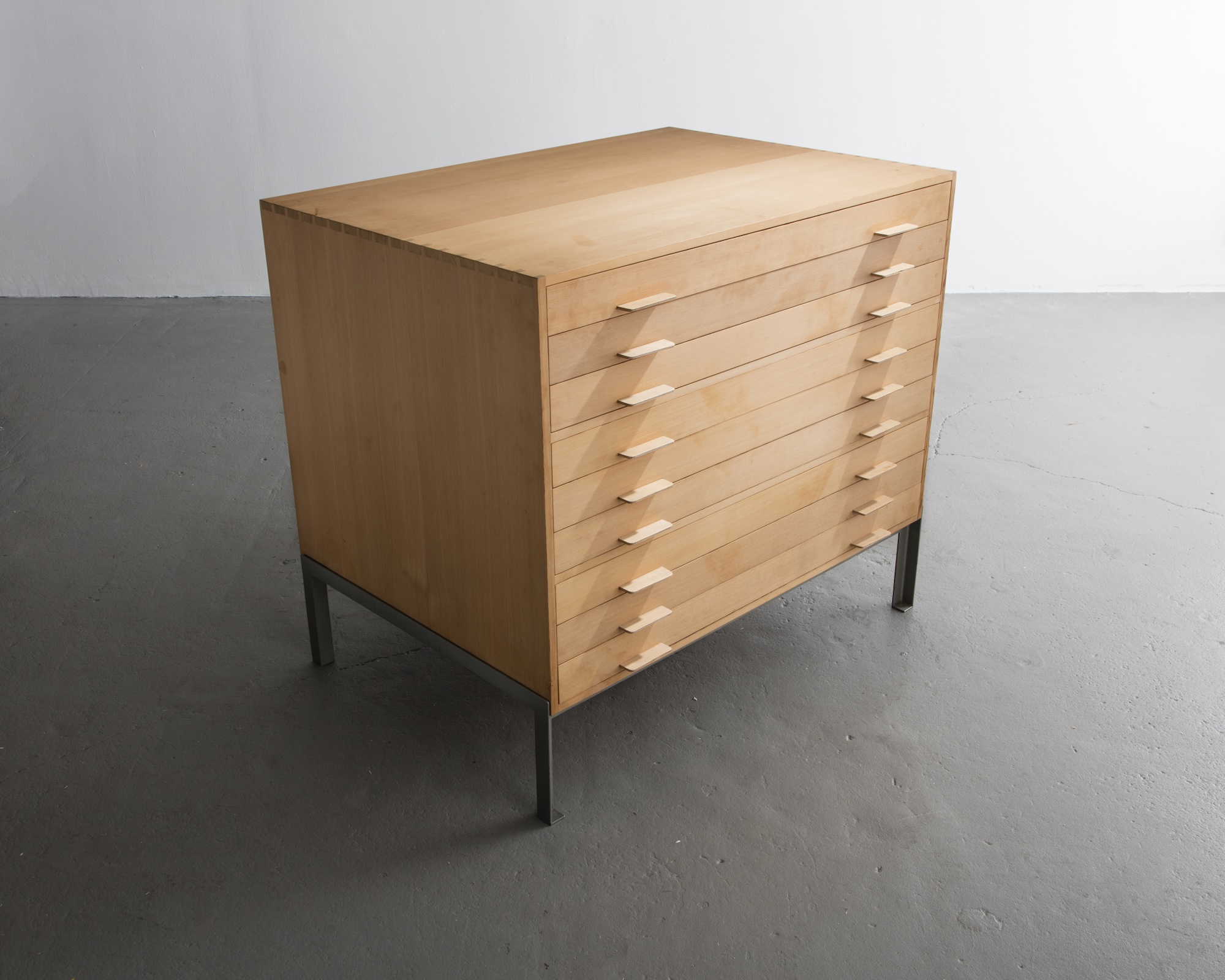
- Flat File by Poul Kjaerholm: A rare example of Danish cabinet-making applied to a utility object. The use of pine for the handles demonstrates the meticulous craft of the period, a piece typically found only in the offices of serious art collectors.
- ‘Paramount’ Lamp by Lapo Binazzi: Created between 1972 and 1973, this piece is a political statement on the American Dream and Hollywood. The base, handcrafted in Florence, represents the intersection of artisanal skill and pop-culture critique.
- Model 4088 Table Lamp by Joe Colombo for Kartell: A rare variant of a more widely produced model. Its presence in the archive allows for the study of Colombo’s forward-thinking approach to plastics and modular lighting.
- ‘Codependent’ Light Fixture by Katie Stout: A contemporary piece that utilizes individual shades to create a "codependent" form. It highlights the playful, narrative-driven work of current designers.
- ‘Elephant Skin’ Candelabra by The Haas Brothers (2013): A significant work from the early partnership between the gallery and the designers. Its "elephant skin" texture, achieved through clay sculpting before being cast in bronze, showcases the transition of hand-craft into industrial materials.
- Five-Piece Sectional Sofa by Roberto Matta: Produced by Gavina (later acquired by Knoll), this piece is a rare example of a surrealist painter’s foray into furniture. Its modularity, allowing it to transform from a sofa into a "fort," highlights the playfulness inherent in mid-century design.
- Bed by Joaquim Tenreiro: Attributed to one of Brazil’s finest wood carvers, this piece showcases the delicate tapers and caning characteristic of 1940s–1970s Brazilian modernism.
The Broader Impact on the Design Market
The opening of Building 86 carries implications for both the academic and commercial sectors of the design world. By providing access to the "B-sides" of design history, R & Company is enabling researchers and students to see the prototypes and failed experiments that usually disappear into private vaults. This has the potential to rewrite or refine the history of specific movements, as scholars can now examine the iterative process of designers rather than just their final, successful outputs.
Economically, the gallery is signaling confidence in the long-term value of these objects. By allowing the public to engage with their archives, they are fostering a deeper appreciation for the provenance and technical mastery required to create these pieces, which in turn bolsters the collectible design market.
Official Perspective and Future Outlook
For Zesty Meyers and Evan Snyderman, the project is as much about passion as it is about commerce. "The idea of being able to share 30 years of collecting with our clientele seemed like a really great idea," Snyderman stated. "Everything in this building has a story."
The shift to a public-facing archive suggests that the definition of a "gallery" is evolving. It is no longer just a space for retail, but a site for education and cultural preservation. As Building 86 welcomes its first visitors, it stands as a unique case study in how private entities can assume the mantle of public institutions to ensure that the history of design remains accessible, tangible, and, above all, a source of continued inspiration. For collectors, the archive offers a chance to see pieces that have long been missing from the public discourse, ensuring that the legacy of these designers is not just maintained, but actively explored.