
Crystal Coast North Carolina

The Crystal Coast of North Carolina: A Comprehensive Guide to Coastal Tourism and Recreation
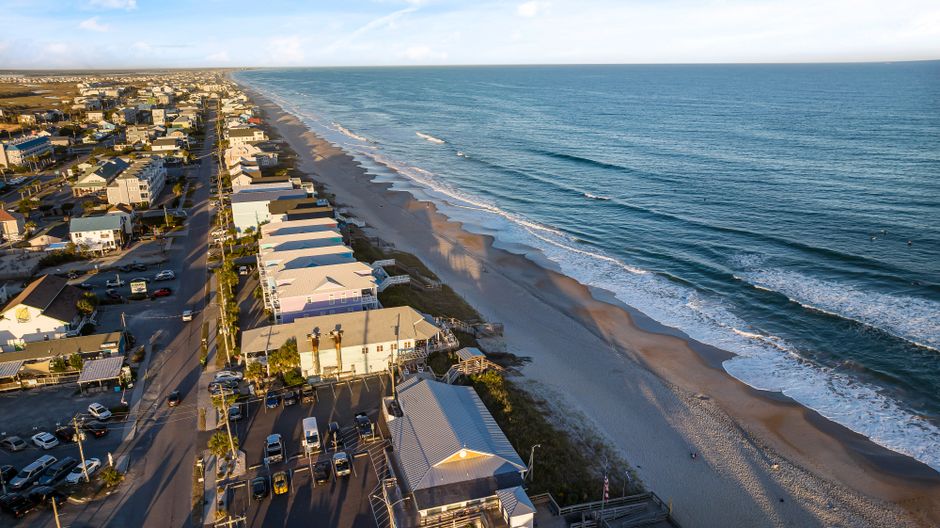
North Carolina’s Crystal Coast, a stretch of barrier islands and mainland communities along the southern Outer Banks and adjacent mainland, offers a diverse and alluring destination for travelers seeking sun, sand, and a rich maritime heritage. This vibrant region, characterized by its pristine beaches, abundant marine life, and charming coastal towns, has solidified its reputation as a premier vacation spot for both domestic and international visitors. Understanding the unique offerings of the Crystal Coast necessitates an exploration of its distinct geographic features, its economic drivers, its historical significance, and the wide array of recreational activities available to its inhabitants and tourists.
Geographic Identity and Environmental Significance:
The Crystal Coast derives its name from the exceptionally clear, crystalline waters that lap its shores, a testament to the relatively undeveloped nature of much of its coastline and the presence of fine, white sand. Geographically, it encompasses a significant portion of the North Carolina coast, extending roughly from the settlement of Bear Creek in Carteret County eastward to encompass Harkers Island and then eastward again to the western edge of the Beaufort Inlet, including the popular barrier islands of Shackleford Banks, Core Banks, and Bogue Banks. These barrier islands, dynamic landforms shaped by prevailing winds and ocean currents, play a crucial role in protecting the mainland from storm surges and erosion, while also providing vital habitats for a multitude of species. The region is also characterized by extensive estuarine systems, including sounds like the Newport River, Taylor’s Creek, and the Beaufort Inlet, which are critical nursery grounds for many commercially important fish and shellfish species. The ecological significance of the Crystal Coast cannot be overstated; it is a biodiversity hotspot, home to diverse bird populations, sea turtles, dolphins, and a thriving inshore and offshore fishery. Protected areas, such as the Cape Lookout National Seashore and the Rachel Carson National Estuarine Research Reserve, underscore the commitment to preserving these invaluable natural resources for future generations. The interplay between these natural elements – the ocean, the beaches, the sounds, and the marshes – creates a unique and captivating coastal environment.
Economic Landscape and Tourism as a Primary Driver:
The economy of the Crystal Coast is intrinsically linked to its natural beauty and recreational opportunities. Tourism stands as the undisputed cornerstone of the regional economy, generating substantial revenue through visitor spending on accommodations, dining, retail, and activities. The consistent influx of tourists fuels employment in the hospitality sector, supporting a wide range of businesses from small, family-owned bed and breakfasts to larger hotels and resorts. Beyond tourism, commercial and recreational fishing remain significant economic activities, reflecting the region’s deep-rooted maritime heritage. The harvesting of seafood, including shrimp, oysters, crabs, and various fish species, supports local fisheries and contributes to the vibrant culinary scene that draws many visitors. Marinas, boat repair services, and chandleries cater to the robust boating community, both local and transient. Furthermore, the strategic location of the Crystal Coast, with its proximity to major naval installations like Marine Corps Air Station Cherry Point and the Naval Station at Morehead City, contributes to a stable economic base and a skilled workforce. The port of Morehead City, a key deep-water port on the Atlantic coast, facilitates international trade and supports various logistics and transportation industries, adding another layer of economic diversification to the region. The synergy between these sectors – tourism, fishing, and military presence – creates a resilient and dynamic economic ecosystem for the Crystal Coast.
Historical Tapestry and Maritime Heritage:
The Crystal Coast boasts a rich and multifaceted history, deeply intertwined with the maritime activities that have shaped its development. For centuries, these shores have been a crossroads for trade, exploration, and even piracy. The indigenous peoples who first inhabited these lands left their mark through ancient shell middens and fishing practices, demonstrating a profound connection to the coastal environment. European settlers, drawn by the abundance of natural resources and strategic coastal access, established communities that gradually grew into the towns and villages that exist today. Beaufort, North Carolina’s third-oldest town, founded in 1713, stands as a living testament to this history. Its well-preserved historic district, with its charming antebellum architecture, cobblestone streets, and waterfront views, transports visitors back in time. The area’s role in shipbuilding, naval activities, and maritime trade is palpable throughout its historic sites. The Cape Lookout Lighthouse, a distinctive diamond-shaped landmark, has guided mariners for generations, symbolizing the enduring importance of seafaring to the region. Legends of pirates like Blackbeard, who is rumored to have frequented these waters, add an element of intrigue and historical romance. The maritime museums and historical societies scattered throughout the Crystal Coast diligently preserve and interpret this legacy, offering invaluable insights into the lives of fishermen, mariners, and the communities that depended on the sea. This historical narrative is not merely confined to museums; it is woven into the fabric of the coastal landscape and the traditions of its people.
Recreational Opportunities: Beaches, Water Sports, and Nature Exploration:
The Crystal Coast is an unparalleled destination for outdoor enthusiasts, offering an extensive range of recreational activities that cater to every interest and skill level. The pristine beaches are undoubtedly the main draw. Bogue Banks, a 21-mile-long barrier island, boasts popular towns like Atlantic Beach, Pine Knoll Shores, and Emerald Isle, each offering distinct beach experiences. From lively stretches with boardwalks and amusements to more secluded coves perfect for quiet relaxation, the beaches here are a haven for sunbathers, swimmers, and sandcastle builders. Beyond simply lounging on the sand, the Crystal Coast is a mecca for water sports. Surfing and bodyboarding are popular along the more exposed stretches of coastline, with lessons and rentals readily available. Kayaking and paddleboarding offer a more serene way to explore the calm waters of the sounds and inlets, providing unique perspectives of the coastal ecosystem. Fishing is a paramount activity, both from the shore, piers, and charter boats. The Gulf Stream’s proximity offers opportunities for offshore fishing expeditions targeting billfish, tuna, and wahoo, while the sounds and inshore waters teem with flounder, red drum, and speckled trout, appealing to anglers of all levels. Boating is an integral part of the coastal lifestyle, with numerous marinas offering docking facilities and rental options for various watercraft, from small fishing skiffs to larger yachts. Exploring the undeveloped barrier islands of Shackleford Banks and Core Banks by boat or kayak reveals a raw, untamed beauty. These islands are home to the famous wild horses of Shackleford Banks, descendants of Spanish Mustangs, and offer incredible opportunities for birdwatching and shelling. Nature exploration extends beyond the immediate coastline. The Rachel Carson National Estuarine Research Reserve provides boardwalks and trails through salt marshes and maritime forests, allowing visitors to observe diverse flora and fauna. Dolphin watching tours are a perennial favorite, offering close encounters with these intelligent and playful marine mammals in their natural habitat. The clear waters also make the Crystal Coast an excellent destination for snorkeling and diving, with opportunities to explore shipwrecks and artificial reefs that have become thriving marine ecosystems. The sheer diversity of available activities ensures that every visitor can craft their ideal coastal adventure.
Culinary Delights: Fresh Seafood and Coastal Flavors:
The Crystal Coast’s culinary scene is a direct reflection of its abundant marine resources and its deep-rooted maritime culture. Fresh, locally sourced seafood is the undisputed star of the show, offering a true taste of the region. Restaurants across the Crystal Coast pride themselves on serving just-caught fish, shrimp, oysters, and crabs, often prepared with simple yet flavorful techniques that highlight the natural quality of the ingredients. From casual seafood shacks where you can enjoy a basket of fried shrimp or flounder to upscale restaurants offering elegant seafood preparations, there is something to satisfy every palate and budget. Oysters, particularly from the local waters of the Atlantic Intracoastal Waterway and the surrounding sounds, are a must-try. Many establishments offer raw oysters on the half shell, steamed, or incorporated into delicious dishes like oyster stew or baked oysters. Crab dishes, especially steamed blue crabs, are a quintessential Crystal Coast experience, often enjoyed communally at waterfront eateries. The tradition of "crab boils" is a festive and popular way to savor this local delicacy. Beyond seafood, the agricultural bounty of eastern North Carolina also influences the local cuisine. Fresh corn, sweet potatoes, and collard greens often feature as classic Southern accompaniments to seafood meals. The region’s barbecue tradition, though more prevalent inland, also makes its presence felt, with some establishments offering slow-smoked pork alongside their seafood offerings. The vibrant farmers’ markets, particularly during the warmer months, provide an opportunity to sample local produce and artisanal food products. The culinary landscape of the Crystal Coast is more than just a dining experience; it is an integral part of its cultural identity, offering visitors a delicious and authentic immersion into the flavors of this coastal paradise.
Planning Your Crystal Coast Adventure: Accommodation, Transportation, and Visitor Information:
For travelers considering a visit to the Crystal Coast, comprehensive planning can enhance the overall experience. Accommodation options are diverse, ranging from luxury resorts and full-service hotels to charming bed and breakfasts, vacation rental homes, and campgrounds. The choice of lodging often depends on the desired level of amenities, proximity to specific attractions, and budget. Popular towns like Emerald Isle, Atlantic Beach, and Beaufort offer a concentration of accommodations, while more secluded areas provide a quieter escape. Transportation to the Crystal Coast typically involves driving, with major highways providing access from inland North Carolina and neighboring states. The closest major airports are Raleigh-Durham International Airport (RDU) and Wilmington International Airport (ILM), both requiring a scenic drive of several hours to reach the Crystal Coast. Once on the coast, a personal vehicle is generally recommended for exploring the various towns and attractions, especially for accessing less developed areas. Many towns are also walkable or bikeable, particularly along the waterfronts and within historic districts. For inter-island travel or exploring specific waterways, ferry services and water taxis are available. Visitor information centers are strategically located throughout the region and serve as invaluable resources for maps, brochures, event calendars, and recommendations. Websites of local tourism bureaus and chambers of commerce provide extensive information on accommodations, dining, activities, and upcoming events. Understanding the seasonal variations in weather and tourist traffic is also crucial for planning. The peak season generally runs from late spring through early fall, offering the warmest weather and the most vibrant activity. However, the shoulder seasons (spring and fall) can offer pleasant weather, fewer crowds, and potentially lower prices, making them an attractive alternative for some travelers. By considering these logistical aspects, visitors can effectively plan a memorable and seamless Crystal Coast adventure.


