
Best Time To Visit Lagos

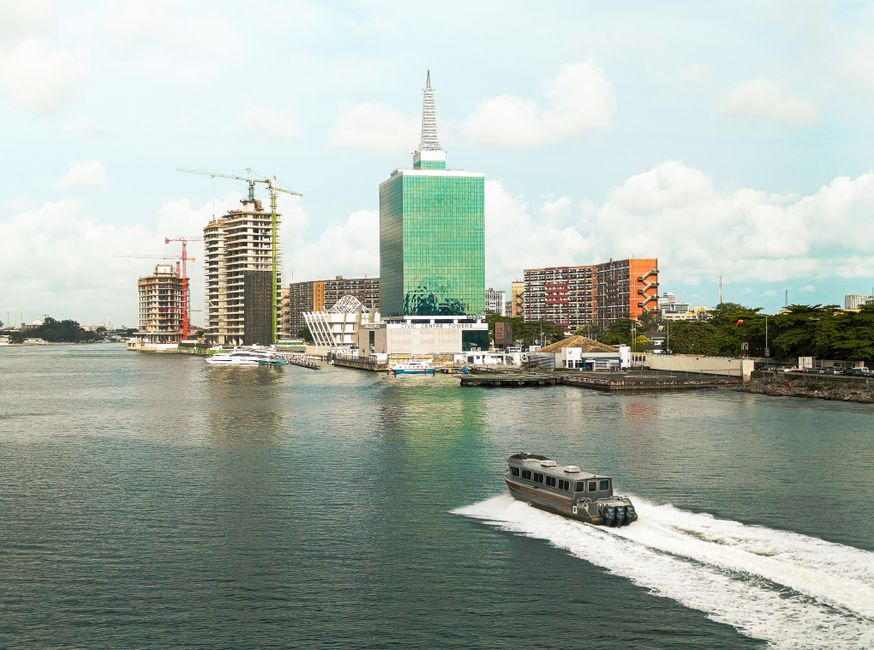
The Best Time to Visit Lagos: A Comprehensive Guide for Optimal Experiences
The optimal time to visit Lagos, Nigeria, is largely dictated by a desire to avoid the most intense periods of its distinct wet and dry seasons, while also considering peak tourist influx and specific event schedules. Generally, the dry season, spanning from November to March, emerges as the most favorable period. This timeframe offers pleasant weather with lower humidity, minimal rainfall, and sunshine ideal for exploring the city’s vibrant attractions, from its bustling markets and historical sites to its beautiful coastline. However, understanding the nuances within this period and considering the shoulder months can further refine your travel plans for a more enriching experience.
The primary advantage of visiting Lagos during its dry season, specifically from November to March, lies in its weather patterns. This period is characterized by significantly reduced rainfall, making outdoor activities and sightseeing far more enjoyable and predictable. The humidity levels are also considerably lower compared to the wet season, leading to more comfortable temperatures. While Lagos is a tropical city and can experience warmth year-round, the dry season offers a respite from the oppressive heat and stickiness that can characterize the wetter months. Expect average temperatures to hover around the high 20s to low 30s Celsius (mid-80s to low 90s Fahrenheit), with cooler evenings offering a pleasant contrast. Sunshine is abundant, perfect for exploring landmarks like the National Museum, Eko Atlantic City, or simply relaxing on beaches such as Elegushi or Tarkwa Bay. Navigating the city’s renowned traffic, a perennial challenge, is also generally less disrupted by sudden downpours during this time.
However, it’s crucial to recognize that the dry season is also the peak tourist season in Lagos. This translates to higher demand for flights and accommodation, resulting in increased prices. Popular attractions will likely be more crowded, and you may need to book tours and activities in advance. If you prefer a more tranquil experience and are less sensitive to higher costs, the peak dry season is undeniably the best time. For those on a budget or seeking fewer crowds, considering the shoulder months within the dry season, such as late November or early March, can offer a good compromise. These periods still benefit from largely favorable weather but might see a slight dip in tourist numbers and potentially more competitive pricing.
The wet season in Lagos typically runs from April to October, with a peak in rainfall often occurring between June and September. During this time, expect frequent and often heavy downpours, sometimes accompanied by thunderstorms. While the rain can provide a refreshing break from the heat and humidity, it can significantly impact outdoor activities and transportation. Travel can be disrupted by flooded roads, and beach excursions might be less feasible. The humidity levels are also considerably higher, making the heat feel more intense. For travelers who don’t mind the possibility of rain and are interested in experiencing Lagos’s lush, green scenery or potentially finding lower accommodation prices and fewer crowds, the wet season can still be an option, albeit one that requires more flexibility and planning.
There is a brief interlude between the main dry and wet seasons, sometimes referred to as the "August break" or a similar transitional period. This can be a time of slightly increased rainfall and humidity before the full onset of the wet season. Conversely, the period leading into the dry season, from late October to November, can also be a transitional phase. Rainfall typically starts to decrease, and the humidity begins to drop, making it a pleasant time to visit before the peak season fully kicks in. These transitional periods can offer a sweet spot for some travelers, balancing good weather with potentially fewer crowds and slightly more affordable options.
Beyond the general weather patterns, considering specific events and festivals can further influence the best time to visit Lagos. For instance, Christmas and New Year’s (late December to early January) are vibrant periods in Lagos, with the city coming alive with festive decorations, parties, and special events. This is a fantastic time to experience the city’s celebratory spirit, but also its busiest and most expensive. The Lagos International Jazz Festival, usually held in late April or early May, is a major cultural event that attracts music lovers from around the globe. If you’re a jazz enthusiast, timing your visit around this festival would be ideal. Other notable events include the Lagos Fashion and Design Week (typically in March or April) and various religious festivals that occur throughout the year, such as Eid al-Fitr and Eid al-Adha, which are observed by the Muslim population. Researching the dates of these events in advance can help you align your visit with your interests.
For individuals prioritizing beach experiences, the dry season, particularly from November to February, is undoubtedly the prime time. The skies are clearer, the waters are generally calmer, and the sun is consistent, creating perfect conditions for swimming, sunbathing, and enjoying the coastal resorts. However, be aware that popular beaches like Elegushi and Tarkwa Bay can become quite lively, with many local families and tourists congregating. For a more serene beach escape, exploring some of the less developed beaches on the outskirts of the city or opting for weekdays during the dry season might offer a more tranquil experience.
When considering cultural immersion and exploring historical sites, the dry season remains advantageous due to the ease of movement and comfort in exploring. Visiting places like the Badagry Heritage Museum, Freedom Park, or the National Art and Craft Village is best done when you can spend extended periods outdoors without the hindrance of rain or excessive heat. The dry season’s lower humidity also makes navigating the vibrant, often crowded, markets like Balogun Market or Alaba International Market a more pleasant experience.
For business travelers, the dry season, especially the earlier part from November to January, is generally preferred. This period often sees fewer disruptions due to weather, and the general atmosphere is conducive to professional activities. However, it’s also the period of higher accommodation costs. The shoulder months of the dry season can offer a good balance for business trips, providing favorable weather without the absolute peak demand.
Budget travelers might find the shoulder months of the wet season, such as April, May, October, and November, to be the most economical. During these times, flight and accommodation prices often decrease as tourist demand wanes. However, they will need to be prepared for the possibility of rain and pack accordingly. Another option for budget-conscious travelers is to visit during the peak of the wet season (June to September), but this comes with the significant caveat of accepting the potential for weather disruptions and limiting outdoor activities. Carefully weighing the cost savings against the potential inconveniences is crucial.
Photography enthusiasts will find the dry season, particularly the months with good sunlight and clear skies like December and January, to be ideal. The crisp light and lack of rain offer excellent opportunities for capturing the city’s diverse landscapes and bustling street life. However, the intense midday sun can be challenging, so early morning and late afternoon "golden hours" are often the most productive times for photography.
Ultimately, the "best" time to visit Lagos is subjective and depends on individual priorities. If optimal weather is the paramount concern, then the dry season from November to March is unparalleled. However, for those seeking to avoid crowds and high prices, exploring the shoulder months within the dry season or even the fringes of the wet season might be more suitable. For cultural enthusiasts, aligning your visit with specific festivals can elevate the experience. By understanding these seasonal nuances and considering your personal travel preferences, you can strategically plan your trip to Lagos for a memorable and enjoyable stay. Planning ahead, booking accommodations and flights in advance, and being flexible with your itinerary will further enhance your experience, regardless of the specific time you choose to visit this dynamic West African metropolis.


