
Best Road Trips In Panama

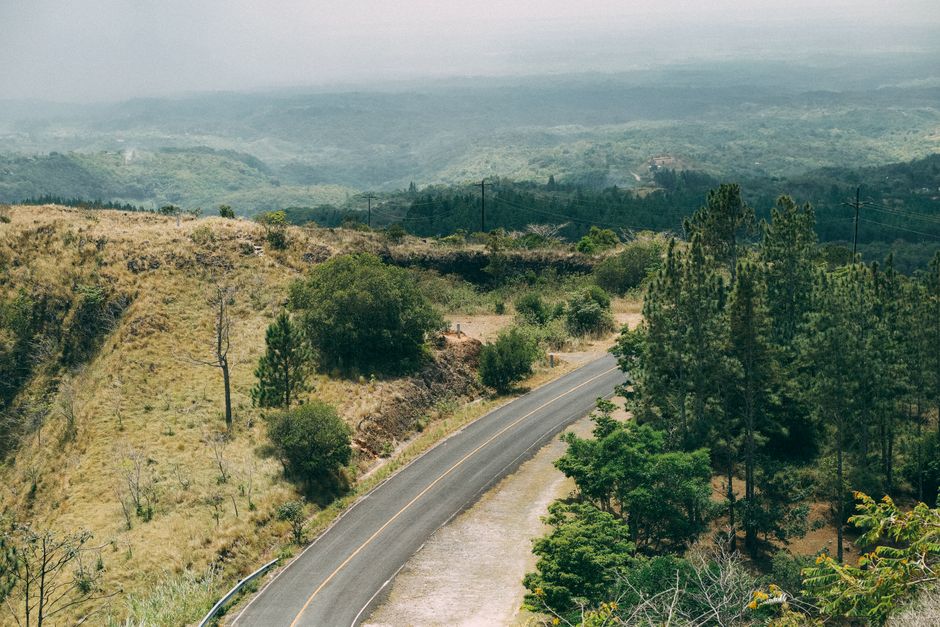
Panama’s Premier Road Trips: Unforgettable Journeys Across a Diverse Landscape
Panama, a slender isthmus connecting two continents, boasts a surprisingly rich tapestry of landscapes perfect for exploration by car. From the verdant cloud forests of the highlands to the sun-drenched shores of its Pacific and Caribbean coasts, road trips in Panama offer a dynamic blend of adventure, culture, and natural beauty. This guide delves into the best road trip itineraries, highlighting key attractions, driving considerations, and the unique experiences awaiting intrepid travelers.
1. The Pan-American Highway: The Backbone of Exploration
While the Pan-American Highway stretches for thousands of miles across the Americas, Panama’s segment is a crucial and rewarding artery. This iconic route offers a fantastic introduction to the country’s diverse offerings, allowing for a flexible journey tailored to individual interests.
-
The Route: The Pan-American Highway (Carretera Panamericana) enters Panama from Costa Rica in the west and traverses the country eastward, eventually reaching Yaviza, near the Darién Gap. While the highway itself is largely paved and well-maintained for much of its length, venturing off the main route is where the true magic of Panama unfolds.
-
Key Stops and Experiences:
-
Boquete: Nestled in the Chiriquí Highlands, Boquete is a haven for nature lovers and adventure seekers. Drive through winding mountain roads, surrounded by coffee plantations and cloud forests. Activities include hiking to waterfalls like Cascada San Ramón, exploring the Quetzal Trail in search of the resplendent quetzal, and sampling world-renowned Panama Geisha coffee. The drive from David to Boquete itself is scenic, offering breathtaking vistas.
-
Volcán Barú National Park: The highest point in Panama, Volcán Barú offers challenging hikes and the reward of panoramic views that on a clear day, can stretch to both the Pacific and Caribbean coasts. The drive to the park entrance is accessible, with paved roads leading up to the lower sections.
-
David: As Panama’s third-largest city and the capital of Chiriquí province, David serves as a convenient gateway to the highlands. It offers essential services, accommodations, and a glimpse into provincial Panamanian life.
-
Santiago and the Azuero Peninsula: Heading south from the Pan-American Highway, the Azuero Peninsula is a cultural heartland. This region is renowned for its folklore, traditional festivals, and beautiful beaches. Drive through rolling hills dotted with cattle ranches and picturesque towns.
-
Pedasí: A charming fishing town on the eastern tip of Azuero, Pedasí is a popular base for whale watching (seasonal), surfing at Playa Venao, and exploring nearby islands like Isla Iguana. The roads leading to Pedasí are generally well-maintained.
-
Chitré: The largest city on Azuero, Chitré is known for its pottery and a vibrant Carnival celebration. It offers a more urban experience compared to the coastal towns.
-
Las Tablas: Famous for its annual Carnival, Las Tablas is a cultural hub. The town itself is interesting to explore, with its colonial architecture and local artisan shops.
-
-
Panama City: The vibrant capital is the eastern terminus of the accessible Pan-American Highway. Here, modern skyscrapers meet historic Casco Viejo, a UNESCO World Heritage site. Explore the Panama Canal, stroll through the old city, and enjoy a cosmopolitan dining scene. The drive into Panama City can be busy, so be prepared for traffic.
-
Darién Gap (Cautionary Note): While the Pan-American Highway technically continues, it abruptly ends at Yaviza due to the impassable Darién Gap, a dense, undeveloped jungle. This section is not suitable for standard road travel and is a significant barrier to overland passage between North and South America.
-
-
Driving Considerations: The Pan-American Highway in Panama is generally paved and in good condition, but be aware of slower-moving trucks, potholes in some sections, and the possibility of livestock on rural roads. Driving at night is not recommended due to poor lighting and increased risks. GPS or reliable maps are essential.
2. The Caribbean Coast: From Colón to Bocas del Toro
This road trip offers a dramatically different experience, shifting from the bustling port city of Colón to the laid-back, tropical allure of Bocas del Toro. It’s a journey that emphasizes natural beauty, Afro-Caribbean culture, and island vibes.
-
The Route: The primary route involves driving east from Panama City towards Colón, then taking the scenic Highway 16 which hugs the Caribbean coast, eventually connecting to a ferry or small plane service for Bocas del Toro.
-
Key Stops and Experiences:
-
Portobelo National Park: Located east of Colón, Portobelo is a historic Spanish colonial port with well-preserved forts and fortifications, remnants of its strategic importance in the Spanish Empire. The drive to Portobelo is a scenic coastal road. Explore the San Lorenzo Castle and the town’s quaint harbor. Snorkeling and diving are excellent here.
-
Isla Grande: Accessible by a short boat ride from the mainland town of Portobelo, Isla Grande offers a laid-back Caribbean atmosphere with beautiful beaches and clear waters, perfect for swimming and snorkeling.
-
Colón: While a major port and often seen as a transit point, Colón has a fascinating history and is experiencing redevelopment. The Spanish influence is evident in some of its architecture. Be aware of your surroundings in certain areas of Colón.
-
The Drive Towards Almirante (Gateway to Bocas del Toro): This is where the road trip becomes truly adventurous. Highway 16 winds through lush rainforest and along the coastline. The road conditions can vary, with some sections being more rugged. The final stretch towards Almirante is paved but can be narrow.
-
Almirante: This small port town is the launching point for boats and water taxis to the islands of Bocas del Toro. You’ll need to leave your car in Almirante and continue your journey by water.
-
Bocas del Toro Archipelago: This collection of islands is a tropical paradise. Base yourself on Isla Colón (the largest island, connected to the mainland via ferry from Almirante) and explore by taxi, bike, or boat.
- Isla Colón: Visit the main town of Bocas Town, explore Red Frog Beach (known for its vibrant red frogs), and discover other beautiful beaches.
- Isla Bastimentos: Hike through the rainforest to stunning beaches and waterfalls.
- Cayo Zapatilla: A pristine, uninhabited island with crystal-clear waters, ideal for snorkeling.
- Dolphin Bay: Take a boat tour to see playful dolphins.
-
-
Driving Considerations: The drive from Panama City to Colón is primarily on a well-maintained highway. Highway 16 towards Almirante can be more challenging with narrower sections and varying road conditions. Be prepared for potential delays due to rain or roadwork. Parking in Almirante is usually at designated secure lots.
3. Highland Highlands: The Cooler Climates of Chiriquí
This road trip focuses on the cooler, mountainous interior of Panama, offering a stark contrast to the coastal heat. It’s a journey for those who appreciate lush landscapes, coffee culture, and outdoor activities.
-
The Route: This itinerary centers around the Chiriquí province, with its main hub being David, and branching out to towns like Boquete and Volcán. The Pan-American Highway provides access to David, from which well-maintained roads lead to the mountain towns.
-
Key Stops and Experiences:
-
David: As mentioned, David is the gateway to Chiriquí. Spend a day exploring its local markets, churches, and experiencing daily Panamanian life.
-
Boquete: This is the undisputed jewel of the Chiriquí Highlands. As detailed in the Pan-American Highway section, Boquete offers world-class hiking, birdwatching, coffee tours, and adventure sports like ziplining and white-water rafting. The drive from David to Boquete is a scenic ascent through verdant valleys and coffee plantations.
-
Volcán Town: Located west of Boquete, Volcán is a smaller, more rustic mountain town. It’s a great base for exploring Volcán Barú National Park and enjoying the cooler climate. The drive to Volcán is also picturesque.
-
Lake Fortuna: A beautiful reservoir offering stunning views and opportunities for fishing and hiking. The drive around the lake is scenic, though some sections might be unpaved.
-
Highland Farms and Reserves: Many small farms offer tours where you can learn about coffee cultivation, strawberry farming, and other agricultural practices unique to the highlands. Look for signs advertising these tours.
-
-
Driving Considerations: Roads leading to Boquete and Volcán from David are generally paved and well-maintained, though they are winding mountain roads. Be cautious on curves, especially in wet weather. The drive to the higher elevations of Volcán Barú National Park is paved but can be steep and challenging for some vehicles.
4. Pacific Coast Beaches: Sun, Surf, and Relaxation
For those seeking sun, sand, and surf, a road trip along Panama’s Pacific coast offers an abundance of options, from bustling beach towns to secluded coves.
-
The Route: This itinerary typically starts from Panama City and heads west along the Pan-American Highway, with numerous turn-offs leading to various beach destinations.
-
Key Stops and Experiences:
-
Punta Chame: A popular day-trip or weekend getaway from Panama City, Punta Chame is known for its long, sandy beach and opportunities for kiteboarding and windsurfing. The drive is straightforward, mostly on paved roads.
-
El Valle de Antón: While not strictly a beach destination, this stunning crater town is a worthwhile detour on the way to the coast. It offers cooler temperatures, hiking to waterfalls (Chorro El Macho, Chorro Las Mozas), a famous Sunday market, and the opportunity to see the endemic golden frog. The drive down into the crater is scenic.
-
Santa Clara and Coronado: These are more developed beach resort areas, offering a range of accommodations, restaurants, and activities. Coronado is known for its golf courses and upscale amenities.
-
Playa Venao (Azuero Peninsula): As mentioned earlier, Playa Venao on the Azuero Peninsula is a world-renowned surfing destination with a vibrant and laid-back atmosphere. The drive to Playa Venao involves taking the Pan-American Highway and then heading south onto the Azuero Peninsula. The final stretch to Playa Venao is often unpaved and can be rough, especially in the rainy season.
-
Las Lajas Beach: Located further west, near the town of Remedios, Las Lajas is a vast, relatively undeveloped beach known for its calm waters and excellent for long walks. The drive is on paved roads for the most part.
-
Isla Iguana Wildlife Refuge: Accessible by boat from Pedasí, this is a fantastic destination for snorkeling and observing abundant marine life and frigatebirds.
-
-
Driving Considerations: The Pan-American Highway is excellent. Roads leading to most beach towns are paved, though some access roads to more remote beaches or areas like Playa Venao can be unpaved and require a 4WD vehicle, especially during the rainy season. Be mindful of strong currents at some beaches.
Essential Considerations for Road Tripping in Panama:
- Vehicle Choice: For most main routes, a standard sedan is sufficient. However, if you plan to explore more remote beaches, unpaved mountain tracks, or venture into areas with potentially rough roads (like parts of Azuero or the road to certain remote beaches), a 4WD vehicle is highly recommended.
- Navigation: GPS devices or reliable smartphone navigation apps are crucial. Download offline maps, as cellular service can be spotty in rural areas.
- Road Conditions: While major highways are generally good, be prepared for potholes, especially after heavy rains. Rural roads can be unpaved and prone to erosion.
- Safety: Drive defensively. Be aware of slower-moving vehicles, bicycles, pedestrians, and livestock on roads. Avoid driving at night whenever possible due to poor lighting and increased risks.
- Fuel: Gas stations are readily available along the Pan-American Highway and in larger towns. It’s advisable to fill up when you have the opportunity, especially when venturing into more remote areas.
- Weather: Panama has two main seasons: the dry season (December to April) and the rainy season (May to November). The rainy season can bring heavy downpours, which can impact road conditions and make some areas impassable. Plan your trip accordingly.
- Documentation: Ensure you have your driver’s license, passport, and vehicle registration readily accessible.
- Flexibility: Road trips are about the journey. Be prepared for unexpected detours, spontaneous stops, and the joy of discovering hidden gems.
- Local Etiquette: Be respectful of local customs and traditions. Learn a few basic Spanish phrases, as English is not widely spoken outside of tourist hubs.
Panama’s compact size and diverse terrain make it an ideal destination for road trips. Whether you’re drawn to the misty highlands, the vibrant Caribbean coast, or the sun-drenched Pacific beaches, a self-drive adventure through Panama promises an unforgettable experience. Each route offers a unique perspective on this captivating Central American nation, revealing its natural wonders, rich culture, and the warmth of its people.


