Tag San Diego Comic Con
San Diego Comic-Con: A Deep Dive into the Ultimate Pop Culture Experience
San Diego Comic-Con International (SDCC) is the undisputed heavyweight champion of pop culture conventions, a colossal gathering that transcends its origins in comic books to encompass film, television, video games, toys, anime, manga, and a vast spectrum of creative industries. For industry professionals, passionate fans, and curious onlookers alike, SDCC represents an annual pilgrimage to a vibrant epicenter of creativity, innovation, and sheer unadulterated fandom. Its sheer scale is staggering, drawing hundreds of thousands of attendees to the San Diego Convention Center, transforming the Gaslamp Quarter into a sprawling, immersive universe for four days each July. The convention’s influence extends far beyond the physical event, shaping marketing campaigns, premiere schedules, and the very trajectory of popular culture for the year ahead. Understanding SDCC is to understand the pulse of modern entertainment.
The genesis of San Diego Comic-Con can be traced back to 1970, when a small group of comic book enthusiasts, including Shel Dorf, Richard Alf, and Mike Friedrich, launched the Golden State Comic-Con. Initially focused on the burgeoning comic book industry, it was a modest affair held at the Bahia Hotel. Over the decades, its scope expanded exponentially. The name officially changed to San Diego Comic-Con International in 1995, reflecting its growing global appeal. This evolution mirrors the diversification of the entertainment landscape itself, from niche interests to mainstream phenomena. The convention’s enduring success lies in its ability to adapt and embrace new forms of storytelling and fan engagement. Each year, organizers strive to balance the needs of established industries with the burgeoning independent creators, fostering an environment where both can thrive. This careful curation is crucial to maintaining its relevance and appeal to an ever-widening audience.
The core of SDCC, for many, remains its programming. The convention boasts an unparalleled schedule of panels, Q&As, and presentations featuring the biggest names in entertainment. These events, often held in massive halls like Hall H, are legendary. Hall H, with a capacity of over 6,000, is where studios debut exclusive footage from highly anticipated films, surprise guests make appearances, and major announcements are made, generating thunderous applause and widespread media coverage. From Marvel Studios and DC Comics revealing their future cinematic universes to major television networks previewing their flagship shows, Hall H is the nexus of industry-driven hype. Beyond the blockbuster presentations, SDCC offers a treasure trove of niche programming catering to every conceivable interest. Dedicated panels explore the intricacies of manga, the evolution of independent animation, the craft of comic book writing and art, and the future of video game development. These smaller, more intimate sessions provide invaluable insights and opportunities for direct interaction with creators and experts.
Beyond the panels, the exhibition hall is a sprawling marketplace of pop culture delights. Booths from major studios, toy manufacturers, comic book publishers, and independent artists create a vibrant and overwhelming sensory experience. Attendees can browse and purchase the latest merchandise, discover unique collectibles, and interact with their favorite brands. The sheer variety of products available is astounding, ranging from limited-edition action figures and comic book variants to art prints, apparel, and custom-made crafts. For collectors, the exhibition hall is a hallowed ground, offering rare finds and the chance to snag exclusive items released only at the convention. Independent creators and small presses also have a significant presence, providing a platform for emerging talent and a vital space for fans to discover new and exciting voices in the comic book and art world. This dynamic marketplace is a crucial element of the SDCC ecosystem, supporting creators and offering attendees a tangible connection to the products and stories they love.
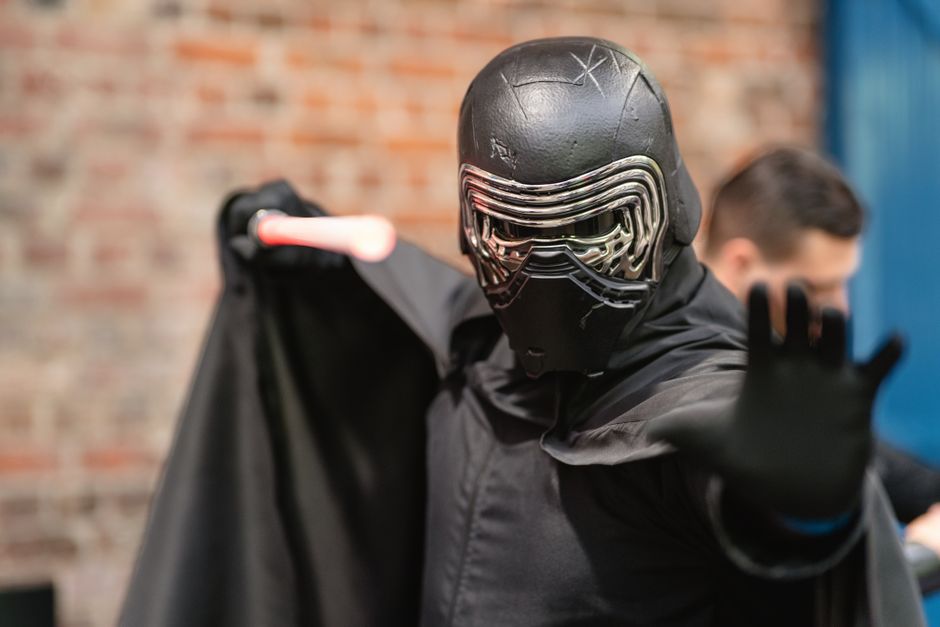
Cosplay is an integral and vibrant component of the San Diego Comic-Con experience. It’s a powerful form of fan expression, where attendees meticulously craft costumes to embody their favorite characters from comics, movies, TV shows, video games, and beyond. The creativity and skill on display are often breathtaking, with cosplayers dedicating countless hours and resources to bringing their visions to life. The convention floor becomes a living, breathing gallery of pop culture characters, fostering a sense of community and shared passion. Cosplay contests, such as the prestigious Eisner Awards masquerade, celebrate the artistry and dedication of cosplayers, offering recognition and prizes for outstanding craftsmanship. Beyond the competitive aspect, cosplay at SDCC is a celebration of identity and a way for fans to actively participate in the worlds they admire. It’s a testament to the immersive nature of the convention, where the lines between spectator and participant blur.
The business of San Diego Comic-Con is as significant as its entertainment value. The convention serves as a crucial launchpad for new projects, a testing ground for marketing strategies, and a vital networking hub for industry professionals. Studios use SDCC to gauge audience reaction to trailers and early footage, generating buzz and shaping public perception. Comic book publishers announce new series, creative team changes, and major story arcs, influencing the direction of the industry. Toy companies unveil their latest offerings, often with limited editions exclusive to the event. Video game developers showcase gameplay, character reveals, and release dates. For independent creators, SDCC offers unparalleled opportunities to connect with publishers, agents, and potential collaborators, as well as to build a direct relationship with their audience. The sheer density of industry players present makes SDCC an indispensable event for anyone serious about a career in pop culture.
The impact of San Diego Comic-Con extends far beyond the convention center walls. News and announcements made at SDCC often dominate entertainment headlines for weeks, influencing box office performance, television ratings, and video game sales. The phenomenon of "con exclusives" has become a significant marketing strategy, driving demand and creating a secondary market for sought-after items. The convention’s ability to generate massive social media engagement and organic buzz makes it an invaluable platform for promoting upcoming releases. Furthermore, SDCC has played a pivotal role in legitimizing comic books and popular culture as a significant artistic and commercial force. What was once considered a niche hobby has, in large part due to the advocacy and platform provided by SDCC, evolved into a dominant cultural influence.
Navigating San Diego Comic-Con requires careful planning and strategic thinking. The sheer volume of attendees and events can be overwhelming. Purchasing tickets well in advance is essential, as they often sell out within minutes of release. Developing a schedule of desired panels, autograph sessions, and exhibition hall visits is crucial for maximizing the experience. Utilizing the official SDCC mobile app or website for up-to-date schedule information and exhibitor listings is highly recommended. Understanding the layout of the convention center and the surrounding Gaslamp Quarter is also beneficial. Many attendees opt to stay in hotels within walking distance of the convention center, though booking these accommodations months, or even a year, in advance is often necessary.
The fan experience at San Diego Comic-Con is multifaceted and deeply personal. For some, it’s the thrill of seeing their favorite actors or creators in person, the electrifying atmosphere of a premiere screening, or the joy of discovering a new comic book that resonates deeply. For others, it’s the camaraderie with fellow fans, the shared excitement of a massive announcement, or the opportunity to express their passion through cosplay. The convention fosters a unique sense of belonging, a collective celebration of shared interests that transcends age, background, and geographical location. This communal aspect is a powerful draw, creating lasting memories and forging connections that extend far beyond the four days of the event.
Despite its immense success, San Diego Comic-Con faces ongoing challenges. The ever-increasing demand for tickets and the limited capacity of the convention center create a constant struggle for exclusivity and accessibility. Concerns about overcrowding, long lines, and the environmental impact of such a large-scale event are also part of the ongoing conversation. Organizers continuously grapple with balancing the needs of major studios and established franchises with the desire to support independent creators and emerging talent. Maintaining the convention’s core identity as a celebration of all facets of pop culture while adapting to the evolving media landscape remains a constant endeavor.
Looking ahead, San Diego Comic-Con is poised to continue its reign as the preeminent pop culture gathering. The continued growth of streaming services, the burgeoning influence of global entertainment markets, and the ever-evolving nature of fandom will undoubtedly shape its future. Virtual elements and hybrid approaches to content delivery may become more integrated, while the core appeal of in-person connection and shared experience is likely to remain paramount. The convention’s ability to adapt, innovate, and consistently deliver an unparalleled experience for fans and industry professionals alike will ensure its enduring relevance for years to come. San Diego Comic-Con is not just an event; it’s a cultural phenomenon, a benchmark for the industry, and a testament to the enduring power of popular storytelling.