Collectible New York 2026: A New Frontier for Avant-Garde Design in the Heart of the Upper East Side

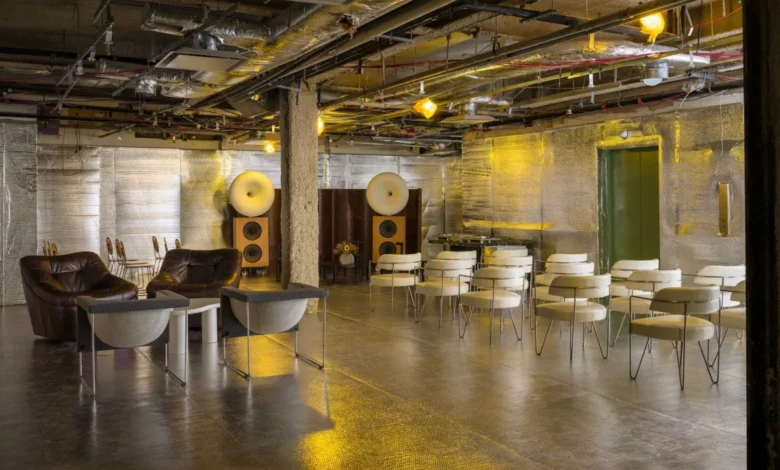
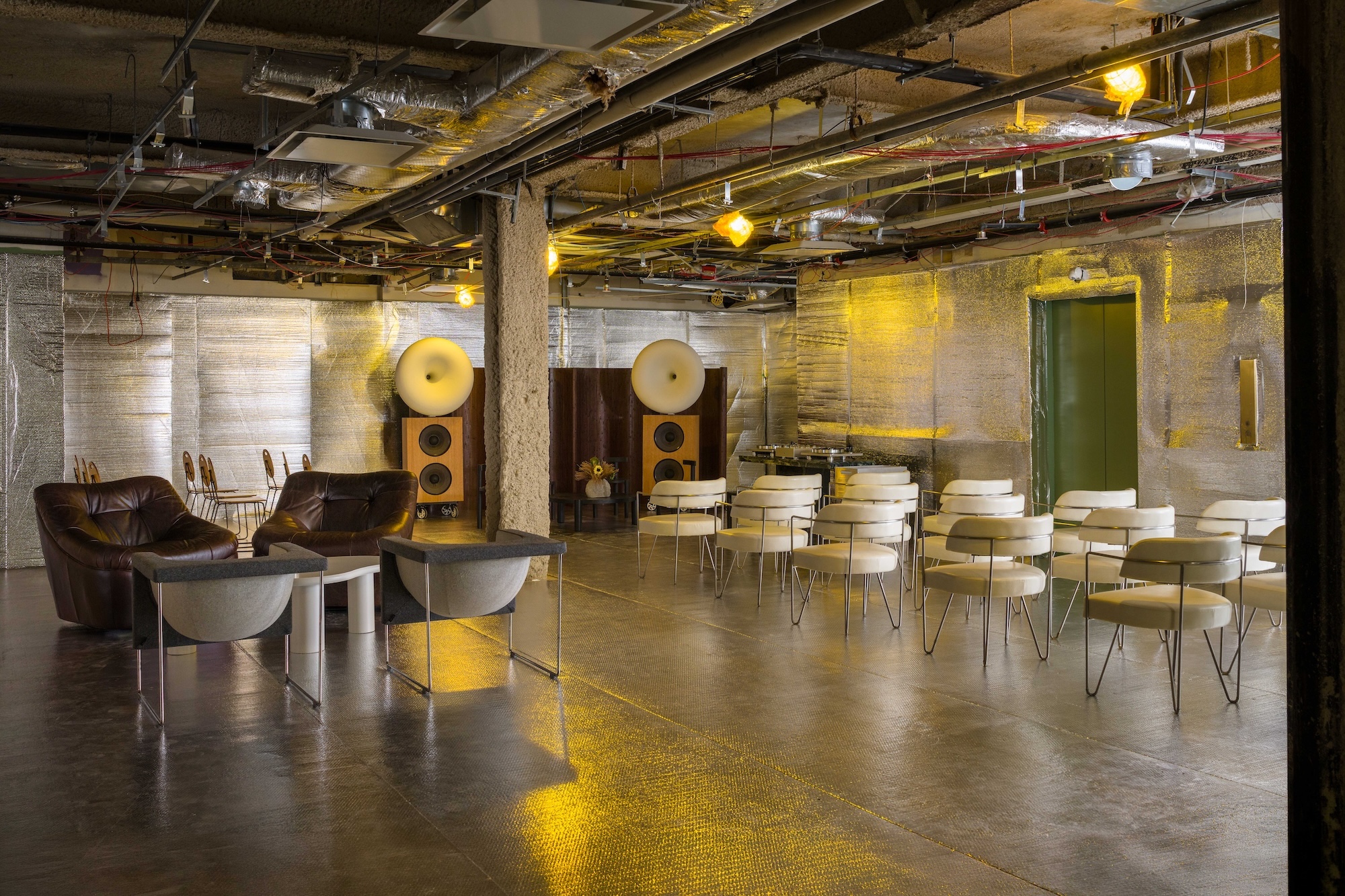
The landscape of contemporary design fairs has long been dominated by blue-chip legacy events, but the rise of Collectible, founded in Brussels in 2017, represents a definitive shift toward the experimental, the independent, and the avant-garde. Following its successful stateside expansion in 2023, the fair has solidified its position in the New York cultural calendar, moving its 2026 edition to an evocative November time slot. Occupying the former AMC Orpheum 7 cinema on the Upper East Side—a space currently awaiting transformation into an upscale culinary market—the fair has curated a showcase of 110 international talents from 27 countries, offering a rare window into the future of collectible furnishings.
The Evolution of a Design Phenomenon
When Liv Vaisberg and Clélie Debehault launched Collectible in Brussels, their mission was distinct: to strip away the traditional gatekeeping mechanisms of the design world and provide a platform for designers to sell directly to collectors, architects, and interior designers. Unlike traditional trade shows that prioritize mass-market appeal or historical antiques, Collectible is strictly limited to 21st-century works.
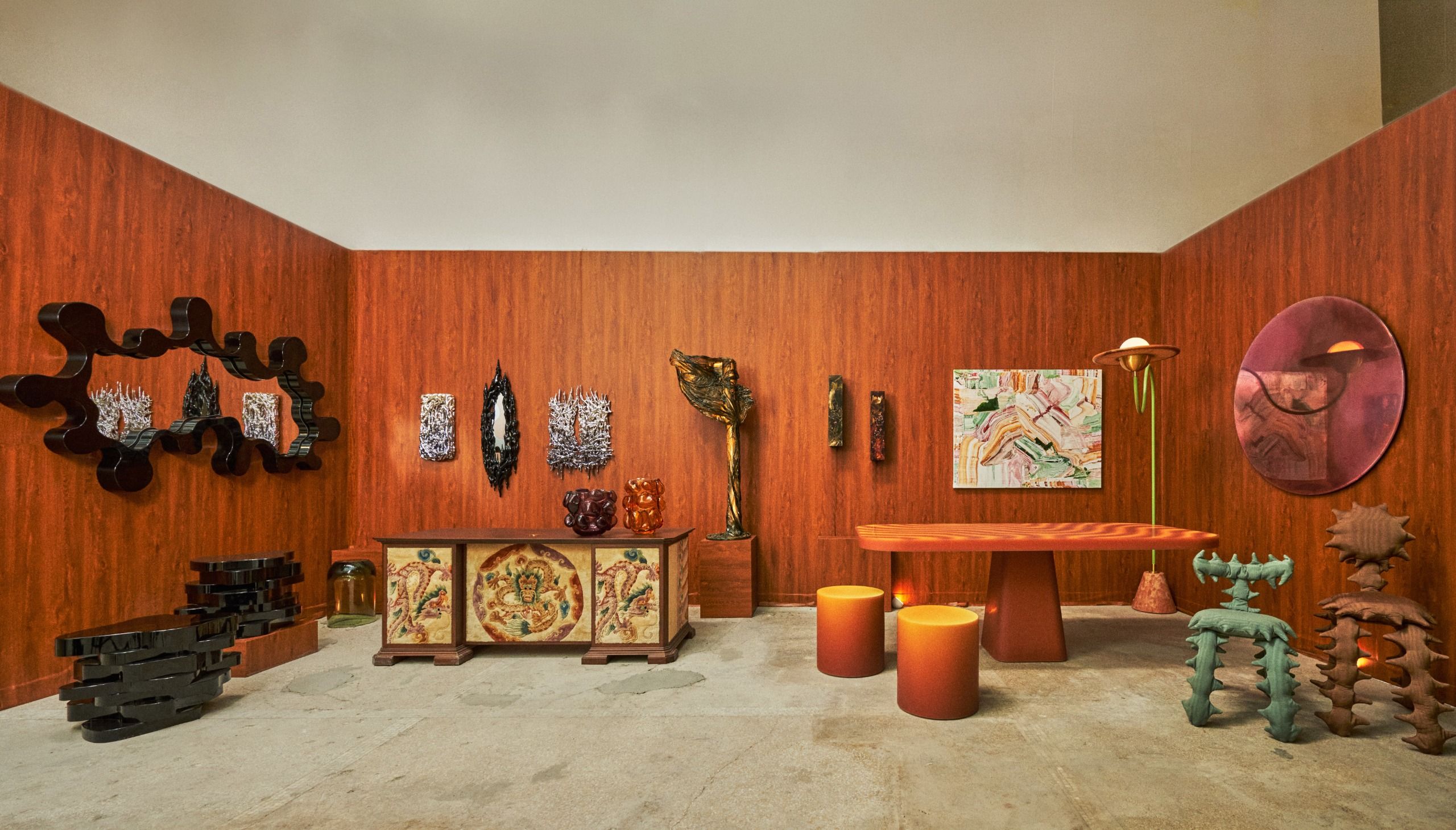
The expansion into the United States was not merely a geographic pivot but a strategic response to a growing demand for limited-edition, artisanal works in a market saturated by high-end commercial interiors. Since 2023, the fair has served as a critical nexus for the "collectible design" movement—a sector that occupies the porous boundary between functional furniture and fine art. By positioning itself in November, Collectible New York deliberately distinguishes itself from the more established Salon Art + Design and the hospitality-focused BDNY, creating a distinct counter-narrative that champions the unconventional.
Materiality and the New Industrial Aesthetic
The 2026 edition of the fair is defined by a rigorous exploration of material science. Within the raw, double-height volumes of the former cinema’s projection booths and screening rooms, the exhibition layout emphasizes the tactile and the experimental.
Prominent displays include the latest ceramic investigations by New York-based Streicher Goods, which emphasize organic, hand-glazed textures that contrast sharply with the sterile environment of a traditional white-cube gallery. Similarly, the presentation by Jamieri, featuring the work of Studio Gypsandconcrete, highlights a trend toward industrial alchemy. Their bent stainless-steel mirrors manipulate light and space, turning the act of reflection into a sculptural event.
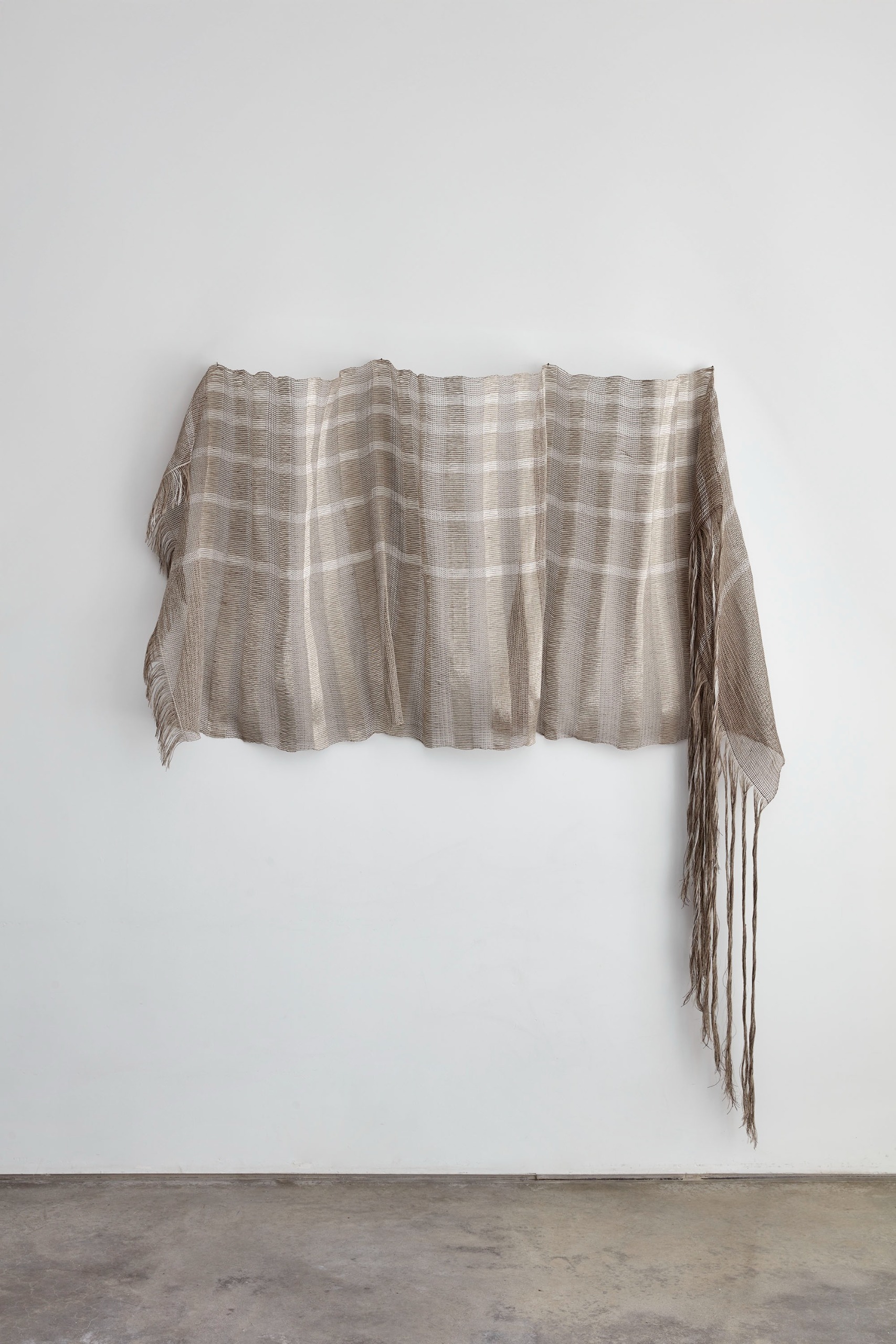
This preoccupation with material goes beyond the decorative. Anjuli Bernstein’s pictorial tapestries, woven from non-traditional fibers, challenge the static nature of wall art, while Louis Filosa’s "Scentry" project introduces olfactory design into the furniture category. By integrating perfume-diffusing lamps that evoke specific human narratives, Filosa suggests that collectible design is moving toward a multisensory experience. Furthermore, the presence of Ka’b Juun—the first permanent Mexican design gallery in New York—underscores a global commitment to sourcing endemic materials, showcasing works that prioritize indigenous geological resources over synthetic alternatives.
The Rise of the Next-Generation Heirloom
A central theme of the 2026 fair is the redefinition of the "heirloom." In an era of rapid consumption, the designers represented at Collectible are focused on longevity and narrative depth. Coryander Friend, founder of the Montana-based gallery Placed, posits that we are currently witnessing a Fourth Industrial Revolution in the design sector. She argues that the modern designer is no longer just a creator, but a polymathic technician who synthesizes disparate skill sets—ranging from digital fabrication to ancient craft techniques.
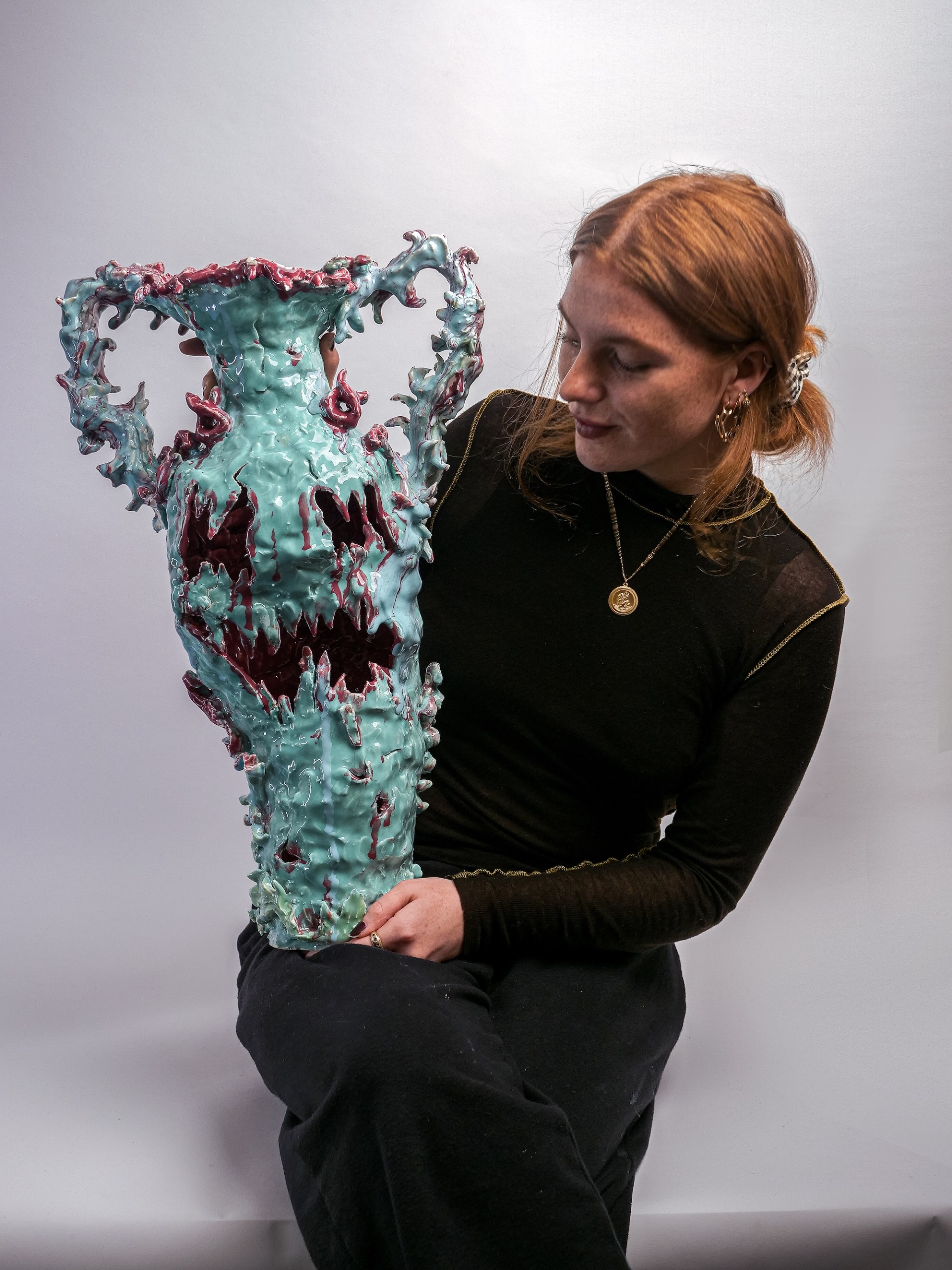
Friend’s curation, titled ‘A Future for History’, highlights the tension between the archaic and the futuristic. The inclusion of Faye Hadfield’s "toothy" ceramics and Wretched Flowers’ chainmail lampshades illustrates a desire to reclaim ornamentation. As Friend notes, for designers to sustain their practices in a high-cost environment, they must embrace a "baroque" complexity—a strategy that creates high-value objects capable of enduring as generational assets.
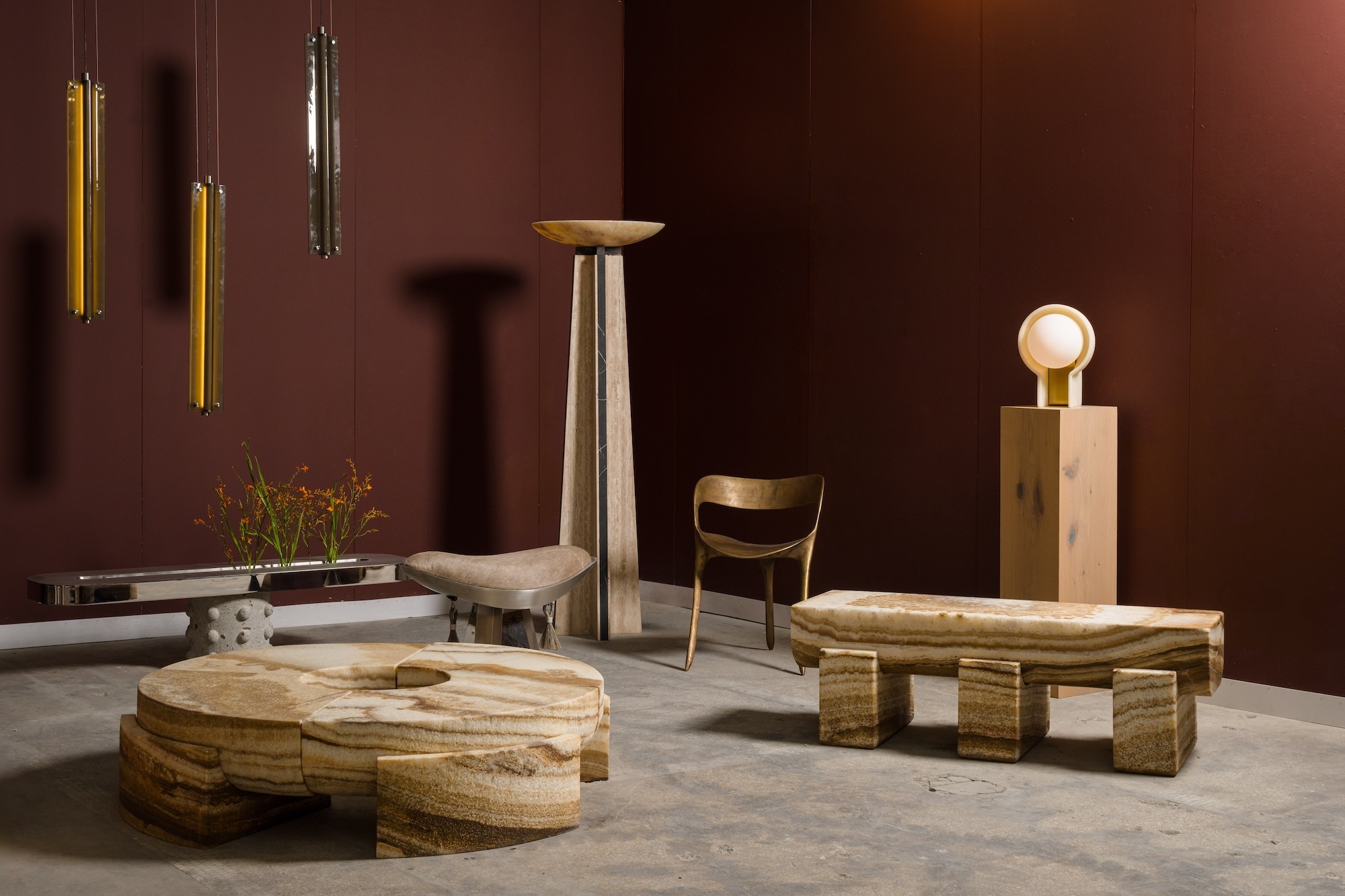
This sentiment is mirrored in the work of emerging studios like Overt Cove, which utilizes upcycled telecommunication materials to construct intricate room dividers, and Bunce Studio, whose precision-engineered benches and shelves represent the pinnacle of modern industrial refinement. By elevating materials that might otherwise be discarded, these designers are crafting a new provenance for the 21st century.
Subverting the Corporate Narrative
Perhaps the most poignant commentary on the state of contemporary design is the "Human Resources" installation curated by Alex Tieghi-Walker of the downtown gallery TIWA Select. Installed as a "corporate fantasy," the exhibit arranges office cells populated with sculptural furniture by Tino Seubert and Adi Asia.
The installation acts as a critique of the traditional workspace. By introducing whimsical, highly artistic, and overtly impractical objects into a corporate setting, Tieghi-Walker invites visitors to imagine a professional environment that prioritizes inspiration over efficiency. "The installation is an invitation to designers to imagine a different kind of working environment," Tieghi-Walker states. "One that makes room for personality, surprise, and the unexpected." This subversion of the office cell serves as a microcosm for the fair itself: a place where the utilitarian is constantly being renegotiated in favor of the artistic.
Economic and Cultural Implications
The success of Collectible New York 2026 points to a broader transformation in the design economy. Data from the fair organizers indicates a 20% increase in attendance from institutional buyers and international museum curators compared to the 2025 cycle. This shift suggests that the market for contemporary, limited-edition furniture is maturing, with private collectors increasingly viewing design pieces as essential components of a diversified art portfolio.
From an economic perspective, the fair’s decision to occupy non-traditional, transitional spaces—such as the Orpheum 7—serves a dual purpose. It reduces overhead costs while simultaneously providing a unique, site-specific backdrop that reinforces the "experimental" brand identity. The impending transformation of the venue into a high-end food market is, in itself, a reflection of the rapid gentrification and cultural churn of the Upper East Side, placing the fair at the center of the neighborhood’s ongoing evolution.
Looking Ahead
As the 2026 edition concludes, the implications for the broader design industry are clear. The era of the "all-purpose" designer is waning, replaced by a generation of makers who are deeply invested in the intersection of ethics, technology, and aesthetic history. The fair has successfully proved that there is a viable, sustainable market for work that refuses to adhere to the constraints of mass production.
For the participants, the validation offered by the New York audience is crucial. As co-founder Liv Vaisberg observes, the enthusiastic engagement of the local design community has "affirmed our place in the city." This, combined with the increasing cross-pollination between art galleries and design studios, suggests that Collectible will continue to be a primary driver of discourse in the decorative arts.
The fair is not merely a shopping destination but a barometer for the cultural values of the mid-2020s. By prioritizing the independent spirit, encouraging material innovation, and challenging the sterility of the modern workspace, Collectible New York has cemented its role as an essential fixture in the global design calendar. The work displayed in the halls of the Orpheum 7 serves as a testament to the fact that when design is stripped of the mandate to be purely functional, it gains the capacity to be profoundly transformative. As the curtain falls on the 2026 iteration, the focus shifts to the legacy these objects will leave behind—not just as items of furniture, but as cultural markers of an age that chose to value the experimental over the mundane.