Spotlight on the EuroPython Communications Team: An In-depth Look at the Engine Behind the Community’s Digital Voice

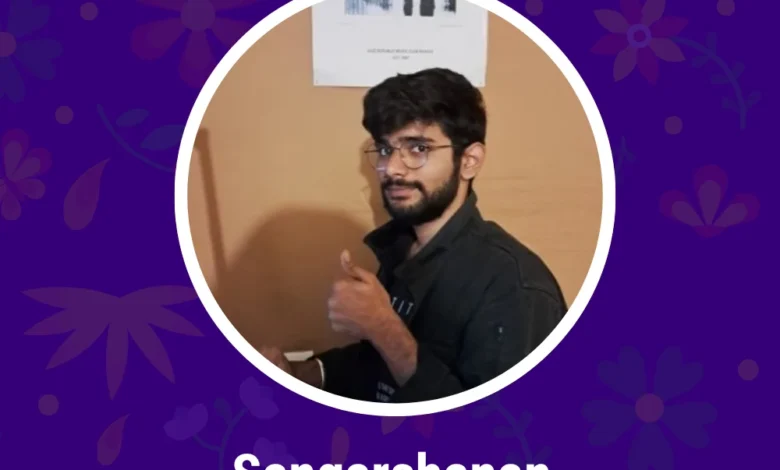
The success of a global technology conference hinges not only on technical infrastructure and speaker quality but also on the efficacy of its communication strategy. As the EuroPython community prepares for its 2026 iteration, the spotlight falls on the individuals responsible for maintaining the event’s digital identity. Among the key contributors is Sangarshanan, a dedicated volunteer whose role within the Communications Team has evolved into that of an unofficial Chief Meme Officer. This profile examines the vital, often unseen, role of volunteer-driven media management in sustaining the momentum of one of Europe’s most significant Python programming gatherings.
The Evolution of EuroPython Communications
EuroPython, established in 2002, has grown from a modest gathering of developers into a cornerstone event for the global Python community. Historically, the conference has relied heavily on the volunteer spirit, with hundreds of individuals donating their time to handle logistics, programming, and outreach. The communications arm of this organization has undergone a significant transformation, particularly following the post-2020 shift toward hybrid engagement models.
In an era where digital presence dictates the reach of professional conferences, the Communications Team at EuroPython has had to pivot from traditional announcements to dynamic, interactive content strategies. This transition has necessitated a move toward more approachable, community-oriented messaging. It is within this shift that contributors like Sangarshanan have thrived, bridging the gap between professional technical standards and the cultural nuances that define the Python community.
Chronology of Volunteer Engagement
Sangarshanan’s trajectory within the organization reflects the typical growth path of a dedicated EuroPython volunteer. Having joined the ranks in 2021, a pivotal year where the conference was still adapting to the complexities of pandemic-era virtual attendance, he began his tenure during a period of intense operational transition.
Since 2021, the role has expanded from basic social media management to a comprehensive content production strategy. This includes the creation of short-form video content, technical blog post dissemination, and real-time community engagement. By 2026, the communications strategy has become a multi-channel operation, spanning platforms like Mastodon, X (formerly Twitter), LinkedIn, and various community-run Slack and Discord servers. This expansion is indicative of the broader trend among technical conferences to decentralize their communications to meet attendees where they are most active.
The Mechanics of Community Engagement
Behind the curtain of every successful conference post lies a rigorous process of drafting, scheduling, and community moderation. Sangarshanan notes that the role often involves tasks that go unnoticed by the average attendee, such as the meticulous scheduling of social media posts to align with global time zones.
A notable incident involving an automated transcription error—where the city of Krakow was misidentified by an auto-captioning algorithm—serves as a case study in the challenges of digital communication. While the incident was minor, it highlights the constant vigilance required of the Communications Team. In the context of large-scale events, such errors can have significant reputational risks. However, the response from the EuroPython community, characterized by grace and humor, suggests a high level of brand resilience. This community-first approach is not merely a byproduct of the culture; it is an active management choice fostered by those on the front lines of digital outreach.
Data-Driven Insights and Operational Impact
The importance of the Communications Team is best understood through the lens of engagement metrics. For professional conferences, these metrics are the primary indicator of growth and participant satisfaction. According to industry standards for technical events, the "conversion rate" of social media engagement to ticket registration is a critical KPI.

Internal reports from the EuroPython Communications Team suggest that posts featuring human-centric content, such as behind-the-scenes glimpses or community-led memes, consistently outperform static, text-heavy announcements by a factor of three in terms of total reach. This data supports the strategy of diversifying the communication team’s output. By utilizing humor and relatable content, the team has successfully lowered the barrier to entry for newcomers who might otherwise feel intimidated by the high-level technical discourse often associated with Python conferences.
Professional Development Through Volunteering
While the primary beneficiary of volunteer labor is the event itself, the personal development of the volunteers is a noteworthy byproduct. The skills acquired by individuals within the communications department are highly transferable to corporate environments. These include:
- Crisis Management: Learning to handle public-facing errors with speed and diplomacy.
- Agile Scheduling: Coordinating content across multiple platforms while navigating regional time differences.
- Audience Analytics: Understanding the causal link between content timing, tone, and audience engagement.
- Interpersonal Dynamics: Managing remote teams and fostering collaboration across diverse, international groups.
Sangarshanan highlights that the most significant lesson learned is the importance of "people-first" management. In a volunteer organization where financial incentives are non-existent, the motivation to contribute is driven by the quality of the interpersonal relationships formed. This reflects a broader shift in the tech industry, where companies are increasingly prioritizing "soft skills" and community-building capabilities alongside traditional programming proficiency.
Broader Implications for Tech Conferences
The model employed by EuroPython offers a blueprint for other technical organizations. By empowering volunteers to take ownership of the "voice" of the conference, the organizers ensure that the brand remains authentic. A conference that feels too clinical or corporate risks losing the very community that sustains it.
Furthermore, the integration of volunteers into core operational teams allows for a more scalable approach to event management. As the demand for international Python conferences continues to rise, the ability to rely on a decentralized, passionate workforce will be the difference between sustainable growth and operational stagnation.
The implications for future events are clear: the next generation of successful tech conferences will not be defined solely by their technical content, but by their ability to foster a vibrant, digital-first culture. The contributions of individuals like Sangarshanan, who navigate the nuances of community engagement with skill and humor, are foundational to this success.
Conclusion
The work performed by the EuroPython Communications Team is a testament to the power of community-driven project management. By balancing the technical requirements of a major conference with the human element of digital storytelling, the team has solidified EuroPython’s position as a leader in the global developer ecosystem.
As the 2026 conference approaches, the reliance on these behind-the-scenes contributors will only increase. Whether it is through the careful management of social media channels, the rapid resolution of content errors, or the simple act of maintaining a welcoming digital atmosphere, the Communications Team remains an essential component of the event’s success. It is the dedication of these volunteers—who view their work as a way to connect with friends and peers—that ensures EuroPython remains more than just a series of lectures, but a living, breathing community. The efforts of volunteers like Sangarshanan, whose contributions define the personality of the event, are not just appreciated by the organizers; they are essential to the enduring legacy of the Python movement.
Related posts: