John Kenn Mortensen brings his signature macabre aesthetic to the gaming world with the launch of the dark fantasy roguelike FLASK

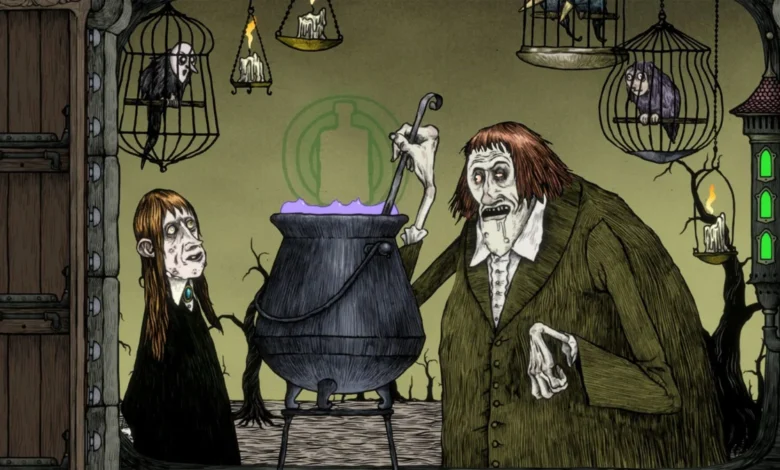
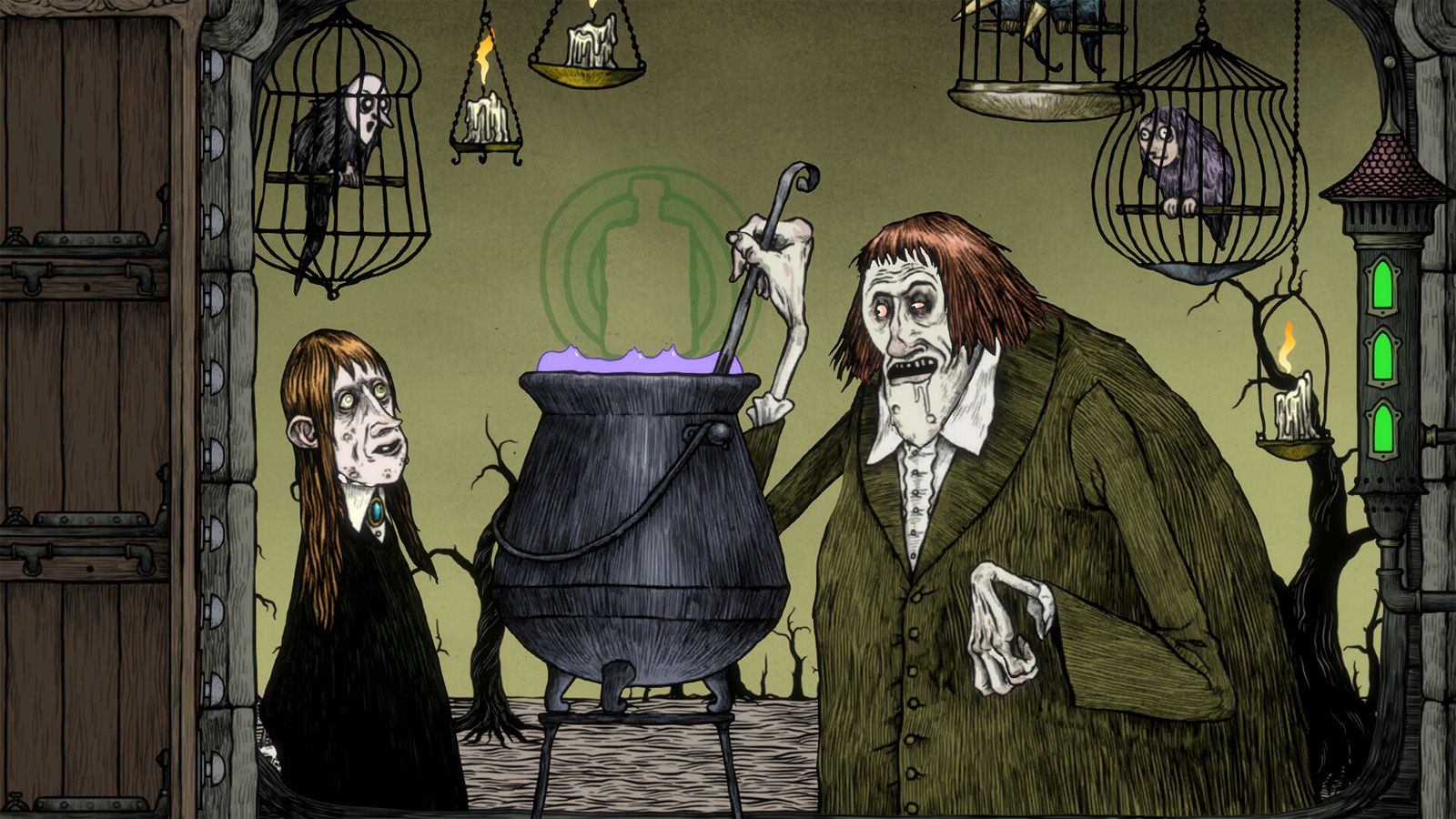
Halloween season often invites a fascination with the macabre, and for artist John Kenn Mortensen, the shadows have always been his primary canvas. Known for his unsettling, ink-heavy illustrations of grotesque creatures and eerie oddballs, Mortensen has carved out a distinct niche in the art world. His work, often described as a glimpse into a dark room with a door left slightly ajar, has now found a new medium: video game development. With the release of FLASK, a dark fantasy roguelike deckbuilder developed by Chop Chop Games, Mortensen has transitioned from his traditional pen-and-paper roots into the collaborative, digital landscape of interactive media.
The Artistic Evolution of a Dark Visionary
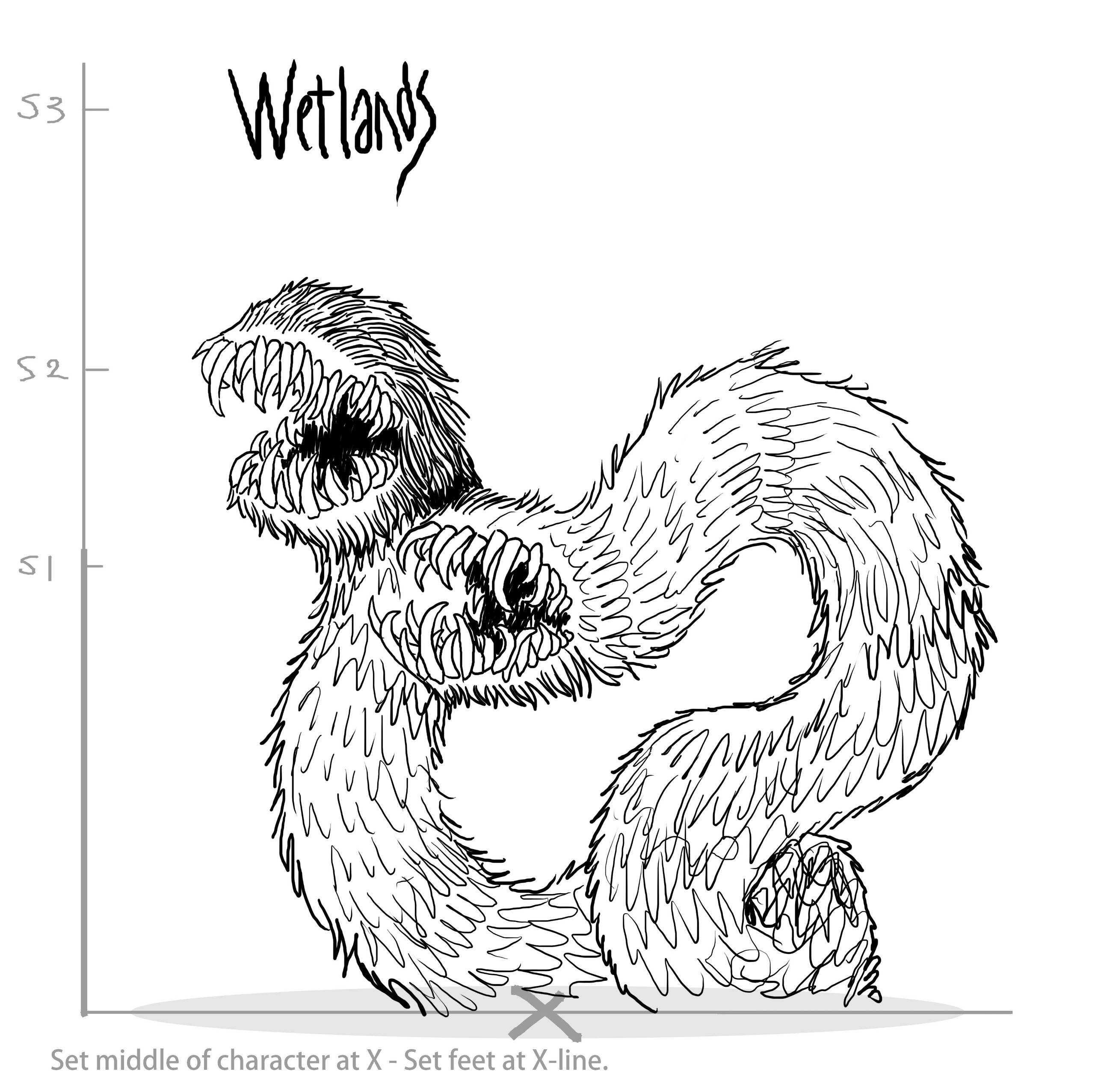
For years, John Kenn Mortensen has operated primarily as a solo artist, building a career defined by monochromatic, hand-crafted illustrations that have appeared in books, comics, and animation projects. His style is characterized by intricate line work and a penchant for the grotesque, traits that have earned him a dedicated following. The challenge of translating this static, pen-on-paper aesthetic into a functional video game environment represents a significant pivot in his creative process.
In FLASK, the visual identity of the game is rooted in a deliberate blend of influences. Mortensen cites the 1986 Jim Henson cult classic Labyrinth as a foundational inspiration, alongside the aggressive energy of thrash metal legends Slayer. This unlikely combination serves as the bedrock for the game’s aesthetic, which balances high-fantasy tropes with a gritty, medieval atmosphere and a dry, dark sense of humor. The game’s premise—which involves a wizard grappling with the mundane burden of a mortgage on his tower while navigating a realm of nightmares—perfectly encapsulates this juxtaposition.

Navigating the Transition to Game Development
The development of FLASK, a project currently available on Steam, required a departure from Mortensen’s solitary workflow. In an interview, the artist emphasized that the transition to game design was facilitated by the expertise of the team at Chop Chop Games, specifically co-founders Dario and Michael.
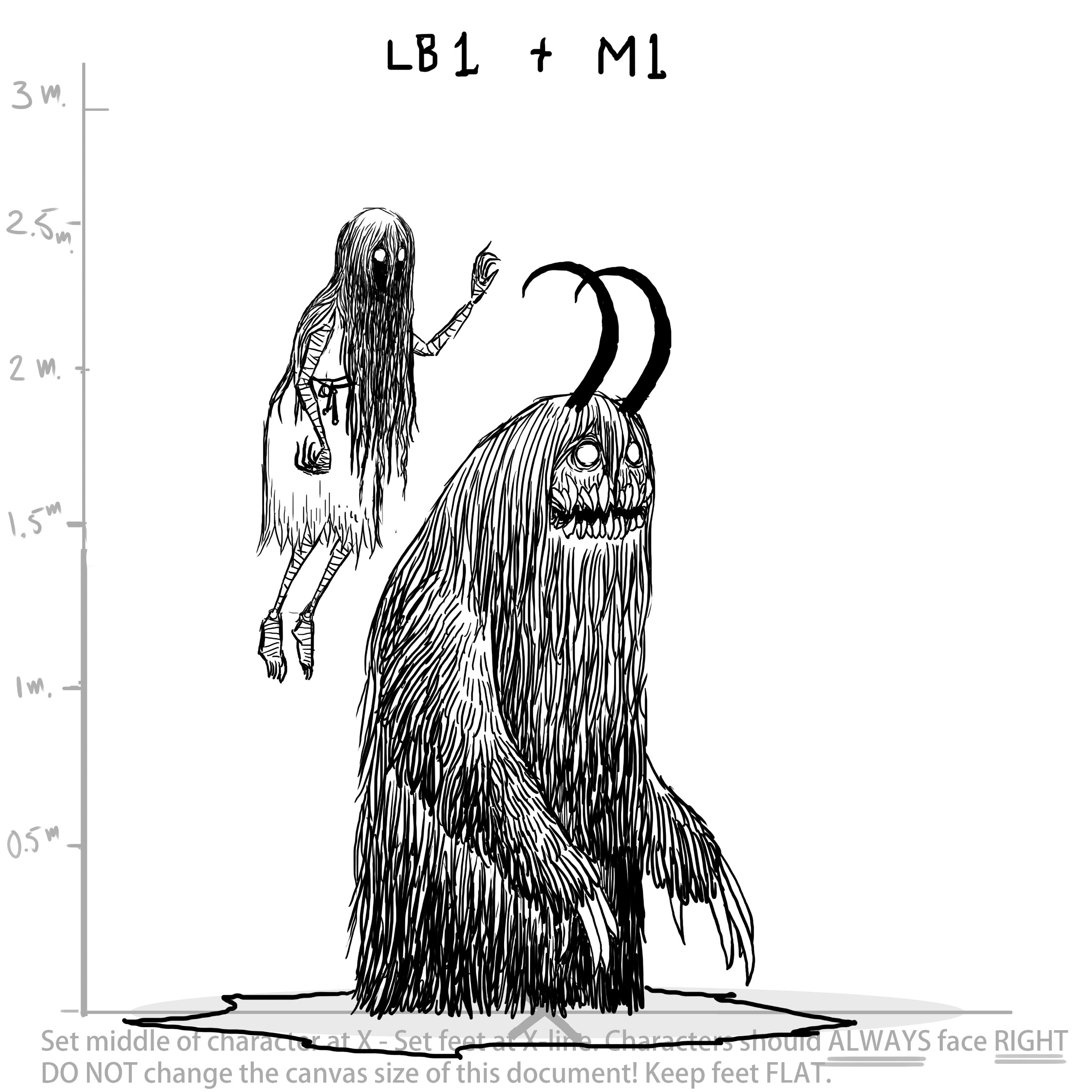
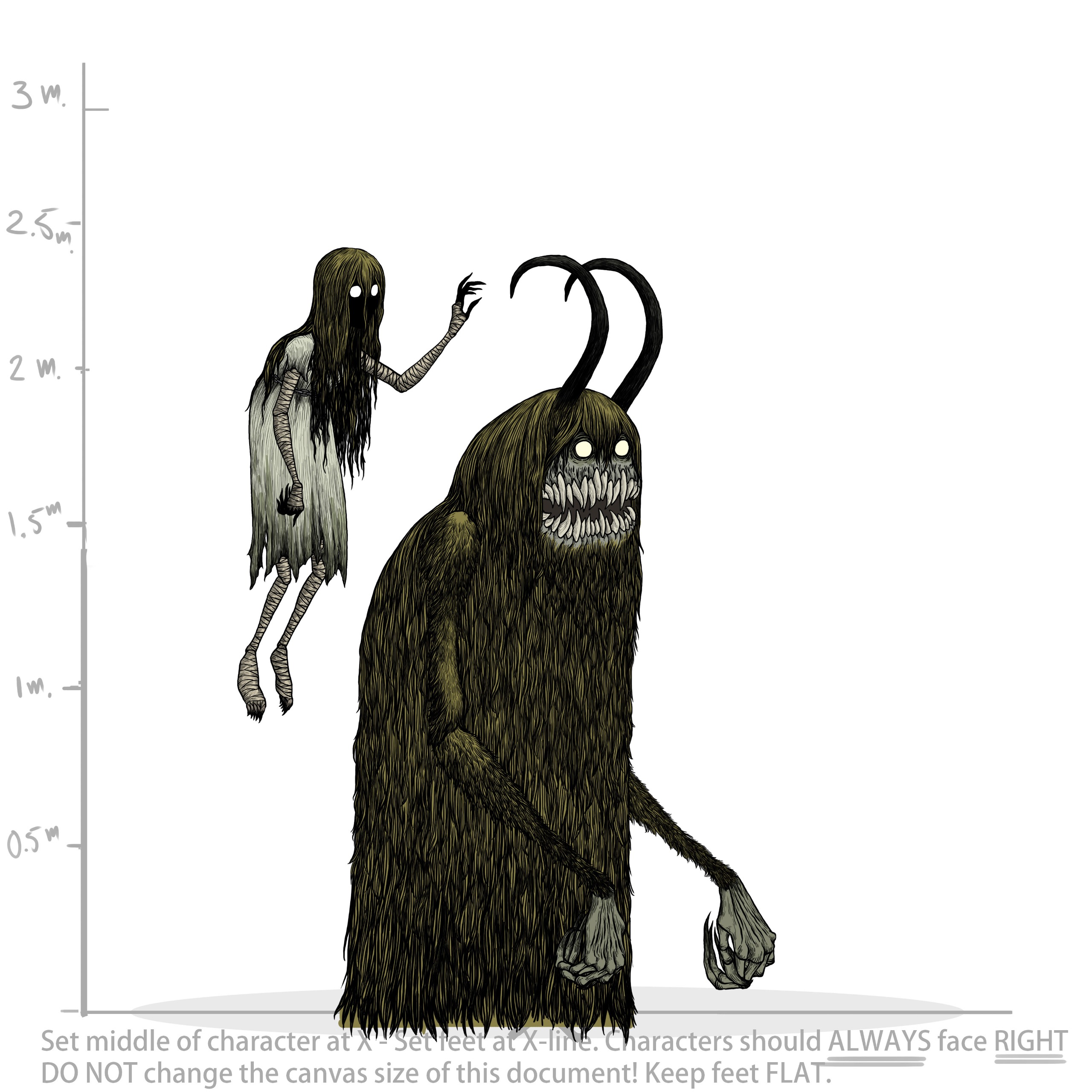
"It has been hard, and I don’t really know… it comes down to the art team; they are amazing to work with, and have been a huge support in bringing my monstrous creatures to life," Mortensen noted. One of the most significant technical hurdles identified by the artist was the incorporation of color and lighting. Because Mortensen’s portfolio is almost exclusively black and white, the process of integrating his designs into a digital format required the addition of highlights, shadows, and a color palette that could maintain the "hand-crafted" feel while ensuring gameplay readability.
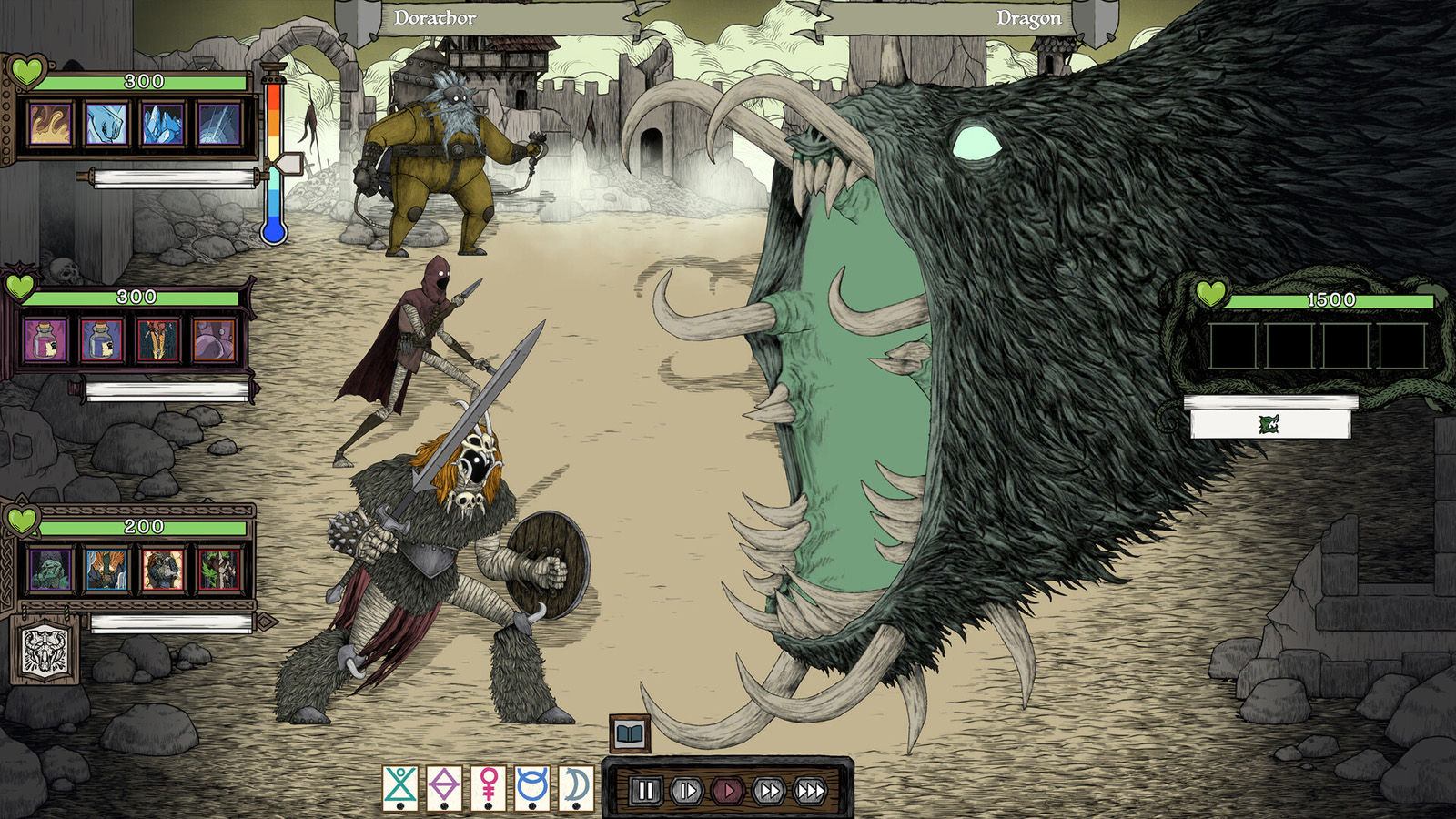
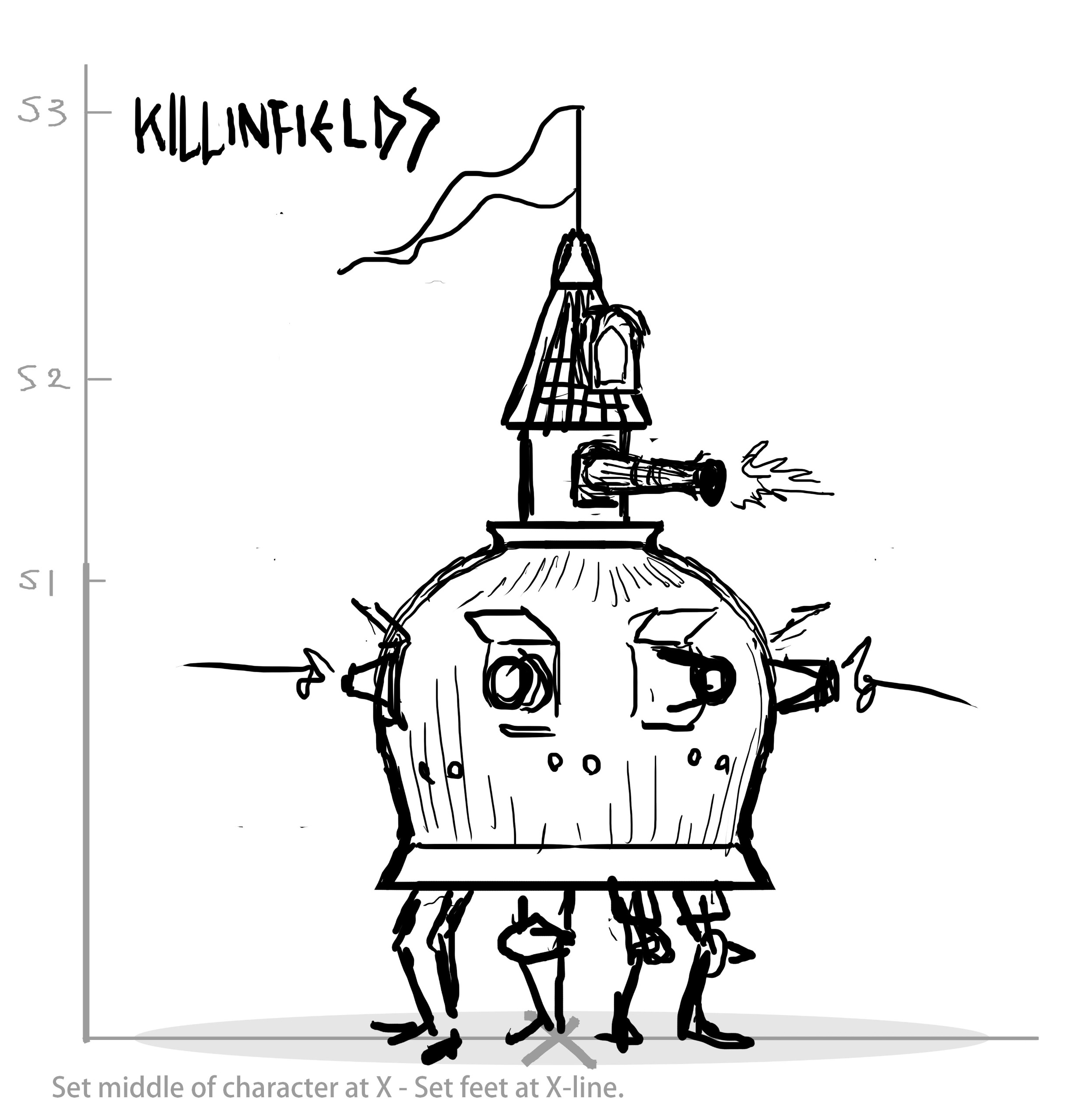
For a roguelike deckbuilder, clarity is paramount. Players must be able to distinguish between cards, abilities, and status effects rapidly. To achieve this, Chop Chop Games employed a collaborative approach where external artists and internal team members worked to adapt Mortensen’s base sketches into usable card assets. The guiding principle was to treat Mortensen’s art as the "real world" of the game, with other artists acting as creators within that established universe.
Historical Context and Industry Significance
The release of FLASK arrives at a poignant moment in pop culture, coinciding with the 40th anniversary of Labyrinth. By leaning into the aesthetic sensibilities of 1980s dark fantasy, the developers have tapped into a nostalgic trend that continues to resonate with modern audiences.
The roguelike deckbuilder genre has seen explosive growth over the last decade, driven by the success of titles like Slay the Spire and Inscryption. These games rely heavily on compelling, unique art styles to maintain engagement over repetitive play sessions. By securing the collaboration of an artist as distinct as Mortensen, Chop Chop Games has effectively differentiated FLASK in a crowded marketplace.
From a technical standpoint, the integration of traditional illustration into digital games is not a new phenomenon, but it remains a high-effort endeavor. The "hand-drawn" aesthetic has been a successful calling card for independent developers, but maintaining that quality while scaling it to a full-length title requires significant technical support—a challenge that Mortensen credits his team for overcoming.
The Role of Music and Creative Process
Mortensen’s creative process remains deeply personal, even when working within the constraints of a software development cycle. He describes his routine as solitary and ritualistic, involving daily walks accompanied by music, which he identifies as the primary catalyst for his monstrous designs.
"I have an hour every day where I will just walk and listen to music; that is where most of my ideas spring from," he explained. This reliance on auditory inspiration mirrors the chaotic, energetic nature of his line work. In the context of FLASK, this influence is channeled into the game’s atmosphere, ensuring that the visual experience matches the intensity and unpredictability of the gameplay mechanics.
Implications for Future Projects
The experience of developing FLASK has provided Mortensen with a new perspective on his career. Having worked across television, live-action production, and publishing, he views his professional life as a "big house with many rooms." The transition to video games is simply another room he has chosen to explore.
The success of this endeavor suggests a broader trend in the gaming industry: the increasing value of unique, non-digital-native art styles. As AI-generated imagery and hyper-realistic graphics become more common, the demand for human, tactile, and idiosyncratic art—like that of Mortensen—may continue to rise. For developers, partnering with traditional artists can provide a necessary "human touch" that sets a title apart.
For Mortensen, the project has already sparked a wealth of new ideas. While he remains committed to his personal style, the collaborative nature of game development has challenged him to think about his work in terms of depth, interactivity, and narrative cohesion.
Conclusion: A Dark World Awaits
FLASK is more than just a game; it is an exercise in stylistic integration. By blending the dark, surrealist sensibilities of a veteran illustrator with the rigorous mechanics of a modern roguelike, Chop Chop Games has created a title that promises to offer both visual intrigue and mechanical depth.
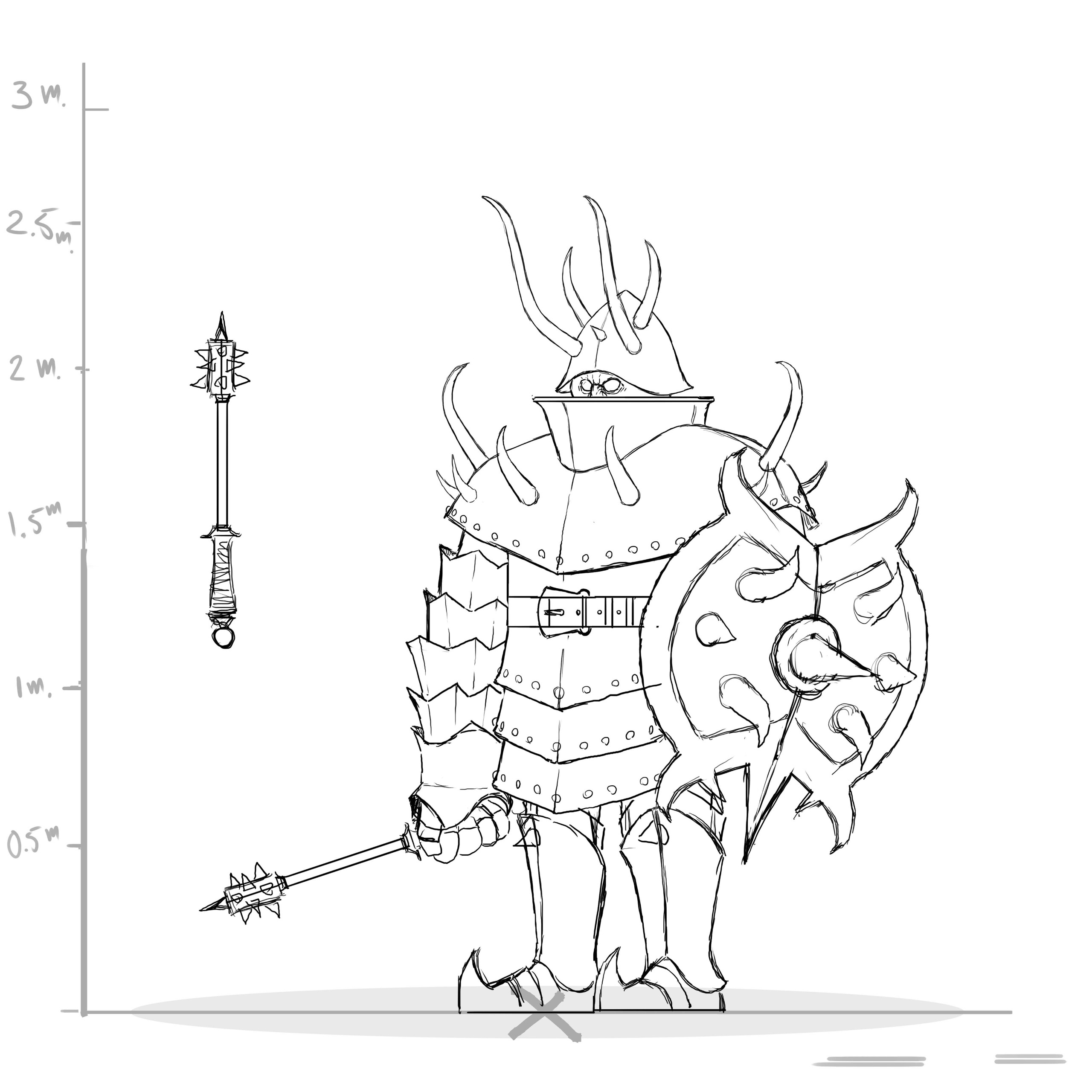
As the game makes its way to the public this Halloween, the focus will likely shift to how players interact with these nightmarish creatures. Whether it is the humor of the wizard’s financial struggles or the visceral intensity of the monster designs, the game stands as a testament to what happens when disparate creative forces converge. For John Kenn Mortensen, the door to the dark room is wide open, and for the first time, players are invited to walk through it and see what lurks on the other side.
Related posts: