The Intersection of High Fashion and Immersive Hospitality: Inside the Kim Jones and Aman Essentials Collaboration

The luxury landscape has long been defined by the convergence of aesthetics and experience, a synergy now pushed to its zenith with the unveiling of the Aman x Kim Jones capsule collection. Kim Jones, the acclaimed British fashion designer whose portfolio includes creative leadership at Louis Vuitton, Fendi, and Dior Men, has officially bridged his mastery of high-end tailoring with the minimalist, serene ethos of the Aman hotel group. This partnership, which marks a significant departure from traditional hotel merchandise, signals a strategic pivot in the hospitality sector toward bespoke, functional, and luxury-integrated retail experiences.

The genesis of this collaboration dates back to 2018, when Jones and Kristina Romanova, the CEO and creative director of Aman Essentials, first crossed paths at a high-profile event in Venice. Their shared appreciation for the "Aman way of life"—a philosophy centered on understated luxury, architectural harmony, and profound seclusion—provided the bedrock for a partnership that took approximately eighteen months of development to finalize. The resulting collection, which launched in select Aman properties globally and via flagship Dover Street Market locations, represents a sophisticated response to the needs of the modern, global traveler.
A Chronology of Collaboration and Brand Evolution

Aman Resorts was established in 1988 by hotelier Adrian Zecha, who sought to challenge the gaudy, ostentatious norms of the luxury resort industry at the time. By prioritizing space, privacy, and an almost monastic devotion to service, the brand cultivated a loyal following often referred to as "Aman junkies." These are guests who have visited five or more of the group’s 36 global properties. Kim Jones, who estimates having stayed at roughly 30 Aman locations, is widely considered one of the brand’s most dedicated patrons.
The formalization of Aman Essentials as a lifestyle brand in 2022 served as the necessary infrastructure for this collaboration. Initially debuting with a line of skincare and beauty products, Aman Essentials sought to codify the "Aman experience" into physical, portable assets. The introduction of apparel designed by a creative force of Jones’s caliber marks the next logical step in the brand’s diversification. For Jones, the transition from designing runway collections to hotel-centric garments was informed by his own travel habits. He noted that he frequently found himself purchasing items at hotel boutiques upon arrival—often out of necessity—and aimed to create a line that felt as authentic as it was functional.
Design Philosophy and Technical Execution
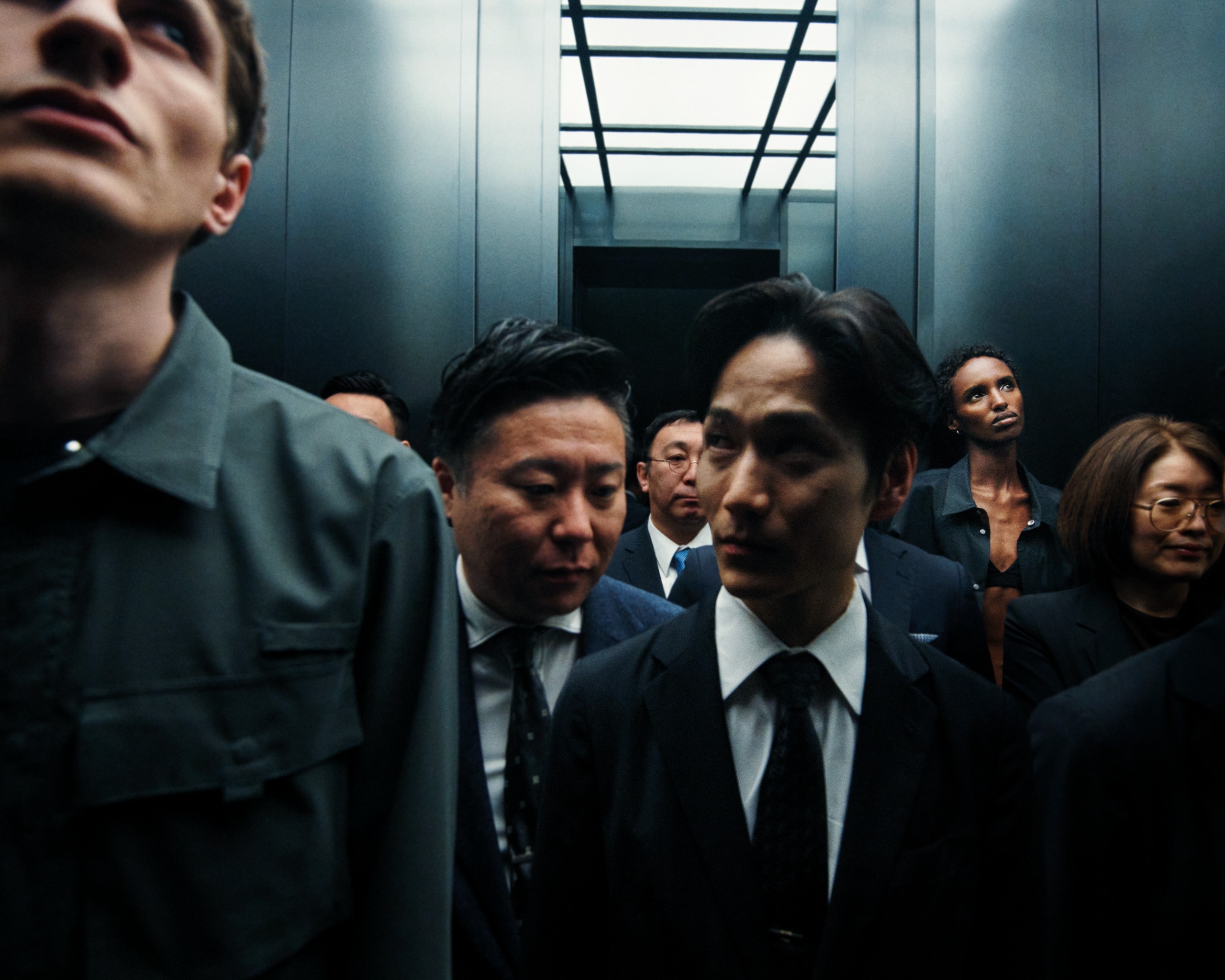
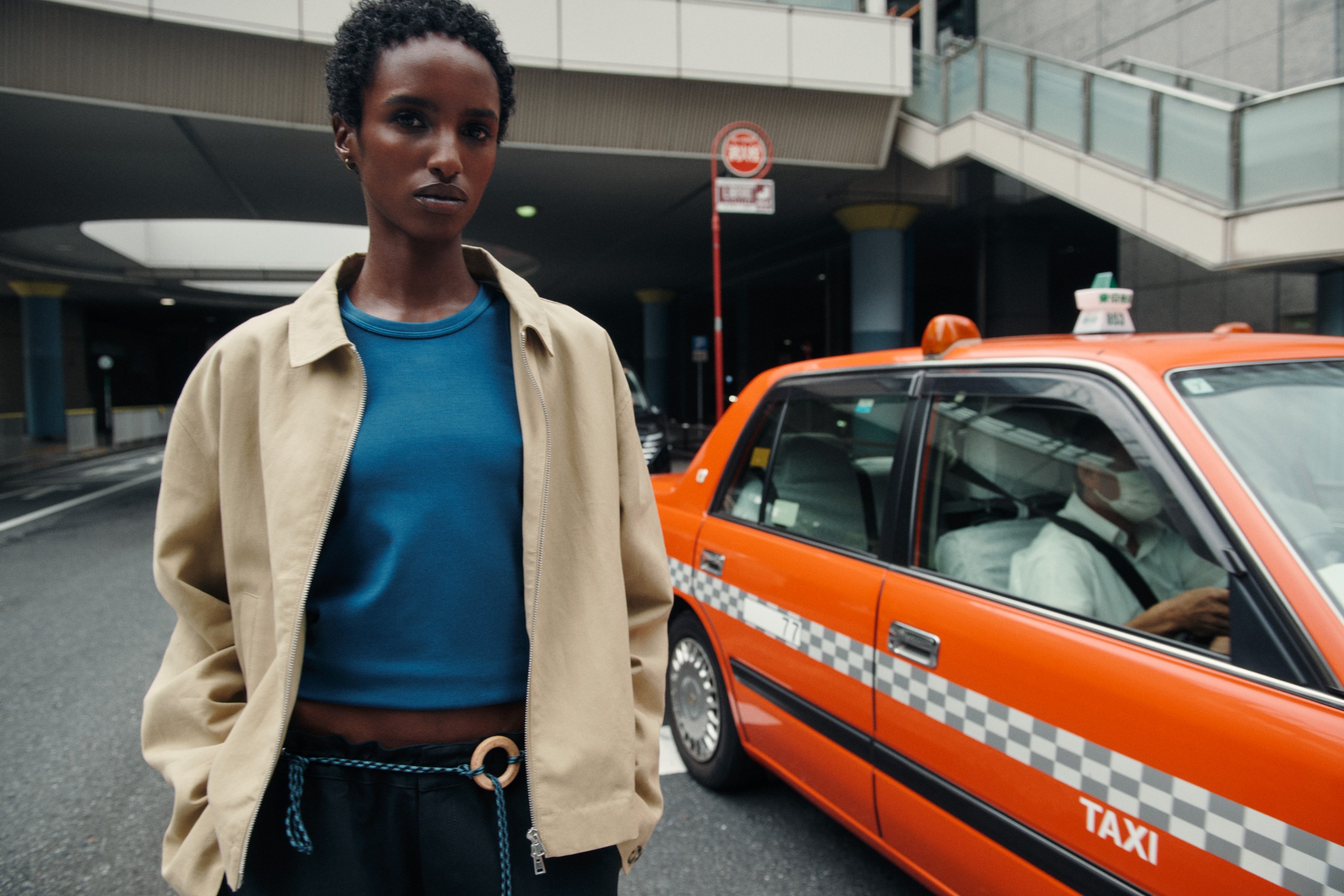
The collection comprises a curated selection of essentials that address the specific needs of a luxury traveler. These include silk pyjama sets in mineral-blue stripes or deep "kombu" green, high-performance swimwear featuring woven cord detailing, and meticulously constructed, fleece-lined slippers with toggle fastenings. Beyond leisurewear, Jones has introduced a series of "technical tailoring" garments designed for urban exploration. These pieces, such as abaca city shorts and Harrington-style jackets, reflect Jones’s signature approach to utilitarian luxury—a style that favors clean lines and premium materials over logos.
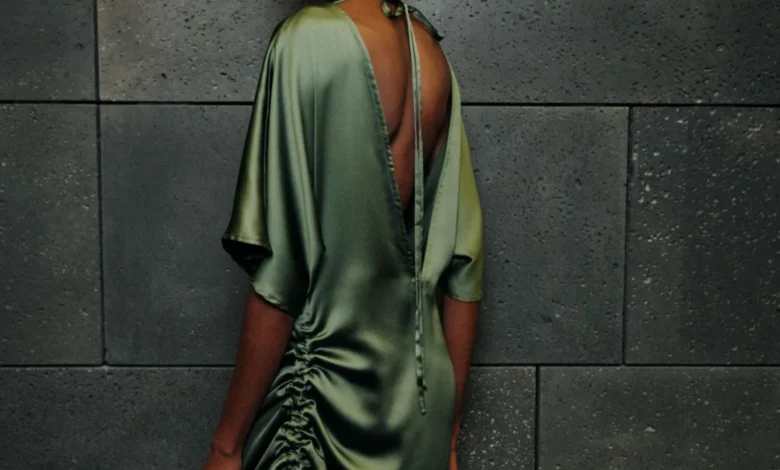
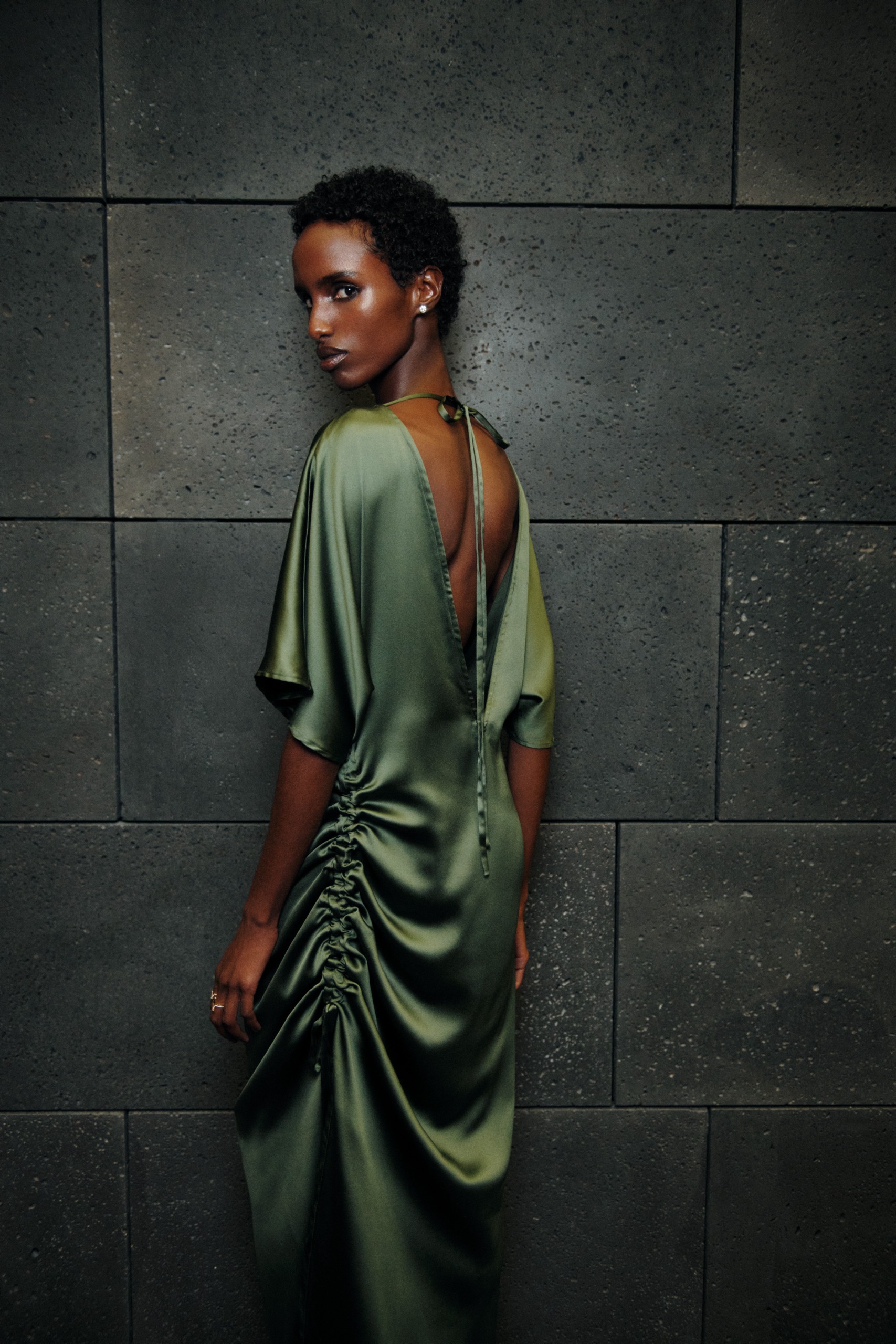
The inclusion of a draped silk dress addresses the demand for elegant evening attire suitable for a hotel bar or a formal resort dinner. The aesthetic consistency across these items reinforces the "Aman" identity: quiet, timeless, and deeply functional. By focusing on the "what if you forgot your suitcase" premise, Jones has successfully circumvented the kitsch associations of traditional hotel merchandise, elevating the product to a legitimate fashion offering.
Supporting Data: The Rise of Branded Hospitality Retail
The Aman x Kim Jones collaboration arrives at a moment when the hospitality sector is increasingly viewing retail as a critical revenue stream and a tool for brand equity. According to recent market analysis in the luxury travel sector, high-end hotel chains are reporting significant growth in "lifestyle" sales. Branded merchandise, once relegated to low-cost souvenir shops, is being replaced by high-fashion partnerships.
The shift is driven by the "experience economy," where consumers prioritize products that serve as mementos of their travel experiences. In the case of Aman, the brand’s leather luggage tags—unique to each property—have already become status symbols. The collaboration with Jones formalizes this status. By partnering with a designer who maintains a high cultural currency, Aman is not merely selling a garment; it is selling an association with a creative visionary and a lifestyle of global mobility. The decision to stock the collection in select Dover Street Market locations further validates the project, placing it on the same level as avant-garde fashion labels rather than standard hotel gift shop inventory.
Official Perspectives on the Partnership
In discussions surrounding the project, both Jones and Romanova have emphasized the organic nature of the collaboration. For Romanova, the choice of Jones was intuitive, driven by his long-term affinity for the brand and his reputation for technical mastery. "When we started thinking about collaborating with a designer, we were just like: it’s got to be Kim," she stated.
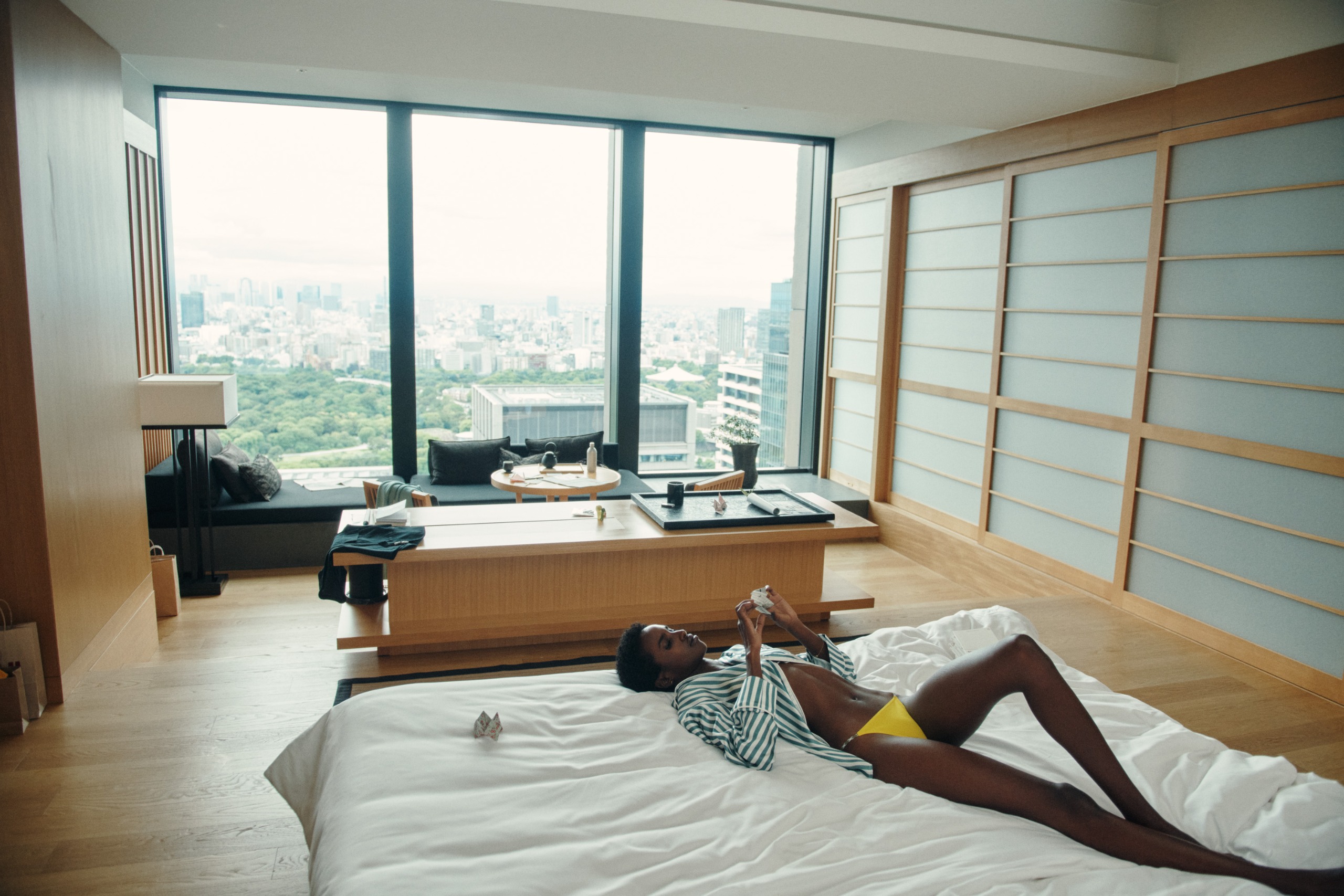
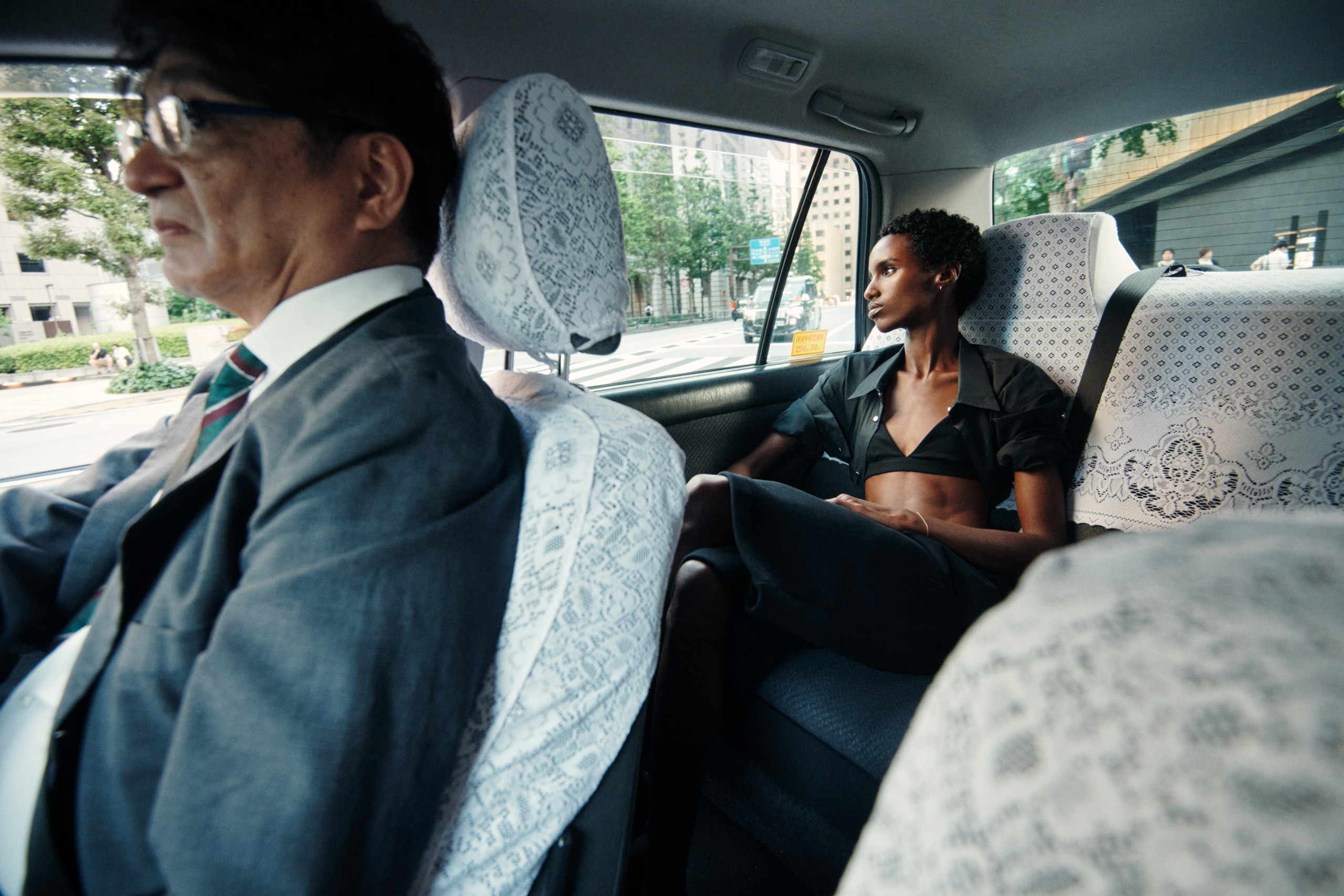
Jones, conversely, viewed the project as an opportunity to address the gap in the luxury travel market for high-quality, wearable basics that align with the aesthetic of high-end architecture. "I was really thinking about what you wear at the Aman—you know, the things that you might have left behind when you packed in a rush, or what you might want when you’ve been at the resort for a while," Jones remarked during the launch in Tokyo. His reflections on the Aman Tokyo—a property he describes as feeling like "the future"—underscore the importance of location and context in the development of the collection. The campaign, shot against the backdrop of the Tokyo property, highlights the symbiosis between the garments and the environment in which they are intended to be worn.
Implications and Broader Market Impact

The broader implications of this partnership are twofold. First, it sets a new benchmark for hotel-branded retail. Competitors in the ultra-luxury tier, such as Six Senses, Four Seasons, and Rosewood, may look to the Aman x Kim Jones model as a blueprint for their own lifestyle extensions. The success of this collaboration will likely hinge on the brand’s ability to maintain exclusivity while scaling its retail presence.
Second, the collaboration represents a strategic move for Kim Jones himself. As he prepares to launch his eponymous label, "Kim Jones," in 2027, the Aman partnership serves as a high-visibility demonstration of his ability to execute projects that are both commercially viable and aesthetically rigorous. It allows him to engage with a demographic that values longevity and quality—the "Aman couple"—who represent a core segment of the global luxury consumer base.
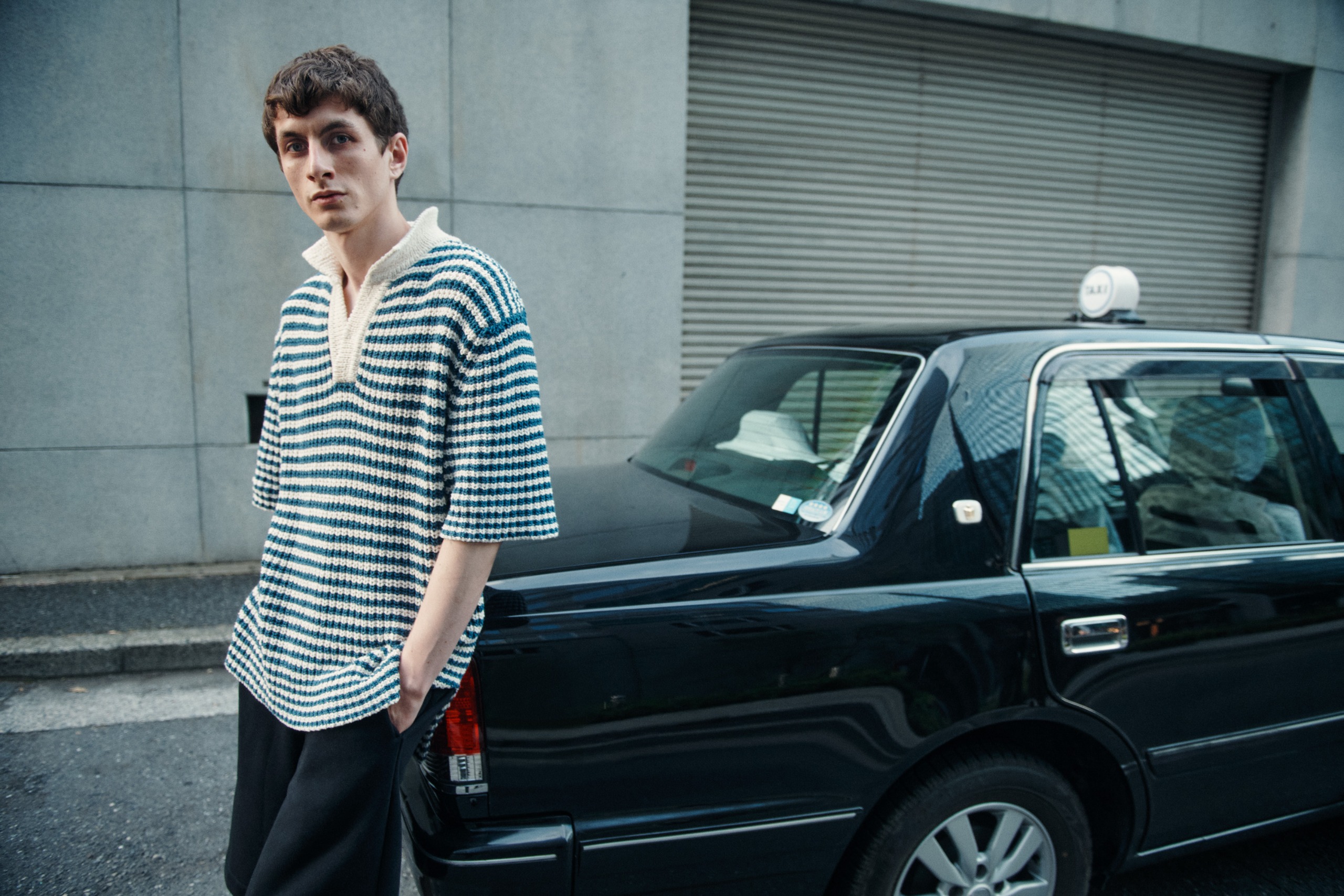
The launch event itself, which included an eight-course dinner and the transportation of international guests via the new Japan Airlines Airbus A350-1000, underscored the scale and ambition of the initiative. By integrating travel logistics, luxury dining, and high-fashion retail into a single, cohesive brand experience, the collaboration creates a "360-degree" luxury ecosystem.
Future Prospects and Conclusion
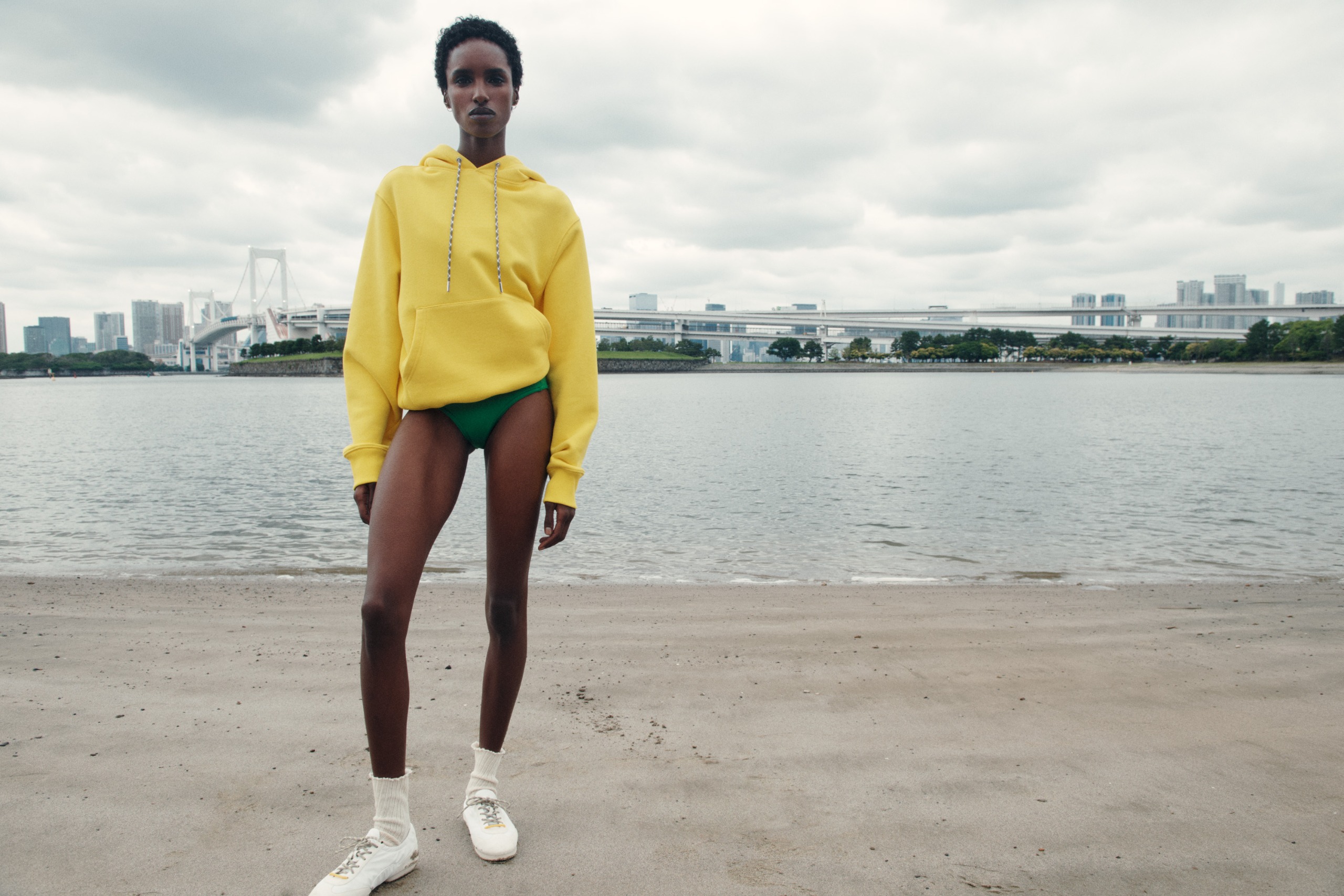
As Aman continues to expand its global footprint, the role of Aman Essentials as a curator of the brand’s culture will likely grow. The success of the Kim Jones capsule is an indicator that the modern luxury consumer is no longer satisfied with static luxury; they demand dynamic, functional, and deeply personalized experiences. The integration of high fashion into the hotel experience is not a transient trend but a reflection of the evolving nature of luxury travel, where the line between a vacation and a lifestyle continues to blur.
For the industry, the key takeaway from the Aman x Kim Jones collaboration is the importance of authenticity. By leveraging a genuine relationship with a long-term, high-profile fan of the brand, Aman has avoided the pitfalls of forced celebrity partnerships. The result is a collection that feels earned, coherent, and perfectly aligned with the serene, minimalist, and highly curated world of Aman. Whether this model can be replicated remains to be seen, but for now, it stands as a masterclass in how luxury brands can extend their reach through strategic, design-led partnerships.