Frontend and Web Platform Developments Bring Performance Upgrades and Modern Tooling Standards

The modern web development ecosystem is undergoing a significant architectural transformation, driven by an industry-wide push for enhanced performance, optimized resource compression, and modern CSS layout capabilities. Recent updates released across major browser vendors, open-source libraries, and analytical research groups highlight a concentrated effort to eliminate technical debt, reduce JavaScript and CSS bloat, and modernize native platform capabilities. From the integration of the JPEG XL image format into the Chromium ecosystem to massive performance overhauls in styling engines like Panda CSS and Video.js, engineers are increasingly looking toward native browser primitives and high-performance Rust-compiled toolchains to scale web applications efficiently.
Main Facts: Core Web Vitals, Chrome Updates, and Tooling Overhauls
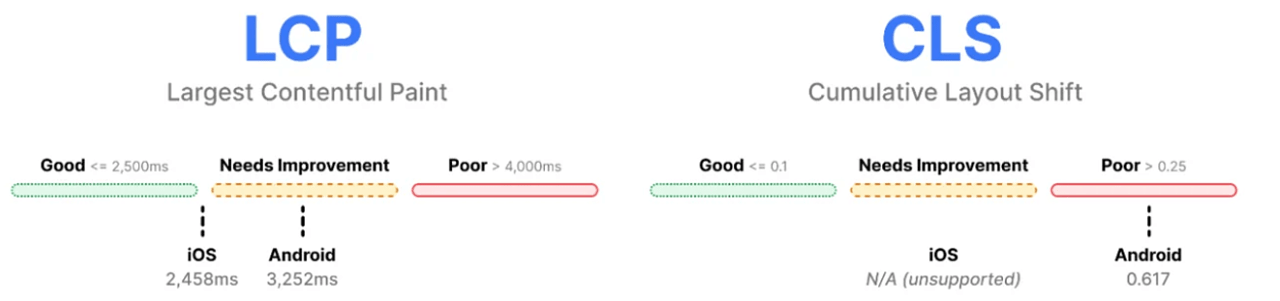
Recent data analytics initiatives and browser updates have provided developers with deeper insights into how real users experience web applications. Cloudflare recently published a comprehensive, free BigQuery dataset tracking anonymized real-user Core Web Vitals across 10,000 large web properties. Unlike traditional lab datasets, this corpus encompasses billions of real-user measurements, offering an inclusive view that spans both Safari/WebKit and Chrome environments. Initial findings from the dataset challenge long-held assumptions regarding Largest Contentful Paint (LCP) bottlenecks, revealing that asset download times are frequently the smallest contributor to slow LCP rendering phases.

Concurrently, Google released Chrome 155, which introduces native browser support for JPEG XL (.jxl) image compression. The format offers up to 30% to 50% better compression efficiency compared to legacy baseline JPEGs while supporting modern high dynamic range (HDR) color profiles. This addition coincides with the opening of Devographics’ annual State of HTML 2026 survey, an initiative that collects global developer feedback to help browser vendors prioritize API standardization and implementation roadmaps.
In parallel, the open-source tooling landscape is witnessing major deprecations and rewrites designed to align with modern web standards. Dart Sass 2.0 has been slated for a December release, designed to convert long-standing 1.x deprecation warnings into breaking errors. Meanwhile, foundational media frameworks and styling utilities have received ground-up rebuilds. Video.js version 10 has consolidated five major player implementations—including Plyr, Vidstack, Media Chrome, and Mux Player—into a unified codebase built on React and native web components, resulting in a 60% reduction in bundle sizes. Similarly, Panda CSS version 2.0 has transitioned its compiler to a Rust-based architecture, bringing substantial build-time performance gains, view-transition styling support, and advanced design system management capabilities.
Chronology and Release Timeline
The convergence of these architectural shifts has unfolded over several months across multiple standards bodies and open-source foundations:
- Early October 2026: Chrome releases version 155, officially shipping native support for the JPEG XL image format and granting web developers access to advanced multi-channel compression and HDR imaging capabilities.
- Early October 2026: Cloudflare deploys its daily-updating BigQuery dataset targeting Core Web Vitals across 10,000 top-tier web properties, expanding measurement metrics to include cross-browser engines like Safari and WebKit.
- Mid-October 2026: Devographics opens the State of HTML 2026 survey, encouraging the global engineering community to share insights regarding forms, web components, and CSS layout features.
- Q4 2026 (Upcoming): The Dart Sass team schedules the official rollout of Dart Sass 2.0, which will enforce strict error handling for outdated syntax patterns established during the 1.x lifecycle.
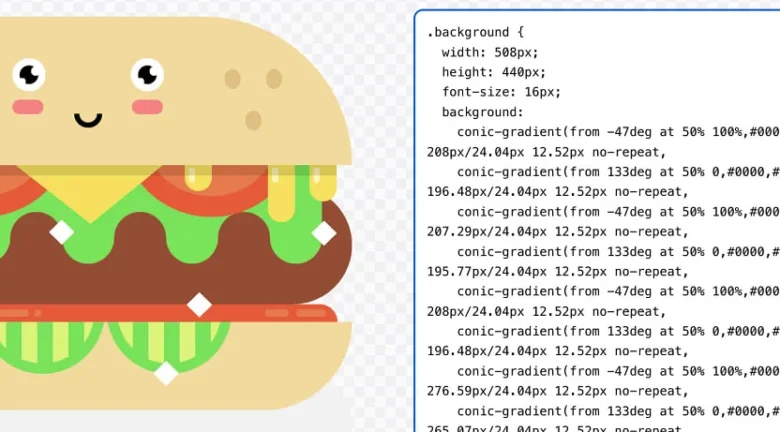
- Late 2026: Ecosystem-wide updates release concurrently, including Panda CSS 2.0’s Rust compiler migration, Video.js 10’s multi-player unification project, and Ahmad Shadeed’s launch of the Gradient Visualizer debugging utility for complex multi-layer CSS backdrops.
Supporting Data and Technical Metrics
Quantitative analysis of recent web measurements underscores the growing necessity for optimized tooling and native platform adoption. Cloudflare’s analysis of 10,000 fronted domains indicates that performance bottlenecks on slow-loading websites are rarely isolated to simple network bandwidth constraints or asset download durations. Instead, processing times, main-thread blocking JavaScript execution, and layout thrashing significantly outweigh raw transfer speeds in determining core user-experience metrics.
The push toward high-efficiency formats such as JPEG XL addresses persistent network latency issues on mobile networks by decreasing payload sizes without sacrificing visual fidelity. With image data often making up the bulk of a webpage’s total weight, a 30% to 50% compression improvement translates directly to reduced time-to-interactive (TTI) scores and conserved bandwidth for end-users.
Furthermore, efficiency gains in build tools are reflecting quantifiable improvements in developer productivity. The transition of CSS-in-JS compilers like Panda CSS to Rust-based engines demonstrates order-of-magnitude reductions in build times, mitigating the development friction typically associated with dynamic style generation in large enterprise applications. Video.js 10 achieves similar optimization milestones by shedding legacy codebases, shrinking its production footprint by 60%, and leveraging modern web components to minimize runtime memory consumption.

Official Responses and Ecosystem Perspectives
Industry maintainers and platform advocates have increasingly emphasized the advantages of utilizing native browser features over heavy, custom JavaScript abstractions. Nolan Lawson, a prominent web platform advocate, recently raised questions regarding developer reluctance to "use the platform," observing that modern web frameworks frequently duplicate features—such as routing, dialog overlays, and tooltip management—that browsers now support natively via APIs like CSS Anchor Positioning.
Matt Smith and Patrick Brosset have echoed these sentiments within the CSS community, highlighting the transformative impact of CSS Anchor Positioning (anchor-name and position-anchor). These native properties allow developers to anchor floating elements like tooltips and dropdown menus directly to target DOM nodes without resorting to JavaScript-driven bounding-client-rect calculations or third-party positioning libraries. This native approach ensures that UI components retain their spatial orientation across complex window resizing and scrolling interactions.
Tooling maintainers have similarly justified breaking changes as necessary steps toward long-term platform health. Natalie Weizenbaum, lead developer of Dart Sass, noted that the upcoming 2.0 release is essential for purging legacy behaviors that complicate compiler maintenance and hinder performance optimizations. By transitioning warnings into hard errors, the project aims to enforce cleaner styling practices across legacy stylesheets.
Broader Impact and Implications for the Web Industry
The cumulative effect of these developments points toward a leaner, more standardized web ecosystem. By shifting complex layout, image decoding, and component structuring responsibilities back to native browser engines, developers can significantly reduce client-side computational overhead.
The widespread adoption of Rust-based compilers in JavaScript and CSS toolchains signals a broader shift away from interpreted build processes toward compiled, high-performance tooling infrastructure. This evolution reduces CI/CD pipeline costs and shortens feedback loops for engineering teams managing massive codebases.
At the same time, analytical frameworks like Cloudflare’s real-user Core Web Vitals dataset provide empirical foundations for future performance optimization strategies. As browser vendors continue to ingest data from initiatives like the State of HTML survey, engineering roadmaps will likely prioritize native implementations of features currently requiring polyfills or heavy libraries. Ultimately, these shifts empower developers to deliver faster, more accessible, and resilient web applications that respect user hardware limitations and data constraints across global markets.
Related posts: