This fountain pen has been a design icon since 1980, and it has 26% off for a limited time

A Legacy of Bauhaus Philosophy
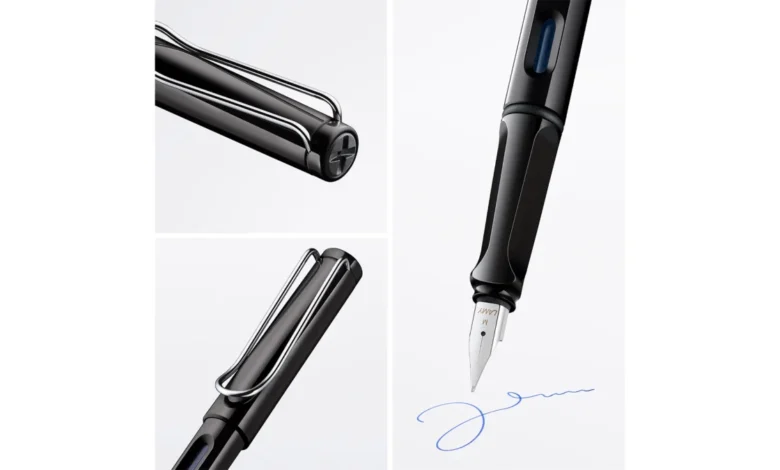
The Lamy Safari is not merely a writing tool; it is a manifestation of 20th-century industrial design principles. When it debuted at the 1980 Frankfurt Fair, the pen was met with both skepticism and intrigue. Developed by designer Wolfgang Fabian in collaboration with Bernt Spiegel, the Safari was intended to challenge the status quo of the stationery market. At the time, fountain pens were largely viewed as delicate, luxury status symbols or fragile school supplies. Lamy aimed to create a "youth-oriented" pen that was rugged, ergonomic, and aesthetically distinct.
The design relies heavily on the tenets of the Bauhaus school—an art movement characterized by the mantra "form follows function." By utilizing ABS plastic—the same high-impact, durable material found in Lego bricks—the developers ensured that the pen could withstand the rigors of daily transit in bags and pockets. The signature U-shaped wire clip, designed to be both flexible and robust, reflects the brand’s commitment to functional innovation. Over the last four decades, this aesthetic has remained largely unchanged, cementing the Safari’s status as a design icon that has earned numerous awards, including the iF Design Award.
Chronology of the Safari
- 1980: The Lamy Safari is launched at the Frankfurt Fair, introducing the world to its distinct molded grip and utilitarian aesthetic.
- 1980s–1990s: The pen gains traction in European schools as a primary tool for teaching cursive writing, owing to its ergonomic design that assists in proper finger placement.
- 2000s: The rise of the internet and the fountain pen enthusiast community turns the Safari into a "cult classic," with collectors seeking out limited-edition colors released annually.
- 2010s: Lamy expands its global footprint, establishing itself as the gold standard for entry-level fountain pens in North America and Asia.
- 2026: Amidst a broader societal push for "analog hobbies" and digital minimalism, the Safari continues to see high sales volume as a gateway into the hobby of fountain pen collecting.
Technical Specifications and Ergonomic Impact
The popularity of the Lamy Safari is backed by tangible engineering choices that differentiate it from mass-market alternatives. The pen’s primary strength lies in its grip section. The molded, triangular indentations force a "tripod grip," which is widely considered the most efficient way to hold a pen for extended writing sessions. By reducing the tension required to hold the instrument, it mitigates hand fatigue, a common complaint for heavy users of traditional ballpoint pens.
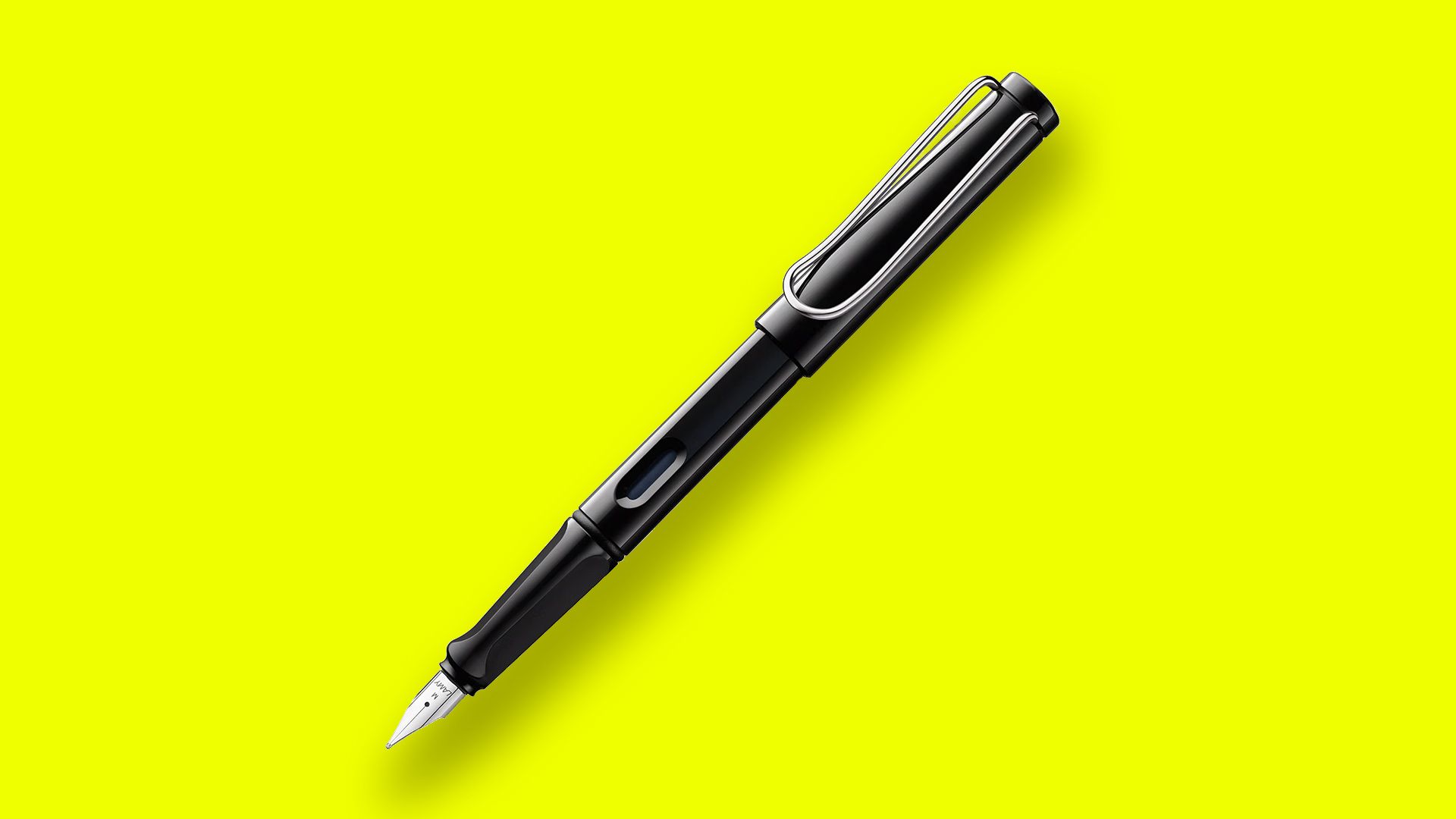
The nib system is another critical component of its success. Lamy utilizes a modular, stainless-steel nib that can be swapped or replaced by the user in seconds without requiring specialized tools. This allows writers to transition between extra-fine, fine, medium, or broad nib sizes depending on the paper quality or the desired writing style. Furthermore, the ink feed system is engineered for consistency, ensuring that the pen does not skip or leak, even after periods of inactivity. For beginners, this reliability is paramount, as it eliminates the frustration often associated with cheaper, non-branded fountain pens.
Market Implications of the Digital Detox
The recent price reduction at major retailers like Amazon serves as a barometer for current consumer trends. Market analysts have noted a shift in consumer behavior toward "mindful consumption." As screen time reaches record highs, there is a quantifiable move toward tactile activities that offer a break from notifications and blue light. Journaling, sketching, and long-form letter writing have seen a resurgence, creating a market vacuum for high-quality, reliable tools that do not carry the prohibitive price tags of high-end luxury brands like Montblanc or Pelikan.
At a price point under $30, the Lamy Safari occupies the "sweet spot" of the consumer goods market. It is affordable enough to be purchased as an impulse buy or a starter gift, yet it is durable enough to last a lifetime. By lowering the barrier to entry, retailers are able to capture the attention of a demographic that is curious about fountain pens but hesitant to invest in more expensive, specialized equipment.
Broader Industry Context
While Lamy has not released a formal statement regarding the current discount, industry experts suggest that such pricing strategies are typical for maintaining market share in an increasingly competitive stationery sector. With the rise of boutique Japanese brands like Pilot and Sailor, which also offer high-quality entry-level pens, German manufacturers must leverage their brand heritage and logistical reach to remain top-of-mind for consumers.
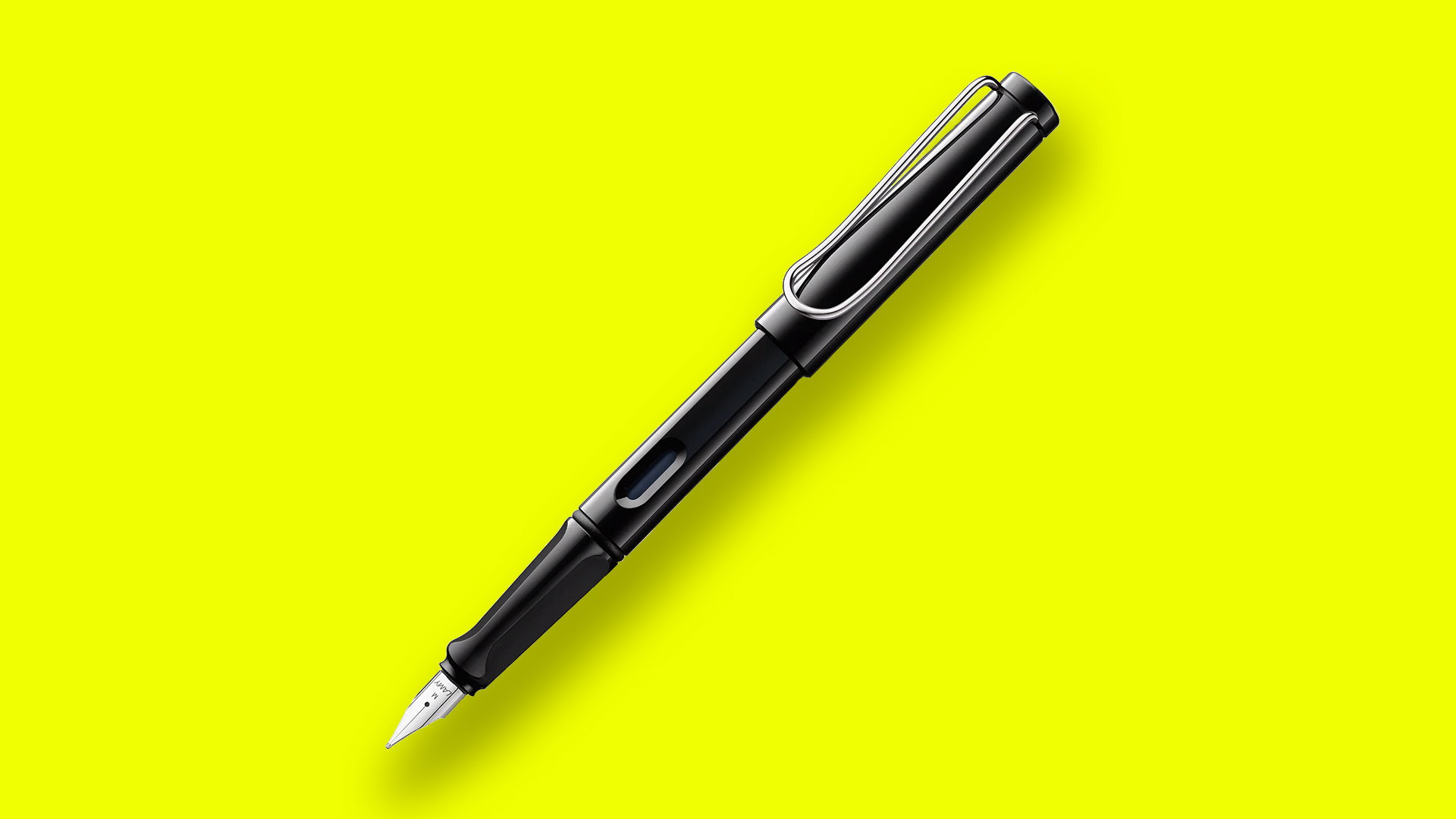
The durability of the Safari also aligns with modern sustainability concerns. Unlike disposable ballpoint pens, which contribute significantly to plastic waste, the Lamy Safari is designed to be a permanent object. Users can employ a converter to use bottled ink, further reducing the environmental impact of plastic cartridges. This "buy-it-for-life" mentality is becoming a significant driver in the stationery industry, as younger consumers prioritize longevity and reparability over cheap, disposable convenience.
Analysis of the Current Retail Landscape
The current promotion on Amazon is indicative of how legacy brands are adapting to the digital-first retail environment. By positioning the product within the "lifestyle" category rather than just "office supplies," Lamy and its retail partners are successfully targeting users interested in self-improvement, mindfulness, and creative expression.
The implications of this shift are clear: the fountain pen is no longer just a relic of the past, but a specialized tool for the future. As the market continues to evolve, the Safari remains a benchmark. Its ability to stay relevant for over 45 years is a testament to the fact that when a product solves a fundamental problem—in this case, providing a comfortable, reliable, and aesthetic writing experience—it achieves a timelessness that is rarely seen in consumer electronics or fast-moving design cycles. Whether for the student, the artist, or the professional seeking a moment of reflection, the Lamy Safari continues to hold its place as a cornerstone of the modern writing desk. As prices fluctuate, the underlying value proposition remains consistent, ensuring that the next generation of writers will likely continue to reach for the familiar, ergonomic silhouette of this German-engineered classic.
Related posts: