Control Resonant review: Remedy turns Manhattan into a paranatural nightmare unlike anything I’ve seen

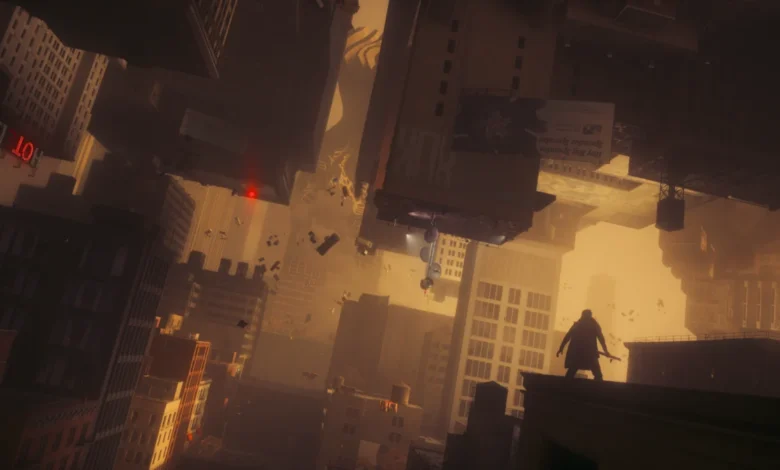
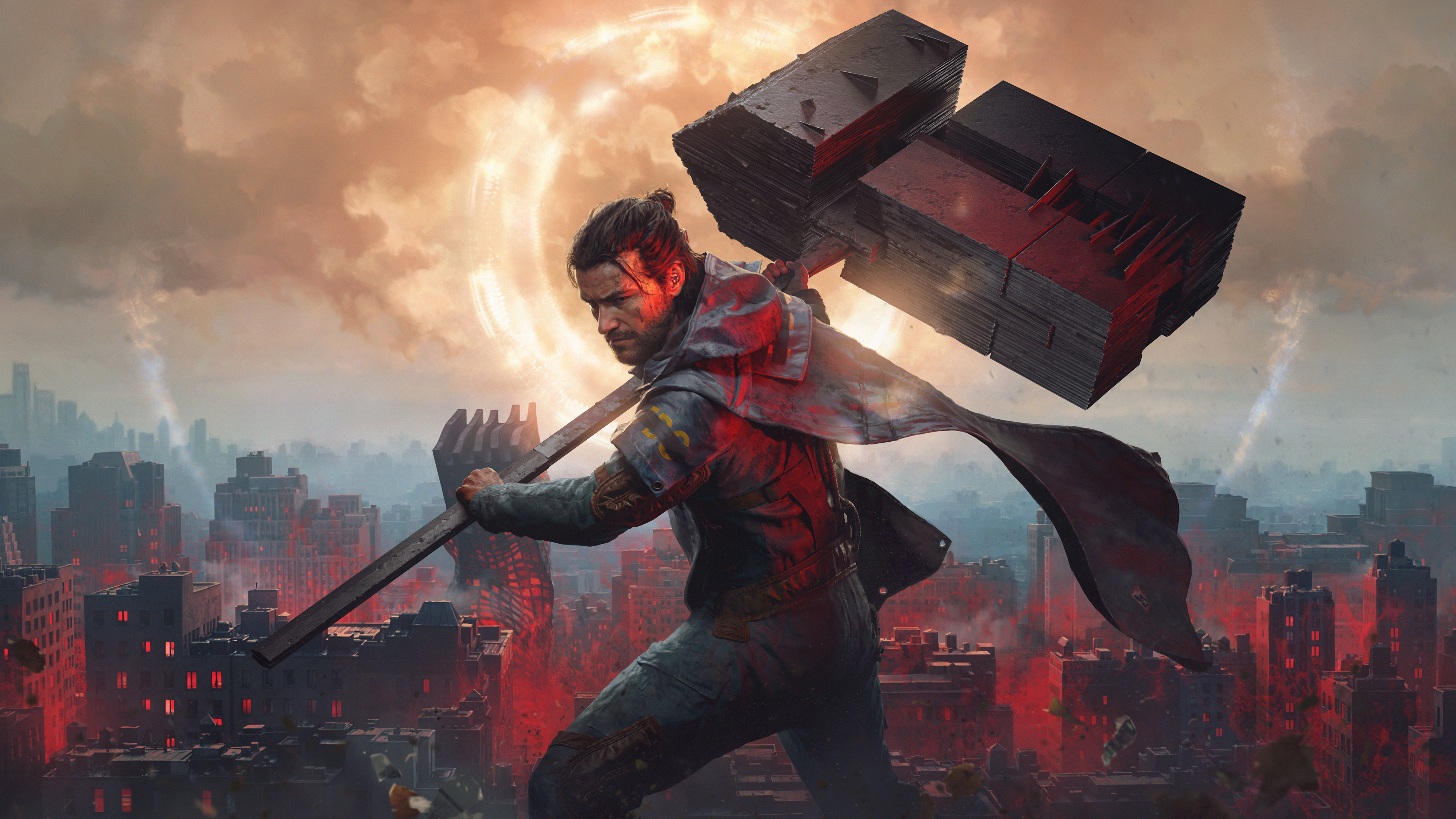
Remedy Entertainment has officially launched Control Resonant, a highly anticipated sequel that expands the developer’s established "New Weird" aesthetic beyond the confines of the Federal Bureau of Control’s headquarters. Set for a worldwide release on September 24, 2026, for PC, PlayStation 5, and Xbox Series X/S, the title utilizes the studio’s proprietary Northlight Engine to render a version of New York City undergoing a cataclysmic, reality-bending event. Unlike the original 2019 title, which focused on Jesse Faden’s exploration of the brutalist skyscraper known as The Oldest House, Control Resonant places players in the shoes of Dylan Faden, offering a broader, more volatile perspective on the Hiss invasion.
Chronology and Narrative Context
The narrative of Control Resonant picks up following the events of the original game and its subsequent expansion, AWE. The Hiss, a trans-dimensional resonance force that infects living hosts and warps physical reality, has breached the boundaries of the Bureau. While the first game served as a contained psychological thriller, the sequel shifts to an apocalyptic urban landscape.
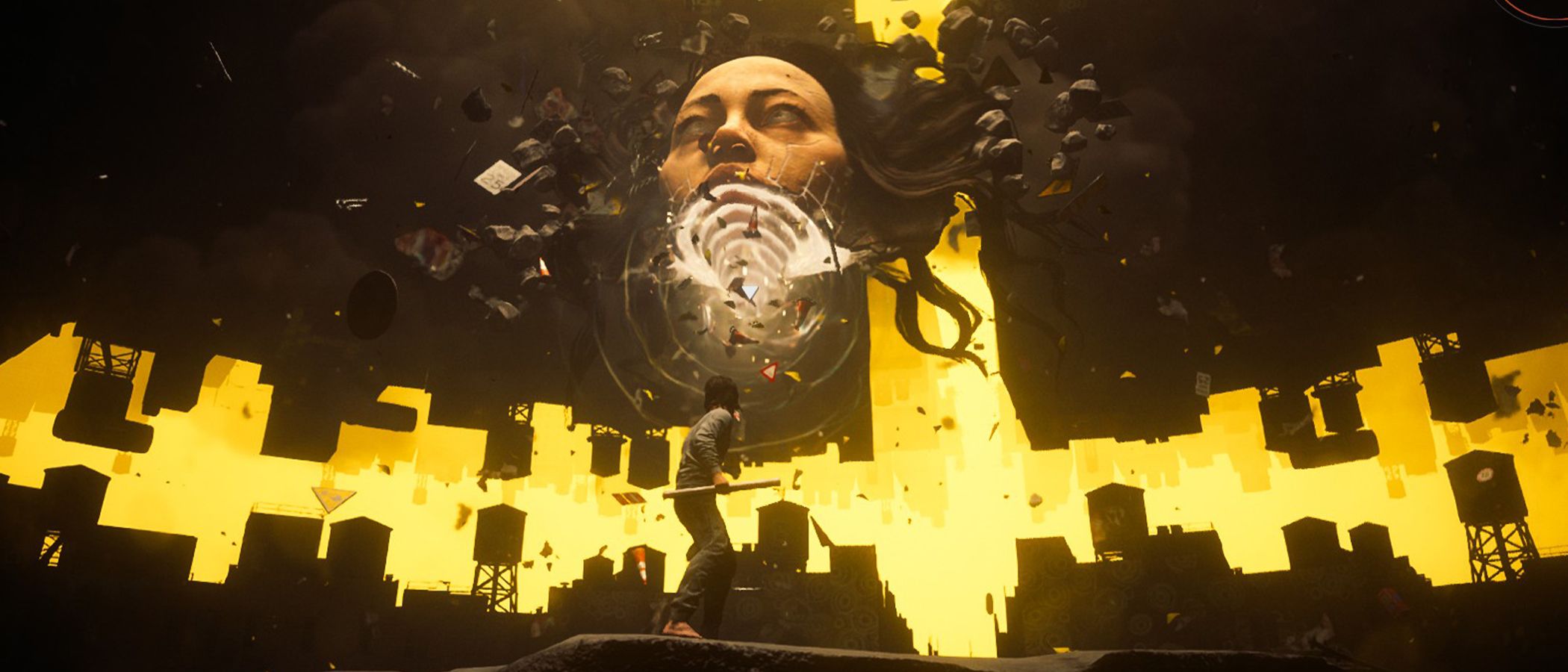
Dylan Faden, previously a captive and subject to the Bureau’s unethical parapsychological experiments, is now the primary protagonist. His journey through the fractured remains of Manhattan is characterized by "patterning"—a visual phenomenon where the city’s geometry, architecture, and inhabitants undergo rapid, uncanny transformations. This narrative shift represents a significant evolution in the franchise, moving from the static environment of a singular office building to an expansive, shifting urban playground.
Technical Specifications and Engine Capabilities
Control Resonant is built upon the latest iteration of Remedy’s Northlight Engine, a toolset previously utilized for Alan Wake 2. The game features full path tracing, an advanced lighting technique that simulates the behavior of light in real-time, creating hyper-realistic reflections, shadows, and global illumination.
According to technical analysis of the release, the game maintains a high degree of visual fidelity even on mid-range hardware configurations. While ray tracing significantly enhances the game’s "otherworldly" atmosphere, players can disable these features to prioritize frame rate and performance stability without sacrificing the intended art direction. The environmental design includes high-detail interiors, such as residential apartments that feature distinct architectural markers, juxtaposed with the surreal, floating debris and shifting streetscapes characteristic of the Hiss-infected reality.
Gameplay Mechanics and Combat Evolution
The gameplay in Control Resonant pivots from the tactical, third-person shooter mechanics of the predecessor toward a more aggressive, melee-oriented combat system. As the protagonist, Dylan wields an "Aberrant"—a shape-shifting weapon capable of assuming various forms, such as a long-range scythe or high-damage twin blades.
Combat is augmented by a progression system tied to "Resonants," powerful bosses that, when defeated, grant the player new abilities. These powers are managed through "The Gap," an abstract, interior space that serves as the game’s character progression menu and a combat training arena. This system departs from traditional skill trees, opting for a more thematic, experimental approach to power acquisition.
Despite these additions, the title presents a challenging difficulty curve. The game features a dynamic scaling system that adjusts enemy strength in tandem with the player’s progression, a design choice intended to maintain tension. However, this has led to critiques regarding "damage sponge" enemies—adversaries that require significant effort to defeat—potentially discouraging the use of varied combo finishers in favor of repetitive button-mashing. To address potential barriers to entry, Remedy has included an extensive suite of accessibility features, allowing users to modify damage output, damage intake, and even toggle one-hit-kill mechanics without voiding achievements.
Navigational Challenges and Level Design
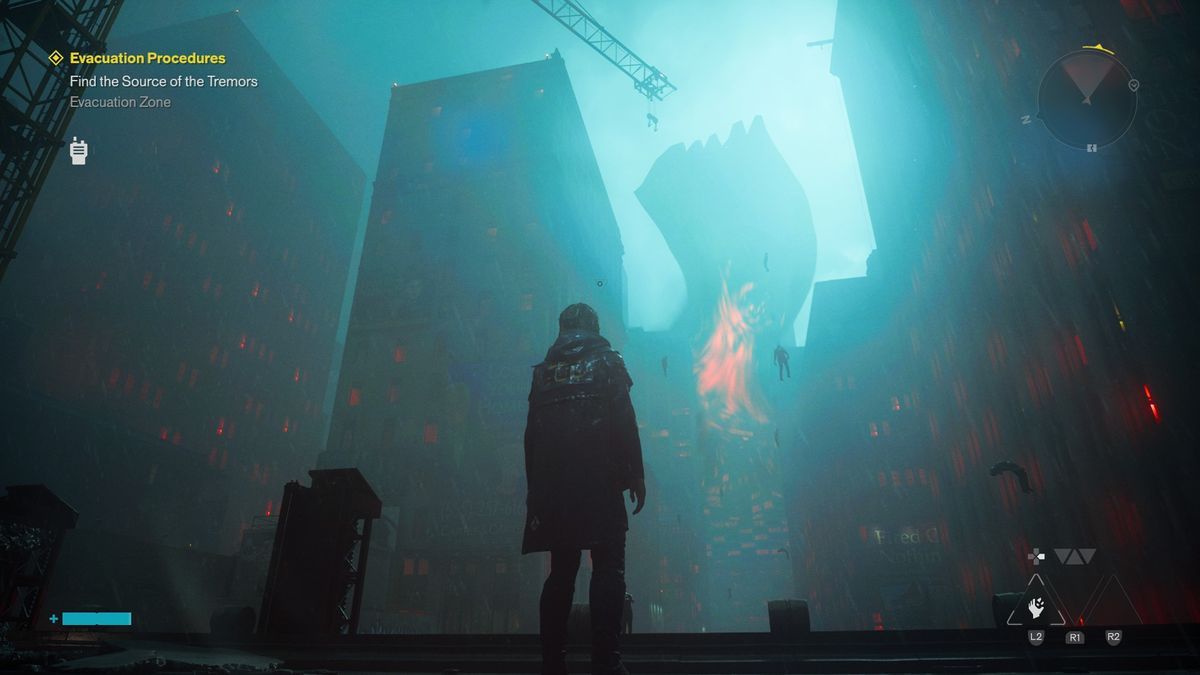
The structural design of the game’s version of Manhattan is segmented rather than open-world. While traversal is supported by sophisticated movement mechanics—including double-jumps, air-dashes, and gravity manipulation—the city is divided into zones restricted by impassable barriers.
This design choice has created a navigation experience described as an "outdoor maze." Unlike contemporary titles that utilize visual cues like yellow paint or breadcrumb waypoints to guide players, Control Resonant relies on environmental storytelling and navigation. While this preserves the sense of discovery, it also introduces challenges in pathfinding, particularly as the city’s geography becomes increasingly non-Euclidean during later stages of the game.
Broader Impact and Industry Implications
The release of Control Resonant follows a period of mixed reception for Remedy Entertainment, specifically regarding the performance of the cooperative-focused title, FBC: Firebreak. With Control Resonant, the studio is attempting a return to its strengths: atmospheric world-building, high-concept narrative, and the integration of diverse media formats.
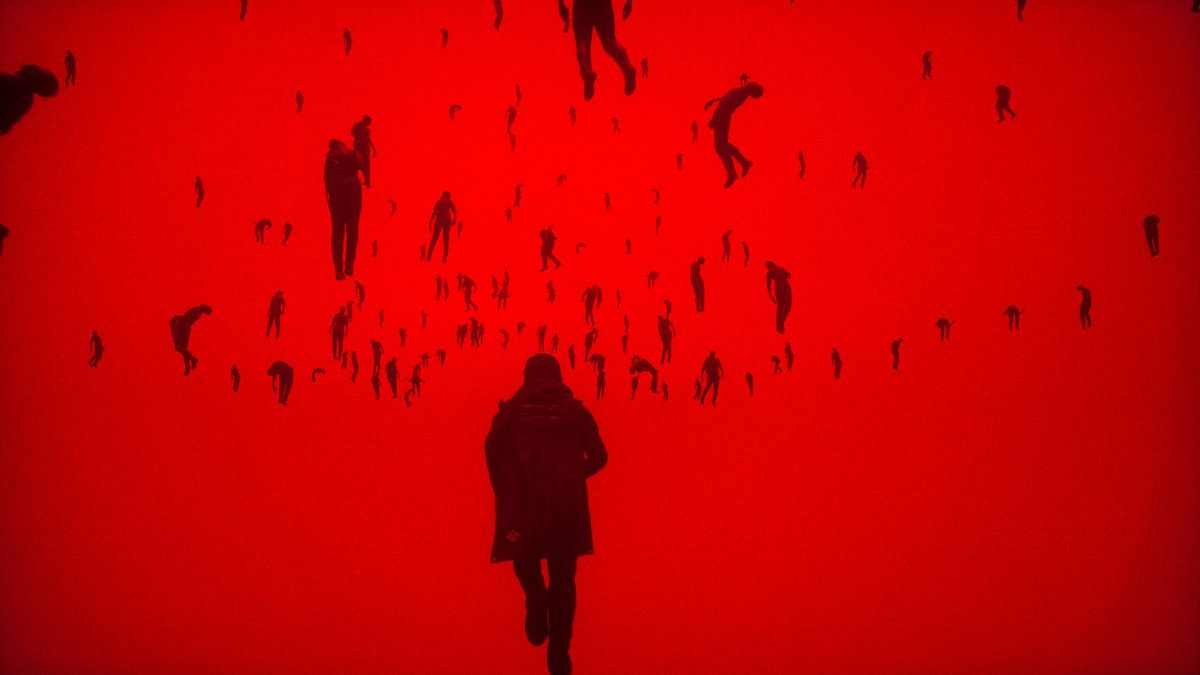
The game continues the studio’s tradition of blending live-action footage with in-game assets, featuring performances from actors such as Matthew Porretta. It also explores innovative storytelling through surreal sequences, such as a flashback depicted as a 16-bit role-playing game. These creative risks are central to the "New Weird" genre, a movement in fiction that seeks to blend elements of fantasy, science fiction, and horror.
From a market perspective, the title’s success is vital for Remedy as it continues to expand its "Remedy Connected Universe." By leveraging the established fan base of the first Control and the technical advancements of its engine, the studio is positioning this release as a flagship experience for current-generation consoles. The inclusion of comprehensive accessibility tools also signals a broader industry trend toward ensuring that complex, challenging action titles remain playable for a wider demographic of users.
Conclusion
Control Resonant stands as a testament to the ambitious visual design of Remedy Entertainment. By transposing the claustrophobic, paranatural dread of the first game onto the massive scale of New York City, the developers have created a unique visual experience that pushes the limits of the Northlight Engine. While the game faces potential friction points regarding enemy scaling and navigation, its commitment to a distinct artistic vision and a willingness to experiment with interactive storytelling formats reinforce its position as a significant entry in the action-RPG genre. As the game enters the hands of the public, its long-term impact will likely be measured by how well players adapt to its challenging combat systems and whether the narrative payoff justifies the deliberate, often difficult, traversal of its fractured world.