
Top Things To Do In Nepal

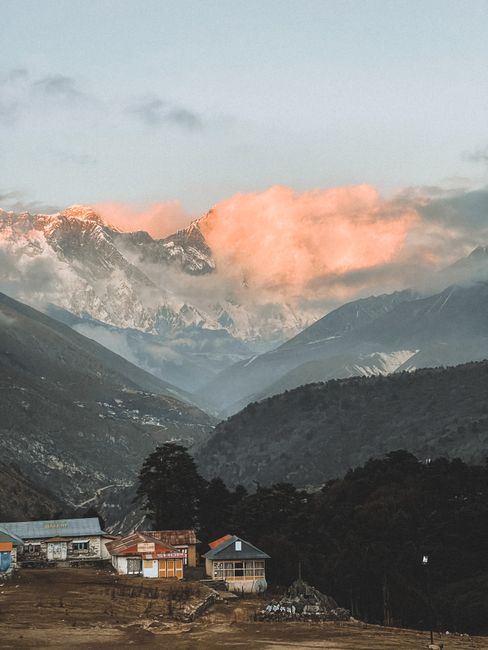
Top Things to Do in Nepal: An Unforgettable Adventure
Nepal, a landlocked nation cradled in the Himalayas, offers an unparalleled tapestry of adventure, spirituality, and cultural immersion. Its dramatic landscapes, from snow-capped peaks to lush Terai plains, serve as a breathtaking backdrop for experiences that cater to every kind of traveler. This comprehensive guide explores the absolute must-do activities and destinations that define a journey to Nepal, ensuring an unforgettable and enriching adventure.
Trekking in the Himalayas stands as the quintessential Nepali experience, drawing millions of adventurers annually. The most iconic trek, the Everest Base Camp trek, ascends to the foot of the world’s highest mountain, offering unparalleled views of Khumbu icefall and surrounding giants like Lhotse and Nuptse. This multi-day odyssey, typically lasting 12-14 days, winds through Sherpa villages, suspension bridges adorned with prayer flags, and ancient monasteries. The altitude gain and challenging terrain demand physical fitness and acclimatization, but the reward is an intimate encounter with raw, majestic nature. Beyond Everest, the Annapurna Circuit offers a diverse panorama, traversing varied landscapes from subtropical forests to arid mountain deserts, culminating in Thorong La Pass, one of the highest mountain passes in the world. The Annapurna Base Camp trek provides a more accessible but equally stunning perspective of Annapurna South and Machhapuchhre (Fishtail). For those seeking less crowded trails, the Langtang Valley trek, a relatively shorter option, showcases glacial lakes and alpine meadows, while still offering dramatic Himalayan vistas. Treks in the Mustang region, particularly Upper Mustang, present a unique cultural experience, a former kingdom with Tibetan influences, barren landscapes, and ancient walled cities like Lo Manthang. The logistical planning for any trek involves securing permits (TIMS card and national park permits), hiring guides and porters, and arranging accommodation in teahouses. The best trekking seasons are generally spring (March-May) and autumn (September-November), when the weather is clear and the mountain views are at their finest.
Kathmandu, the vibrant capital, is a sensory explosion and a historical treasure trove. Durbar Square, a UNESCO World Heritage site, is the heart of the city’s ancient kingdom, boasting a dazzling array of palaces, courtyards, and temples. The Kasthamandap temple, from which Kathmandu derives its name, is a magnificent wooden pagoda. The Taleju Temple, dedicated to the patron goddess of the Malla kings, and the Hanuman Dhoka royal palace complex offer glimpses into Nepal’s rich royal past. Swaminarayan Temple, a modern addition, showcases intricate wood carvings. Beyond Durbar Square, the Swayambhunath Stupa, also known as the Monkey Temple, perched atop a hill overlooking the city, offers panoramic views and is a significant Buddhist pilgrimage site. Its whitewashed dome, adorned with the all-seeing eyes of the Buddha, is an iconic landmark. Boudhanath Stupa, one of the largest stupas in the world, is another vital center of Tibetan Buddhism in Nepal. Pilgrims circumambulate the massive dome, spinning prayer wheels and chanting mantras. The atmosphere here is deeply spiritual and meditative. Pashupatinath Temple, a sacred Hindu temple complex on the banks of the Bagmati River, is revered by Hindus worldwide. While non-Hindus are not permitted inside the main temple, witnessing the cremation ceremonies on the riverbanks is a profound and humbling experience, offering insights into Hindu rituals and beliefs. Exploring the narrow alleyways of Thamel, the tourist hub, reveals a bustling marketplace filled with trekking gear, handicrafts, pashmina shawls, and local eateries.
Pokhara, nestled beside the serene Phewa Lake, provides a more relaxed counterpoint to Kathmandu’s intensity. The lakeside promenade offers breathtaking reflections of the Annapurna range, particularly the sacred Machhapuchhre. Boating on Phewa Lake is a must, allowing for tranquil contemplation and access to the Tal Barahi Temple, an island pagoda. Sunrise or sunset views from the lake, with the mountains painted in golden hues, are unforgettable. Sarangkot, a hilltop viewpoint easily accessible by road or a challenging hike, offers spectacular panoramic views of Pokhara Valley, the Annapurna range, and Dhaulagiri. Paragliding from Sarangkot is a thrilling adventure, soaring above the valley with unparalleled aerial perspectives of the Himalayas. Devi’s Fall, a unique waterfall that plunges underground, and the Gupteshwor Mahadev Cave, a sacred cave housing a Shiva lingam, are popular natural attractions. The World Peace Pagoda, a majestic white stupa, offers another stunning vantage point for appreciating the natural beauty of Pokhara. The International Mountain Museum in Pokhara provides an insightful overview of mountaineering history, geology, and the culture of the Himalayan people.
Chitwan National Park, a UNESCO World Heritage site, is Nepal’s premier destination for wildlife safaris and a stark contrast to its mountainous terrain. Located in the Terai lowlands, this lush jungle is home to a remarkable diversity of flora and fauna. The most sought-after sightings include the endangered one-horned rhinoceros, Bengal tiger, sloth bear, and various species of deer and monkeys. Jeep safaris offer an efficient way to cover larger areas of the park, while canoe rides on the Rapti River provide intimate encounters with crocodiles and diverse birdlife. Jungle walks with experienced guides allow for deeper immersion into the ecosystem, with opportunities to spot rhinos grazing in the grasslands and elephants bathing. Elephant bathing and feeding experiences offer a chance for closer interaction with these gentle giants. The Tharu cultural dance performed by the indigenous Tharu community provides a vibrant glimpse into their traditions and way of life. The park’s diverse habitats, including grasslands, forests, and riverine areas, support a rich biodiversity.
Lumbini, the birthplace of Lord Buddha, is a pilgrimage site of immense spiritual significance for Buddhists worldwide and a serene escape. This UNESCO World Heritage site is home to Maya Devi Temple, the exact spot where Queen Maya Devi is believed to have given birth to Siddhartha Gautama, who would later become the Buddha. The Ashoka Pillar, erected by Emperor Ashoka, marks the sacred spot. The Lumbini Monastic Zone features monasteries built by various Buddhist countries, each reflecting their unique architectural styles and spiritual traditions. Exploring these monastic complexes offers a peaceful and contemplative experience. The Lumbini International Research Institute contributes to the study and dissemination of Buddhist philosophy. The Sacred Garden, a beautifully landscaped area, provides a tranquil setting for reflection. The peaceful atmosphere and spiritual resonance of Lumbini make it a profoundly moving destination.
Bhaktapur, often called the "City of Devotees," is another of Nepal’s ancient Newari cities, incredibly well-preserved and offering a glimpse into medieval Nepal. Durbar Square in Bhaktapur is smaller than Kathmandu’s but arguably more aesthetically pleasing, with intricately carved wooden windows, stone temples, and the imposing Nyatapola Temple, a five-story pagoda. Pottery Square showcases the traditional craft of pottery making, with artisans shaping clay on spinning wheels. The Peacock Window, a masterpiece of Newari woodcarving, is a must-see. Wandering through its ancient streets, one can witness daily life unfolding amidst historical grandeur, from local markets to traditional ceremonies. The city’s layout and architecture have remained remarkably unchanged for centuries, offering an authentic cultural experience. The Taumadhi Square, home to the Nyatapola Temple, is the city’s main religious and social center.
Bardiya National Park, located in the western Terai, is Nepal’s largest national park and a less-visited but equally rewarding wildlife destination. It offers a more pristine and wilder experience compared to Chitwan, with a higher chance of spotting Bengal tigers and wild elephants. Jeep safaris, walking safaris, and boat safaris on the Karnali River are the primary ways to explore the park. The park’s dense forests and extensive grasslands provide excellent habitats for its diverse wildlife. Bardiya is also known for its large populations of swamp deer and black-buck. The remoteness of Bardiya adds to its allure, offering an opportunity for a truly off-the-beaten-path adventure.
Exploring the remote Mustang region, especially Upper Mustang, offers a unique cultural and geographical adventure. This former Himalayan kingdom, once a forbidden territory, retains its distinct Tibetan Buddhist culture and traditions. The journey to Lo Manthang, the ancient walled capital, is an adventure in itself, traversing barren landscapes and dramatic canyons. The vibrant prayer flags, ancient monasteries, and friendly locals provide an immersive cultural experience. The stark, arid beauty of the landscape is unlike anything else in Nepal. The restricted access to Upper Mustang means it remains a relatively untouched gem, preserving its unique heritage.
Adventure sports beyond trekking are plentiful in Nepal. White-water rafting on rivers like the Trishuli, Seti, and Bhote Koshi offers exhilarating experiences for all skill levels, from gentle floats to challenging rapids. Mountain biking in the Kathmandu Valley or on trails surrounding Pokhara provides a dynamic way to explore the countryside. Zip-lining, particularly the Sarangkot zip-line in Pokhara, offers a thrilling descent with incredible views. Canyoning, bungee jumping, and rock climbing are also available for adrenaline junkies seeking extreme thrills. The diverse topography of Nepal lends itself perfectly to a wide array of adventure activities.
Culinary exploration is an integral part of the Nepali experience. Dal Bhat, the national dish, consisting of lentil soup, rice, and vegetable curries, is a staple and a delicious, filling meal. Momo, steamed or fried dumplings filled with meat or vegetables, are a popular snack and appetizer. Sel Roti, a sweet rice bread, is often enjoyed during festivals. Thukpa, a hearty Tibetan noodle soup, is perfect for cooler mountain climates. Sampling local Newari cuisine in Kathmandu’s older districts offers a taste of unique dishes like Chatamari (rice crepe) and Yomari (sweet dumplings). Exploring local markets and trying street food, with caution, is a great way to engage with the local food culture.
Engaging with the local culture through festivals and interactions is profoundly rewarding. Nepal celebrates numerous vibrant festivals throughout the year, including Dashain, the longest and most auspicious festival, and Tihar, the festival of lights. Witnessing the colorful processions, traditional music, and dance during these events offers a deep understanding of Nepali traditions and spirituality. Visiting local villages, interacting with residents, and learning about their way of life provides authentic cultural immersion. Homestays can offer an even more intimate glimpse into local customs and hospitality. The warmth and friendliness of the Nepali people are consistently highlighted as a major draw for visitors.


