
Tag Virtual Field Trips

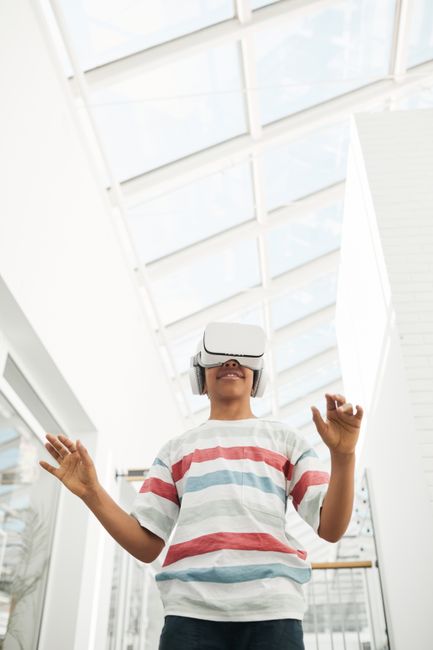
Virtual Field Trips: Expanding Educational Horizons
Virtual field trips are increasingly vital pedagogical tools, offering immersive and accessible educational experiences that transcend geographical limitations and resource constraints. These digital excursions leverage technology, ranging from 360-degree panoramic imagery and interactive 3D models to live streaming and curated video content, to transport learners to locations and environments that would otherwise be inaccessible. The primary advantage lies in their democratizing effect on education. Students in rural or underfunded schools, for example, can explore the Amazon rainforest, the surface of Mars, or the inside of a historical landmark with the same depth of engagement as their counterparts in well-resourced urban centers. This parity in access democratizes learning opportunities, ensuring that all students have the chance to experience and learn from a diverse range of environments and subjects. Beyond access, virtual field trips significantly enhance student engagement. The interactive nature of these experiences, often incorporating gamified elements, quizzes, and opportunities for active participation, makes learning more dynamic and memorable. Instead of passively reading about the Great Wall of China, students can virtually walk along its ramparts, zoom in on architectural details, and even learn about its historical context through embedded multimedia. This multi-sensory approach caters to diverse learning styles, benefiting visual, auditory, and kinesthetic learners alike. Furthermore, virtual field trips offer unparalleled flexibility. They can be integrated into lesson plans at any time, allowing educators to tailor learning experiences to specific curriculum objectives. Unlike traditional field trips, which require extensive planning, transportation, and parental consent, virtual trips can be implemented with minimal logistical hurdles, making them an efficient and effective educational resource. The scope of virtual field trips is continuously expanding, encompassing an ever-growing array of subjects and locations. From scientific explorations of the human body and geological formations to historical journeys through ancient civilizations and artistic pilgrimages to world-renowned museums, the possibilities are virtually limitless. This breadth of content allows educators to enrich their curricula, providing students with authentic, real-world context for abstract concepts. For instance, a biology class can virtually dissect a frog, an art class can explore the Louvre’s masterpieces, and a history class can witness the signing of the Declaration of Independence. The cost-effectiveness of virtual field trips is another significant draw. While initial investments in technology may be required, the long-term savings on transportation, admission fees, and substitute teacher costs can be substantial. This makes them an attractive option for budget-conscious educational institutions. Moreover, virtual field trips can often provide access to experiences that are simply not feasible or safe in real life, such as exploring active volcanoes, diving into the deep sea, or witnessing rare astronomical events.
The pedagogical framework underpinning the effectiveness of virtual field trips is rooted in constructivist learning theories, emphasizing active knowledge construction and experiential learning. By engaging with authentic environments and content, students move beyond rote memorization and develop a deeper, more nuanced understanding of complex subjects. The interactive elements inherent in many virtual field trips foster critical thinking and problem-solving skills. Students are encouraged to analyze information, make connections, and draw conclusions based on their virtual explorations. For example, a virtual tour of a coral reef might involve identifying different species, understanding their symbiotic relationships, and assessing the impact of climate change on the ecosystem. This active inquiry process cultivates higher-order thinking skills essential for academic success and lifelong learning. The development of digital literacy is another crucial benefit. As students navigate virtual environments, interact with digital tools, and consume multimedia content, they develop essential 21st-century skills in information navigation, critical evaluation, and responsible online behavior. This prepares them for an increasingly digital world. Virtual field trips also foster a sense of global citizenship. By exposing students to diverse cultures, environments, and perspectives, they cultivate empathy, understanding, and an appreciation for the interconnectedness of our world. A virtual visit to a historical site in another country can spark curiosity about different traditions, challenge preconceived notions, and promote cross-cultural dialogue. The accessibility of virtual field trips extends beyond geographical and financial barriers to include learners with diverse needs. Students with mobility issues, chronic illnesses, or social anxieties can participate fully in virtual experiences without the physical or emotional challenges associated with traditional outings. This inclusive approach ensures that all students can benefit from enriching educational opportunities.
The practical implementation of virtual field trips requires careful consideration of pedagogical goals and technological capabilities. Educators must first identify specific learning objectives that can be effectively addressed through a virtual experience. This involves aligning the chosen virtual trip with curriculum standards and student needs. For instance, if the objective is to teach about ancient Roman architecture, a virtual tour of the Colosseum or Pompeii would be highly relevant. Once objectives are established, educators can explore the vast array of available virtual field trip platforms and resources. These range from free educational websites and museum archives to subscription-based immersive learning platforms. Popular options include Google Arts & Culture, National Geographic’s virtual tours, and specialized platforms like Discovery Education’s Virtual Field Trips. The selection process should consider factors such as the quality of the content, the level of interactivity, the age-appropriateness of the material, and the technical requirements for accessing the experience. Planning for pre-trip engagement is crucial to maximize learning outcomes. Educators can introduce the topic, provide background information, and pose guiding questions to prepare students for their virtual exploration. This can involve pre-reading assignments, short videos, or classroom discussions. During the virtual field trip, educators act as facilitators, guiding student inquiry, prompting critical thinking, and addressing any technical or conceptual challenges. This might involve posing questions like, "What similarities do you observe between this Roman aqueduct and modern water systems?" or "How do you think the climate influenced the architecture of this ancient dwelling?" Post-trip activities are equally important for solidifying learning and extending the experience. These can include follow-up discussions, research projects, creative writing assignments, or the creation of presentations. Students might be asked to compare and contrast their virtual experiences with real-world counterparts, analyze the historical significance of what they observed, or propose solutions to environmental challenges encountered during their virtual exploration. For example, after a virtual tour of a wastewater treatment plant, students could research and present on innovative water conservation strategies. The assessment of learning from virtual field trips can take various forms, including student-generated reports, presentations, quizzes, or participation in online discussions. The focus should be on evaluating students’ comprehension of the subject matter, their critical thinking skills, and their ability to apply the knowledge gained from the virtual experience. The integration of virtual field trips can also be enhanced through the use of virtual reality (VR) and augmented reality (AR) technologies. VR headsets can provide an even more immersive experience, allowing students to feel as though they are physically present in the virtual environment. AR applications can overlay digital information onto the real world, creating interactive learning opportunities that blend the virtual and physical realms. For instance, an AR app could allow students to point their device at a diagram of the solar system and see a 3D model of each planet appear, with detailed information about their characteristics.
The landscape of virtual field trips is continually evolving, driven by advancements in technology and an increased understanding of their educational potential. The development of more sophisticated interactive elements, such as branching narratives, adaptive learning pathways, and AI-powered guides, promises to further personalize and enrich the learning experience. Future virtual field trips may incorporate elements of collaborative virtual environments, allowing students from different schools or even countries to explore together in real-time, fostering global collaboration and cross-cultural understanding. The integration of data analytics will also play a more significant role, providing educators with insights into student engagement and comprehension, allowing for more targeted interventions and individualized learning plans. The ethical considerations surrounding virtual field trips, particularly concerning data privacy and digital equity, will also require ongoing attention. Ensuring that all students have equitable access to the necessary technology and internet connectivity is paramount to realizing the full potential of these digital learning tools. Educators must also be mindful of the potential for digital distractions and the importance of fostering responsible digital citizenship within virtual learning environments. The development of robust professional development programs for educators is crucial to ensure they are equipped with the skills and knowledge to effectively integrate virtual field trips into their teaching practices. This includes training on selecting appropriate resources, designing engaging activities, and assessing student learning in a virtual context. The ongoing research into the effectiveness of virtual field trips, examining their impact on student learning outcomes, engagement, and motivation, will continue to inform best practices and guide future development. Ultimately, virtual field trips represent a powerful and transformative approach to education, offering a boundless frontier for exploration, discovery, and deep learning. Their ability to democratize access, enhance engagement, and provide rich, contextualized learning experiences positions them as an indispensable component of 21st-century pedagogy. As technology continues to advance, the potential for virtual field trips to revolutionize education will only continue to grow, opening up new avenues for knowledge acquisition and skill development for learners of all ages and backgrounds. The shift towards blended learning models, where virtual experiences complement traditional classroom instruction, further underscores the enduring relevance and growing importance of virtual field trips in the modern educational landscape. The flexibility and adaptability of these digital excursions allow them to seamlessly integrate into diverse pedagogical approaches, catering to the unique needs and learning styles of individual students. From fostering a love for science through virtual explorations of the universe to cultivating historical empathy through immersive journeys into the past, virtual field trips are instrumental in shaping informed, engaged, and globally-minded citizens. The continuous innovation in content creation and delivery platforms ensures that virtual field trips will remain at the forefront of educational technology, offering ever more compelling and effective ways to learn about our world and beyond. The economic benefits, coupled with the pedagogical advantages, make a compelling case for their widespread adoption and sustained investment. The future of education is undeniably interconnected with the digital realm, and virtual field trips stand as a testament to this evolving reality, promising to unlock new levels of understanding and inspire a new generation of learners. The sustained development of free and open-source virtual field trip resources will further democratize access and empower educators globally to leverage these powerful tools. The collaborative nature of online platforms also facilitates the sharing of best practices and innovative approaches among educators, creating a dynamic and supportive ecosystem for the growth of virtual field trip utilization. The potential for personalized learning pathways within virtual environments, adapting to individual student pace and comprehension, represents a significant advancement in differentiated instruction. This tailored approach ensures that each student can benefit maximally from the virtual learning experience, addressing specific areas of strength and challenge. The inclusion of virtual field trips within standardized curricula will further solidify their position as an integral part of a comprehensive educational offering, ensuring consistent access and quality for all students. The ongoing dialogue and collaboration between educators, technologists, and curriculum developers are essential to harness the full potential of virtual field trips and ensure they remain relevant, effective, and impactful in the ever-changing educational landscape. The exploration of niche and specialized topics through virtual field trips opens up possibilities for deep dives into subjects that might not be feasible for traditional exploration, fostering expertise and specialized knowledge acquisition. The integration of virtual field trips with other digital learning tools, such as learning management systems and educational apps, creates a cohesive and integrated digital learning ecosystem, enhancing the overall student experience. The continuous evolution of virtual field trip technology, including advancements in AI and machine learning, promises to create even more engaging and intelligent learning experiences, adapting to student interactions and providing personalized feedback and support. The long-term impact of virtual field trips on student engagement, critical thinking, and knowledge retention is a growing area of research, with initial findings consistently highlighting their positive influence. The accessibility features embedded within many virtual field trip platforms, such as closed captions and screen reader compatibility, ensure that these experiences are inclusive and beneficial for all learners, regardless of their abilities. The potential for virtual field trips to foster interdisciplinary learning by connecting concepts across various subjects, such as linking historical events to geographical locations or scientific discoveries to artistic expressions, further enhances their educational value. The ability to revisit and replay virtual field trip experiences allows students to reinforce their learning and explore aspects they may have missed on their initial engagement. The development of a standardized framework for evaluating the quality and educational efficacy of virtual field trips will be crucial in guiding educators and ensuring the selection of the most impactful resources. The continued expansion of virtual field trip content to encompass emerging fields and global challenges will ensure their relevance and importance in preparing students for the future.
The SEO optimization of content related to virtual field trips is paramount to ensuring educators, students, and parents can readily discover these valuable resources. Strategic use of keywords such as "virtual field trips," "online educational tours," "digital classroom experiences," "immersive learning environments," "remote learning activities," and "virtual museum tours" is essential. Integrating these keywords naturally within headings, subheadings, body text, and meta descriptions will improve search engine rankings. Furthermore, creating comprehensive content that thoroughly addresses the benefits, implementation strategies, and diverse applications of virtual field trips will attract organic traffic. Long-tail keywords, such as "virtual field trips for elementary science," "how to use virtual field trips in high school history," or "best free virtual field trips for preschoolers," can target specific user queries and attract highly relevant audiences. The inclusion of high-quality images and videos, optimized with relevant alt text and captions, also enhances SEO and user experience. Building backlinks from reputable educational websites and organizations can further boost the authority and visibility of virtual field trip resources. Regularly updating content to reflect the latest technological advancements and new virtual field trip offerings ensures ongoing relevance and search engine visibility. The creation of categorized directories and searchable databases of virtual field trips, allowing users to filter by subject, grade level, or accessibility features, also improves discoverability and user satisfaction. The promotion of virtual field trip content through social media channels, educational forums, and online communities can further expand reach and engagement. The emphasis on providing actionable insights and practical guidance for educators will encourage sharing and discussion, leading to increased organic reach and brand visibility. The development of case studies and testimonials highlighting successful implementations of virtual field trips can provide valuable social proof and encourage wider adoption. The ongoing analysis of search trends and user behavior will inform content strategy and ensure that virtual field trip resources remain aligned with the evolving needs of the educational landscape.


