Tag Thailand Visa Requirements 2
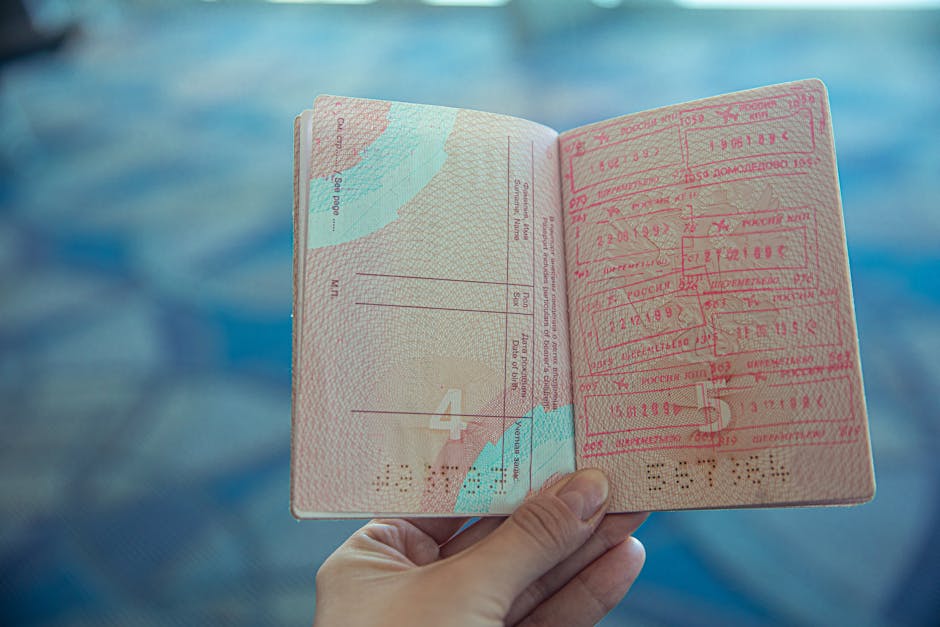
Thailand Visa Requirements for Tourists: A Comprehensive Guide
Navigating Thailand’s visa requirements for tourists, especially for those planning extended stays or multiple entries, can appear complex. This guide aims to demystify the process, providing detailed information on the types of visas available, eligibility criteria, application procedures, and essential considerations for a smooth and lawful visit to the Kingdom of Thailand. Understanding these requirements is paramount to avoid any disruptions to your travel plans.
Visa Exemption Schemes: The Default for Short Stays
For many nationalities, Thailand offers visa exemption schemes, allowing short stays without the need for a formal visa application prior to arrival. These exemptions are typically granted upon arrival at immigration checkpoints. The duration of stay under these schemes varies significantly by nationality. For example, citizens of many Western countries, including those in the European Union, the United States, Canada, Australia, and New Zealand, are generally granted a 30-day visa exemption. This exemption can often be extended for another 30 days once within Thailand, by visiting an immigration office and paying the prescribed fee. However, it’s crucial to verify the specific exemption duration applicable to your passport through official Thai embassy or consulate websites, as these can be subject to change. The purpose of entry under the visa exemption scheme is strictly tourism or short-term leisure activities. Engaging in any form of work, business, or long-term study is prohibited and will result in severe penalties, including deportation and potential re-entry bans. Overstaying your visa exemption period, even by a few days, is a serious offense, leading to fines and potential detention. Therefore, careful planning and adherence to the permitted duration are essential.
Tourist Visa (TR): For Extended Stays
For travelers who wish to stay in Thailand for longer than the visa exemption period allows, the Tourist Visa (TR) is the most common option. The standard Tourist Visa (TR) typically grants an initial stay of 60 days. Similar to the visa exemption, this can often be extended for an additional 30 days by applying at a Thai immigration office within the country. There are two primary types of Tourist Visas: the single-entry TR visa and the multiple-entry TR visa (METV). The single-entry TR visa allows for one entry into Thailand within a specified validity period (usually 90 days from the date of issue) and grants a 60-day stay upon arrival. Once you depart Thailand with a single-entry visa, you cannot re-enter under the same visa. The METV, on the other hand, is designed for frequent travelers and allows multiple entries into Thailand within its validity period (typically six months), with each stay not exceeding 60 days. To be eligible for an METV, applicants usually need to demonstrate a consistent travel history to Thailand and sufficient funds. The application process for both TR visas involves submitting a completed application form, a valid passport with at least six months of remaining validity, passport-sized photographs, proof of onward travel (such as flight bookings), and financial evidence to demonstrate that you can support yourself during your stay. The specific financial requirements can vary, but often involve showing a certain amount in a bank account or monthly income. Applications are generally made through Thai embassies or consulates in your home country or country of residence. It is advisable to apply well in advance of your intended travel date, as processing times can vary.
Non-Immigrant Visas: For Specific Purposes
Beyond tourism, Thailand offers various Non-Immigrant visas designed for individuals with specific purposes of visit. These visas are crucial for those intending to work, study, retire, or conduct business in Thailand. Understanding the nuances of each Non-Immigrant visa category is vital to ensure you are applying for the correct one.
Non-Immigrant Category B (Business Visa)
This visa is for individuals intending to conduct business activities in Thailand, which can include employment, investment, or attending business meetings. Applicants typically require a letter of invitation from a Thai company or organization, proof of financial stability, and sometimes specific qualifications or experience related to the proposed business activity. For employment, a Work Permit will also be necessary, which is usually arranged by the sponsoring employer. The initial stay granted under a Non-Immigrant B visa can vary, with extensions possible based on continued business engagement and compliance with Thai labor laws.
Non-Immigrant Category ED (Education Visa)
The Non-Immigrant ED visa is for individuals who wish to pursue educational opportunities in Thailand, such as enrolling in a university, language school, or vocational training program. Applicants must provide an acceptance letter from an accredited educational institution in Thailand, proof of enrollment, and demonstrate financial capability to cover tuition fees and living expenses. The duration of the ED visa is typically tied to the length of the study program and can be extended as long as the student remains in good academic standing.
Non-Immigrant Category O (Other – including Thai Spouse/Family)
The Non-Immigrant O visa is a broad category that encompasses several specific situations, most notably for dependents of Thai nationals or individuals married to Thai citizens. This visa allows the foreign spouse or child of a Thai national to reside in Thailand. Requirements typically include proof of marriage or family relationship (e.g., marriage certificate, birth certificate), the Thai national’s identification documents, and proof of financial support. Other subcategories within Non-Immigrant O exist for volunteering, medical treatment, and for retirees who meet specific financial criteria.
Non-Immigrant Category R (Religious Purposes)
This visa is for individuals intending to engage in religious activities in Thailand, such as missionaries or religious workers. Applicants usually need an invitation from a recognized religious organization in Thailand and proof of their affiliation and purpose.
Non-Immigrant Category M (Mass Media)
For journalists, film crews, or individuals involved in mass media production in Thailand, the Non-Immigrant M visa is required. This necessitates an official letter from the relevant media organization and approval from Thai authorities.
Non-Immigrant Category O-A (Retirement Visa)
For foreign nationals aged 50 years or older who wish to retire in Thailand, the Non-Immigrant O-A visa is an option. Applicants must meet specific financial requirements, typically demonstrating a substantial amount in a Thai bank account (e.g., 800,000 THB) or a minimum monthly income (e.g., 65,000 THB). They will also need to provide proof of income and potentially a police clearance certificate. This visa is usually granted for one year and can be extended annually, provided the financial requirements are continuously met.
Non-Immigrant Category O-X (Long-Term Resident Visa)
A more recent addition, the Non-Immigrant O-X or Long-Term Resident (LTR) visa, aims to attract wealthy global citizens, wealthy pensioners, professionals who want to work in Thailand, and highly skilled individuals. This visa offers a longer validity period of 10 years and provides various benefits. Eligibility criteria are stringent and involve significant financial investments, high income thresholds, or specific high-demand professional qualifications.
Visa Application Process: Step-by-Step
The visa application process, regardless of the visa type, generally follows a structured approach:
- Determine Visa Type: Identify the most appropriate visa category based on your purpose of travel and intended duration of stay.
- Check Eligibility: Review the specific eligibility criteria for your chosen visa type on the official website of the Royal Thai Embassy or Consulate in your country.
- Gather Required Documents: Collect all necessary documents, which typically include a valid passport, completed application form, recent passport-sized photographs, proof of financial means, proof of onward travel, and any supporting documents relevant to your visa category (e.g., invitation letters, acceptance letters, marriage certificates).
- Complete Application Form: Fill out the visa application form accurately and completely. Inaccurate information can lead to delays or rejection.
- Submit Application: Submit your application and all supporting documents to the designated Royal Thai Embassy or Consulate. This can often be done in person, by mail, or through an authorized visa application center, depending on the embassy’s procedures.
- Pay Visa Fee: Pay the prescribed visa application fee. Fees vary by visa type and nationality.
- Attend Interview (If Required): Some visa categories or specific applications may require an interview with a consular officer.
- Receive Visa: If your application is approved, the visa will be affixed to your passport. Carefully check all details on the visa sticker for accuracy.
Important Considerations and Tips
- Passport Validity: Ensure your passport has at least six months of remaining validity from your intended date of entry into Thailand. Many visa applications require this minimum.
- Financial Proof: Be prepared to provide evidence of sufficient funds to cover your expenses in Thailand. This can include bank statements, salary slips, or sponsorship letters.
- Onward Travel: Proof of onward travel, such as a confirmed flight ticket out of Thailand, is often a mandatory requirement for most visa applications and for entry under visa exemption.
- Health Insurance: While not always a mandatory visa requirement, it is highly recommended to have comprehensive travel health insurance that covers medical emergencies and repatriation. Some visa types might explicitly require it.
- COVID-19 and Other Health Requirements: Always check the latest health regulations and any specific entry requirements related to public health, such as vaccination certificates or testing, before your travel. These can change rapidly.
- Overstay Penalties: Overstaying your visa or visa exemption is a serious offense in Thailand. Penalties include daily fines and potential deportation, which can result in a ban from re-entering Thailand for a specified period.
- Contacting Embassies/Consulates: For the most up-to-date and precise information, always refer to the official website of the Royal Thai Embassy or Consulate in your country of residence or the nearest one. Visa requirements can and do change, and official sources are the most reliable.
- Visa Extensions: If you wish to extend your stay beyond the initial period granted by your visa or visa exemption, you must apply for an extension at a Thai immigration office within Thailand before your current permission of stay expires.
- Work Permits: It is crucial to understand that working in Thailand without a proper Work Permit is illegal, even if you are on a long-term visa like a Non-Immigrant B. A Work Permit is a separate document that must be obtained through your employer.
- Dual Intent: For Non-Immigrant visas, it’s important to demonstrate that your primary purpose is aligned with the visa category. For instance, if applying for a Tourist Visa, you should not express an intention to work or study.
By carefully understanding and adhering to Thailand’s visa requirements, travelers can ensure a smooth and enjoyable experience in the Kingdom. Proactive planning and thorough research are key to navigating the application process successfully.