
Genoa Italy Travel Guide

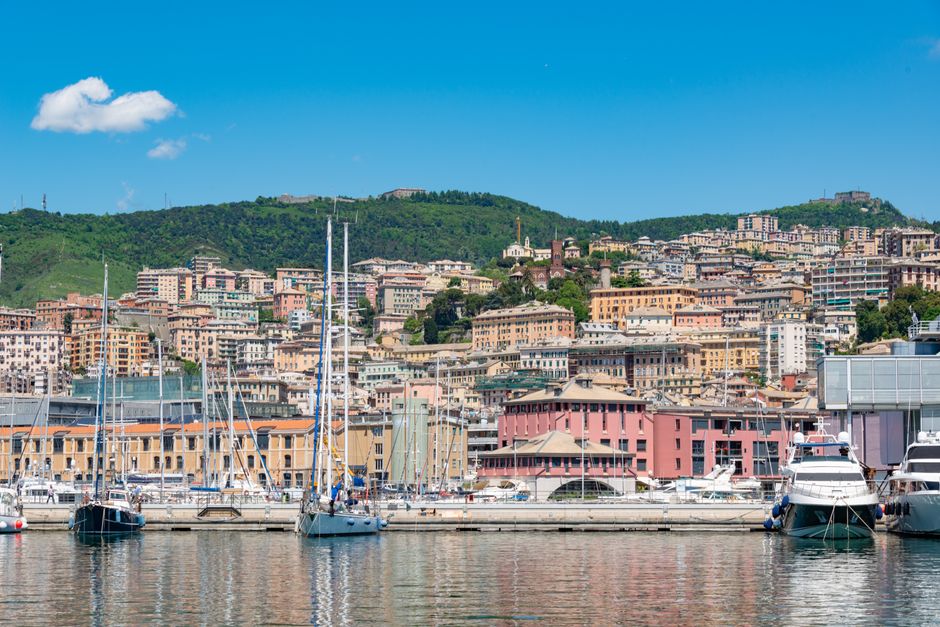
Genoa, Italy Travel Guide: Unveiling a Maritime Metropolis
Genoa, a sprawling port city perched on the Ligurian coast, offers a deeply authentic Italian experience, a stark contrast to the well-trodden tourist paths of Rome or Florence. This ancient maritime republic, historically a powerhouse of trade and seafaring, boasts a labyrinthine historic center, vibrant culinary traditions, and a dramatic natural setting. Navigating Genoa requires an appreciation for its gritty charm, its layered history, and its unpretentious spirit. This guide provides essential information for travelers seeking to explore this captivating Ligurian capital, from its iconic attractions to its hidden gems, culinary delights, and practical advice for an unforgettable visit.
The Historical Heart: A UNESCO World Heritage Labyrinth
Genoa’s most compelling draw is its Centro Storico, a UNESCO World Heritage site and one of the largest medieval old towns in Europe. Forget wide boulevards; here, narrow, winding alleyways known as caruggi twist and turn, opening unexpectedly onto sun-drenched piazzas or revealing hidden courtyards. This ancient quarter, once the beating heart of the Genoese Republic, is a living museum, a dense urban fabric where centuries of history are etched into the stone. To truly experience the Centro Storico, embrace getting lost. Wander aimlessly, allowing the atmosphere to envelop you. You’ll stumble upon artisanal workshops, centuries-old churches, and trattorias serving generations-old recipes. Key landmarks within this district include the magnificent Cattedrale di San Lorenzo, a stunning Romanesque-Gothic masterpiece with striking black and white marble facade, and the Palazzi dei Rolli. These opulent palaces, built by Genoa’s wealthy merchant families between the 16th and 18th centuries, served as temporary residences for visiting dignitaries. Several of these palaces are now open to the public, offering a glimpse into the city’s golden age of prosperity, showcasing lavish interiors and impressive art collections. The Palazzo Ducale, formerly the seat of the Doge, is another must-see, a grand complex that now hosts exhibitions and cultural events. Exploring the caruggi offers an immersive journey through Genoa’s past, revealing a city that has retained its unique character and resilience.
Iconic Landmarks and Must-See Attractions
Beyond the historic center, Genoa offers a collection of iconic landmarks that define its identity. The Acquario di Genova stands as one of Europe’s largest and most impressive aquariums, a modern marvel housed within a striking ship-like structure designed by Renzo Piano. It’s a captivating journey through marine biodiversity, featuring a vast array of aquatic life from the Mediterranean and beyond. Another significant modern landmark is the Bigo, a panoramic elevator also designed by Piano, offering breathtaking 360-degree views of the city, the port, and the sparkling Ligurian Sea. For a taste of maritime history, the Museo Navale (Naval Museum) is essential. It chronicles Genoa’s illustrious seafaring past, showcasing models of galleys, warships, and documents detailing its trading empire. The Lanterna, Genoa’s ancient lighthouse, is an enduring symbol of the city and a UNESCO World Heritage candidate. This imposing structure, dating back to the 12th century, has guided ships into the harbor for centuries and offers a rewarding climb for panoramic vistas. While not an attraction in itself, the Porto Antico (Old Port), largely revitalized and designed by Renzo Piano, has transformed from a bustling industrial hub into a vibrant leisure and cultural district, home to the aquarium, the Bigo, museums, restaurants, and shops. Its transformation symbolizes Genoa’s ongoing evolution, blending its maritime heritage with modern urban revitalization.
Culinary Delights: A Taste of Liguria
Genoa’s cuisine is deeply rooted in its geography and history, characterized by fresh, seasonal ingredients and a reliance on the bounty of the sea and the fertile Ligurian hinterland. The undisputed king of Genoese gastronomy is Pesto Genovese, a vibrant green sauce made with fresh basil, pine nuts, garlic, Parmigiano Reggiano, Pecorino Sardo, and Ligurian olive oil. It’s not merely a condiment but a culinary institution, traditionally served with trofie (a short, twisted pasta) or trenette (a flat pasta). Seek out trattorias that make their pesto fresh daily for an authentic taste. Beyond pesto, seafood plays a pivotal role. Expect to find exquisite dishes like Acciughe Ripiene (stuffed anchovies), Pesce Spada alla Griglia (grilled swordfish), and Fritto Misto di Mare (mixed fried seafood). For those seeking land-based flavors, Focaccia Genovese is an absolute must. This soft, slightly oily bread, often seasoned with rosemary and coarse salt, is a staple and a perfect accompaniment to any meal or a delicious snack on its own. Don’t miss trying Farinata, a thin, unleavened pancake made from chickpea flour, baked in a wood-fired oven. It’s a simple yet incredibly flavorful dish, often enjoyed as a street food. Other local specialties include Torta Pasqualina, a savory pie filled with ricotta, spinach, and eggs, and Cappon Magro, a complex seafood salad. Exploring Genoa’s food scene involves venturing into local markets like the Mercato Orientale, where you can sample fresh produce, cheeses, and cured meats, and indulging in the numerous trattorias and osterias that dot the caruggi.
Beyond the Tourist Trail: Uncovering Hidden Gems
Genoa’s true magic often lies in its lesser-known corners, offering authentic experiences away from the crowds. The Boccadasse, a charming former fishing village now absorbed into the city, retains its picturesque harbor and colorful houses, providing a tranquil escape. Stroll along its pebble beach and enjoy a gelato with a view. For art enthusiasts, the Galleria d’Arte Moderna e Contemporanea showcases a significant collection of Italian art from the 19th and 20th centuries. The Museo di Palazzo Rosso and Museo di Palazzo Bianco, located on Via Garibaldi within the Palazzi dei Rolli, house impressive collections of paintings, sculptures, and decorative arts. For a unique perspective on the city, take a walk through the Borzoli district, a former industrial area that has undergone significant urban regeneration, featuring street art and a more gritty, authentic urban landscape. Explore the Cimitero Monumentale di Staglieno, a vast and elaborate cemetery that is essentially an open-air museum, adorned with elaborate sculptures and mausoleums of prominent Genoese figures. The views from the cemetery’s upper terraces are also remarkable. Finally, immerse yourself in the local life by visiting a neighborhood market outside the immediate tourist zones, observing the daily interactions and sampling local delicacies.
Practical Information for Your Genoa Adventure
Getting There: Genoa Cristoforo Colombo Airport (GOA) is well-connected to major European cities. From the airport, you can reach the city center by bus (Volabus) or taxi. Genoa is also a major railway hub, with frequent trains connecting it to other Italian cities like Milan, Turin, and Rome, as well as international destinations.
Getting Around: The historic center is best explored on foot. For longer distances, Genoa has an efficient public transportation system, including buses and a metro. The metro is relatively short but useful for connecting key points. Taxis are readily available, but can be expensive. Consider purchasing a Genoa Card for unlimited public transport and discounted entry to attractions.
When to Visit: The shoulder seasons, spring (April-May) and autumn (September-October), offer pleasant weather and fewer crowds, making them ideal for exploration. Summer (June-August) can be hot and humid, with a larger influx of tourists. Winter (November-March) is milder than in many other parts of Europe, but some attractions may have reduced hours.
Accommodation: Genoa offers a range of accommodation options, from budget-friendly hostels and B&Bs to boutique hotels and luxury establishments. For an authentic experience, consider staying within or near the historic center. Booking in advance is recommended, especially during peak season.
Language: Italian is the official language. While English is spoken in tourist areas, learning a few basic Italian phrases will enhance your experience and be appreciated by locals.
Currency: The currency is the Euro (€). Credit cards are widely accepted in most establishments, but it’s advisable to carry some cash for smaller purchases or in more local areas.
Safety: Genoa is generally a safe city. However, like any urban center, it’s wise to be aware of your surroundings, especially in crowded areas, and to take precautions against pickpocketing. The caruggi can be dimly lit at night, so it’s advisable to stick to well-populated routes.
Essential Tips for an Authentic Genoa Experience:
- Embrace the caruggi: Get lost in the historic center. This is where the city’s soul resides.
- Eat like a local: Seek out trattorias and osterias serving traditional Ligurian dishes. Don’t be afraid to ask for recommendations.
- Visit a local market: Immerse yourself in the vibrant atmosphere and sample local produce.
- Learn a few Italian phrases: A little effort goes a long way in connecting with locals.
- Be open to its character: Genoa is not a picture-perfect postcard city; it’s a working, breathing metropolis with a raw, authentic charm.
- Utilize the public transport: It’s an efficient way to navigate the city beyond the walking routes.
- Consider a guided tour: A local guide can unlock hidden stories and provide valuable context to the city’s rich history and culture.
Genoa is a city that rewards the curious traveler. Its layered history, its vibrant culture, and its undeniable authenticity offer an Italian experience that is both deeply engaging and refreshingly different. This guide serves as a starting point for your exploration of this captivating Ligurian capital, encouraging you to delve deeper, discover its secrets, and forge your own unforgettable memories.


