
Tag Ireland Travel Guide 2

Ireland Travel Guide: Unveiling the Emerald Isle’s Treasures for the Discerning Traveler
Ireland, the Emerald Isle, beckons with its dramatic landscapes, rich history, and vibrant culture. This comprehensive travel guide delves into the heart of Ireland, offering practical advice and insider tips for a truly unforgettable experience. From the bustling streets of Dublin to the remote beauty of the Wild Atlantic Way, Ireland promises adventure, discovery, and a warm céad míle fáilte (a hundred thousand welcomes). Planning your trip requires understanding the best times to visit, efficient transportation options, and a strategic approach to accommodation. The shoulder seasons of spring (April-May) and autumn (September-October) offer a sweet spot, balancing pleasant weather with fewer crowds and more competitive pricing on flights and accommodation. Summer (June-August) is peak season, ideal for long daylight hours and lively festivals, but expect higher costs and busier attractions. Winter (November-March) can be atmospheric, with cozy pubs and fewer tourists, though daylight is limited and some attractions may have reduced hours. Navigating Ireland is relatively straightforward. Renting a car provides the ultimate freedom to explore off-the-beaten-path destinations, particularly in rural areas. Be prepared for narrow, winding roads, especially in the west, and remember to drive on the left. Major cities are well-connected by public transport. Ireland’s national railway service, Irish Rail, offers comfortable journeys between larger towns and cities. Bus Éireann operates an extensive bus network, reaching many smaller villages and rural locations. For intercity travel, especially between Dublin and major cities like Galway, Cork, or Belfast, express bus services offer a convenient and often more affordable alternative to the train. When considering accommodation, Ireland offers a diverse range, catering to all budgets and preferences. Hotels range from luxury five-star establishments in cities to charming boutique hotels in picturesque towns. Guesthouses and B&Bs provide a more intimate and personalized experience, often with home-cooked breakfasts. Hostels are ideal for budget travelers and those seeking a social atmosphere. For a truly authentic Irish experience, consider a farm stay or a self-catering cottage, especially if you plan to explore the countryside. Booking accommodation in advance is highly recommended, particularly during peak season and for popular areas.
Dublin: A City of History, Culture, and Craic
Dublin, Ireland’s vibrant capital, offers a compelling blend of historical significance and contemporary energy. The city’s compact nature makes it easily explorable on foot, with many key attractions clustered around the River Liffey and its surrounding districts. Trinity College, Ireland’s oldest university, is a must-visit, home to the breathtaking Long Room library and the illuminated Book of Kells. Temple Bar, while touristy, is the heart of Dublin’s traditional music scene, offering a lively atmosphere and countless pubs to experience live music sessions. For a dose of history, explore Dublin Castle, which has played a central role in Irish history for centuries. The Kilmainham Gaol offers a poignant glimpse into Ireland’s struggle for independence. Art enthusiasts will appreciate the National Gallery of Ireland, showcasing a vast collection of Irish and European art. For a taste of Dublin’s literary heritage, visit the Dublin Writers Museum. Beyond the main attractions, wander through the charming Georgian streets, discover independent boutiques, and soak in the convivial atmosphere of its many pubs. Enjoy a pint of Guinness at the Guinness Storehouse, learning about the iconic stout’s history and brewing process, culminating in a panoramic view of the city from the Gravity Bar. Consider a walking tour focused on literary Dublin, visiting the homes and haunts of literary giants like Joyce, Yeats, and Beckett. For a day trip from Dublin, consider the coastal towns of Howth or Dún Laoghaire, easily accessible by DART (Dublin Area Rapid Transit) for scenic walks and fresh seafood. Exploring Dublin’s culinary scene is also a delight, from traditional pubs serving hearty stews to innovative restaurants pushing the boundaries of modern Irish cuisine. Seek out opportunities to enjoy traditional Irish music sessions in pubs outside the immediate Temple Bar area for a more authentic experience.
The Wild Atlantic Way: A Coastal Masterpiece
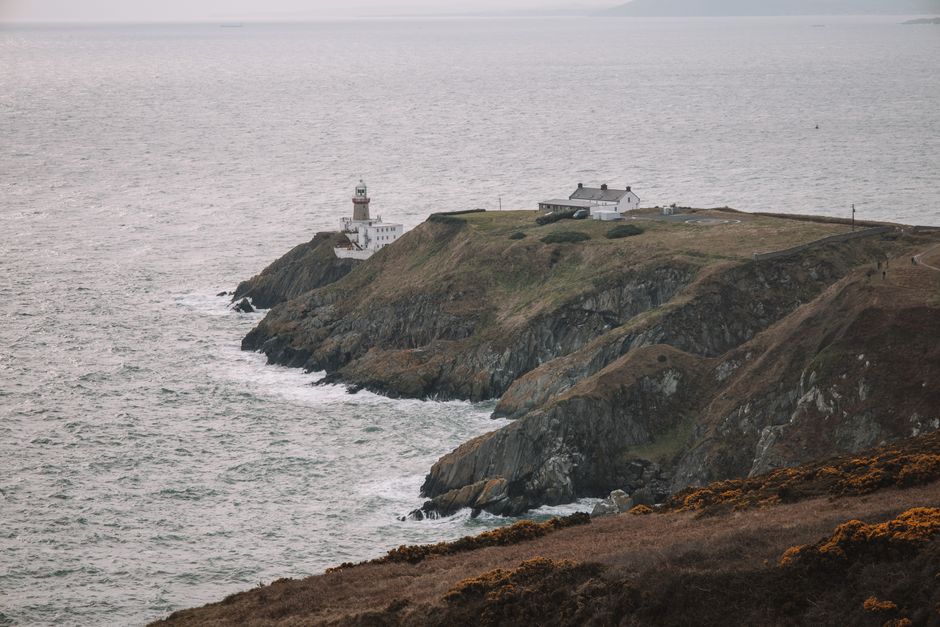
Stretching along Ireland’s western seaboard, the Wild Atlantic Way is a world-renowned scenic drive, promising unparalleled coastal beauty and rugged landscapes. This 2,500-kilometer route is not just a road; it’s an invitation to explore dramatic cliffs, secluded beaches, charming fishing villages, and ancient archaeological sites. Key highlights include the Cliffs of Moher in County Clare, towering over the Atlantic Ocean, offering breathtaking views and a sense of awe. The Burren, a unique karst landscape, presents a stark, almost lunar terrain dotted with rare flora and ancient megalithic tombs. Further north, Connemara in County Galway is characterized by its wild, windswept moors, mountains, and picturesque lakes. Visit Kylemore Abbey, a stunning Victorian walled garden and gothic church nestled beside a tranquil lake. The Aran Islands, accessible by ferry from Rossaveal or Doolin, offer a glimpse into a more traditional way of life, with thatched cottages, ancient forts like Dún Aonghasa, and a Gaelic-speaking community. Exploring the Wild Atlantic Way requires a flexible itinerary, allowing for spontaneous stops and immersion in the local culture. Factor in time for hikes, coastal walks, and boat trips to fully appreciate the dramatic scenery. Consider exploring sections of the route rather than attempting the entire length in a single trip to avoid feeling rushed. Each county along the Wild Atlantic Way offers its own distinct character and attractions. County Donegal, at the northernmost tip, boasts some of the most dramatic and unspoiled coastline, including Slieve League, higher than the Cliffs of Moher. County Mayo is home to Croagh Patrick, Ireland’s holy mountain, and the stunning Keem Bay. County Kerry, at the southern end, features the iconic Ring of Kerry and the Dingle Peninsula, both renowned for their scenic beauty and cultural heritage.
Galway City and the West: Culture, Music, and Aran Islands
Galway City, on the western coast, is a vibrant hub of culture, music, and traditional Irish life. Known for its bohemian atmosphere and lively pubs, Galway is a perfect base for exploring the surrounding region. Stroll through the Spanish Arch, wander down Quay Street with its colorful buildings, and soak in the street performers. The city is a gateway to the Aran Islands, a must-visit for an authentic taste of traditional Ireland. Take a ferry from Rossaveal to Inishmore, the largest of the islands, and rent a bicycle to explore its rugged landscape, ancient forts, and unique way of life. Connemara National Park offers breathtaking natural beauty with its mountains, bogs, and heathlands. Drive the scenic Sky Road near Clifden for panoramic ocean views. Explore charming villages like Roundstone and Cleggan. In Galway itself, immerse yourself in the traditional music scene, with sessions happening nightly in many pubs. Consider visiting the Galway City Museum for insights into the city’s history. For a truly immersive experience, try to time your visit with the Galway Arts Festival or the Galway Races. Exploring the wider region of the West of Ireland involves venturing into counties like Mayo and Clare, each offering unique attractions. In Mayo, the Céide Fields offer a glimpse into prehistoric farming practices, while the charming town of Westport provides a picturesque base for exploring the surrounding coastline. County Clare is synonymous with traditional Irish music and is home to the renowned Cliffs of Moher and the unique karst landscape of the Burren. Engaging with locals in pubs and villages is an integral part of the Galway and Western experience, offering opportunities to hear stories and learn about local traditions.
Northern Ireland: A Region of Remarkable Transformation
Northern Ireland, though a separate political entity, is an integral part of any comprehensive Ireland travel plan, offering its own distinct history, culture, and stunning natural attractions. Belfast, its capital, has undergone a remarkable transformation. The Titanic Belfast museum is a world-class attraction, telling the story of the ill-fated ship built in the city. Explore the political murals that tell the complex story of the Troubles, and consider a Black Cab Tour for a deeply insightful perspective. The Giant’s Causeway, a UNESCO World Heritage Site, is an iconic natural wonder on the Antrim Coast, featuring interlocking basalt columns formed by volcanic activity. The Causeway Coastal Route is one of the most scenic drives in the world, passing through charming villages, dramatic cliffs, and historic castles like Dunluce Castle. For Game of Thrones fans, the region offers numerous filming locations, including the Dark Hedges and Ballintoy Harbour. Consider visiting Glenariff Forest Park for beautiful waterfalls and walking trails. The Mourne Mountains, in the south, offer a more rugged and mountainous landscape for hiking and outdoor pursuits. Exploring Northern Ireland offers a chance to understand a different facet of the island’s history and identity, while still embracing the warmth of Irish hospitality. Be aware of the historical context when visiting sites related to the Troubles, and approach discussions with sensitivity and respect. Many tour operators offer guided tours that provide valuable historical context and insights.
Southern Ireland: Castles, Gardens, and Coastal Charm
The southern regions of Ireland offer a wealth of historical sites, beautiful gardens, and picturesque coastal towns, providing a diverse range of experiences for travelers. Cork, Ireland’s second-largest city, is known for its vibrant food scene, with the English Market being a particular highlight, showcasing local produce and artisan foods. Blarney Castle, near Cork, is famous for its Stone of Eloquence, which legend says grants the gift of gab to those who kiss it. The surrounding gardens are also beautiful to explore. Further west, County Kerry boasts the iconic Ring of Kerry, a spectacular scenic drive encircling the Iveragh Peninsula, with breathtaking views of mountains, lakes, and the Atlantic coast. The Dingle Peninsula, also in Kerry, is renowned for its dramatic landscapes, sandy beaches, and vibrant traditional music scene. Visit the charming town of Dingle for its colorful harbor and lively pubs. County Clare, while partly covered in the Wild Atlantic Way section, is also a key southern destination, with the Cliffs of Moher and the unique Burren landscape. The historic towns of Kinsale in County Cork and Kenmare in County Kerry are known for their culinary offerings and charming atmosphere. Consider visiting Muckross House and Gardens in Killarney National Park for a glimpse into Victorian estate life. Exploring the historic abbeys and ruins scattered throughout the south, such as Rock of Cashel in County Tipperary, provides a profound connection to Ireland’s ancient past. Planning your southern itinerary can involve focusing on specific counties or themes, such as exploring the culinary delights of Cork or the dramatic coastal scenery of Kerry. Many of these regions are well-served by organized bus tours, offering a convenient way to see multiple attractions.
Practical Travel Tips for Ireland
Beyond the specific destinations, several practical tips will enhance your Irish travel experience. The currency is the Euro (€). Credit and debit cards are widely accepted, but it’s advisable to carry some cash for smaller purchases in rural areas or for markets. The electrical voltage is 230V, and plugs are Type G (the same as the UK). Adapters are readily available. While English is spoken everywhere, learning a few basic Irish phrases will be appreciated by locals. The weather in Ireland is notoriously changeable. Be prepared for all four seasons in a single day, regardless of the time of year. Layers are key to comfortable dressing. Waterproofs are essential. Tipping is not mandatory in Ireland but is appreciated for exceptional service. A tip of 10-15% is common in restaurants if service is not included. For taxi drivers, rounding up the fare is customary. For accommodation, check if breakfast is included, as it often is in B&Bs and guesthouses. When driving, be mindful of road conditions, especially in rural areas, and be aware of farm machinery and livestock that may be on the roads. Public transport is a viable and often stress-free option, especially in cities and between major towns. Consider purchasing an ‘Explorer Pass’ for Irish Rail or Bus Éireann if you plan on extensive travel by public transport. Embrace the pace of life; Ireland is a place to slow down and enjoy the journey. Engage with locals; their stories and insights are invaluable. Respect the natural environment and historical sites, leaving no trace. Familiarize yourself with emergency numbers: 112 or 999 for all emergency services. For healthcare, ensure you have adequate travel insurance. Many pharmacies (chemists) are available for over-the-counter medications. For more serious medical needs, consult a local doctor or visit a hospital. The official tourism website, Discover Ireland, is an excellent resource for planning and inspiration. Booking popular tours and accommodations in advance, particularly during peak season, is highly recommended to avoid disappointment. Consider purchasing a prepaid SIM card upon arrival for affordable local calls and data. Finally, be open to the unexpected; it’s often in the unplanned moments that the most memorable experiences are found.


