
Tag Brazil Travel Guide

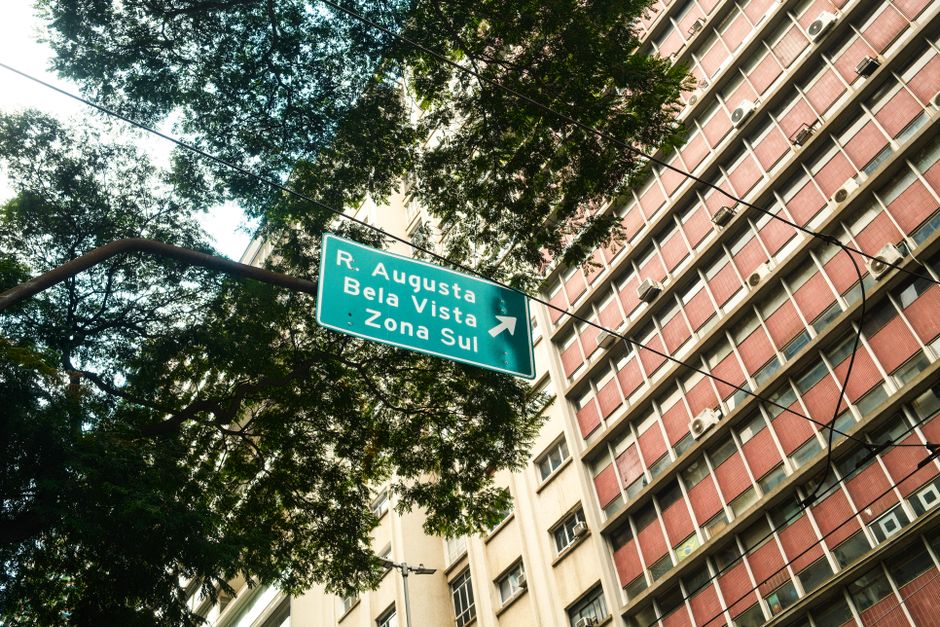
Brazil Travel Guide: Navigating South America’s Giant
Brazil, the undisputed titan of South America, sprawls across a vast and diverse landscape, offering an unparalleled travel experience. From the pulsating energy of its metropolises to the serene beauty of its Amazonian rainforest and the vibrant rhythm of its coastline, Brazil presents a kaleidoscope of cultures, adventures, and natural wonders. This comprehensive guide aims to equip travelers with the essential knowledge to navigate this colossal nation, ensuring a memorable and enriching journey. Understanding Brazil’s sheer scale is the first crucial step; with its immense size, efficient planning is paramount to maximizing exploration and minimizing travel time. The country is broadly divided into distinct regions, each boasting its unique character and attractions. The Southeast, home to iconic cities like Rio de Janeiro and São Paulo, is the economic and cultural heartland. The Northeast, renowned for its stunning beaches, rich Afro-Brazilian heritage, and colonial charm, beckons sun-seekers and history enthusiasts. The North, dominated by the Amazon Rainforest, offers unparalleled biodiversity and a glimpse into indigenous cultures. The Center-West, with its Pantanal wetlands and the Brasilia capital, appeals to nature lovers and those interested in modern Brazilian architecture. Finally, the South, with its European influences and cooler climate, offers a different, yet equally captivating, facet of Brazilian life.
Visa and Entry Requirements: Navigating Brazil’s entry protocols is a critical initial step. For many nationalities, including those from the United States, Canada, Australia, and many European Union countries, a visa is generally not required for tourist stays of up to 90 days, extendable for another 90 days within a 12-month period. However, it is imperative to verify the most current regulations with the Brazilian consulate or embassy in your country of origin, as these can change. Always ensure your passport has at least six months of validity beyond your intended stay and sufficient blank pages. Proof of onward or return travel may be requested upon arrival. Travelers are also advised to research any specific health recommendations, such as vaccinations, particularly if traveling to remote or rural areas.
Health and Safety: Prioritizing health and safety is non-negotiable for a successful trip to Brazil. Consult your physician well in advance of your travel to discuss recommended vaccinations, including Yellow Fever, Hepatitis A, and Typhoid. Malaria prophylaxis might be advised for certain regions, particularly the Amazon. For a country of its size and diverse environments, a comprehensive travel insurance policy is highly recommended, covering medical emergencies, evacuation, and trip cancellations. In urban areas, general precautions against petty crime, such as pickpocketing and bag snatching, are advisable. Avoid displaying expensive jewelry or electronics, be aware of your surroundings, and refrain from walking alone in poorly lit or unfamiliar areas, especially at night. Utilize reputable taxi services or ride-sharing apps. In more remote or natural settings, be mindful of the local flora and fauna. Heed any warnings from park rangers or local guides regarding wildlife, dangerous currents in rivers or the ocean, and the importance of staying on marked trails. Hydration and sun protection are crucial, especially in tropical climates.
Currency and Budgeting: The official currency of Brazil is the Brazilian Real (BRL). Exchange rates fluctuate, so staying informed is important for budgeting. ATMs are widely available in cities and larger towns, and credit cards are accepted in most hotels, restaurants, and larger shops. However, it’s advisable to carry some cash for smaller establishments, local markets, and for tipping. Tipping practices vary; a service charge of around 10% is often included in restaurant bills. For excellent service, an additional small tip is appreciated but not obligatory. Budgeting for Brazil is highly variable, depending on your travel style. High-end luxury accommodations and fine dining will significantly increase costs, while opting for guesthouses (pousadas), hostels, and local eateries can make it a more budget-friendly destination. Factor in transportation costs, which can be substantial for long distances. A mid-range traveler can expect to spend anywhere from $70 to $150 USD per day, excluding international flights.
Transportation: Navigating Brazil’s vast expanse requires careful consideration of transportation. For inter-city travel, domestic flights are often the most efficient, albeit the most expensive, option. Major airlines like LATAM, Gol, and Azul connect most significant cities. Long-distance buses are a more economical choice, offering extensive networks across the country. While slower than flying, buses can be comfortable, especially on executive or sleeper classes, and provide an opportunity to observe the changing landscapes. Within cities, taxis and ride-sharing apps like Uber and 99 are readily available. Public transportation in major cities like Rio de Janeiro and São Paulo includes extensive bus networks and, in some cases, metro systems, which are generally efficient and affordable. For exploring specific regions, rental cars can offer flexibility, but it’s important to be aware of varying road conditions and driving habits. Driving in major cities can be challenging due to heavy traffic and complex road systems. Ferries are essential for accessing some coastal islands, such as Ilha Grande, and for crossing major rivers.
Language: The official language of Brazil is Portuguese. While English is spoken in major tourist hubs and by some individuals in the hospitality industry, proficiency is not widespread. Learning a few basic Portuguese phrases will greatly enhance your travel experience and demonstrate respect for the local culture. Common greetings like "Olá" (Hello), "Bom dia" (Good morning), "Boa tarde" (Good afternoon), "Boa noite" (Good evening/night), "Obrigado/Obrigada" (Thank you – masculine/feminine), and "Por favor" (Please) are invaluable. Familiarizing yourself with numbers and common questions will also be beneficial. Many Brazilians are incredibly friendly and appreciate the effort to communicate in their language.
Climate and Best Time to Visit: Brazil’s colossal size means its climate varies dramatically by region and season. The Amazon Basin is consistently hot and humid, with a wet season from December to May and a dry season from June to November. The Northeast coast experiences a tropical climate with high temperatures year-round and distinct rainy seasons depending on the specific location. The Southeast, including Rio de Janeiro and São Paulo, has a subtropical climate, with hot, humid summers (December-March) and milder winters (June-August). The South has a more temperate climate with four distinct seasons, including cooler winters and warmer summers. The Pantanal is best visited during the dry season (May to September) when wildlife is more concentrated around water sources. Generally, the shoulder seasons (April-June and September-November) often offer a good balance of pleasant weather and fewer crowds across many popular destinations. For those specifically seeking carnival, February or March is the prime time, but expect high prices and large crowds.
Key Destinations and Experiences:
-
Rio de Janeiro: The "Marvelous City" is a global icon. Ascend Sugarloaf Mountain for panoramic views, marvel at the Christ the Redeemer statue atop Corcovado Mountain, soak up the sun on the legendary beaches of Copacabana and Ipanema, and immerse yourself in the vibrant atmosphere of Lapa’s nightlife. Experience the raw energy of a samba show or a football match at the Maracanã Stadium. Explore the historic Santa Teresa neighborhood with its charming cobblestone streets and art studios.
-
São Paulo: South America’s largest metropolis is a cultural and gastronomic powerhouse. Indulge in its world-class culinary scene, explore its numerous museums and art galleries (MASP, Pinacoteca), wander through the expansive Ibirapuera Park, and experience the city’s diverse neighborhoods, from the upscale Jardins to the bohemian Vila Madalena. São Paulo’s nightlife is legendary, offering endless options for every taste.
-
Iguazu Falls (Foz do Iguaçu): A UNESCO World Heritage Site, Iguazu Falls is one of the world’s most breathtaking natural wonders. Witness the sheer power and scale of hundreds of waterfalls cascading over a vast expanse. Explore both the Brazilian and Argentine sides for different perspectives and exhilarating boat tours that take you close to the thundering cataracts.
-
Salvador da Bahia: The heart of Afro-Brazilian culture, Salvador is a city steeped in history, music, and vibrant traditions. Explore the UNESCO-listed Pelourinho, a colonial district with colorful buildings and cobblestone streets, witness capoeira demonstrations, experience Candomblé ceremonies, and savor the delicious Bahian cuisine, such as acarajé and moqueca.
-
The Amazon Rainforest: Embark on an unforgettable adventure into the world’s largest tropical rainforest. Stay in an eco-lodge, take guided jungle walks, go on boat excursions to spot wildlife like monkeys, sloths, and a plethora of bird species, and learn about the incredible biodiversity and indigenous cultures. Manaus serves as a common gateway to this region.
-
The Pantanal: The world’s largest tropical wetland is a paradise for wildlife viewing. During the dry season, animals gather around shrinking water sources, making it an ideal destination for spotting jaguars, capybaras, caimans, and an incredible array of birdlife. Explore this unique ecosystem by jeep, boat, or horseback.
-
Florianópolis (Floripa): Located in the south, Florianópolis is an island city renowned for its stunning beaches, lively surf scene, and vibrant nightlife. It offers a more relaxed atmosphere compared to the bustling metropolises, with options for hiking, surfing, and enjoying fresh seafood.
-
Ouro Preto: A former gold-mining town in Minas Gerais, Ouro Preto is a remarkably preserved colonial gem. Its steep cobblestone streets, baroque churches adorned with gold leaf, and charming architecture transport visitors back in time. It’s a UNESCO World Heritage site and a testament to Brazil’s colonial past.
Cultural Etiquette and Customs: Brazilians are generally known for their warmth, friendliness, and expressiveness. Greetings often involve hugs and kisses on the cheek, even between new acquaintances. Personal space may be closer than in some other cultures. Punctuality is not always strictly observed, especially in social settings, so don’t be surprised if events start a little later than scheduled. In restaurants, it’s common for people to engage in lively conversation, so don’t be alarmed by the volume. Directness can sometimes be perceived as abrupt, so polite phrasing is appreciated. When invited to someone’s home, a small gift like wine or chocolates is a thoughtful gesture. It’s considered polite to accept food and drinks offered to you.
Responsible Tourism: As travelers, it is crucial to practice responsible tourism in Brazil. This involves respecting local cultures and traditions, minimizing your environmental impact, and supporting local economies. Avoid purchasing souvenirs made from endangered species. Be mindful of water consumption, especially in drought-prone areas. Support local businesses by dining at local restaurants and purchasing handicrafts directly from artisans. Learn about and respect indigenous communities, and avoid intrusive photography without permission. Choosing eco-friendly accommodations and tour operators can further contribute to sustainable tourism practices.
Food and Drink: Brazilian cuisine is a rich and diverse tapestry influenced by indigenous, African, European, and Asian culinary traditions. Must-try dishes include Feijoada, a hearty black bean and pork stew considered the national dish; Churrasco, a Brazilian barbecue featuring various cuts of grilled meat; Moqueca, a flavorful seafood stew (often made with fish or shrimp) in a coconut milk and dendê oil base; Pão de Queijo, a delicious cheese bread; and Acarajé, a savory fritter filled with shrimp and served with hot sauce. For dessert, Brigadeiros, small chocolate fudge balls, are a ubiquitous and beloved treat. Brazilian coffee is exceptional, and the country is the world’s largest producer. The national cocktail, the Caipirinha, made with cachaça (sugarcane spirit), lime, sugar, and ice, is a refreshing and potent drink.
Conclusion: Brazil offers an adventure unlike any other, a land of unparalleled natural beauty, vibrant cultures, and pulsating energy. By understanding its vastness, respecting its customs, and planning thoughtfully, travelers can unlock the extraordinary experiences this South American giant has to offer, creating memories that will last a lifetime. From the rhythm of samba to the serenity of the Amazon, Brazil awaits.


