
Marie Antoinette Pop Culture Icon

Marie Antoinette: The Enduring Reign of a Pop Culture Icon
Marie Antoinette’s image transcends her historical role as Queen of France, solidifying her as a potent and enduring pop culture icon. Her life, fraught with opulence, scandal, and ultimately, tragic demise, has been perpetually reinterpreted and sensationalized, captivating audiences across centuries and diverse media. From the gilded cages of Versailles to the silver screen and the digital realm, her persona has been molded and remolded, reflecting societal fascinations with royalty, rebellion, fashion, and the allure of the forbidden. This pervasive presence in popular culture is not accidental; it’s a testament to the potent narrative threads woven into her biography – a story of privilege, perceived excess, and a dramatic fall from grace that resonates with enduring power. Her association with lavish living, influential fashion, and a controversial reign continues to fuel artistic expression, academic discourse, and public fascination, cementing her status as a figure far more enduring than her brief historical tenure.
The genesis of Marie Antoinette’s pop culture reign can be traced to the very essence of her existence at the French court. Arriving as a young Austrian princess betrothed to the Dauphin, she was thrust into a world of rigid etiquette, suffocating expectations, and inherent political intrigue. Her perceived extravagance, from her elaborate hairstyles and opulent gowns to her extravagant spending on jewelry and palaces, became a focal point of public discontent. This image of a detached, pleasure-seeking queen, divorced from the struggles of the common people, was amplified by pamphlets and caricatures that circulated widely, planting the seeds of a narrative that would later be Hollywoodized. While historical accuracy often falls by the wayside in popular portrayals, the perception of her as a symbol of unchecked royal indulgence proved a potent and easily digestible narrative for subsequent generations. The infamous, albeit likely apocryphal, quote, "Let them eat cake," perfectly encapsulates this perception of callous indifference, becoming a shorthand for aristocratic detachment and a driving force behind revolutionary fervor. This quote, more than any documented action, solidified her image in the popular imagination as an out-of-touch monarch whose perceived ignorance fueled widespread resentment.
The evolution of Marie Antoinette’s pop culture persona is inextricably linked to the rise of new storytelling mediums. The late 19th and early 20th centuries saw her story adapted for the stage and, crucially, for cinema. Early silent films, like the 1912 production Marie Antoinette, began to visually cement her image, often portraying her with a dramatic flair befitting the melodramatic sensibilities of the era. These adaptations, while often romanticized, laid the groundwork for the lavish spectacles that would later define her cinematic portrayals. The introduction of sound and color in filmmaking allowed for even more immersive and visually arresting interpretations. The 1938 MGM film Marie Antoinette, starring Norma Shearer, is a prime example of this. It presented a more sympathetic, albeit still glamorous, version of the queen, focusing on her personal struggles and romantic entanglements within the confines of the French Revolution. This film, with its opulent sets and costumes, reinforced the visual iconography associated with Marie Antoinette – the towering hairstyles, the rustling silks, and the grand palaces – that would become synonymous with her image.
The latter half of the 20th century witnessed a further proliferation and diversification of Marie Antoinette’s presence in popular culture. Television miniseries and made-for-television movies continued to explore her life, often leaning into the dramatic and scandalous aspects. The 1975 CBS television film Marie Antoinette, starring Caroline Mortimer, offered another perspective, while still maintaining the visual splendor. However, it was the 2006 Sofia Coppola film Marie Antoinette that arguably brought the icon to a new generation and cemented her status as a contemporary pop culture phenomenon. Coppola’s interpretation deliberately eschewed historical strictures, opting instead for a visually arresting, anachronistic, and decidedly modern portrayal. Starring Kirsten Dunst, the film utilized contemporary music, fashion sensibilities (with a nod to the punk-rock aesthetic in its styling), and a focus on Marie Antoinette’s personal alienation and yearning for freedom. This bold reinterpretation resonated with a younger audience, sparking renewed interest in her life and, perhaps more importantly, in her enduring aesthetic. The film’s bold visual style and its sympathetic, if unconventional, portrayal of the queen offered a fresh perspective, positioning her not just as a historical figure but as a relatable, if flawed, young woman navigating a restrictive world.
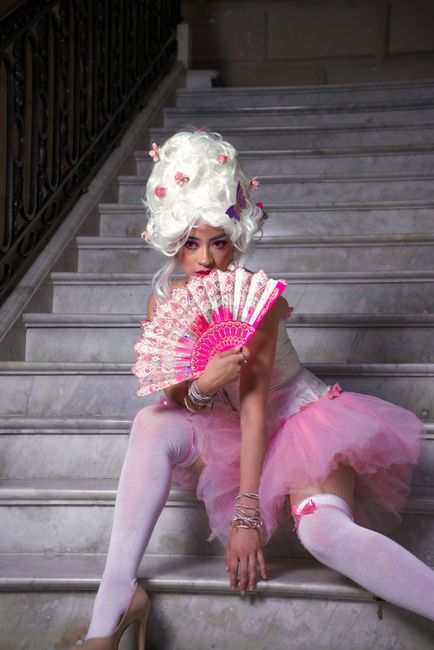
Marie Antoinette’s impact on fashion is a crucial element of her pop culture icon status. Even during her lifetime, she was a trendsetter, influencing court fashion and, by extension, European style. Her penchant for elaborate gowns, intricate hairstyles, and daring accessories like towering pouf hairstyles adorned with feathers and miniature objects, set a standard of opulence and extravagance. This aspect of her life has been consistently revisited and reinterpreted by designers, stylists, and fashion enthusiasts. The "Marie Antoinette style" has become a recognized aesthetic, characterized by historical silhouettes, luxurious fabrics, pastel colors, and an emphasis on embellishment and detail. Contemporary fashion designers, from haute couture houses to more accessible brands, frequently draw inspiration from the Rococo period and Marie Antoinette’s signature looks. Her influence can be seen in the enduring popularity of corsetry, voluminous skirts, and ornate detailing. Furthermore, the rise of social media platforms like Instagram and Pinterest has provided a fertile ground for the resurgence of this aesthetic. “Marie Antoinette-inspired” fashion shoots, cosplay, and personal style accounts celebrating her opulent look are abundant, demonstrating the persistent allure of her sartorial legacy. Her influence extends beyond mere imitation; it embodies a spirit of playful extravagance and a defiant embrace of femininity that continues to inspire.
Beyond film and fashion, Marie Antoinette’s narrative has permeated other areas of popular culture, including literature, music, and even video games. Countless novels have been written about her life, offering fictionalized accounts that delve into her relationships, her inner thoughts, and the dramatic events surrounding the French Revolution. These literary interpretations often serve to humanize her, exploring her perceived vulnerabilities and complexities, thereby further solidifying her as a compelling character for storytelling. Musically, her story has inspired operas, songs, and even concept albums, demonstrating the breadth of her narrative appeal. The enduring power of her story has also extended to the digital realm. Video games, such as the popular simulation game The Sims, have allowed players to recreate Versailles, dress characters in period-inspired fashion, and even reenact historical scenarios, subtly incorporating elements of the Marie Antoinette aesthetic. The musical Marie Antoinette by Michael Kunze and Sylvester Levay, and its subsequent Korean production, showcases the ongoing appeal of her dramatic story in musical theater, reaching new audiences through song and dance. This widespread presence across diverse artistic mediums underscores the remarkable adaptability and enduring relevance of her narrative.
The enduring fascination with Marie Antoinette can be attributed to several key thematic elements that resonate deeply within popular culture. Firstly, the narrative of the outsider – the foreign princess navigating a hostile foreign court – is a compelling archetypal story. Her perceived isolation and struggles with assimilation offer a relatable human element, even within her royal context. Secondly, her association with extreme wealth and privilege, while often a source of criticism in historical accounts, functions as a powerful element of fantasy in popular culture. The allure of the opulent lifestyle, the elaborate palaces, and the seemingly endless resources, tap into a universal human desire for escape and indulgence. Thirdly, her dramatic downfall and tragic execution represent a classic cautionary tale about the consequences of power, excess, and societal inequality. The romanticized tragedy of her final moments, often depicted with poignant pathos, adds a layer of dramatic intensity that captivates audiences. Finally, her complex and often contradictory image – both as a symbol of frivolous excess and as a victim of circumstance – allows for continuous reinterpretation and debate, ensuring her relevance across different eras and cultural perspectives. This multifaceted appeal, combining themes of alienation, fantasy, tragedy, and enduring mystery, is what ensures Marie Antoinette’s continued reign as a pop culture icon.
In conclusion, Marie Antoinette’s journey from historical figure to enduring pop culture icon is a testament to the power of narrative, visual representation, and thematic resonance. Her opulent lifestyle, her association with groundbreaking fashion, and the dramatic arc of her life – from the gilded halls of Versailles to the guillotine – have provided fertile ground for countless interpretations. Across film, literature, fashion, and digital media, her image has been continually re-envisioned, reflecting and shaping societal fascinations with royalty, rebellion, beauty, and tragedy. The "Let them eat cake" myth, the towering hairstyles, the Rococo aesthetic – these elements, amplified and recontextualized through popular culture, have solidified her status as an icon whose reign continues to captivate and inspire, proving that the legend of Marie Antoinette is far more enduring than the brief reign of the historical queen. Her story, whether fact or fiction, has become an indelible part of our cultural lexicon, ensuring her continued presence in the annals of pop culture history.


