
Tag San Juan Mountains

San Juan Mountains: A Comprehensive Guide to Colorado’s Rugged Southwest
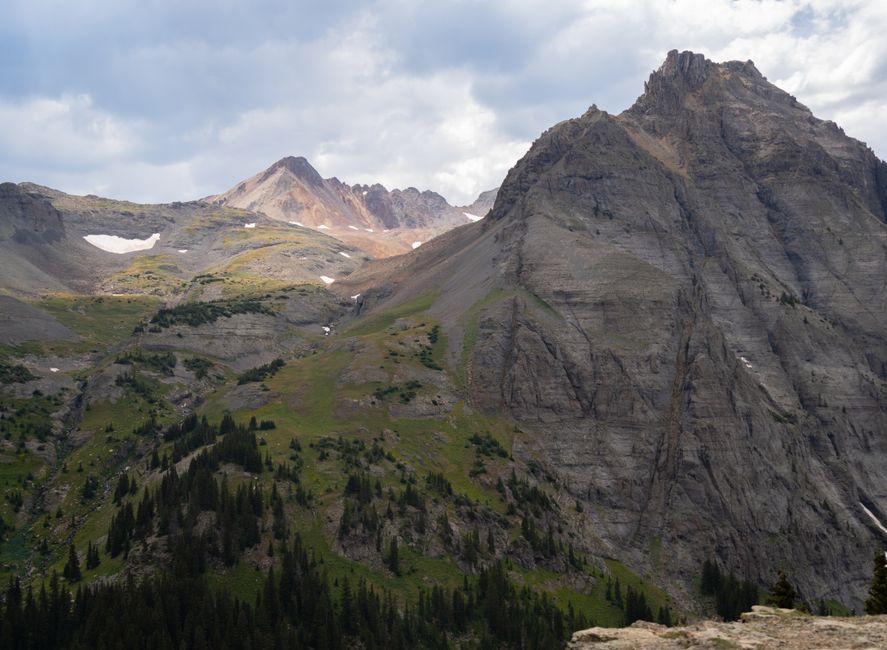
The San Juan Mountains, a majestic subrange of the Rocky Mountains, dominate the southwestern corner of Colorado, forming an iconic and geologically significant landscape. This dramatic mountain range is characterized by its high, rugged peaks, deep canyons, alpine lakes, and a rich history of mining and exploration. Spanning over 10,000 square miles, the San Juans are a vital ecological corridor and a premier destination for outdoor recreation, drawing visitors from around the globe seeking adventure, natural beauty, and a profound connection with the wilderness. The sheer scale and dramatic topography of the San Juans set them apart, with numerous fourteen-thousand-foot peaks, often referred to as "fourteeners," piercing the sky. These formidable summits, such as Mount Sneffels, Uncompahgre Peak, and Handies Peak, present significant challenges and rewards for experienced mountaineers. Beyond the highest elevations, the range is a tapestry of diverse ecosystems, from the Ponderosa pine forests at lower altitudes to the windswept alpine tundra above the tree line, supporting a remarkable array of plant and animal life. The San Juans are also a critical water source, with their snowmelt feeding major rivers that sustain agriculture and communities throughout the region.
Geological Formation and Unique Topography of the San Juan Mountains
The San Juan Mountains boast a complex and fascinating geological history, shaped by millions of years of volcanic activity, tectonic uplift, and subsequent erosion. The range is primarily composed of volcanic rocks, including andesite and rhyolite, remnants of massive eruptions that occurred during the Oligocene epoch, approximately 25 to 35 million years ago. These ancient lava flows, often several thousand feet thick, laid the foundation for the dramatic landscapes seen today. Subsequent uplift and faulting fractured and tilted these volcanic layers, creating the steep slopes and deep valleys that define the San Juans. The relentless forces of glaciation during the Pleistocene epoch further sculpted the mountains, carving out U-shaped valleys, cirques, and sharp arêtes. Evidence of this glacial activity is abundant, from the polished granite walls of canyons to the moraine deposits that dot the landscape. Erosion by wind, water, and ice continues to shape the mountains, slowly but surely wearing down the peaks and deepening the canyons. This ongoing geological process contributes to the dynamic and ever-changing character of the San Juan landscape. The presence of extensive mineral deposits, particularly gold, silver, and other precious metals, is directly linked to the volcanic and hydrothermal processes that formed the mountains. These mineral riches spurred the infamous mining booms of the late 19th and early 20th centuries, leaving a legacy of ghost towns and historic mining infrastructure scattered throughout the range. The distinctive jagged peaks, many of which are volcanic plugs or remnants of caldera rims, contribute to the San Juans’ reputation as one of the most visually striking mountain ranges in North America. The interplay of hard volcanic rock and softer sedimentary layers has resulted in diverse geological formations, including unique hoodoos, balanced rocks, and colorful badlands, particularly in the southern parts of the range. Understanding the geological underpinnings of the San Juans is crucial for appreciating the scale of its natural forces and the resilience of its ecosystems.
Biodiversity and Ecosystems Within the San Juan Mountain Range
The San Juan Mountains are a sanctuary of biodiversity, supporting a remarkable array of plant and animal life across its varied ecosystems. At lower elevations, mixed conifer forests dominate, featuring Ponderosa pine, Douglas fir, and white fir, interspersed with aspen groves that erupt in vibrant gold during the autumn months. These forests provide habitat for species such as mule deer, elk, black bears, and a variety of smaller mammals like chipmunks and marmots. As elevation increases, the forests transition to subalpine meadows and then to the harsh but beautiful alpine tundra. The subalpine zone is characterized by Engelmann spruce and subalpine fir, often appearing as krummholz due to the strong winds. These areas are rich in wildflowers during the short summer growing season, attracting pollinators like bees and butterflies. The alpine tundra, found above the tree line, is a treeless expanse dominated by hardy grasses, sedges, and low-growing flowering plants adapted to extreme cold, high winds, and intense solar radiation. This fragile ecosystem is home to pikas, yellow-bellied marmots, and ptarmigans, which display remarkable camouflage to blend with their surroundings. The San Juans are also a critical habitat for larger carnivores, including mountain lions and the reintroduced Mexican gray wolf, though sightings are rare. Birdlife is abundant, with species like Steller’s jays, Clark’s nutcrackers, and various raptors, including bald eagles and golden eagles, soaring through the skies. The numerous alpine lakes and streams are home to native trout species, and the rivers flowing from the San Juans support a healthy aquatic ecosystem. The ecological integrity of the San Juans is a testament to their relative remoteness and the ongoing conservation efforts to protect these vital habitats. The interconnectedness of these ecosystems means that the health of one directly impacts the others, highlighting the importance of preserving the entire range. The presence of rare and endemic species further underscores the ecological significance of this mountain wilderness.
Recreational Opportunities in the San Juan Mountains: Hiking, Climbing, and More
The San Juan Mountains offer an unparalleled playground for outdoor enthusiasts, boasting a vast network of trails, challenging climbing routes, and diverse opportunities for adventure. Hiking is arguably the most popular activity, with options ranging from easy strolls through alpine meadows to strenuous multi-day backpacking expeditions. Iconic trails include the Colorado Trail, which traverses the state and passes through the heart of the San Juans, and numerous segments of the Continental Divide Trail. For those seeking the challenge of high-altitude ascents, the San Juans are home to 14 of Colorado’s 54 fourteeners, drawing experienced climbers and hikers aiming to summit these giants. Mount Sneffels, Uncompahgre Peak, and Handies Peak are among the most sought-after fourteeners in the range. Technical rock climbing and mountaineering are also significant draws, with granite and volcanic rock formations offering a variety of challenges for climbers of all skill levels. Canyoning, a more specialized activity, is gaining popularity in the deeper gorges and slot canyons of the San Juans. Winter recreation transforms the mountains into a snow-covered wonderland. Ski resorts like Telluride, Purgatory, and Wolf Creek offer world-class downhill skiing and snowboarding, renowned for their abundant snowfall. Backcountry skiing and snowshoeing are also popular, providing opportunities to explore the pristine wilderness in its winter guise. Opportunities for fishing abound in the numerous alpine lakes and rivers, with rainbow trout, cutthroat trout, and brook trout being common catches. Hunters also frequent the San Juans in pursuit of elk, deer, and bighorn sheep during designated seasons. The scenic byways, such as the San Juan Skyway, offer breathtaking vistas for drivers and cyclists, allowing access to many trailheads and viewpoints. The sheer diversity of terrain and activities ensures that the San Juans cater to every level of adventurer, from the casual day-tripper to the seasoned alpinist.
Exploring Historic Mining Towns and Ghost Towns of the San Juans
The San Juan Mountains are steeped in a rich and often dramatic history, largely driven by the discovery of vast mineral wealth. The late 19th and early 20th centuries witnessed an intense mining boom, transforming the region into a hub of activity. This era left an indelible mark on the landscape, with numerous historic mining towns and abandoned ghost towns scattered throughout the mountain passes and remote valleys. Towns like Durango, Silverton, Ouray, and Telluride, while now popular tourist destinations, owe their origins and initial prosperity to the silver and gold mines that once thrived there. These towns retain much of their historic architecture and character, offering visitors a glimpse into the rugged past. Beyond these surviving communities, the San Juans are dotted with the remnants of countless smaller mining camps and individual claims that have long since been deserted. Exploring these ghost towns, such as Animas Forks, St. Elmo, and Crystal, provides a tangible connection to the pioneers who braved the harsh conditions in search of fortune. Dilapidated cabins, mine shafts, crumbling headframes, and rusting mining equipment are poignant reminders of the arduous labor and the often-unfulfilled dreams of the prospectors. The San Juan Mountains are a living museum of this mining heritage. The Durango & Silverton Narrow Gauge Railroad, a National Historic Landmark, offers a scenic journey through the mountains, retracing the historic routes used by steam-powered trains to haul ore. Understanding the mining history adds another layer of appreciation for the human endeavor that shaped this rugged terrain, complementing the natural beauty of the region. The stories of the miners, their struggles, and their triumphs are intrinsically linked to the geological bounty of the San Juans, making exploration of these historic sites a compelling experience.
Conservation Efforts and the Future of the San Juan Mountains
The preservation of the San Juan Mountains’ natural beauty, ecological integrity, and recreational opportunities is paramount for its long-term sustainability. Recognizing the ecological significance and the growing popularity of the region, numerous conservation efforts are underway. Organizations like the San Juan Mountains Association and various land trusts work diligently to protect wilderness areas, conserve wildlife habitats, and promote responsible land management practices. The designation of large tracts of land as wilderness areas, such as the Weminuche Wilderness and the Lizard Head Wilderness, ensures that these pristine environments remain undeveloped and accessible for future generations to experience. These wilderness designations are crucial for safeguarding the headwaters of important rivers, protecting sensitive alpine ecosystems, and maintaining the habitat for diverse wildlife, including endangered and threatened species. Sustainable tourism is a key focus, with an emphasis on minimizing environmental impact, respecting local communities, and educating visitors about conservation principles. Efforts are being made to manage increasing recreational use, particularly on popular trails and at popular destinations, to prevent overuse and degradation of natural resources. Monitoring the health of ecosystems, including water quality, forest health, and wildlife populations, provides valuable data for informing conservation strategies. The challenges of climate change also pose a significant threat to the San Juans, impacting snowpack, water availability, and the distribution of plant and animal species. Adaptation strategies are being developed to address these evolving environmental conditions. Collaborative efforts involving federal agencies, state governments, local communities, and non-profit organizations are essential for the ongoing conservation of this irreplaceable natural treasure. The future of the San Juan Mountains hinges on a continued commitment to balancing human use with ecological preservation, ensuring that this magnificent landscape endures for generations to come. The inherent value of the San Juans extends beyond their recreational or economic benefits; they represent a vital part of Colorado’s natural heritage and a critical component of the broader Rocky Mountain ecosystem.


