
Kyrgyzstan Soviet Union Towns

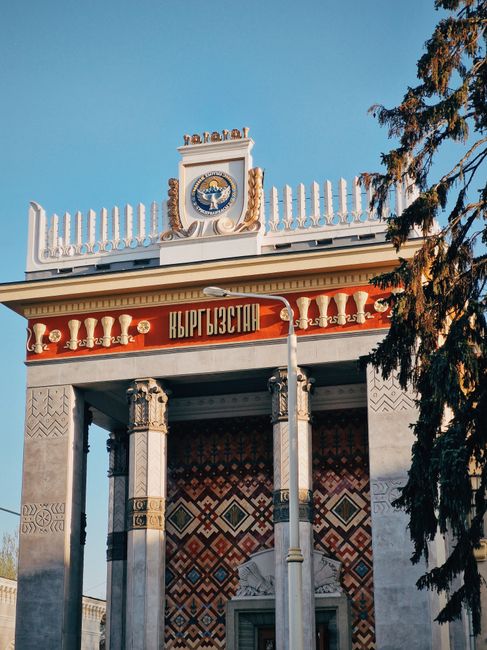
Kyrgyzstan’s Soviet Legacy: Unveiling the Architecture and Identity of Union Towns
The Soviet Union, a monolithic entity that shaped the geopolitical landscape of the 20th century, left an indelible mark on the architectural and social fabric of its constituent republics. Within Kyrgyzstan, the legacy of Soviet urban planning and construction is most palpably experienced in its numerous "Soviet towns" – settlements established or significantly expanded during the USSR’s existence, often built around specific industrial enterprises or strategic locations. These towns, while diverse in their origins and functions, share common architectural typologies, urban planning principles, and a collective history that continues to influence the identity of their inhabitants. Understanding these Soviet towns is crucial to comprehending modern Kyrgyzstan, as they represent not just remnants of a bygone era but active centers of life, industry, and culture.
The establishment and development of Soviet towns in Kyrgyzstan were driven by the Soviet Union’s overarching goals of industrialization, resource exploitation, and strategic control. Central planning dictated the creation of settlements designed to support mining operations, hydroelectric power generation, agricultural processing, and other key industries deemed vital for the Soviet economy. This led to the formation of mono-industrial towns, where the fate and character of the settlement were intrinsically linked to a single enterprise. Examples abound: towns like Mailuu-Suu, built around uranium processing, or the coal mining centers of Southern Kyrgyzstan, became synonymous with the industries they housed. The Soviet approach prioritized functionality and efficiency, often at the expense of aesthetic considerations or organic growth. This resulted in a distinct architectural language characterized by mass-produced housing blocks, utilitarian public buildings, and a standardized layout that prioritized access for industrial transport and worker commutes.
Architectural typologies form the most visible manifestation of the Soviet imprint. The iconic "Khrushchevka" and "Brezhnevka" apartment blocks, concrete structures designed for mass housing, are ubiquitous across these towns. These buildings, often five or nine stories high, feature small apartments, limited amenities, and a repetitive, functional design. While initially lauded for providing much-needed housing, their uniformity and sometimes poor construction quality have become a defining characteristic of Soviet urban landscapes. Beyond residential buildings, public spaces also reflect Soviet planning. Wide, tree-lined avenues, often named after Soviet leaders or revolutionary figures, connect key areas. Plazas adorned with statues of Lenin or other communist heroes, though many have since been removed or defaced, were central to the urban design, serving as focal points for public gatherings and political demonstrations. Functionalist administrative buildings, Houses of Culture (Palaces of Culture), and Pioneer Palaces – centers for youth activities – were also characteristic features, designed to foster a sense of collective identity and socialist ideology.
The urban planning of Soviet towns in Kyrgyzstan followed established Soviet principles, emphasizing a clear separation of functional zones and a grid-like street network. Industrial areas were typically located on the outskirts or downstream from residential areas to minimize pollution’s impact on the living environment. Green spaces, often in the form of parks and squares, were integrated into the urban fabric, though their design was often formal and geometrical rather than naturalistic. The concept of a "microdistrict" (mikrorayon) was also prevalent, a self-contained residential area with its own amenities like shops, schools, and kindergartens, designed to reduce the need for residents to travel long distances. This approach aimed to create a comprehensive living environment within close proximity to workplaces.
The geopolitical context of the Soviet Union’s dissolution in 1991 brought about profound changes for these towns. The collapse of the centralized economy led to the decline or closure of many industrial enterprises, leaving some towns economically crippled and their populations diminished. This economic shock had a ripple effect on the urban landscape, with many buildings falling into disrepair due to a lack of maintenance and investment. The ideological shift also impacted public spaces, leading to the removal of Soviet symbols and a re-evaluation of historical narratives. However, these towns did not simply disappear; they adapted. New economic activities emerged, often driven by local entrepreneurship and a growing engagement with global markets. The architectural legacy, however, remained, becoming a tangible link to the past and a point of reference for the present.
The identity of these Soviet towns is multifaceted. For many older residents, the Soviet era represents a period of stability, employment, and collective purpose, despite its political repressions. The shared experience of living in these planned environments, with their specific architectural features and social structures, has fostered a unique sense of community. Younger generations, who have no direct memory of the Soviet Union, often perceive the architecture as a given, a backdrop to their lives. They may see the Khrushchevkas as simply where they live, while the grander administrative buildings or defunct factories represent historical relics. Yet, the physical presence of these structures continues to shape their environment and, by extension, their understanding of history and identity. The Soviet legacy is not merely about buildings; it is about the social and economic systems that created them and the collective memories that endure.
The mining towns of Kyrgyzstan, particularly those in the north and south, exemplify the Soviet model of industrial settlement. Towns like Kadji-Sai and Aktuz, situated around uranium and rare earth element extraction, were developed with a strong focus on worker housing and infrastructure to support the mining operations. These settlements often feature multi-story apartment blocks, functional administrative buildings, and remnants of industrial complexes. The environmental legacy of these mining activities also forms a significant part of their story, with issues of radioactive waste disposal and soil contamination posing ongoing challenges. The economic fortunes of these towns have been heavily tied to the global demand for the minerals they produce, leading to cycles of boom and bust that have impacted their development and population dynamics.
The southern regions of Kyrgyzstan, with their agricultural and processing industries, also saw the development of Soviet towns. Towns like Jalal-Abad, while having older roots, experienced significant growth and transformation under Soviet rule with the expansion of cotton processing and other agro-industrial activities. Similar to other Soviet towns, they exhibit a combination of functionalist architecture and planned urban layouts. The presence of agricultural research institutes and processing plants often dictated the urban structure and employment base. The transition to an independent economy has seen shifts in these industries, affecting the economic viability and social dynamics of these towns.
The experience of living in a Soviet town is not monolithic. While the architectural forms might be similar, the specific historical context, industrial focus, and local cultural adaptations create distinct experiences. The once-grand Houses of Culture, now often struggling for funding and purpose, serve as poignant reminders of the ideological imperatives of the Soviet era. The statues of Lenin, once central to public life, are now often found in museums or private collections, replaced by national symbols and figures. The economic challenges of post-Soviet Kyrgyzstan have forced many residents to adapt, with informal economies and a greater reliance on remittances playing a significant role in the livelihoods of many.
The process of de-Sovietization, while varying in intensity and pace across the former Soviet republics, has also manifested in Kyrgyzstan. This involves the renaming of streets and public spaces, the removal of Soviet-era monuments, and efforts to re-evaluate historical narratives. However, the physical infrastructure remains, a constant reminder of the Soviet past. For some, these buildings are symbols of oppression and a failed ideology. For others, they represent a period of relative stability and economic security, a nostalgic view of a past that may be idealized. The younger generation is often caught between these two perspectives, navigating a landscape shaped by a history they did not directly experience.
The future of these Soviet towns in Kyrgyzstan is intrinsically linked to their ability to adapt and reinvent themselves in the post-Soviet era. Economic diversification, investment in infrastructure, and the preservation of their historical and architectural heritage are crucial for their continued vitality. Some towns are actively embracing their past, transforming old industrial sites into cultural hubs or museums, while others are focusing on attracting new industries and tourism. The unique architectural character of these settlements, while often criticized, can also be a source of interest and a draw for heritage tourism. The challenge lies in finding a balance between acknowledging and preserving the Soviet legacy and forging a distinct, forward-looking identity.
The ongoing transformation of these towns presents a complex socio-economic and cultural dynamic. The utilitarian design of Soviet-era housing, while providing shelter, often lacks the aesthetic appeal and amenities desired by modern residents. This has led to a growing trend of renovations and extensions, with residents adapting their living spaces to meet contemporary needs and tastes. The starkness of some Soviet architectural styles is being softened by vibrant colors, decorative elements, and the integration of private gardens and balconies. This organic evolution of the built environment reflects the resilience and adaptability of the people who inhabit these towns.
Furthermore, the role of the state and international organizations in the preservation and revitalization of these Soviet towns is a critical factor. Without targeted investment and supportive policies, many of these settlements risk further decay. Efforts to document their architectural heritage, promote sustainable urban development, and support local economies are essential for ensuring their long-term viability. The Soviet legacy in Kyrgyzstan is not a static artifact but a dynamic force that continues to shape the present and inform the future.
The narrative of Soviet towns in Kyrgyzstan is an ongoing one, marked by the enduring presence of their unique built environment and the evolving identities of their inhabitants. These settlements, born out of a grand ideological experiment, now stand as testaments to the complexities of history, the resilience of communities, and the continuous process of adaptation and reinvention in the face of profound societal change. Their architectural forms, once symbols of Soviet power and progress, are now canvases upon which new stories of life, work, and aspiration are being written.


