
Curacao Caribbean Island Lgbtq Friendly Guide

Curacao: A Caribbean Island LGBTQ+ Friendly Guide
Curacao, a Dutch Caribbean island nation, distinguishes itself not only through its vibrant Dutch colonial architecture, stunning beaches, and crystal-clear waters but also as a burgeoning destination renowned for its welcoming and inclusive atmosphere towards the LGBTQ+ community. This comprehensive guide delves into why Curacao is an exceptional choice for LGBTQ+ travelers, covering essential aspects from legal rights and social acceptance to specific attractions, accommodations, and activities that cater to and celebrate diversity. Understanding the island’s stance on LGBTQ+ rights provides a foundational context for the traveler’s experience. Curacao, as part of the Kingdom of the Netherlands, benefits from progressive legal frameworks. Same-sex marriage has been legal since 2010, and the island upholds anti-discrimination laws protecting LGBTQ+ individuals. This legal framework translates into a palpable sense of safety and acceptance, allowing visitors to relax and immerse themselves in the island’s offerings without concern. The local culture, while rooted in tradition, has embraced a modern, open-minded ethos, making Curacao a stand-out Caribbean destination for those seeking an authentic yet inclusive island getaway. The ease of travel to Curacao is also a significant draw. Frequently serviced by major airlines from North America and Europe, the island is accessible and relatively straightforward to reach, minimizing travel-related stress and maximizing vacation time.
The social climate on Curacao is one of overt acceptance and celebration of diversity. While overt displays of affection are generally accepted throughout the island, the LGBTQ+ community has established a strong presence, fostering a visible and vibrant scene. The capital city, Willemstad, is the epicenter of this activity, with numerous establishments actively welcoming LGBTQ+ patrons. Beyond the capital, the natural beauty and laid-back lifestyle of Curacao contribute to an environment where individuality is not just tolerated but embraced. Locals are known for their warmth and friendliness, and this extends naturally to visitors of all backgrounds and orientations. This pervasive sense of inclusivity is not merely passive; it’s actively cultivated. Local organizations and businesses often participate in pride events and awareness campaigns, demonstrating a genuine commitment to making Curacao a safe and enjoyable destination for everyone. This commitment is evident in the everyday interactions, from hotel staff to shopkeepers, creating a consistently positive and reassuring experience for LGBTQ+ travelers. The island’s multicultural heritage, with influences from Dutch, African, and Latin American cultures, has fostered a society that is, by its very nature, accustomed to diversity and open to new perspectives.
When considering accommodations, Curacao offers a diverse range of options that cater to LGBTQ+ travelers, ensuring comfort, privacy, and a welcoming environment. While many hotels across the island are inherently welcoming, some establishments have developed a reputation for being particularly LGBTQ+-friendly, often due to their location in vibrant areas, their staff’s training in diversity and inclusion, or their explicit marketing to the LGBTQ+ community. Boutique hotels in or near Willemstad, for example, often provide easy access to the island’s nightlife and cultural attractions, while also being known for their personalized service. For those seeking a more private or secluded experience, villas and apartments can be an excellent choice, offering more space and freedom. Many of these rentals are managed by companies or individuals who understand the needs of diverse travelers and are committed to providing a comfortable and safe stay. It is always advisable to check recent reviews and, if possible, contact the accommodation directly to inquire about their specific policies and offerings regarding LGBTQ+ guests. The island’s tourism board and various LGBTQ+ travel resources often feature curated lists of recommended accommodations, providing a helpful starting point for planning. The emphasis on personalized service in many of Curacao’s smaller establishments further enhances the feeling of being valued and respected.
Exploring Curacao’s culinary scene offers a delightful experience, and LGBTQ+ travelers will find a wide array of restaurants and cafes that are inclusive and cater to diverse tastes. From fine dining establishments in Willemstad to casual beachside eateries, the island boasts a rich gastronomic landscape. Local cuisine, heavily influenced by Dutch and Caribbean flavors, is a must-try. Dishes like Keshi Yena (stuffed cheese), fresh seafood, and local stews are widely available and delicious. Many restaurants, particularly those in popular tourist areas and nightlife districts, are accustomed to serving a diverse clientele and maintain a friendly and welcoming atmosphere. For those seeking specific LGBTQ+-friendly dining experiences, looking for establishments that are known for their vibrant atmosphere and central locations is often a good strategy. Bars and restaurants located in areas like Pietermaai, which is known for its lively nightlife and progressive outlook, are typically excellent choices. These venues often host events and welcome all patrons with open arms, contributing to the island’s inclusive reputation. Beyond the food itself, the experience of dining in Curacao is enhanced by the friendly service and the opportunity to mingle with locals and fellow travelers in a relaxed setting.
Curacao’s natural beauty is a primary draw, and its beaches are no exception. The island boasts over 35 beaches, each with its unique charm, and many of them are entirely welcoming to LGBTQ+ individuals. While there isn’t an officially designated "gay beach" in the same vein as some other destinations, many beaches offer a relaxed and uninhibited atmosphere where visitors can feel comfortable. Playa Kenepa (Grote Knip) and Playa Lagun are consistently lauded for their stunning natural beauty, crystal-clear waters, and excellent snorkeling opportunities, and they are frequented by a diverse range of beachgoers. Cas Abao beach is another popular spot, known for its white sand and calm waters. For those seeking a more secluded experience, smaller, less-trafficked coves can offer a sense of privacy. The general ethos of Curacao’s beach culture is one of casual enjoyment and respect for personal space, making most of the island’s shorelines a comfortable environment for everyone. The underwater world is equally accessible and inviting, with numerous dive sites and snorkeling spots teeming with marine life. The clear waters provide excellent visibility, making it an ideal location for exploring coral reefs and diverse aquatic species.
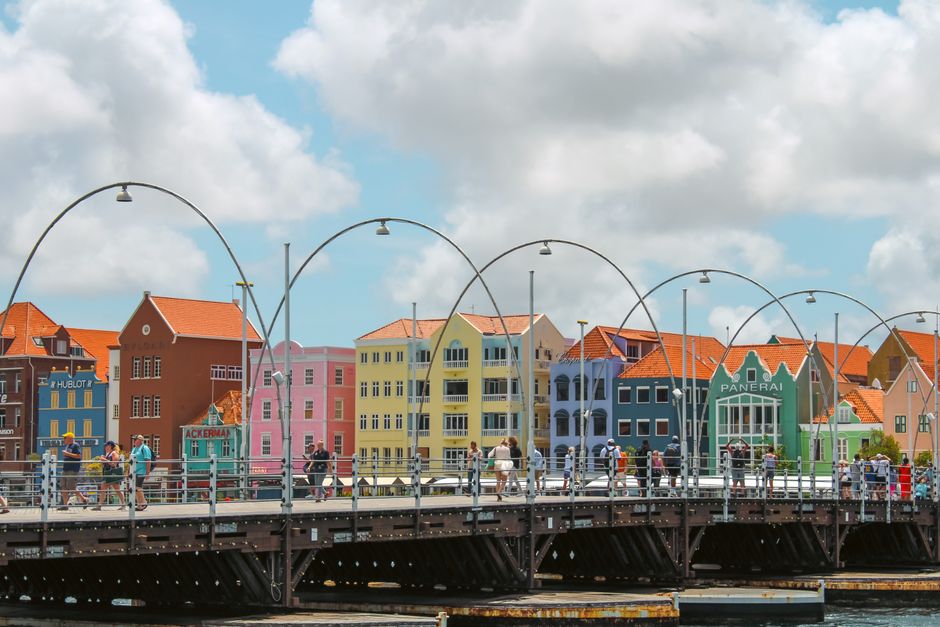
The cultural heart of Curacao beats in Willemstad, a UNESCO World Heritage site. Its colorful Dutch colonial architecture is not just visually striking but also indicative of the island’s history and its embrace of diverse influences. Exploring the Handelskade, with its iconic brightly painted buildings lining the harbor, is a quintessential Curacao experience. The city offers a wealth of cultural attractions, including museums, art galleries, and historical sites. The Jewish Cultural Historical Museum, one of the oldest synagogues in the Americas, stands as a testament to the island’s rich multicultural heritage and its historical tolerance. The Kura Hulanda Museum, which focuses on the history of slavery and its impact, offers profound insights into the island’s past. For LGBTQ+ travelers interested in art and local culture, Willemstad provides ample opportunities to engage with the island’s creative spirit. The vibrant street art scene in areas like Otrobanda also adds to the city’s dynamic cultural landscape. Walking tours and guided excursions are readily available and often highlight the unique blend of cultures that define Curacao. The ease of navigating Willemstad on foot or by local transport further enhances the exploration experience.
Curacao’s nightlife offers a dynamic and inclusive scene, particularly for the LGBTQ+ community. While there isn’t a sprawling gay district, the island’s bars and clubs are generally welcoming, and several establishments have become popular gathering spots for LGBTQ+ individuals and their allies. Pietermaai district is a hub of activity, with a concentration of bars, restaurants, and live music venues that attract a diverse crowd. Many of these establishments foster a lively and inclusive atmosphere, often hosting themed nights and events that are popular with the LGBTQ+ community. Mambo Beach Boulevard also features a range of bars and clubs that are generally welcoming. The emphasis on fun and relaxation in Curacao’s social scene means that most venues are open to everyone, and the vibrant energy is infectious. It’s not uncommon for LGBTQ+ travelers to find themselves mingling with locals and other visitors in a friendly and celebratory environment. For specific LGBTQ+-focused events, it’s advisable to check local listings or social media platforms closer to the travel dates, as these can vary. The island’s relaxed attitude extends to its nightlife, where the focus is on enjoyment and camaraderie.
Beyond the typical tourist activities, Curacao offers unique experiences that resonate with the spirit of inclusivity and adventure. Exploring the island’s less-visited corners, such as the Christoffel National Park, provides an opportunity to connect with nature and enjoy breathtaking landscapes. Hiking to the summit of Mount Christoffel offers panoramic views of the island. The park is also home to diverse flora and fauna, offering a tranquil escape from the bustling towns. For adrenaline seekers, water sports are abundant, from diving and snorkeling to jet skiing and parasailing. The pristine waters surrounding Curacao are ideal for exploring the underwater world. Cultural immersion can be further enhanced by visiting local markets, learning about traditional crafts, or attending local festivals and events. The island’s commitment to sustainability is also evident in its eco-tourism initiatives, offering opportunities for responsible travel and engagement with the natural environment. Exploring the vibrant underwater ecosystems through diving or snorkeling is a highlight for many, with numerous PADI-certified dive centers offering courses and excursions for all skill levels. The vibrant coral reefs and diverse marine life make for an unforgettable experience.
Travel logistics for LGBTQ+ travelers to Curacao are generally straightforward. The official language is Dutch, but Papiamento is widely spoken, and English and Spanish are also commonly used, particularly in tourist areas. This linguistic diversity makes communication easy for most international visitors. The currency is the Antillean Guilder (ANG), but US dollars are widely accepted. Getting around the island can be done through taxis, rental cars, or public buses. Renting a car offers the most flexibility for exploring the island at your own pace, allowing for spontaneous detours to hidden coves or local eateries. Many car rental agencies are accustomed to serving international visitors. For those who prefer not to drive, taxis are readily available, though it’s advisable to agree on a fare before commencing the journey. The island’s well-maintained road network makes travel relatively easy. The general safety of the island is also a factor for LGBTQ+ travelers. Curacao is considered a safe destination, with low rates of violent crime. However, as with any travel destination, it is always advisable to exercise common sense precautions, such as being aware of your surroundings, especially at night, and avoiding displaying excessive wealth.
The LGBTQ+ community on Curacao is active and engaged, contributing to the island’s inclusive reputation. Local organizations and initiatives work to promote awareness, provide support, and organize events that celebrate diversity. While there might not be a large number of exclusively LGBTQ+ venues, the prevailing atmosphere of acceptance means that most places are welcoming. Participating in local events or engaging with community organizations can offer a deeper connection to the island and its people. Many businesses, including hotels, restaurants, and tour operators, actively promote themselves as LGBTQ+-friendly, demonstrating a commitment to providing a positive experience for all visitors. The island’s tourism authority also plays a role in promoting Curacao as an inclusive destination. By supporting businesses that visibly embrace diversity, LGBTQ+ travelers can further contribute to the positive growth of LGBTQ+ tourism on the island. The visibility of the LGBTQ+ community, while not as overt as in some larger cities, is growing, and this contributes to a sense of belonging and comfort for visitors.
In conclusion, Curacao stands out as a premier Caribbean destination for LGBTQ+ travelers seeking an unforgettable vacation experience. Its progressive legal framework, deeply ingrained social acceptance, and vibrant cultural tapestry combine to create an environment where everyone feels welcome and celebrated. From its stunning beaches and diverse culinary scene to its lively nightlife and rich historical sites, Curacao offers a wealth of attractions and activities that cater to all tastes. The island’s commitment to inclusivity, evident in its accommodations, public spaces, and community initiatives, ensures that LGBTQ+ visitors can explore, relax, and immerse themselves in the beauty and warmth of this Dutch Caribbean gem with complete peace of mind. Curacao is not just a beautiful island; it is a testament to how diversity can enrich a society and create a truly welcoming paradise for all. The continued development of its tourism infrastructure and the ongoing dedication of its people to fostering an inclusive atmosphere solidify Curacao’s position as a top-tier LGBTQ+-friendly Caribbean destination.


