Trip Ideas National Parks Best Rv Campgrounds Joshua Tree National
Joshua Tree National Park: The Ultimate RV Camping Guide for Unforgettable Desert Adventures
Joshua Tree National Park, a surreal landscape sculpted by time and desert winds, offers an unparalleled experience for RV travelers seeking adventure, natural beauty, and stargazing opportunities. This iconic park, straddling the Mojave and Colorado Deserts in Southern California, is renowned for its unique rock formations, diverse plant life, and the namesake Joshua trees that dot the horizon like alien sentinels. For RV campers, Joshua Tree presents a canvas of possibilities, from primitive desert camping to well-equipped campgrounds offering essential amenities. Selecting the right RV campground is paramount to maximizing your experience, balancing accessibility, proximity to attractions, and the level of solitude you desire. Understanding the park’s geography, the best times to visit, and the specific offerings of each campground will ensure a seamless and memorable journey into this extraordinary desert ecosystem. This comprehensive guide will navigate you through the best RV campgrounds in and around Joshua Tree National Park, providing essential information for planning your ultimate desert adventure.
The park is divided into distinct regions, each offering a unique flavor of the desert. The western side, closer to the towns of Joshua Tree and Yucca Valley, is characterized by its iconic Joshua tree forests and a plethora of climbing and bouldering opportunities. The eastern side, leading towards Twentynine Palms, offers a more rugged and remote feel, with vast open spaces and less crowded trails. RV campgrounds are strategically located to offer access to both these areas, with some situated directly within the park boundaries and others just outside, providing a wider range of amenities and reservation options. When considering an RV campground for your Joshua Tree adventure, several factors come into play: proximity to trailheads and points of interest, availability of hookups (water, electric, sewer), dump stations, potable water, and restroom facilities. Cell service and Wi-Fi are also considerations for many RV travelers. Furthermore, the time of year significantly impacts campground availability and the overall park experience, with spring and fall offering the most pleasant temperatures for exploration.
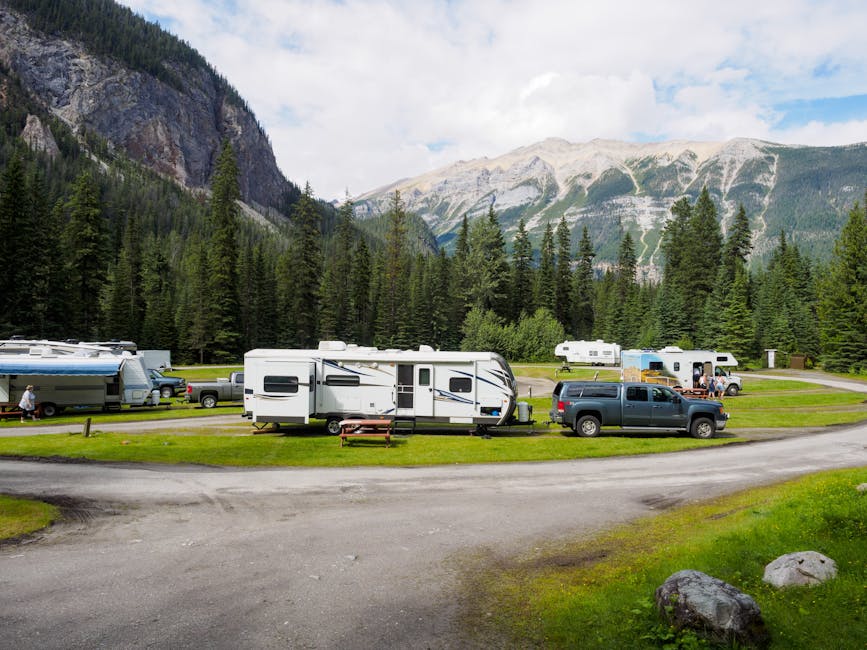
Within Joshua Tree National Park itself, the National Park Service (NPS) operates several campgrounds, many of which are first-come, first-served (FCFS), adding an element of spontaneity for those with flexible schedules. However, during peak seasons, these FCFS sites can fill up by early morning, necessitating an early arrival. The most popular campground for RVs within the park is Jumbo Rocks Campground. This campground, as its name suggests, is nestled amongst massive granite boulders, providing a truly immersive desert experience. While hookups are not available, Jumbo Rocks offers vault toilets and potable water. Its popularity stems from its central location, offering relatively easy access to popular hiking trails like Skull Rock Nature Trail and Barker Dam. The towering rock formations provide a dramatic backdrop, and the opportunity to explore among them is a major draw. For RVs, there are designated sites, and while spaciousness can vary, many offer a good sense of privacy amidst the boulders. It’s essential to note that many sites at Jumbo Rocks have length restrictions for RVs due to the natural landscape, so checking specific site dimensions and your RV’s length is crucial before arrival. The unique geological features of Jumbo Rocks create a visually stunning environment, making it a favorite for photographers and nature enthusiasts alike.
Another excellent in-park option for RVs is Hidden Valley Campground. This campground, also nestled among rock formations, is renowned as a mecca for rock climbers and boulderers, but its scenic beauty and accessible trails make it appealing to all types of visitors. Hidden Valley offers vault toilets and potable water but no hookups. Like Jumbo Rocks, it’s primarily FCFS, and early arrival is highly recommended, especially during the spring and fall months. The campground is situated in a bowl-shaped area surrounded by impressive rock formations, creating a natural amphitheater effect. Trails from Hidden Valley lead to popular climbing areas and offer opportunities for short, scenic hikes. The abundance of Joshua trees in this area adds to its iconic desert charm. For RVs, site availability and suitability can vary, and it’s always wise to have a backup plan if you arrive late in the day. The proximity to well-known climbing spots and the overall picturesque setting make Hidden Valley a highly sought-after camping destination.
For those seeking a more primitive and dispersed camping experience within the park, the Belle Campground and Cottonwood Campground offer alternatives, though they may have more limited amenities for larger RVs. Belle Campground is a smaller, FCFS campground with vault toilets and potable water. It’s generally quieter than Jumbo Rocks or Hidden Valley, offering a more tranquil desert experience. Cottonwood Campground, located in the southern portion of the park near the transition to the Colorado Desert, offers a different ecological perspective with a more arid landscape and fewer Joshua trees. It has vault toilets and potable water, and some sites are suitable for larger RVs. Cottonwood also has a campground host and is often less crowded than the northern campgrounds. This southern location provides access to trails like the Cottonwood Spring Oasis trail, offering a glimpse into a different side of Joshua Tree’s biodiversity. While these campgrounds are more rustic, they provide an authentic desert camping experience for those prepared to forgo hookups.
Venturing just outside the park boundaries reveals a plethora of private campgrounds and RV parks that offer a wider range of amenities, including full hookups, dump stations, Wi-Fi, and sometimes even pools and laundry facilities. These options can be particularly attractive for longer stays or for RVers who require more creature comforts. The town of Joshua Tree and Yucca Valley, located on the western edge of the park, are prime locations for these private campgrounds. Joshua Tree Lake RV Park is a popular choice, offering stunning views of Joshua Tree Lake (when full) and a peaceful desert setting. They provide full hookups, Wi-Fi, and a range of amenities. The park’s proximity to the west entrance of Joshua Tree National Park makes it incredibly convenient for day trips. Another well-regarded option is Pioneertown Motel & RV Park, offering a unique Western-themed experience with RV sites available. While less of a traditional RV park, it provides hookups and a memorable atmosphere.
Further afield, but still offering convenient access to the park, are RV parks in towns like Twentynine Palms and Indio. Twentynine Palms RV Resort provides full hookups, Wi-Fi, and a host of amenities, making it a comfortable base for exploring the eastern side of the park. Its location offers easier access to areas like Joshua Tree’s Marine Corps base and the less-visited eastern trails. KOA Journey Joshua Tree in Twentynine Palms also offers a familiar and reliable option for RVers, typically providing full hookups, Wi-Fi, and other standard KOA amenities. For those arriving from the south or looking for a more resort-style experience, RV parks in Indio can be considered, though they are a longer drive to the main park entrances. These often provide extensive amenities but come with a greater daily driving commitment to reach Joshua Tree National Park’s most popular attractions.
When planning your RV trip to Joshua Tree, understanding the park’s regulations and best practices is crucial. Reservations for NPS campgrounds are not typically taken, as most are FCFS. However, during peak seasons, arriving before 8 AM is often necessary to secure a spot. For private campgrounds, reservations are highly recommended, especially during the busy spring and fall months. The park’s desert environment can be extreme. Temperatures can fluctuate significantly between day and night, and extreme heat is common during the summer months, making it less ideal for RV camping and exploration. Spring (March to May) and fall (October to December) offer the most pleasant weather for RV travel and outdoor activities, with wildflowers blooming in the spring and comfortable temperatures for hiking. Winter can be cold but offers clear skies for stargazing.
Water conservation is paramount in this arid region. RV travelers should be mindful of their water usage and utilize dump stations appropriately. Fire restrictions are also common in Joshua Tree, and campfires may be prohibited, especially during dry periods. Always check the latest fire regulations before your visit. Propane stoves are generally permitted for cooking. For RVs, it’s essential to ensure your vehicle is well-maintained and prepared for desert driving. Tires should be in good condition, and you should carry spare tires and appropriate tools for potential roadside issues.
Navigation within the park is straightforward, with well-maintained paved roads providing access to most major points of interest and campgrounds. However, some unpaved roads lead to more remote camping areas and trailheads; these are generally suitable for high-clearance vehicles or can be accessed by foot from established campgrounds. Cell service can be spotty throughout the park, so downloading offline maps and important information is highly recommended. The lack of reliable cell service also contributes to the park’s tranquil atmosphere, encouraging visitors to disconnect and immerse themselves in nature.
The stars at night in Joshua Tree National Park are a spectacle of unparalleled beauty, making it an International Dark Sky Park. RV campgrounds within and around the park offer incredible opportunities for stargazing. Away from city lights, the Milky Way is clearly visible, and the sheer number of stars is awe-inspiring. Many campgrounds provide excellent vantage points for observing the night sky, and some even offer interpretive programs on astronomy.
Popular activities for RV campers in Joshua Tree include hiking, rock climbing, bouldering, photography, bird watching, and simply enjoying the unique desert landscape. Iconic trails like Barker Dam Nature Trail, Skull Rock Nature Trail, Ryan Mountain Trail, and Boy Scout Trail offer varying levels of difficulty and access to diverse scenery. The otherworldly rock formations are a constant source of wonder, and exploring them on foot is a quintessential Joshua Tree experience. For those with vehicles equipped for rougher terrain, exploring some of the park’s dirt roads can lead to more secluded areas and unique geological features.
In summary, Joshua Tree National Park offers a compelling destination for RV adventurers. The choice between in-park campgrounds and nearby private RV parks depends on individual preferences for amenities, budget, and desired level of solitude. While NPS campgrounds like Jumbo Rocks and Hidden Valley provide an immersive, natural experience, they require early arrival and a willingness to forgo hookups. Private campgrounds in Joshua Tree, Yucca Valley, and Twentynine Palms offer a more comfortable and amenity-rich stay, with the added benefit of guaranteed spots through reservations. Regardless of your chosen campground, careful planning, adherence to park regulations, and a preparedness for desert conditions are essential for an unforgettable journey into this extraordinary natural wonder. The unique geological formations, the iconic Joshua trees, and the breathtaking night skies combine to create an experience that will stay with you long after you’ve left the desert.