First Time Guide To Tuscany
Tuscany First Timer’s Guide: Navigating the Renaissance Heart of Italy
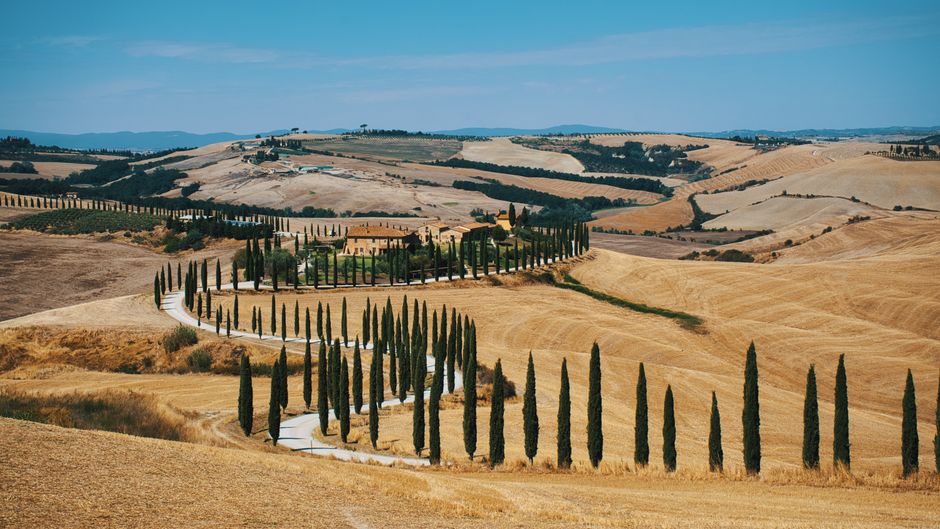
Tuscany, a region synonymous with rolling hills, cypress-lined avenues, Renaissance art, and world-class wine, presents an intoxicating prospect for first-time visitors. This comprehensive guide aims to equip you with the essential knowledge to craft an unforgettable Tuscan adventure, focusing on practicality, popular destinations, and achievable itineraries. Forget the vague romantic notions; this is about maximizing your experience in one of Italy’s most beloved destinations.
The Tuscan Landscape: More Than Just Pretty Postcards
Understanding Tuscany’s geography is crucial for planning. The region is broadly divided into distinct areas, each offering a unique flavor. Florence, the capital, sits at the heart of its artistic and historical significance. To the south, the Chianti region unfolds with its vineyards and medieval villages, a must for wine enthusiasts. Further south, the Val d’Orcia showcases the iconic, postcard-perfect landscapes – a UNESCO World Heritage site renowned for its photogenic qualities. The Maremma coastline offers a more rugged, less-trodden experience, while areas like Lucca and Pisa, though often visited together, provide distinct historical and architectural draws. Consider the balance: do you seek urban immersion, countryside tranquility, or coastal charm? Your choice will dictate your base and travel patterns.
Essential Tuscan Cities and Towns: A Curated Selection
For a first-time visit, a focused approach is best to avoid overwhelm. Florence is non-negotiable. Its Uffizi Gallery, Accademia Gallery (home to Michelangelo’s David), Duomo, Ponte Vecchio, and Pitti Palace represent a dense concentration of art and history that can consume several days. Plan your museum visits in advance and book tickets online. Florence serves as an excellent starting point and a hub for day trips.
Siena, south of Florence, offers a medieval contrast. Its Piazza del Campo, the shell-shaped main square, is breathtaking and hosts the Palio horse race. The Duomo di Siena is another architectural masterpiece. Pisa, famous for its Leaning Tower, is often a quick stop, but the surrounding Piazza dei Miracoli is architecturally significant and worth more than a fleeting glance. Lucca, a walled city, offers a charming, walkable experience with its intact Renaissance walls providing a unique perspective. Cycling or walking atop these walls is a quintessential Lucca activity.
For those drawn to the quintessential Tuscan countryside, a visit to a Chianti town like Greve in Chianti or Castellina in Chianti is essential. These are gateways to wine tasting and experiencing the agricultural heart of the region. The Val d’Orcia’s towns like Pienza (known for its pecorino cheese and Renaissance urban planning), Montalcino (home to Brunello wine), and Montepulciano (famous for Vino Nobile) offer stunning views and culinary delights.
Crafting Your Tuscan Itinerary: Balancing Pace and Depth
A common mistake for first-timers is attempting to see too much. Tuscany is best savored. For a 7-day trip, a balanced approach could look like this:
- Days 1-3: Florence. Immerse yourself in art and history. Explore the key museums, walk across the Ponte Vecchio, climb to Piazzale Michelangelo for panoramic views at sunset. Consider a guided walking tour to gain context.
- Day 4: Siena & San Gimignano Day Trip (from Florence or a Southern Base). Witness Siena’s grandeur and marvel at the medieval towers of San Gimignano, a UNESCO World Heritage site. This can be done via organized tour or by renting a car.
- Days 5-6: Chianti or Val d’Orcia (Base in a Countryside Town). Choose one to experience the rolling hills, vineyards, and charming villages. Focus on wine tasting, enjoying local cuisine, and scenic drives. If basing in the Val d’Orcia, Pienza, Montalcino, and Montepulciano are prime targets.
- Day 7: Pisa & Lucca (en route to departure or as a separate day trip). A quick visit to Pisa’s iconic tower followed by a leisurely exploration of Lucca’s walls and charming streets.
Alternatively, for a more relaxed 10-day itinerary:
- Days 1-4: Florence. Deeper exploration, perhaps a cooking class, and visiting lesser-known museums.
- Days 5-7: Siena & Southern Tuscany (Base in Siena or a Val d’Orcia town). Spend more time in Siena, explore the smaller villages of the Val d’Orcia, and dedicate significant time to wine tasting.
- Days 8-9: Chianti Region (Base in a Chianti town). Focus on vineyard tours, olive oil tasting, and enjoying the rustic beauty.
- Day 10: Pisa & Lucca. Ample time to enjoy both cities.
Consider your travel style. Are you a fast-paced sightseer or a slow traveler who prefers to linger?
Transportation: Navigating Tuscany Effectively
Tuscany is a region where transportation choices significantly impact your experience.
- Rental Car: The ideal way to explore the Tuscan countryside. It offers unparalleled freedom to stop at scenic viewpoints, discover hidden trattorias, and navigate between smaller towns at your own pace. Essential for the Chianti and Val d’Orcia regions. Be aware of ZTLs (Limited Traffic Zones) in city centers – these are areas where non-residents are restricted from driving, and fines are substantial. Research these zones for every town you plan to visit. Parking can also be a challenge in popular areas.
- Trains: Excellent for inter-city travel between major hubs like Florence, Siena, Pisa, and Lucca. It’s convenient, cost-effective, and avoids ZTL issues and parking woes. However, trains are not practical for exploring the countryside or smaller villages.
- Buses: Connect some towns and villages, but schedules can be less frequent and more complex than trains. A viable option if a car is not feasible but not as flexible as driving.
- Organized Tours: A good option for first-timers who want to see multiple sites without the hassle of driving and logistics. Many tours offer day trips from Florence to Siena, San Gimignano, Pisa, and the Chianti region. This can be a stress-free way to get an overview, but offers less flexibility.
For most first-timers wanting to experience both cities and countryside, a combination of trains for city travel and a rental car for a few days to explore the rural areas is highly recommended. If you’re not comfortable driving on narrow, winding roads or in unfamiliar traffic, consider basing yourself in Florence and taking day trips via train or organized tour.
Accommodation: From Agriturismo to Boutique Hotels
Tuscany offers a diverse range of accommodation options to suit various budgets and preferences.
- Agriturismo: The quintessential Tuscan rural experience. These are working farms that offer lodging, often with delicious home-cooked meals made from their own produce. They provide an authentic connection to the land and a peaceful escape. Ideal for countryside exploration.
- Hotels: Available in all cities and towns, from luxury to budget. Florence offers a wide array of boutique hotels and larger establishments.
- Apartment Rentals (Airbnb, etc.): A great option for families or longer stays, offering more space and the ability to self-cater.
- Villas: For larger groups or those seeking ultimate privacy and luxury, renting a villa is an option, though typically more expensive.
When choosing your accommodation, consider its location relative to your planned activities and transportation. Staying within walking distance of major attractions in cities can save time and eliminate parking concerns. For countryside stays, proximity to a charming village or vineyard area is key.
Culinary Delights: Tasting Tuscany
Tuscan cuisine is celebrated for its simplicity, quality ingredients, and robust flavors.
- Bistecca alla Fiorentina: The iconic Florentine steak, a thick-cut T-bone steak, grilled over charcoal and typically served rare. A must-try for meat lovers.
- Pici: Thick, hand-rolled pasta, often served with rich sauces like aglione (garlic tomato sauce) or wild boar ragu.
- Ribollita: A hearty, peasant soup made with bread, beans, and vegetables. Perfect for cooler evenings.
- Pecorino Toscano: Sheep’s milk cheese, a staple in Tuscan cooking and enjoyed on its own. Pienza is particularly famous for its pecorino.
- Olive Oil: Tuscany is renowned for its high-quality olive oil. Enjoy it drizzled on bread, salads, and vegetables.
- Wine: This deserves its own section.
The Wine of Tuscany: A Viticultural Pilgrimage
Tuscany is globally recognized for its exceptional wines.
- Chianti Classico: The heart of the Chianti region, known for its Sangiovese-based red wines. Look for the Gallo Nero (black rooster) seal on the bottle, indicating it’s from the historic Chianti Classico zone.
- Brunello di Montalcino: A powerful, age-worthy red wine made from 100% Sangiovese grapes from the Montalcino area. Considered one of Italy’s finest wines.
- Vino Nobile di Montepulciano: Another Sangiovese-based red, from the town of Montepulciano, offering a slightly softer profile than Brunello but still complex and elegant.
- Super Tuscans: A category of Tuscan wines that break traditional Italian wine laws, often using international grape varietals or less common Tuscan ones, and employing modern winemaking techniques. They are often high in quality and price.
Wine Tasting Etiquette and Tips:
- Bookings: For serious wine tasting, especially at renowned wineries, booking in advance is essential. Many wineries offer tours and tastings by appointment only.
- Transportation: If you plan to taste extensively, designate a sober driver or utilize private drivers/tours.
- Ask Questions: Don’t be afraid to ask your host questions about the wine, the vineyard, and the region.
- Pace Yourself: Enjoy the experience, don’t rush through tastings.
- Consider a "Strada del Vino": Wine routes, like the Strada del Chianti, guide you through picturesque vineyard landscapes with designated wineries to visit.
Practical Tips for a Smooth First Visit
- Best Time to Visit: Spring (April-May) and Autumn (September-October) offer pleasant weather, fewer crowds, and beautiful scenery. Summer (June-August) is hot and crowded, while winter (November-March) can be cold and wet, with some attractions having reduced hours.
- Language: Italian is the official language. While English is spoken in tourist areas, learning a few basic Italian phrases (hello, thank you, please, excuse me) will be greatly appreciated.
- Currency: Euro (€).
- Tipping: Tipping is not as ingrained in Italian culture as in some other countries. Service charges are often included in bills. If service is exceptional, a small tip (a few euros) is appreciated but not mandatory.
- Pace Yourself: Tuscany is about experiencing the culture, not just ticking off sights. Allow for spontaneous discoveries and leisurely meals.
- Book in Advance: For popular museums, accommodations, and some sought-after restaurants, booking well in advance is highly recommended, especially during peak season.
- Wear Comfortable Shoes: You’ll be doing a lot of walking on cobblestone streets.
- Stay Hydrated: Especially during warmer months. Tap water is generally safe to drink.
- Embrace the Culture: Slow down, enjoy the food, the wine, and the company. La dolce vita is not just a saying; it’s a way of life in Tuscany.
This guide provides a solid foundation for your first Tuscan adventure. By understanding the region’s offerings, planning strategically, and embracing its unique rhythm, you are well on your way to experiencing the magic of this beloved Italian destination.