How To Live Like A Local In Madrid
Live Like a Madrileño: Your Insider’s Guide to Madrid
Forget the tourist traps; truly experiencing Madrid means immersing yourself in the rhythm of daily life. This involves understanding and adopting the habits, customs, and preferences of its residents, the Madrileños. It’s about more than just visiting landmarks; it’s about finding your favorite neighborhood café, mastering the art of the Spanish mealtime, and embracing the laid-back yet vibrant social culture. To live like a local is to unlock the authentic soul of this dynamic capital.
Mastering the Madrileño Mealtime: A Culinary Compass
The Spanish approach to eating is a cornerstone of Madrileño life, and understanding its cadence is paramount. Forget rushed lunches; here, meals are significant social events, often stretching for hours. The day begins with a light breakfast, typically tostada con tomate (toast with crushed tomatoes and olive oil) or a sweet pastry like a churros con chocolate, enjoyed standing at a bar or at a small table. This isn’t a sit-down, leisurely affair but a quick energy boost before the day’s work. Mid-morning, around 10:30 or 11 am, comes the almuerzo, a more substantial break, often involving a small sandwich (bocadillo) or a pastry.
The true centerpiece of the Madrileño day is la comida, the main meal, served between 2 pm and 4 pm. This is not just lunch; it’s a cultural institution. Restaurants and bars will be buzzing with locals enjoying a menú del día, a fixed-price multi-course meal that offers exceptional value and a glimpse into regional cuisine. To truly eat like a local, embrace this leisurely pace. Order a starter, a main course (often a hearty meat or fish dish), and finish with a dessert or coffee. Accompany your meal with a glass of wine, beer, or water. Don’t be surprised if conversations flow easily between tables; this is part of the convivial atmosphere.
After la comida, there’s a period of sobremesa, a time for lingering at the table, chatting, and digesting. This is a crucial element of Spanish social interaction, where relationships are nurtured over coffee and conversation. Rushing off is considered impolite.
Dinner, la cena, is a much lighter affair and typically takes place late, between 9 pm and 11 pm, and even later on weekends. It often consists of tapas, small plates shared amongst friends, or a simple salad or soup. If you’re looking for a late-night meal, seek out tapas bars or restaurants that stay open late. Avoid places with extensive menus in multiple languages targeting tourists; these are rarely where locals dine. Instead, look for establishments packed with Spanish speakers, especially during these late hours.
Navigating the Tapas Culture: An Art Form
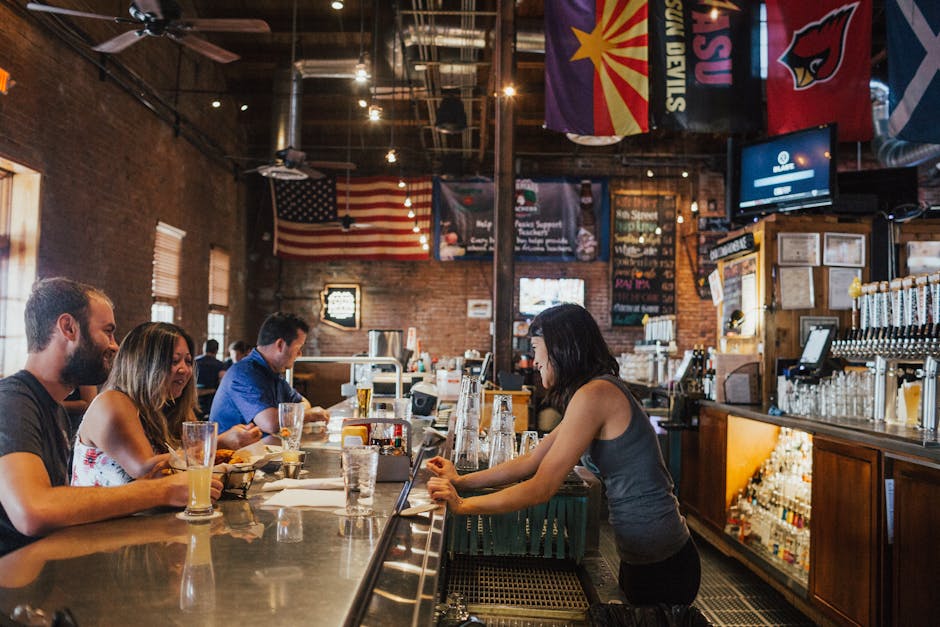
Tapas are more than just appetizers; they are a way of life in Madrid. The tradition of receiving a small complimentary tapa with a drink, while still present in some older, more traditional bars, has evolved. Today, tapas often involve ordering a variety of small dishes to share. To experience this authentically, explore different neighborhoods, as each has its own tapas specialties.
- Classic Madrid Tapas: Seek out patatas bravas (fried potatoes with a spicy sauce), tortilla española (Spanish omelet), calamares a la romana (fried squid rings), jamón ibérico (Iberian ham), and gambas al ajillo (garlic shrimp).
- Tapas Hopping (Ir de Tapas): This is a social ritual. You’ll typically visit several bars, having one or two tapas and a drink at each, before moving on to the next. This allows you to sample a wide variety of flavors and experience the vibrant bar scene.
- The Neighborhood Approach: Instead of sticking to the tourist-centric areas like Sol or Gran Vía, venture into neighborhoods like La Latina, Lavapiés, Malasaña, or Chamberí. These areas offer a more authentic tapas experience, with bars catering to local tastes and preferences.
- Ordering Etiquette: Don’t be afraid to ask the bar staff for recommendations. They are usually happy to guide you. If you’re unsure of portion sizes, ask for half portions (media ración).
- The Cost: While some bars still offer free tapas, it’s more common to pay for them. The prices are generally very reasonable, making it an affordable way to eat.
Embracing the Madrileño Pace: Siesta and Evening Socializing
The concept of the siesta, the afternoon nap, is a romanticized notion that has largely faded from modern urban life in Madrid. However, the underlying principle of a slower pace during the hottest part of the day and a shift towards evening activity still holds true. While most shops and businesses remain open, there’s a noticeable lull in foot traffic and a more relaxed atmosphere between 2 pm and 5 pm. This is when many Madrileños enjoy their lengthy lunch and sobremesa.
The real social life of Madrid kicks off in the evening. As the sun begins to set, the city awakens. Parks fill with people, terraces of bars and restaurants buzz with activity, and the streets come alive. This is the time for evening strolls (paseo), meeting friends for drinks and tapas, and enjoying the vibrant nightlife.
- The Evening Paseo: A leisurely walk through parks like El Retiro or along boulevards like Paseo del Prado or Paseo de la Castellana is a beloved Madrileño pastime. It’s a chance to see and be seen, to socialize, and to enjoy the city’s beauty.
- Late-Night Culture: Madrid is renowned for its late-night culture. Bars and clubs often stay open until the early hours of the morning. Embrace this by enjoying a late dinner, followed by drinks and dancing if that’s your preference.
- Weekends: Weekends are particularly lively, with locals flocking to parks, enjoying outdoor markets, and indulging in extended social gatherings. Sundays, in particular, are often dedicated to family meals and relaxed outings.
Exploring Beyond the Tourist Trail: Neighborhood Immersion
To truly live like a Madrileño, you must delve into the distinct personalities of its various neighborhoods. Each barrio offers a unique flavor and lifestyle.
- La Latina: Famous for its winding medieval streets and its abundance of tapas bars, particularly along Calle Cava Baja. It’s also home to the El Rastro flea market on Sundays.
- Lavapiés: A bohemian and multicultural district with a rich history. It’s known for its diverse culinary scene, independent shops, and lively street art.
- Malasaña: The heart of Madrid’s alternative and hipster scene. Expect vintage shops, trendy cafes, live music venues, and a youthful, energetic vibe.
- Chamberí: A more traditional and affluent neighborhood with elegant architecture, quiet residential streets, and excellent local restaurants and shops.
- Salamanca: Madrid’s most upscale district, known for its designer boutiques, elegant plazas, and fine dining. While not necessarily a "local" haunt in terms of everyday life for all Madrileños, it’s a significant part of the city’s social fabric.
- Retiro: Beyond the famous park, this area offers a blend of residential charm and elegant avenues, with a strong community feel.
When exploring, make a point of visiting local mercados, such as Mercado de San Miguel (though it can be touristy, it’s a good starting point) or less-frequented gems like Mercado de San Antón or Mercado de San Ildefonso. These vibrant markets offer a fantastic opportunity to sample local produce, grab a quick bite, and soak in the local atmosphere.
Mastering the Local Lingo (Even a Little Goes a Long Way)
While many Madrileños, especially in tourist areas, speak some English, making an effort to speak Spanish will significantly enhance your experience. Even a few basic phrases will be greatly appreciated and open doors to more genuine interactions.
- Greetings: Hola (Hello), Buenos días (Good morning), Buenas tardes (Good afternoon), Buenas noches (Good evening/night).
- Politeness: Por favor (Please), Gracias (Thank you), De nada (You’re welcome).
- Asking for things: ¿Me da…? (Can I have…?), Quisiera… (I would like…).
- Understanding: No entiendo (I don’t understand), ¿Puede repetir? (Can you repeat?).
- Ordering drinks/food: Una cerveza, por favor (A beer, please), Un café con leche (A coffee with milk), La cuenta, por favor (The bill, please).
- Common Madrileño Slang (Use with caution and context):
- Mazo (a lot): "Tengo mazo de hambre." (I’m really hungry.)
- Guay (cool): "¡Qué guay!" (How cool!)
- Flipante (amazing/mind-blowing): "La vista es flipante." (The view is amazing.)
- Colega (friend/mate): Often used informally.
Learning to pronounce vowels correctly is key, as they are pure and consistent. Familiarize yourself with the ‘ñ’ sound. Don’t be shy; most Madrileños are friendly and patient with those trying to communicate in their language.
Embracing the Public Transport System: The Heartbeat of the City
Madrid boasts an efficient and extensive public transport system, making it easy to navigate like a local. Relying on it is far more authentic than constantly hailing taxis or navigating unfamiliar streets by car.
- Metro: The Madrid Metro is one of the most extensive and modern in Europe. It’s fast, clean, and connects almost every corner of the city. Purchase a multi-trip card (tarjeta de transporte público) for convenience and cost savings. Learn the line numbers and station names.
- Buses: EMT buses cover areas not reached by the metro and offer a scenic way to see the city. They are also frequent and reliable.
- Walking: Many of Madrid’s most charming streets and neighborhoods are best explored on foot. Embrace the paseo culture and wander through the barrios.
- Cycling: Madrid has a growing bike lane network and a public bike-sharing system (BiciMAD). It’s a great option for exploring during pleasant weather.
Beyond the Famous Landmarks: Discovering Local Hangouts
While iconic landmarks like the Prado Museum, Royal Palace, and Plaza Mayor are must-sees, truly living like a Madrileño means venturing off the beaten path and discovering the city’s hidden gems.
- Local Parks and Plazas: Seek out smaller, less-crowded parks and plazas where locals gather to relax, chat, and enjoy the outdoors. Examples include Plaza de la Villa de París, Jardines de Sabatini, or Parque de El Capricho (though a bit out of the center).
- Neighborhood Markets: As mentioned, explore local mercados not just for food but for the community atmosphere.
- Independent Bookstores and Shops: Wander through neighborhoods like Malasaña or Lavapiés and discover unique independent businesses.
- Local Cafés and Bars: Instead of opting for chain coffee shops, seek out traditional cafeterías and bares de barrio where locals gather for their morning coffee, after-work drinks, or evening tapas. Observe their routines and try to blend in.
- Cultural Centers: Madrid has numerous cultural centers that host exhibitions, concerts, workshops, and film screenings, often at very affordable prices. Look for ones like La Casa Encendida or Matadero Madrid.
Understanding Madrileño Values: Social Connection and Enjoyment of Life
At its core, living like a Madrileño is about embracing a culture that prioritizes social connection, family, and the enjoyment of life. It’s about savoring moments, fostering relationships, and finding joy in the simple pleasures. Be open, be curious, and be willing to adapt your own pace and expectations. The rewards of truly immersing yourself in the Madrileño way of life are immense, offering an unforgettable and authentic experience of this captivating city.