Baggage Claim Airport Anxiety
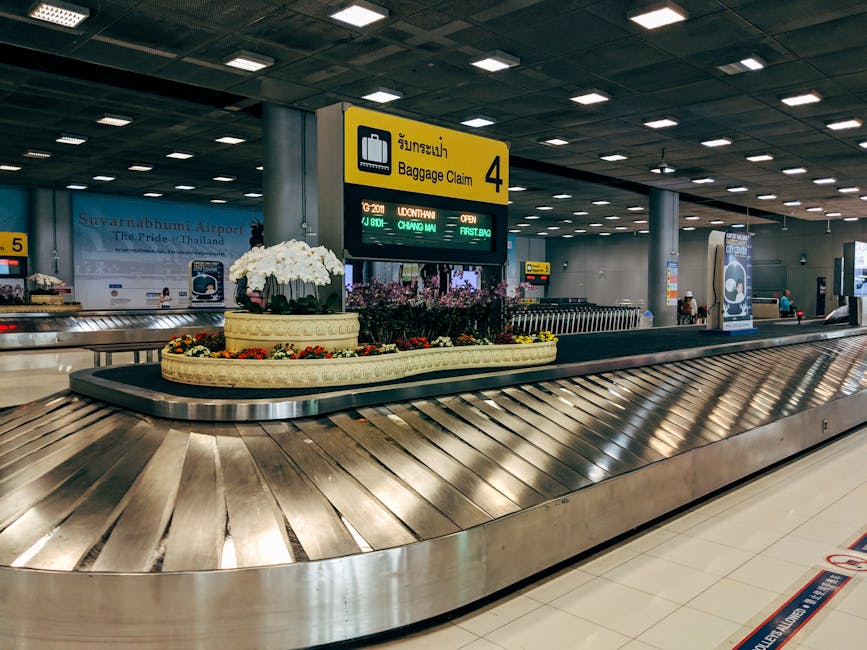
Baggage Claim Airport Anxiety: Navigating the Labyrinth of Lost Luggage and Delayed Deliveries
The anticipation of reuniting with your luggage after a flight can quickly curdle into a potent brew of anxiety. Baggage claim, a liminal space representing the end of a journey and the beginning of a new phase, often becomes a focal point for pre-existing travel stress and a breeding ground for new worries. This multifaceted anxiety stems from a confluence of factors, including the fear of lost or damaged belongings, the perceived inefficiency of the baggage handling system, and the sheer psychological drain of extended waiting periods in a public, often chaotic, environment. Understanding the roots of baggage claim airport anxiety is the first step toward mitigating its debilitating effects. This article delves into the common triggers, psychological underpinnings, and practical strategies for navigating this often-stressful airport experience, aiming to provide a comprehensive guide for travelers.
One of the most prevalent anxieties associated with baggage claim is the profound fear of lost luggage. This isn’t simply about the inconvenience of a missing suitcase; it’s a deeply personal concern that touches upon security, financial loss, and sentimental value. Travelers entrust their personal possessions, often with significant monetary and emotional investment, to the care of airlines. The thought of these items disappearing into an airport’s labyrinthine infrastructure can trigger a cascade of worst-case scenarios. This fear is amplified by anecdotal evidence and media portrayals of lost bags, which, while statistically rare, leave a lasting impression. The realization that your belongings could be misplaced, stolen, or even permanently lost can lead to intrusive thoughts and a pervasive sense of helplessness. The longer the wait, the more these fears tend to fester, becoming amplified with each passing minute as other passengers’ bags appear on the carousel.
Beyond outright loss, the concern for damaged luggage is another significant anxiety trigger. Travelers may worry about their suitcases being mishandled, leading to broken handles, torn fabric, or crushed contents. This apprehension is particularly acute for those transporting fragile items, valuable electronics, or heirlooms. The visual of luggage being tossed and stacked on conveyor belts can fuel these worries, creating a mental image of rough treatment. The cost of repairing or replacing damaged luggage, coupled with the potential damage to its contents, contributes to a tangible financial stress. Furthermore, the sentimental value of items within the luggage can exacerbate this anxiety; a broken suitcase might also mean a broken treasured souvenir or a damaged family photograph.
The extended waiting time at baggage claim is a psychological pressure cooker. After the confined experience of a flight, passengers are eager to disembark, clear customs (if applicable), and proceed with their travel plans. The baggage claim process, however, can be a significant bottleneck. The time spent waiting can feel disproportionate to the perceived effort involved in retrieving luggage. This prolonged inactivity, often in a crowded and noisy environment, allows anxious thoughts to take root and flourish. The unpredictability of delivery times adds another layer of stress. When will the carousel start? How long will it take for the first bag to appear? Will my bag be among the first, or among the last? This uncertainty amplifies the sense of being in limbo, further fueling anxiety. The psychological impact of prolonged waiting can also lead to irritability, impatience, and a general feeling of being drained.
The psychological impact of the baggage claim environment itself cannot be underestimated. The sensory overload of a busy baggage claim area – the clamor of announcements, the rumble of the carousel, the chatter of hundreds of weary travelers, and the visual clutter of luggage – can be overwhelming for many. For individuals prone to anxiety, this heightened sensory input can trigger a fight-or-flight response, leading to increased heart rate, shortness of breath, and a feeling of being on edge. The impersonal nature of the experience, where individuals are reduced to waiting for their assigned containers, can also contribute to a sense of alienation and powerlessness. The lack of control over the situation, from the speed of the baggage delivery to the condition of one’s belongings, can be a significant source of stress.
Pre-existing anxiety disorders often find a fertile ground for exacerbation in the baggage claim environment. Individuals with generalized anxiety disorder (GAD), social anxiety disorder, or obsessive-compulsive disorder (OCD) may find their symptoms amplified. For someone with GAD, the uncertainty of baggage claim can trigger a cycle of "what if" scenarios. Socially anxious individuals might feel scrutinized or overwhelmed by the proximity of strangers. Those with OCD might experience intrusive thoughts about their belongings being tampered with or contaminated. Travel itself can be a significant trigger for many with anxiety disorders, and baggage claim represents a particularly vulnerable point in the travel process.
Furthermore, cultural and personal factors can influence the intensity of baggage claim anxiety. Travelers from cultures that place a high value on punctuality or where lost belongings are a more significant societal concern might experience heightened anxiety. Individual past experiences with lost or damaged luggage can also create a learned fear response, making future baggage claim experiences more stressful. The perceived social stigma of having one’s luggage lost or arriving late can also be a factor for some, contributing to a fear of appearing unprepared or less experienced.
Strategies for mitigating baggage claim airport anxiety are crucial for a more positive travel experience. Proactive measures taken before and during travel can significantly reduce the likelihood and intensity of these anxieties.
Preparation and Prevention:
- Pack Smart and Light: The less you pack, the less there is to lose or worry about. Consider traveling with carry-on luggage only if possible. This eliminates the baggage claim entirely. If checking bags, pack essential items and medications in your carry-on.
- Invest in Durable Luggage: High-quality, durable luggage is less prone to damage. Consider luggage with built-in tracking devices for an added layer of security.
- Label Luggage Clearly: Ensure your luggage has clear, visible identification tags with your name, phone number, and email address. Consider placing a contact card inside the luggage as well, in case the external tag is removed.
- Photograph Your Luggage: Before checking your bags, take clear photos of your luggage, both inside and out, and of its contents. This documentation can be invaluable if you need to file a claim for lost or damaged items.
- Secure Valuables and Essentials: Never pack valuable items, important documents, medications, or electronics in checked luggage. Keep these in your personal carry-on bag.
- Understand Airline Policies: Familiarize yourself with the airline’s baggage policies regarding lost, delayed, or damaged luggage, including compensation limits and claim procedures.
During the Flight and Upon Arrival:
- Practice Mindfulness and Deep Breathing: While on the flight and as you approach baggage claim, engage in deep breathing exercises or mindfulness techniques to stay present and calm. Focus on your breath and acknowledge your anxious thoughts without judgment.
- Distract Yourself: Bring a book, download podcasts, or engage in conversation with travel companions to distract yourself from the waiting.
- Arrive Prepared for the Wait: Mentally prepare yourself for a potential wait. Pack a small snack and a water bottle in your carry-on to avoid feeling hungry or thirsty.
- Stay Calm and Observe: When you arrive at baggage claim, take a moment to observe the environment. Identify your carousel and look for signs or announcements. Avoid rushing to the carousel as soon as it opens, as this can increase stress.
- Communicate with Airline Staff: If you have a genuine concern or notice an issue with your luggage, approach airline staff calmly and clearly. Provide them with all necessary information.
Dealing with Lost or Delayed Luggage:
- Act Immediately: If your luggage does not appear on the carousel, do not leave baggage claim. Immediately report the issue to the airline’s baggage service office.
- File a Report (PIR): Obtain and complete a Property Irregularity Report (PIR). This is a crucial document for tracking your luggage and initiating a claim.
- Gather Information: Provide the airline representative with all relevant details, including your flight information, luggage tag numbers, a description of your bag, and its contents.
- Request an Interim Kit: If your luggage is delayed, ask the airline if they provide an interim kit with essential toiletries and clothing.
- Track Your Luggage: Most airlines offer online tracking services for lost or delayed luggage. Utilize these tools to stay informed.
- Document Everything: Keep copies of all reports, receipts for essential purchases made due to the delay, and any communication with the airline.
- Understand Your Rights: Research passenger rights regarding lost, delayed, and damaged baggage in your region.
Long-Term Strategies for Anxiety Management:
- Cognitive Behavioral Therapy (CBT): For persistent and debilitating anxiety, consider seeking professional help. CBT can provide tools and techniques to challenge negative thought patterns and develop coping mechanisms.
- Travel Insurance: Invest in comprehensive travel insurance that covers lost or delayed luggage, as well as potential damage. This can provide a significant financial safety net and reduce anxiety.
- Develop a Travel Routine: Establishing a predictable travel routine, including pre-flight rituals and post-flight procedures, can create a sense of control and reduce anxiety.
- Positive Self-Talk: Practice positive affirmations and reframe negative thoughts about baggage claim. Focus on the successful arrival of your luggage and the continuation of your journey.
Baggage claim airport anxiety, while common, is not insurmountable. By understanding its origins, implementing proactive preparation, and employing effective coping strategies, travelers can transform this potentially stressful experience into a manageable, and even uneventful, part of their journey. The key lies in shifting from a mindset of passive victimhood to one of empowered preparedness, recognizing that while some aspects of travel are beyond our control, our reactions and preparations are entirely within our grasp. This comprehensive approach ensures that the joy of arrival is not overshadowed by the specter of lost or delayed belongings, allowing travelers to fully embrace their destination. The goal is to equip individuals with the knowledge and tools to navigate the baggage claim labyrinth with confidence and a reduced emotional burden, fostering a more peaceful and enjoyable travel experience overall. The persistent focus on actionable advice and practical solutions is paramount in addressing the very real concerns that contribute to baggage claim airport anxiety.