
Card Currency Payments When Traveling

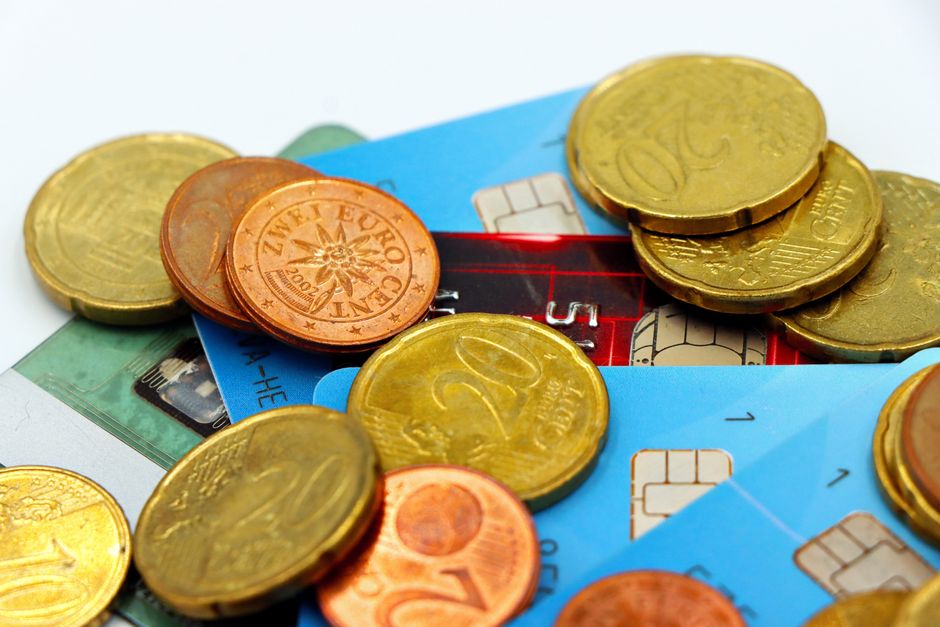
Card Currency Payments: Optimizing Transactions for International Travel
International travel necessitates meticulous financial planning, and understanding card currency payments is paramount for efficient and cost-effective spending abroad. This article delves into the nuances of using credit and debit cards for foreign currency transactions, focusing on minimizing fees, maximizing rewards, and ensuring seamless payment experiences. Travelers encounter two primary scenarios when using their cards internationally: domestic currency spending at a foreign merchant and foreign currency spending at a foreign merchant. The former, often initiated through card readers set to the local currency, triggers dynamic currency conversion (DCC), a feature that can lead to inflated costs. The latter, where the transaction is processed directly in the local currency, generally offers better exchange rates and fewer hidden charges. Navigating these distinctions is key to smart travel spending.
Understanding Foreign Transaction Fees. A significant cost associated with international card payments is the foreign transaction fee, typically levied by your issuing bank. This fee, usually a percentage of the transaction amount (often 1% to 3%), is charged for any purchase made in a foreign currency. It’s crucial to identify credit and debit cards that waive these fees. Many travel-focused credit cards are designed to eliminate foreign transaction fees, making them indispensable for international travelers. Debit cards can also come with these features, though they are less common. When choosing a card for travel, scrutinizing its fee structure for foreign transactions is a non-negotiable step. Ignoring this can lead to substantial, unexpected expenses accumulating over a trip.
The Pitfall of Dynamic Currency Conversion (DCC). Dynamic Currency Conversion is a service offered by many point-of-sale terminals abroad that allows you to pay in your home currency instead of the local currency. While it might seem convenient to see the price in a familiar denomination, DCC almost invariably results in a less favorable exchange rate than your bank would provide. Merchants or their payment processors often apply a markup to the exchange rate, adding a layer of profit to the transaction. This markup, combined with a potential foreign transaction fee from your bank (if applicable), can significantly increase the cost of your purchases. The most critical advice when presented with the DCC option is to always decline it and opt to be charged in the local currency. This ensures the transaction is processed at your bank’s exchange rate, which is generally more competitive.
Choosing the Right Cards for Travel. The selection of credit and debit cards for international travel should prioritize specific features. Credit cards with no foreign transaction fees are a top priority. Beyond this, look for cards that offer travel rewards, such as airline miles, hotel points, or cashback on travel-related purchases. These rewards can offset travel costs and provide added value. Some cards also offer travel insurance, rental car insurance, and other perks that can be beneficial while abroad. For debit cards, while finding no foreign transaction fees is rarer, some accounts offer ATM fee rebates, which can be helpful for withdrawing local currency. Diversifying your card options is also wise. Carrying at least two different credit cards from separate networks (e.g., Visa and Mastercard) and potentially a debit card can mitigate the risk of a single card being declined or lost.
Maximizing Credit Card Rewards Abroad. Leveraging credit card rewards is a strategic way to enhance the value of your international spending. Many travel rewards cards offer bonus points or miles on spending in specific categories, such as dining, entertainment, or transportation. By aligning your spending with these bonus categories, you can accelerate your rewards accumulation. For example, if you have a card that offers 3x points on dining, prioritizing restaurant spending with that card can yield significant returns. Furthermore, some cards offer sign-up bonuses that can be substantial, especially if you meet a minimum spending requirement within a certain timeframe. Planning purchases around these bonuses can be a powerful way to reduce future travel expenses. Always review your card’s reward program details to understand earning rates and redemption options.
Understanding Exchange Rates. The exchange rate is the value of one currency relative to another. When you make a purchase in a foreign currency, your bank converts that amount back to your home currency using a specific exchange rate. This rate is not static and fluctuates based on market conditions. Generally, major credit card networks (Visa, Mastercard, American Express) offer competitive wholesale exchange rates. Banks may add a small margin to these rates, but it’s typically far better than the rates offered through DCC. Familiarizing yourself with current exchange rates before your trip can provide a benchmark for evaluating the fairness of your transactions. Several online tools and currency converter apps can provide real-time exchange rate information.
Debit Card Usage and ATM Withdrawals. Using debit cards for ATM withdrawals abroad can be a convenient way to obtain local currency. However, it’s essential to be aware of potential fees. Your bank may charge an out-of-network ATM fee, and the local ATM operator might also impose its own surcharge. As with credit cards, opting for cards with ATM fee rebates can significantly reduce these costs. When withdrawing cash, aim to withdraw larger amounts less frequently to minimize the number of times you incur fees. If you are presented with a DCC option at an ATM, decline it and choose to withdraw in the local currency. Many ATMs also offer the DCC option, and it’s as disadvantageous as it is at retail points of sale.
Contactless Payments and Mobile Wallets. The rise of contactless payment technology and mobile wallets (e.g., Apple Pay, Google Pay, Samsung Pay) has revolutionized payment experiences globally. These technologies offer a secure and convenient way to pay, often without the need to swipe or insert your physical card. When using a mobile wallet linked to a credit or debit card abroad, the transaction is typically processed using the underlying card’s network and exchange rates. This means you generally benefit from your card’s foreign transaction fee policy and the network’s exchange rates, avoiding DCC. Ensure your chosen cards are compatible with your preferred mobile wallet and that the payment terminals in your destination support contactless payments.
Security Measures and Fraud Protection. Traveling with credit and debit cards requires a proactive approach to security. Before departing, inform your bank of your travel dates and destinations to prevent potential card freezes due to unusual activity. Familiarize yourself with your card’s fraud protection policies. Most major credit card issuers offer zero liability for unauthorized charges, meaning you won’t be held responsible for fraudulent transactions. Keep your card information secure and avoid sharing your PIN in public. If your card is lost or stolen, report it immediately to your bank to minimize potential losses. Many banking apps allow you to temporarily lock your card, providing an immediate layer of security.
Record Keeping and Reconciliation. Maintaining accurate records of your card transactions while traveling is crucial for budgeting and identifying any discrepancies. Most banking apps and online portals provide detailed transaction histories. Regularly review these statements to ensure all charges are accurate and to track your spending against your budget. This also helps in quickly identifying any unauthorized transactions. Keeping digital or physical receipts for purchases can be helpful for reconciliation purposes, especially for larger expenses or when dealing with potential disputes.
Traveler’s Checks and Cash. While card payments are prevalent, having some local currency in cash is advisable for smaller vendors, tips, or situations where cards might not be accepted. Traveler’s checks, though less common now, can still be a backup option for some, but their acceptance is limited. The most cost-effective way to obtain local cash is usually through ATMs using a debit card that waives foreign transaction and ATM fees. Carrying excessive amounts of cash can be risky due to potential loss or theft. A balanced approach, combining card payments with strategic cash withdrawals, is generally the most practical and secure.
Understanding Card Network Differences. Visa, Mastercard, American Express, and Discover are the major card networks. Visa and Mastercard have the broadest acceptance globally. American Express is widely accepted in many tourist destinations but might have less reach in smaller towns or less developed regions. Discover’s international acceptance is more limited. When traveling internationally, it’s beneficial to carry cards from at least two different networks to ensure broader acceptance. For example, having both a Visa and a Mastercard offers a significant advantage.
The Impact of Chip and PIN Technology. Most international destinations have widely adopted Chip and PIN technology for credit and debit cards. This involves inserting your card into the terminal and entering your Personal Identification Number (PIN) to authorize the transaction. While US-issued cards historically relied on magnetic stripes, most have now transitioned to EMV chip technology. Ensure you know your PIN for your credit and debit cards, as it will be required for many transactions, especially at unattended terminals or ATMs. Some merchants might still rely on signature verification, but Chip and PIN is the global standard.
Prepaid Travel Cards. Prepaid travel cards can be a useful tool for managing spending and controlling budgets while abroad. These cards are loaded with a specific amount of money, and you can only spend what you load. Many prepaid cards offer competitive exchange rates and can be purchased in various currencies. However, it’s essential to check for activation fees, reload fees, and inactivity fees, as these can erode the value of the card. Some prepaid cards also have withdrawal limits or ATM fees. They can be a good option for those who want a secure, predictable way to manage their travel money without the risk of overspending or accruing interest on credit.
Conclusion: Strategic Card Use for a Smooth Travel Experience. Optimizing card currency payments when traveling boils down to informed decision-making and proactive planning. By understanding foreign transaction fees, declining DCC, choosing travel-friendly cards, and leveraging rewards, travelers can significantly reduce costs and enhance their spending power. Security measures, careful record-keeping, and a balanced approach to payment methods—combining cards with strategic cash withdrawals—contribute to a seamless and worry-free travel experience. The modern traveler armed with knowledge about card currency payments is well-equipped to navigate the financial landscape of international journeys effectively.


