
Tag Female Solo Travelers

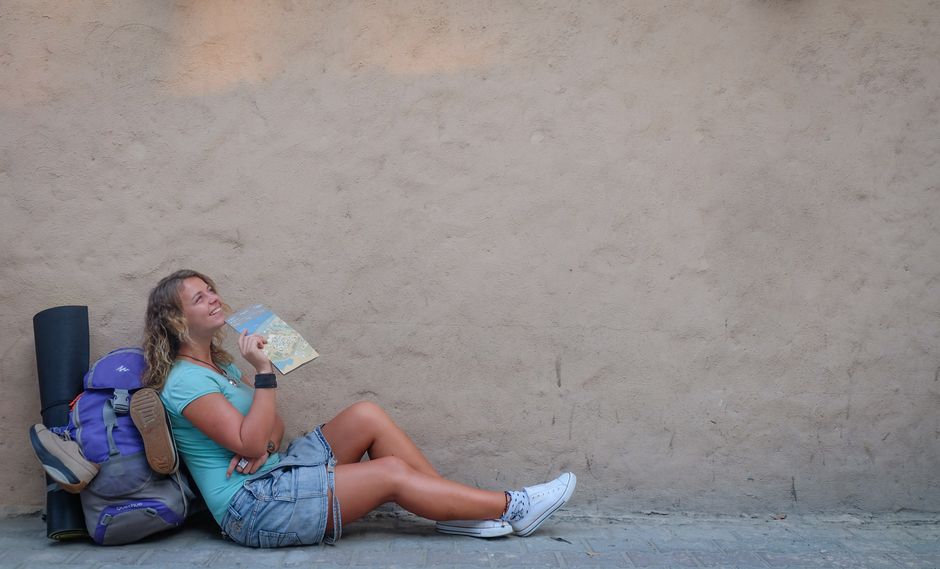
The Empowered Explorer: A Deep Dive into Female Solo Travel
Female solo travel is no longer a niche pursuit; it’s a global phenomenon driven by a desire for independence, self-discovery, and unadulterated adventure. This article explores the multifaceted aspects of embarking on journeys alone as a woman, addressing the practicalities, psychological benefits, and evolving landscape of this empowering travel style. We will dissect the reasons behind its surge in popularity, the unique considerations for women travelers, and strategies for maximizing safety, enjoyment, and personal growth.
The resurgence of female solo travel is fueled by a confluence of factors. In an era where digital connectivity is ubiquitous, information about destinations, accommodations, and fellow travelers is readily available. Social media platforms, particularly Instagram and TikTok, showcase inspiring narratives and visually stunning experiences, demystifying the concept of traveling alone and highlighting its accessibility. Furthermore, a growing awareness of personal well-being and the pursuit of authentic experiences over traditional group tours plays a significant role. Women are increasingly prioritizing their own desires and interests, viewing solo travel as an opportunity to escape routines, challenge comfort zones, and cultivate resilience. The economic empowerment of women, with more women achieving financial independence, also translates into greater disposable income for travel. This liberation from societal expectations and the ability to make independent decisions about one’s time and resources are potent motivators. The narrative around solo travel has shifted from one of perceived loneliness to one of profound self-reliance and freedom. It represents a deliberate choice to engage with the world on one’s own terms, fostering a sense of agency that resonates deeply with modern women.
Safety remains a paramount concern for many considering solo travel, and it’s crucial to address this head-on with practical, actionable advice. While no travel is entirely risk-free, adopting a proactive and informed approach significantly mitigates potential dangers. Researching the safety reputation of a destination is the first step. Reputable sources include government travel advisories, forums dedicated to solo female travel, and expat blogs. Understanding local customs and laws regarding dress code, alcohol consumption, and public behavior is essential to avoid unintentional offense or drawing undue attention. Accommodation choices play a vital role. Opting for well-reviewed hostels with female-only dorms, reputable hotels in safe neighborhoods, or Airbnb properties with excellent security features provides a secure base. Familiarizing oneself with the local emergency numbers and the location of the nearest embassy or consulate is a non-negotiable pre-trip task. During the trip, maintaining situational awareness is key. Trusting your intuition is paramount; if a situation feels uncomfortable or unsafe, remove yourself from it immediately. Avoid walking alone at night in unfamiliar areas, and if public transport is necessary, stick to well-lit and populated routes. Informing a trusted friend or family member of your itinerary and checking in regularly creates an additional layer of security. Carrying a personal safety alarm or whistle can act as a deterrent. Investing in a portable door lock for hotel rooms or hostels can offer peace of mind. Avoiding excessive alcohol consumption, which can impair judgment and increase vulnerability, is also advisable. The digital footprint is another area to manage. Being mindful of what information is shared on social media in real-time, especially about your location, can prevent unwanted attention. Utilizing apps that share your location with trusted contacts or offer safety features can be beneficial.
The psychological and personal growth benefits of female solo travel are profound and transformative. Stepping outside of one’s comfort zone fosters immense self-confidence and resilience. Navigating unfamiliar environments, problem-solving on the fly, and communicating across language barriers build a strong sense of self-efficacy. Solo travel forces an individual to confront their own thoughts and feelings without the distractions or influences of others, leading to introspection and a deeper understanding of their own desires, strengths, and limitations. It cultivates independence, teaching women to rely on their own judgment and decision-making abilities. The ability to curate an itinerary solely based on personal interests, without compromise or negotiation, allows for a truly bespoke experience. This freedom to explore at one’s own pace, to linger in places that resonate, or to change plans on a whim is incredibly liberating. It can be a powerful antidote to burnout and a catalyst for rediscovering passions or igniting new ones. The sense of accomplishment derived from successfully navigating a solo journey is deeply rewarding, bolstering self-esteem and encouraging future ventures. It provides an unparalleled opportunity for self-discovery, allowing women to shed societal roles and expectations and connect with their authentic selves. The quiet moments of observation, the conversations with strangers, and the challenges overcome all contribute to a richer, more nuanced understanding of both oneself and the world.
Accommodation choices for female solo travelers are diverse and cater to various budgets and preferences, with an emphasis on safety and community. Hostels have evolved beyond the backpacker stereotype, with many now offering stylish, clean, and secure female-only dorms or private rooms. These environments are excellent for meeting fellow travelers, sharing tips, and even forming travel buddies. Look for hostels with 24-hour reception, secure locker facilities, and good reviews regarding cleanliness and atmosphere. Boutique hotels in safe, central locations offer a more private and comfortable experience. Prioritize hotels with good lighting, secure entry systems, and helpful staff. Airbnb can be a fantastic option, offering local immersion and often more space than a hotel room. When booking an Airbnb, meticulously read reviews, paying close attention to comments about the host’s responsiveness, the safety of the neighborhood, and the accuracy of the listing. Consider private rooms within a shared apartment if budget is a concern, but ensure the host is female or has a strong track record of accommodating solo female guests. Unique accommodations like eco-lodges, glamping sites, or even farm stays can provide memorable experiences while often prioritizing a sense of security and community within their specific environments. Always check cancellation policies and consider travel insurance that covers accommodation issues.
Solo female travel communities and resources are an invaluable asset for planning, support, and inspiration. Online forums, Facebook groups, and dedicated websites offer a wealth of information and a platform to connect with like-minded individuals. Websites like "Solo Traveler World," "Girls Love Travel," and "Nomadic Matt’s Solo Travel" provide practical guides, destination reviews, and personal stories. Facebook groups such as "Solo Female Travelers" or regional groups for specific destinations allow women to ask questions, share advice, and even find travel companions for certain legs of their journey. These communities often have experienced solo female travelers who are willing to share their insights on everything from packing tips to navigating local transportation. Many also organize meetups in popular destinations, providing an easy way to connect with people already on the ground. Instagram and TikTok, while primarily visual, also host numerous female travel bloggers and influencers who document their solo adventures, offering inspiration and practical tips through their content. Engaging with these creators and their communities can demystify the process and make it feel more accessible. Booking tours or activities through reputable companies that cater to solo travelers can also be a great way to meet people and engage with a destination in a structured and safe environment.
Packing for solo female travel requires a strategic approach that balances functionality, versatility, and personal needs. Prioritize lightweight, wrinkle-resistant clothing that can be layered for varying climates. Versatile pieces that can be dressed up or down are key for maximizing wardrobe options. A good quality, comfortable pair of walking shoes is non-negotiable. Consider the cultural norms of your destination when packing, ensuring you have appropriate attire if modesty is expected. A universal adapter, portable charger, and headlamp can be incredibly useful. For safety, consider a discreet money belt or a secure cross-body bag to deter pickpockets. A basic first-aid kit, including any personal medications, is essential. Travel-sized toiletries save space, and a quick-dry towel is always a good idea. For added security, a door wedge or a portable door alarm can offer peace of mind in budget accommodations. Documents are paramount: keep digital and physical copies of your passport, visa, and important contacts separate from the originals. A small notebook for jotting down important information or reflections can also be a valuable companion. Consider packing a book or journal for downtime. Finally, always leave some space in your luggage for souvenirs or items you may acquire during your travels.
The financial aspect of solo travel involves smart budgeting and resourcefulness. While traveling alone can sometimes incur higher costs due to single supplements on accommodation or tours, there are numerous ways to travel affordably. Off-season travel often presents significant savings on flights and accommodation. Utilizing budget airlines and looking for flight deals well in advance can reduce airfare costs. Accommodation in hostels or guesthouses is generally more budget-friendly than hotels. Exploring local eateries and street food offers delicious and inexpensive dining options. Public transportation is a cost-effective way to get around cities. Many attractions offer free entry or discounted rates on certain days. Consider purchasing city passes or multi-attraction tickets if you plan to visit many paid sites. Tracking expenses using budgeting apps can help you stay within your financial limits. Look for free walking tours, which are a fantastic way to get acquainted with a new city without spending a lot of money. Many museums and galleries have free admission days. Researching free activities like visiting parks, enjoying local markets, or attending public events can significantly reduce daily expenses. Embracing a slower pace of travel can also lead to cost savings, as it allows for more opportunities to find local deals and avoid rushed, expensive activities.
The psychological preparedness for solo travel is as crucial as the practical planning. It involves managing expectations, fostering a positive mindset, and being ready to embrace the unexpected. Acknowledge that there will be moments of loneliness, but reframe them as opportunities for introspection and self-connection. Develop coping mechanisms for solitude, such as engaging in hobbies, journaling, or simply enjoying the peace. Cultivate an open and curious mindset, ready to engage with new cultures, people, and experiences. Be prepared for things to not always go according to plan; flexibility and adaptability are key to navigating travel challenges. Developing a mantra or affirmations can help maintain a positive outlook. Practice self-compassion; it’s okay to make mistakes or feel overwhelmed at times. Remind yourself of the reasons you chose to travel solo – the freedom, the adventure, the growth – and let those motivations guide you through any difficulties. Before you leave, practice making decisions independently in your daily life to build confidence in your own judgment. Visualize yourself having a successful and enjoyable trip. This mental rehearsal can significantly boost your confidence. Embrace the discomfort that sometimes comes with stepping outside your comfort zone; it is often where the most significant growth occurs.
The evolving landscape of female solo travel is characterized by increased inclusivity and a wider range of accessible options. Tour operators are increasingly recognizing the demand for solo-friendly trips, offering single supplements that are more reasonable or even eliminating them altogether. Small group tours specifically curated for solo travelers are becoming more common, providing a built-in community and shared experiences. Destinations themselves are also becoming more aware of the needs of female solo travelers, with improved infrastructure, increased safety measures, and more resources tailored to their preferences. The rise of platforms connecting solo travelers with local hosts for authentic experiences further enhances the appeal. The narrative surrounding solo travel is shifting from one of necessity or desperation to one of empowerment and intentionality. It is being celebrated as a valid and enriching way to explore the world, promoting independence, self-reliance, and a deeper connection with oneself and the planet. The continued growth in this sector suggests a bright future for female solo travelers, with even more opportunities and support systems emerging to facilitate these transformative journeys. The emphasis is moving beyond mere safety to creating fulfilling, enriching, and profoundly personal travel experiences.


