The landscape of modern high-performance motoring is frequently defined by the pursuit of excess: more cylinders, more electrification, more downforce, and, invariably, more seats. Yet, there remains a dedicated, albeit unconventional, niche of engineering that favors the singular focus of the driver above all else. While the solo supercar might appear counterintuitive—a masterpiece of design intended to be shared—the lineage of single-seat vehicles is firmly rooted in the uncompromising demands of motorsport. From the pioneering days of the Light Car Company Rocket, envisioned by the legendary Gordon Murray, to contemporary marvels like the BAC Mono and the McMurtry Spéirling Pure, the single-seat configuration is a testament to the pursuit of the ultimate driver-machine interface. The latest entrant into this rarefied space is the Sanrivatti ONE, a Dutch-engineered hypercar that seeks to push the boundaries of visibility and ergonomics through a radical design philosophy known as the "Apex Position."
The Engineering Philosophy: Returning to the Source
The Sanrivatti ONE is not merely an exercise in styling; it is an interrogation of the driving experience itself. Weighing approximately 1,100 kilograms in its dry state, the vehicle utilizes a sophisticated carbon-fibre monocoque architecture, providing the structural rigidity required for a high-performance track machine. At its heart lies a high-revving V10 engine, a choice that signals an intent to prioritize mechanical purity and auditory engagement in an era increasingly dominated by silent, electric powertrains.
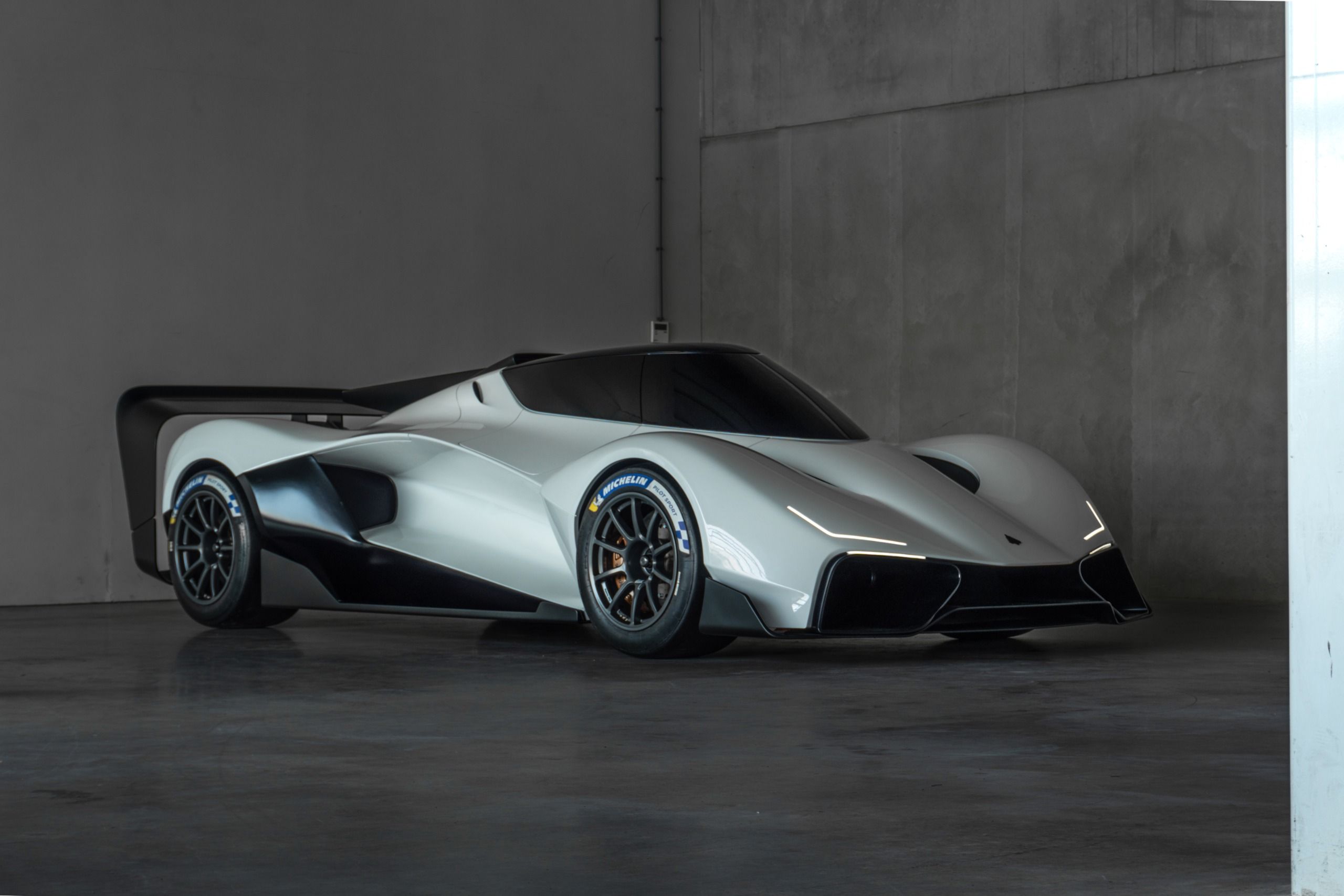
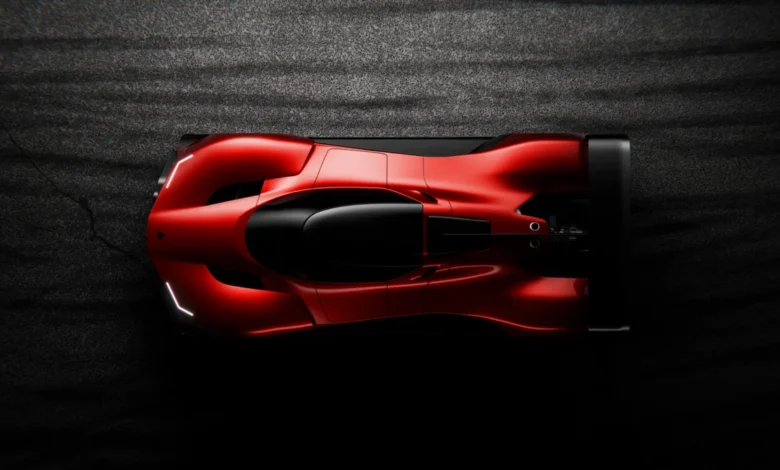
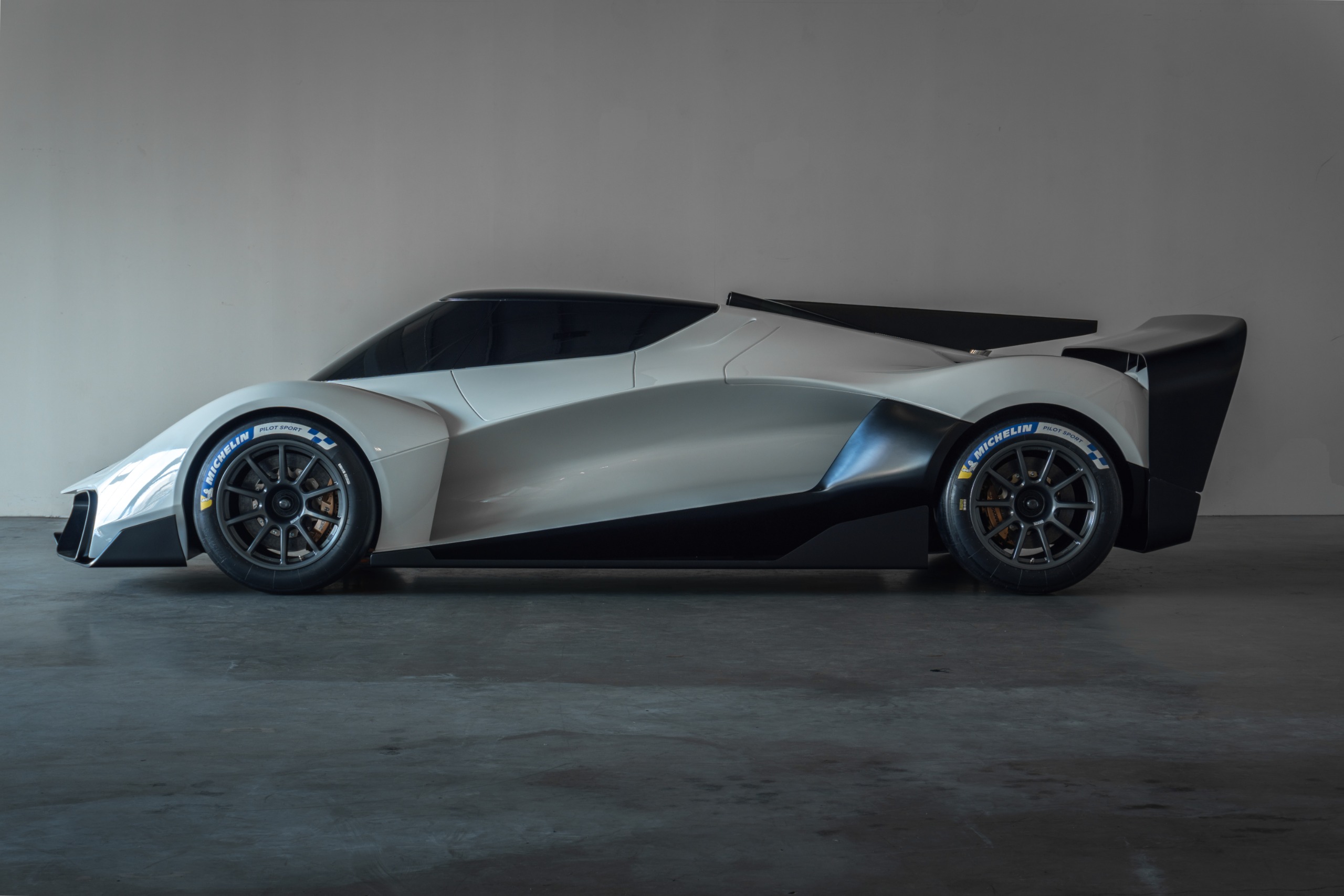
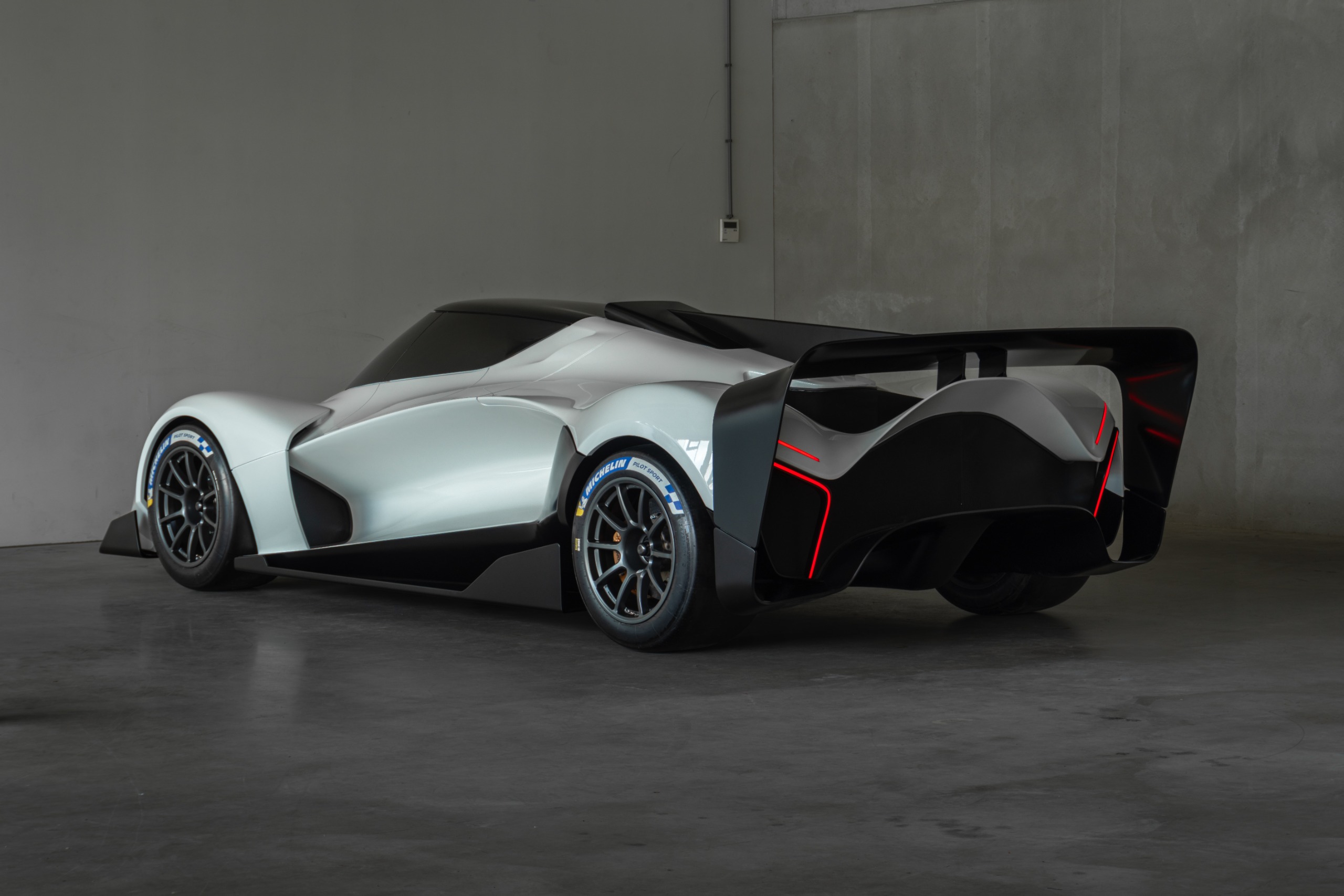
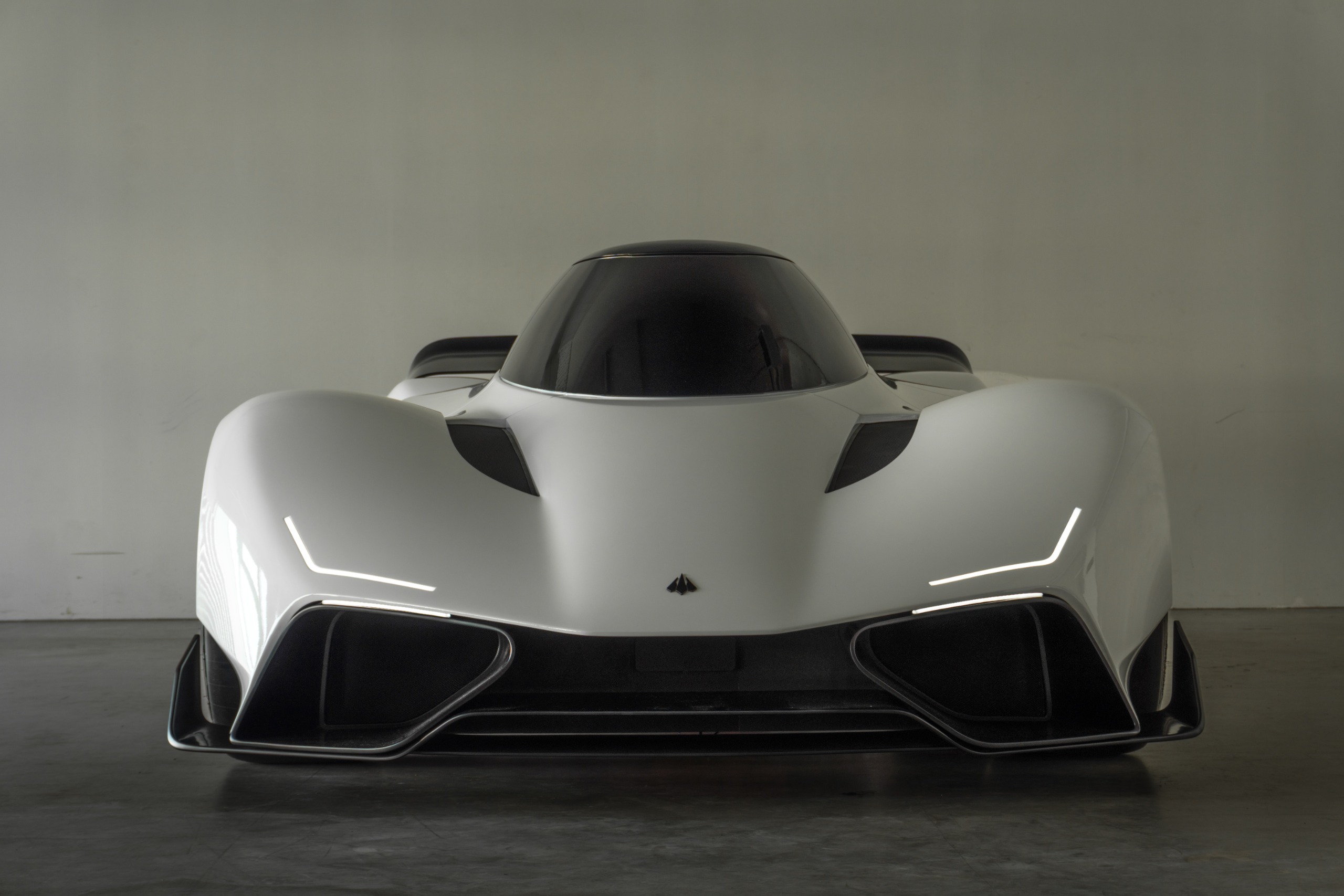
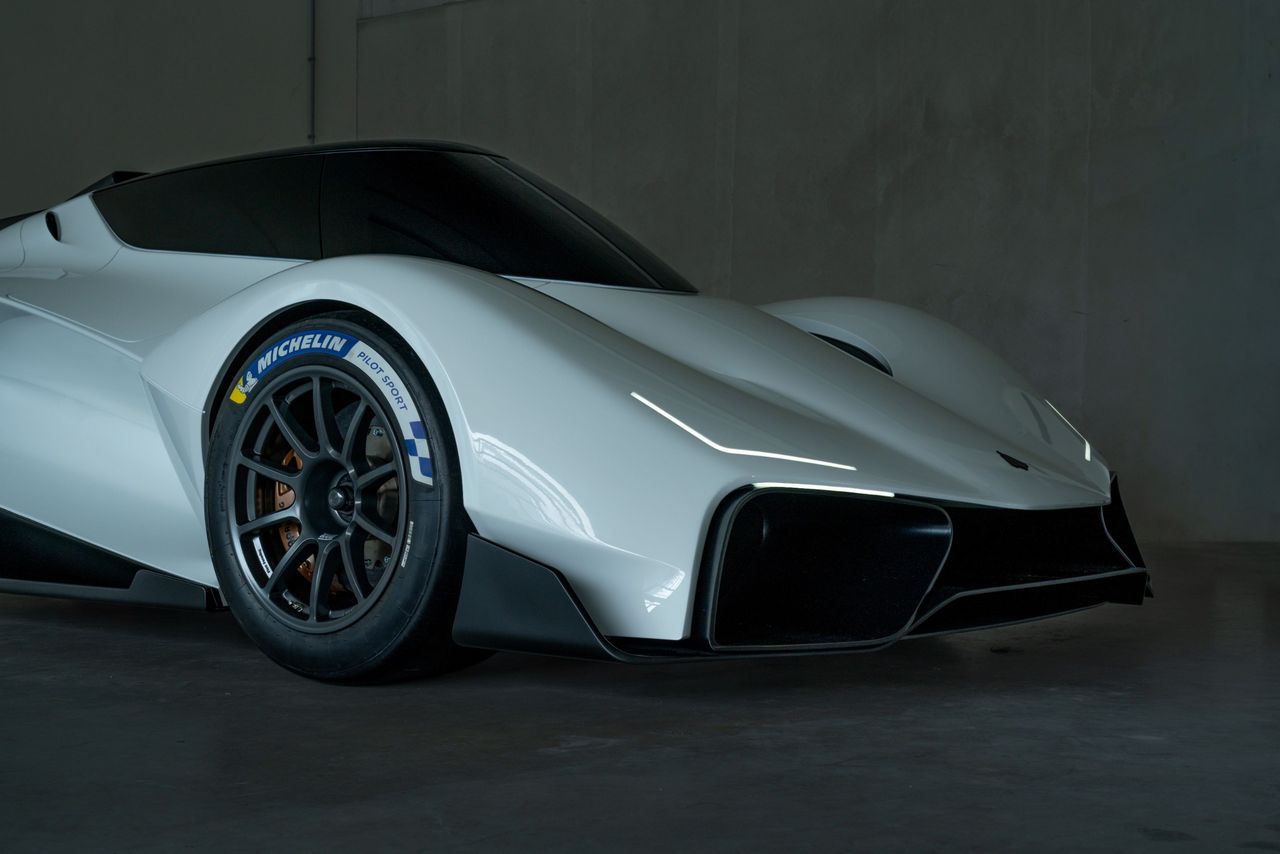
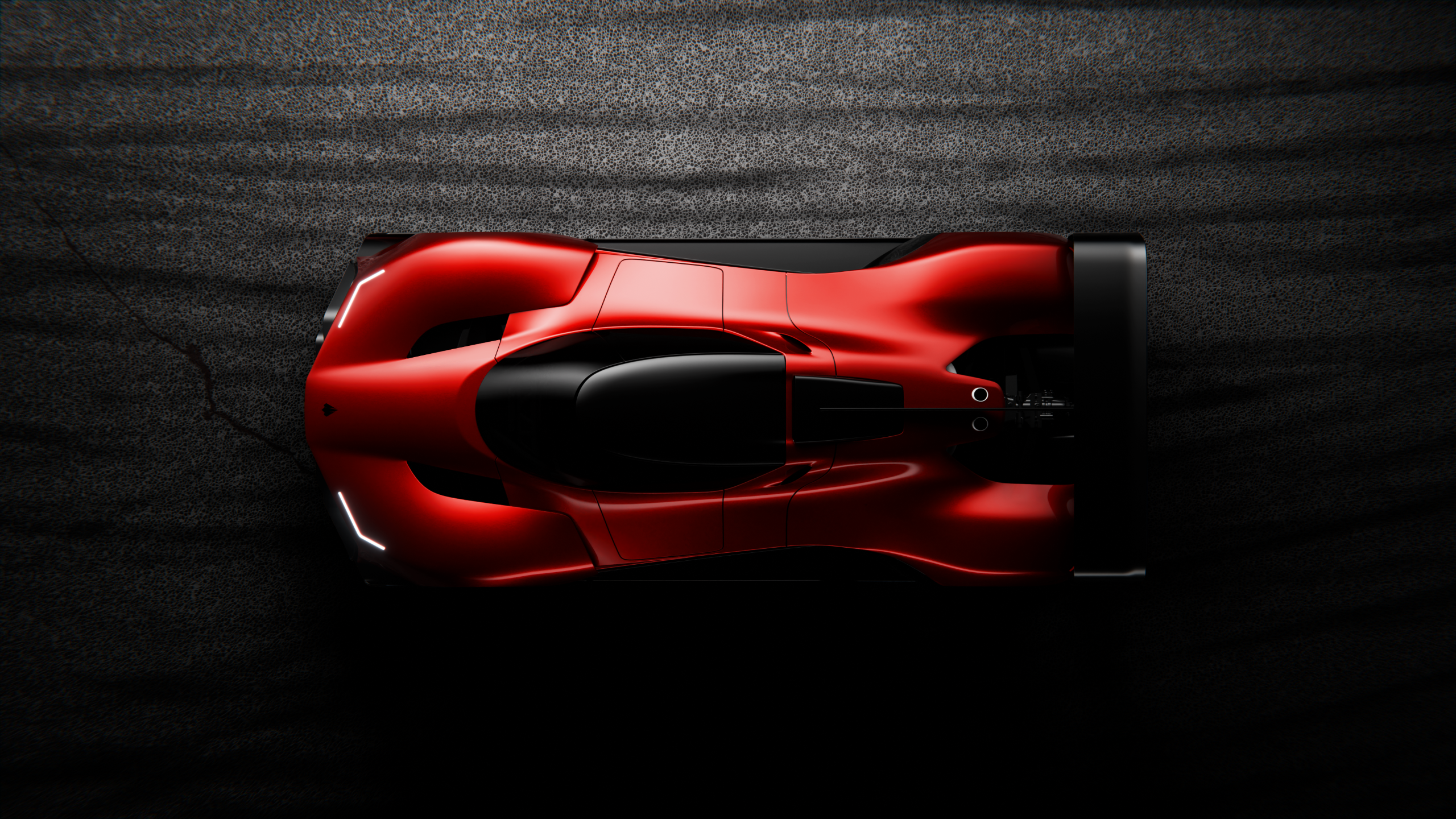
Founder and CEO Santiago Sánchez Rivero has been clear about the company’s intent: to move away from the "established formula" of simply adding power and technology. Instead, the team at Sanrivatti looked to the skies for inspiration. The vehicle’s aesthetic—characterized by a canopy-style driver compartment and fluid, aerodynamic surfaces—is heavily influenced by the design language of fighter aircraft and the predatory grace of a diving peregrine falcon. Every line, from the front intakes to the rear-sweeping wings, serves a functional purpose, creating a silhouette that is as much about performance as it is about form.
The Apex Position: A New Paradigm for Visibility
The most striking departure from convention is the driver’s posture. In a traditional vehicle, the driver sits within the chassis; in the Sanrivatti ONE, the driver occupies an "Apex Position." This setup requires the pilot to sit astride the central spine of the car, oriented forward with their feet positioned toward the rear. This configuration mimics the ergonomics of a high-performance motorcycle, effectively placing the driver at the center of the vehicle’s mass.
The implications for track performance are significant. Sanrivatti’s research, supported by virtual and physical simulators, suggests that this seating arrangement provides a substantial increase in situational awareness. In comparative testing at Corner Three of the Silverstone Circuit, the company reported that the Apex Position offered 3.2 times more visible racing surface compared to ten industry-benchmark hypercars. By elevating the driver and removing the physical obstructions typically presented by a standard cockpit, the ONE aims to provide a connection to the road that is virtually unparalleled in four-wheeled transport.
Historical Context and Industry Precedent
The history of the single-seat, or "monoposto," road car is long and storied, yet often misunderstood. For most manufacturers, the move to a single seat is a direct derivative of Formula racing. The Light Car Company Rocket, which debuted in the early 1990s, set the blueprint for this segment by offering a lightweight, open-wheel experience that brought the sensations of an open-wheel racer to the public road.
Similarly, the BAC Mono has become the modern standard-bearer for this segment, utilizing a precision-engineered chassis to deliver a driving experience that strips away the luxuries of a traditional cabin in favor of pure, unadulterated speed. However, the Sanrivatti ONE distinguishes itself through its radical approach to seating, which has not been seen in the mainstream since the experimental era of the mid-1980s.
Notably, the 1986 ItalDesign Giugiaro Machimoto concept attempted to experiment with non-traditional seating, albeit with a focus on high-capacity transport rather than performance. The Machimoto utilized a "motorcycle-style" bench seat to accommodate up to nine passengers. While the technology of the 1980s could not bridge the gap between this experimental seating and the demands of a high-speed vehicle, modern composite materials and advanced simulation software have finally allowed for a performance-oriented application of this logic.
Technical Challenges and Market Implications
The transition to a central, motorcycle-style seating position presents significant design hurdles, particularly regarding the layout of the dashboard and the integration of control systems. As of the latest reports, Sanrivatti has yet to unveil the interior of the ONE, leaving industry experts to speculate on how the digital instrumentation and steering interface will be adapted to such a unique ergonomic profile.
Furthermore, the "cab-forward" design architecture poses cooling and aerodynamic challenges. Integrating a high-revving V10 engine—a powerplant known for its significant heat output—into a body that tapers to a "vast wing" requires an advanced thermal management system. The use of a vertical fin, inspired by jet aircraft, is likely intended to provide lateral stability at high speeds, acting as a stabilizer when the car is subjected to the intense air pressure of a circuit environment.
From a market perspective, the Sanrivatti ONE enters a space where performance is often measured in milliseconds. Collectors and track-day enthusiasts, who are the primary demographic for such vehicles, are increasingly moving toward bespoke, low-volume manufacturers who can offer a unique driving narrative. The challenge for Sanrivatti will be demonstrating that the Apex Position provides a tangible performance benefit that justifies the departure from traditional, proven cabin layouts.
Future Developments and The Path to Production
Sanrivatti’s current phase of development involves rigorous testing of its proof-of-concept models. The company’s emphasis on "virtual testing" suggests a modern approach to vehicle development, where data gathered in high-fidelity simulators is used to refine the aerodynamics before the first production-ready prototype touches the tarmac.
The inclusion of a high-revving V10 engine is particularly noteworthy given the current global regulatory climate regarding emissions and the shift toward electrification. While the company has not yet released specific performance figures, the combination of a 1,100kg dry weight and a naturally aspirated V10 suggests a power-to-weight ratio that will likely compete with the most elite hypercars on the market.
As the project moves from the digital design phase to physical production, the automotive community will be watching closely to see if the ONE can deliver on its promise of a "redefined" driving experience. The success of the venture will likely hinge on the driver’s comfort and confidence in the Apex Position. If the company can successfully translate the visibility gains seen in simulation to the real-world circuit, the Sanrivatti ONE may well become a benchmark for future track-focused engineering.
Broader Impact on Automotive Design
The development of the Sanrivatti ONE speaks to a larger, ongoing trend in the automotive sector: the reclamation of the "analog" driving experience in a digital age. As cars become increasingly automated and autonomous, the demand for vehicles that force the driver to be physically and mentally present is growing.
By stripping away the passenger seat, the entertainment systems, and the traditional ergonomics of a road car, Sanrivatti is making a philosophical statement. The car is no longer a tool for commuting or social display; it is a dedicated instrument for the pursuit of driving excellence. This "return to basics" is a recurring theme in the history of the automobile, often appearing at the height of technological complexity as a necessary corrective.
Furthermore, the collaboration between aerospace-inspired design and traditional automotive engineering continues to yield surprising results. The influence of fighter jet geometry on the ONE’s bodywork—specifically the management of airflow around the central canopy—represents an evolution in how we conceive of vehicle drag and downforce.
As Sanrivatti prepares for the next stage of its journey, the automotive world awaits more concrete data. With the backing of a clearly articulated vision and a design that challenges decades of tradition, the Sanrivatti ONE represents a bold, if risky, attempt to change the fundamental relationship between human and machine. Whether it will succeed in carving out a permanent space in the hypercar hierarchy remains to be seen, but its arrival serves as a stark reminder that in the world of high-performance engineering, there is always room for a new perspective on what it means to truly drive.