Tesla to Wind Down Cybertruck Production at Gigafactory Texas to Make Room for Cybercab

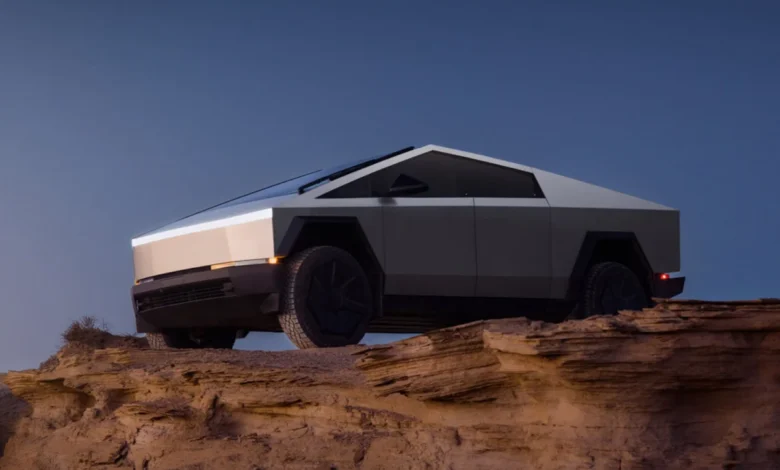
Tesla is preparing to scale back production of its polarizing, angular electric pickup truck, the Cybertruck, just two and a half years after the vehicle officially entered the consumer market. According to an announcement made by company founder and CEO Elon Musk via social media, the massive Gigafactory Texas facility outside Austin will begin winding down Cybertruck operations around the middle of next year. The planned slowdown represents a major pivot in Tesla’s automotive strategy, as the company increasingly prioritizes autonomous transport and artificial intelligence over traditional vehicle form factors.
The decision to phase down the heavy stainless-steel truck is not merely an operational adjustment; it marks a distinct chapter closure for one of the most talked-about and controversial automotive designs of the twenty-first century. Musk indicated that the manufacturing floor space currently dedicated to the Cybertruck will be repurposed to ramp up production of the Cybercab, an autonomous electric sedan that Tesla initially unveiled in late 2024 as part of its expanding robotaxi ambitions. While questions remain regarding whether the Cybertruck will be completely and permanently retired from the global automotive market, Musk’s public interactions on X—where he agreed with a user calling the transition the "end of an era" while noting that the existing fleet will remain on roads for years to come—strongly suggest that the vehicle’s manufacturing run is nearing its definitive conclusion.
A Rapidly Evolving Production Timeline
The trajectory of the Cybertruck has been characterized by dramatic milestones, soaring expectations, and subsequent operational hurdles since its inception.
The vehicle’s journey began in November 2019, when Elon Musk introduced the concept car to the public during a heavily publicized staging event in Hawthorne, California. The design immediately fractured public and industry opinion. Promoted for its futuristic, cyberpunk-inspired aesthetic, the unpainted stainless-steel exoskeleton and sharply geometric lines departed radically from the soft, aerodynamic curves traditionally defining modern pickup trucks. Despite widespread skepticism and a memorable on-stage mishap involving shattered window glass during a demonstration of the vehicle’s supposed "armor glass," the conceptual reveal generated hundreds of thousands of non-binding consumer reservations.
For years, the vehicle faced repeated manufacturing delays driven by the extreme engineering complexities of stamping and welding ultra-hard cold-rolled stainless steel. It was not until late 2023 that the first production models were formally delivered to waiting customers at Gigafactory Texas, establishing the facility as the sole global manufacturing hub for the model.
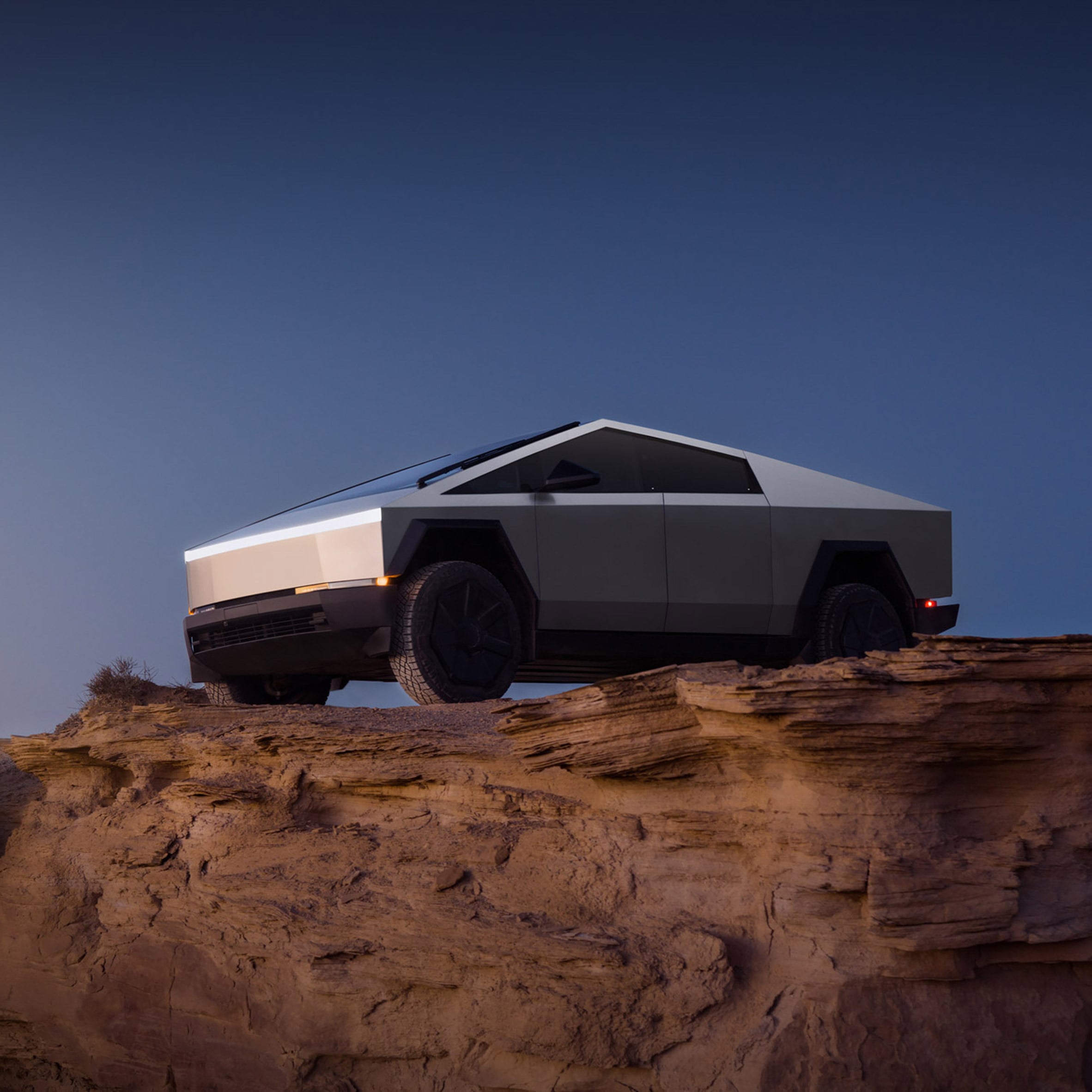
Almost immediately following its commercial launch, the vehicle encountered regulatory and quality control challenges. In 2024, Tesla was forced to issue a significant recall affecting virtually all Cybertrucks delivered up to that point, following discoveries that the accelerator pedal could become dislodged and trap the vehicle in a full-throttle position. Furthermore, the vehicle faced restricted international availability due to strict pedestrian safety regulations in markets like Europe and Asia, limiting its commercial footprint primarily to North America.
Sales Figures and Discrepancies with Initial Projections
The primary driver behind the winding down of the production line appears to be a steep and sustained decline in consumer demand. While initial enthusiasm from early adopters and automotive enthusiasts carried strong sales numbers through the first full year of delivery, subsequent quarters revealed a challenging market reality for a high-priced, niche specialty vehicle.
According to automotive data estimates compiled by Kelley Blue Book, Tesla sold approximately 20,237 Cybertrucks in the United States over the course of the previous year. This figure represented a sharp 48 percent decline compared to the estimated 38,965 units sold during its first full sales year in 2024.
These realized figures stand in stark contrast to the ambitious long-term projections offered by company leadership prior to launch. During a 2023 shareholders’ meeting, Musk estimated that Tesla would eventually manufacture and sell between 250,000 and 500,000 Cybertrucks annually once full production velocity was achieved. The widening gap between those initial manufacturing targets and actual consumer absorption rates prompted a reevaluation of plant allocation at the Austin facility.
Strategic Realignment: From Consumer Pickups to Autonomous Fleets
The decision to sunset the Cybertruck line is part of a broader, systemic organizational shift at Tesla. Over the past twenty-four months, the company has systematically reallocated factory space, capital expenditure, and engineering talent away from standard consumer automobile variants toward fully autonomous vehicles, ride-sharing infrastructure, and humanoid robotics.

The primary beneficiary of the Gigafactory Texas transition will be the Cybercab. First showcased in late 2024, the Cybercab is a dedicated, driverless electric sedan designed specifically to operate without a steering wheel or pedals, intended to anchor Tesla’s commercial robotaxi network. Following trial deployments in cities such as Austin throughout 2025, Tesla has steadily accelerated its preparations for mass commercialization of autonomous fleets, necessitating large-scale factory adaptations.
This operational reallocation is not isolated to the Texas facility. Earlier this year, Tesla similarly shifted production lines previously dedicated to its legacy Model S sedan and Model X SUV at its California manufacturing plants. Those spaces were converted to accommodate the fabrication of the Optimus humanoid robot, which officially entered active production in California with initial commercial shipments scheduled to begin in 2027. Additionally, the company’s continuous introduction of conceptual halo vehicles—such as the flying Roadster concept unveiled to industry-wide fanfare late last year—highlights a corporate strategy focused on high-visibility technological innovation rather than incremental volume scaling in traditional vehicle categories.
Broader Industry Implications and Future Outlook
The phase-out of the Cybertruck carries notable symbolic and economic implications for the broader electric vehicle landscape. When the vehicle was first announced, it served as a bellwether for venture-driven design daring in an otherwise conservative automotive sector. Its departure signals a maturing, data-driven pragmatism within Tesla, where capital efficiency and the transition toward artificial intelligence and autonomous service fleets now supersede experimental vehicle segments.
Industry analysts note that while the Cybertruck successfully served as a technical proof-of-concept for stainless-steel exterior engineering and advanced structural casting techniques, its long-term viability was constrained by high production costs, specialized tooling requirements, and a polarizing aesthetic that limited its addressable market.
As Gigafactory Texas retools its assembly lines through mid-2027, the focus of the electric vehicle pioneer will formally shift away from personal pickup ownership toward autonomous transport networks and robotics. While the distinctive geometric silhouette of the Cybertruck will remain visible on roadways for years to come as part of an existing legacy fleet, its era of active assembly line production is drawing to a definitive close.