
Tips For Vanlife In Iceland

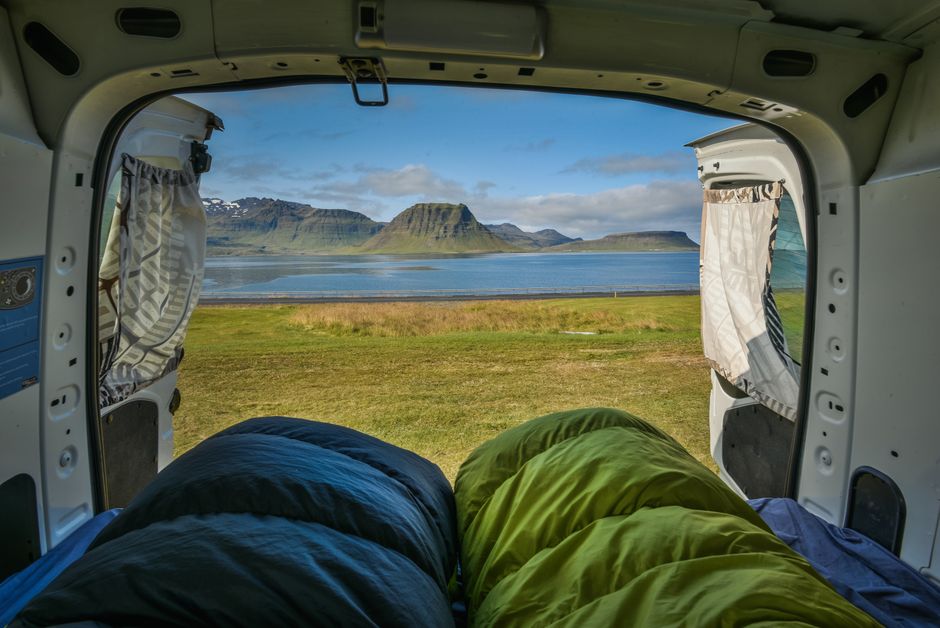
Vanlife Iceland: Mastering the Art of the Open Road in the Land of Fire and Ice
Navigating Iceland by van offers unparalleled freedom and immersion in a landscape of stark, breathtaking beauty. However, this dream adventure demands meticulous planning and adherence to specific guidelines to ensure a safe, enjoyable, and responsible journey. From understanding the unique road conditions and weather patterns to respecting the environment and local regulations, vanlifers in Iceland must be prepared for a distinct set of challenges and rewards. This guide provides essential tips for a successful vanlife experience in Iceland, covering everything from vehicle selection and preparation to navigating seasonal changes and embracing responsible travel practices.
Vehicle Choice and Preparation: The Foundation of Your Icelandic Adventure
Selecting the right vehicle is paramount for vanlife in Iceland. A 4×4 vehicle is not merely recommended; it is often a necessity, especially outside of the summer months and when venturing beyond the Ring Road (Route 1). Icelandic roads can be unpredictable, with gravel surfaces, steep inclines, and potential for snow and ice even in shoulder seasons. Opt for a robust, reliable vehicle with good ground clearance. Consider its fuel efficiency, as distances can be significant, and fuel prices are higher than in many other countries. Ensure your vehicle is equipped with appropriate tires for the season. Winter tires with studs are mandatory during winter months (typically from November 1st to April 15th). Even in summer, all-terrain tires are advisable for gravel roads. Thoroughly inspect your vehicle before departure. Check brakes, tires, fluids, and ensure all essential repair tools and a spare tire are in good working order. Familiarize yourself with basic vehicle maintenance. Pack a comprehensive first-aid kit, including any personal medications. A portable jump starter, tire repair kit, and basic toolkit are invaluable. Consider bringing a small shovel, especially if traveling in autumn or spring, as getting stuck in snow or mud is a real possibility.
Understanding Icelandic Road Conditions and Regulations: Safety First
Iceland’s road network is extensive but varies significantly in quality. The Ring Road is generally paved and well-maintained, but many F-roads (mountain roads, marked with an ‘F’ prefix) are unpaved, often rough, and strictly accessible only by 4×4 vehicles. F-roads are typically only open during the summer months (roughly June to September) and can be closed with little notice due to weather or road conditions. Do not attempt to drive an F-road in a non-4×4 vehicle; this is illegal and dangerous. Always check road conditions before setting out, particularly for F-roads. The official website of the Icelandic Road and Coastal Administration (Vegagerðin) is your go-to resource for real-time road closures and conditions. Speed limits are strictly enforced. On paved roads outside of towns, the general limit is 90 km/h. On gravel roads, it’s typically 80 km/h, and within built-up areas, it’s 50 km/h. Headlights must be on at all times, day or night, regardless of weather. Driving under the influence of alcohol or drugs is strictly prohibited and carries severe penalties. Never drive off-road. This is illegal, damages the fragile vegetation, and is punishable by significant fines. Respect private property and do not park or camp on land you do not have explicit permission to use. Be aware of sheep on the roads, especially in rural areas, as they have the right of way.
Camping and Overnight Stays: Responsible Practices and Legalities
Wild camping in Iceland has become increasingly restricted. For years, it was a freely permitted activity, but due to increased tourism and environmental impact, strict regulations are now in place. Generally, you are not permitted to camp outside of designated campsites without explicit landowner permission. This applies to sleeping in your campervan, setting up tents, or even parking overnight in a lay-by. Fines for illegal camping are substantial. A valuable resource for finding legal camping spots is the website and app "CampEasy" or "Camping Iceland," which lists official campsites. These campsites vary in amenities, from basic fields with toilets to full-service facilities with electricity and Wi-Fi. Booking campsites in advance, especially during the peak summer season (July and August), is highly recommended. Many popular areas, particularly around the Golden Circle and the South Coast, fill up quickly. Always practice Leave No Trace principles. Pack out everything you pack in, including all trash. Dispose of waste properly in designated bins. If no bins are available, take your trash with you until you find one. Use designated toilets. Never use the natural environment as a toilet. Respect quiet hours at campsites and be considerate of other campers.
Navigating Iceland’s Weather: Embrace the Unpredictability
Iceland’s weather is notoriously unpredictable and can change rapidly. Even in summer, you can experience sunshine, rain, wind, and even snow within a single day. Pack layers of clothing. Waterproof and windproof outer layers are essential. Thermal base layers, fleece mid-layers, and comfortable walking shoes are a must. Be prepared for strong winds, which can be a significant hazard for campervans, particularly when parked in exposed areas. Secure your vehicle and any external equipment. If the wind is extreme, consider parking in a more sheltered location or even staying at a campsite with more protection. During winter months, the challenges increase significantly. Snowfall can lead to road closures, and daylight hours are drastically reduced. If traveling during winter, be prepared for potentially extreme weather conditions and have contingency plans. Embrace flexibility in your itinerary. If a road is closed or the weather is severe, be willing to adjust your plans and explore alternative routes or activities.
Seasonal Considerations: Tailoring Your Trip to the Time of Year
Each season in Iceland offers a unique vanlife experience.
- Summer (June-August): This is the peak tourist season. The weather is generally milder, daylight hours are exceptionally long (midnight sun), and all roads, including F-roads, are typically open. However, campsites and attractions are crowded, and prices are at their highest. Booking accommodation and activities in advance is crucial.
- Shoulder Seasons (April-May & September-October): These months offer a good balance of fewer crowds and manageable weather. Daylight hours are reasonable, and you might still catch the Northern Lights in September and October. However, some F-roads may still be closed, and the weather can be more volatile. Snow is possible, particularly in the highlands.
- Winter (November-March): This is the season for Northern Lights viewing, ice caves, and a more serene, starkly beautiful landscape. However, daylight is limited, many F-roads are closed, and driving can be challenging due to snow and ice. You must have appropriate winter tires, and a 4×4 is highly recommended. Prepare for potential road closures and have flexible travel plans.
Budgeting and Finances: Managing Costs on the Road
Vanlife in Iceland can be expensive. Fuel is a significant cost, as are food and campsite fees.
- Fuel: Prices are consistently higher than in mainland Europe. Plan your routes to minimize unnecessary driving and utilize fuel-efficient driving techniques.
- Food: Eating out every day will quickly drain your budget. Stock up on groceries at supermarkets like Bónus or Krónan, which offer more affordable options than smaller convenience stores. Consider packing some non-perishable staples from home.
- Campsites: While free camping is largely prohibited, official campsites offer a range of prices. Budget for an average of 15-30€ per night per vehicle, depending on the facilities. Some campsites offer discounts for longer stays.
- Activities: Iceland’s natural attractions are often free to visit (waterfalls, geysers, national parks). However, tours for specific activities like glacier hiking, ice caving, or whale watching can be costly. Prioritize your must-do activities and budget accordingly.
- Contingency Fund: Always have a buffer for unexpected expenses, such as vehicle repairs or more expensive campsite fees if your planned route is altered.
Connectivity and Technology: Staying Informed and Connected
Reliable internet access can be spotty in remote areas of Iceland.
- SIM Cards: Consider purchasing a local Icelandic SIM card upon arrival for better data coverage and local calls. Companies like Siminn and Vodafone are popular.
- Offline Maps: Download offline maps of Iceland on your smartphone or GPS device. Google Maps and Maps.me are excellent options.
- Power: Ensure you have a reliable power source for your devices. A portable power bank, a solar charger, and a car inverter are highly recommended for keeping your electronics charged.
- Emergency Numbers: Know the emergency number in Iceland, which is 112.
Respecting the Environment and Local Culture: Being a Responsible Traveler
Iceland’s natural beauty is fragile and requires careful stewardship from visitors.
- Leave No Trace: This is the golden rule. Pack it in, pack it out. Stay on marked trails. Do not disturb wildlife. Do not pick plants or collect rocks.
- Water Sources: Drink from taps or designated water sources. Do not drink directly from rivers or streams unless you are absolutely certain of their purity.
- Geothermal Areas: Be extremely cautious in geothermal areas. The ground can be unstable and very hot. Stay on marked paths and adhere to all warning signs.
- Photography: While capturing the stunning scenery is a highlight, be mindful of your presence. Avoid prolonged disruption of natural processes or wildlife for photos.
- Local Customs: Icelanders are generally friendly but reserved. Be polite and respectful. Learn a few basic Icelandic phrases like "Halló" (Hello) and "Takk" (Thank you).
Essential Packing List for Vanlife in Iceland
Beyond standard travel gear, consider these specific items for Iceland:
- Clothing: Layers are key. Waterproof and windproof jacket and trousers, thermal base layers, fleece mid-layers, wool socks, hat, gloves, scarf.
- Footwear: Sturdy, waterproof hiking boots are essential. Comfortable walking shoes for driving.
- Vehicle Essentials: 4×4 vehicle (recommended), all-terrain tires or winter tires with studs (season dependent), spare tire, tire repair kit, jack, basic toolkit, jump starter, shovel, warning triangle, first-aid kit.
- Camping Gear: Sleeping bag, sleeping mat, camping stove, fuel, cooking utensils, plates, cutlery, water bottles, headlamp or flashlight.
- Electronics: Phone, power bank, portable charger, travel adapter, camera.
- Documents: Passport, driver’s license, vehicle registration, insurance, booking confirmations.
- Miscellaneous: Sunscreen (even in winter, the sun can be strong), insect repellent (midges can be present in summer), sunglasses, reusable shopping bags, a good book or entertainment for downtime.
Embracing the Icelandic Vanlife Experience: Flexibility and Adaptability
Vanlife in Iceland is an adventure that rewards those who are prepared, adaptable, and respectful. While meticulous planning is crucial, be prepared for the unexpected. Embrace the freedom to deviate from your planned route when weather dictates or when an unexpected natural wonder beckons. The magic of Iceland lies in its raw, untamed beauty, and experiencing it from the intimacy of your own van offers a profound connection to the landscape. By following these guidelines, you can ensure your vanlife journey through the Land of Fire and Ice is not only memorable but also responsible and enriching.


