
Tag Outdoor Fire Pit

The Ultimate Guide to Choosing and Using Your Outdoor Fire Pit: From Design to Safety and Beyond
Selecting the right outdoor fire pit is a significant decision for any homeowner looking to enhance their backyard space. Beyond mere aesthetics, a fire pit can transform a patio or garden into a cozy gathering spot, extending the usability of your outdoor areas into cooler evenings and even across different seasons. This comprehensive guide will delve into every aspect of outdoor fire pits, from understanding the various fuel types and materials to installation, safety considerations, and maintenance, empowering you to make an informed choice and maximize your enjoyment.
Fueling Your Fire Pit: Propane, Natural Gas, Wood-Burning, and Gel Fuel
The heart of any fire pit lies in its fuel source. Each type offers distinct advantages and disadvantages that will influence your decision based on convenience, ambiance, cost, and environmental impact.
-
Propane Fire Pits: These are arguably the most popular choice due to their portability, ease of use, and instant ignition. Propane tanks, typically 20-pound units similar to those used for gas grills, can be discreetly hidden within the fire pit’s base or in a separate enclosure. The flame is consistent and controllable via a regulator, allowing for adjustable heat output and a clean burn with minimal ash or smoke. Installation is straightforward: simply connect the tank and turn the ignition. Propane is also readily available at most hardware stores and gas stations. However, running a propane fire pit for extended periods can become costly, and the aesthetic of a propane tank, even when concealed, might be less natural for some. The BTU output of propane fire pits varies widely, from smaller units for ambiance to larger ones capable of producing significant heat. Look for BTU ratings to gauge the heat output and suitability for your needs.
-
Natural Gas Fire Pits: For a more permanent and integrated solution, natural gas fire pits are an excellent option. They connect directly to your home’s existing natural gas line, eliminating the need for refilling or storing tanks. This provides an uninterrupted and virtually limitless fuel supply, making them ideal for frequent use. The flame is also consistent and controllable, offering a clean burn. Installation, however, requires professional plumbing work to tap into the gas line, which can be a significant upfront investment. Once installed, however, the ongoing fuel costs are generally lower than propane. Natural gas fire pits are less portable than propane models and are permanently affixed to a specific location. This type of fire pit is perfect for larger patios or entertainment areas where a constant, reliable heat source is desired.
-
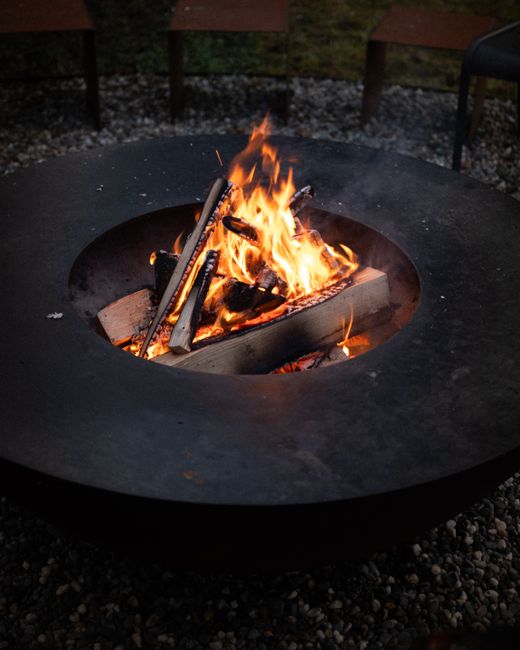
Wood-Burning Fire Pits: The quintessential fire pit experience, wood-burning models offer unmatched ambiance with the crackle of burning logs and the distinct aroma of wood smoke. They are also often the most affordable to purchase. The fuel source, wood, is readily available and can be sourced from local suppliers or even felled on your own property. However, wood-burning fire pits require the most effort. You’ll need to source, season, and store firewood, and the fire itself requires tending. They produce significant smoke and ash, which can be a concern for neighbors and require more cleanup. While the initial cost is low, the ongoing cost of quality firewood can add up. Safety is paramount with wood-burning fire pits due to the unpredictable nature of flames and embers, requiring a clear zone around the unit and diligent supervision. Modern designs often incorporate spark screens to mitigate this risk.
-
Gel Fuel Fire Pits: These are a newer and often more decorative option, typically used for smaller, portable fire pits or tabletop models. Gel fuel comes in cans and burns with a clean, smokeless flame. They are incredibly easy to use – simply insert the can and light it. The ambiance is often pleasant, with a flickering, flame-like appearance. However, gel fuel is generally the most expensive fuel source per hour of burn time, and the heat output is typically minimal, making them more suitable for decorative purposes than for significant warmth. The burn time per can is also limited.
Materials and Construction: Durability, Aesthetics, and Longevity
The material of your fire pit significantly impacts its durability, maintenance requirements, and overall aesthetic.
-
Steel (Cast Iron, Stainless Steel, Corten Steel): Steel fire pits are known for their robustness. Cast iron offers excellent heat retention but can rust if not properly maintained and sealed. Stainless steel is highly resistant to rust and corrosion, making it a durable and low-maintenance option, albeit often at a higher price point. Corten steel, also known as weathering steel, develops a stable, rust-like appearance over time, offering a unique and attractive industrial aesthetic that requires no sealing. Steel fire pits can range from simple, portable bowls to elaborate, built-in structures.
-
Concrete and Stone (Brick, Natural Stone, Concrete Pavers): These materials offer a natural and substantial look, integrating seamlessly into landscape designs. They are incredibly durable and can withstand the elements. Concrete fire pits can be pre-cast or custom-built. Brick and natural stone are classic choices for their timeless appeal. However, these materials can be heavy and require more involved installation, often necessitating professional assistance, especially for permanent structures. The porous nature of some stone can lead to cracking in extreme temperatures if not properly sealed or constructed.
-
Ceramics and Terracotta: These materials are often found in smaller, decorative fire pits or as accents on larger units. They offer a beautiful, artistic touch but are generally less durable and more prone to chipping or cracking from impact or extreme temperature fluctuations. They are best suited for sheltered areas or for those prioritizing visual appeal over ruggedness.
-
Aluminum: Lightweight and resistant to rust, aluminum fire pits are a good option for portability. However, they generally have lower heat retention compared to steel or cast iron and can be more susceptible to denting.
Design and Style: Finding the Perfect Fit for Your Outdoor Space
The design of your fire pit should complement your existing outdoor décor and functionality.
-
Portable Fire Pits: These are lightweight and can be easily moved around your patio or yard, offering flexibility. They come in various shapes and sizes, from compact bowls to larger, more substantial units. They are ideal for those who want to reposition their fire pit for different gatherings or storage.
-
Built-In Fire Pits: These are permanent fixtures, often integrated into patios, decks, or retaining walls. They offer a seamless and sophisticated look, becoming a focal point of your outdoor living area. Installation typically requires professional expertise.
-
Fire Bowls: Simple and classic, fire bowls are a popular choice for their minimalist design. They are often made of metal and can be easily moved.
-
Fire Tables: Combining the functionality of a fire pit with the utility of a table, these units offer a tabletop surface around the flame. They are excellent for entertaining, providing a convenient spot for drinks and snacks. Many have a burner cover that can be placed over the fire element to create a fully functional coffee or dining table.
-
Fire Pits with Seating: Some fire pit designs incorporate built-in seating, creating a complete outdoor entertainment hub.
Installation and Safety: Ensuring a Secure and Enjoyable Experience
Proper installation and adherence to safety guidelines are paramount for any fire pit.
-
Location, Location, Location: Choose a level, stable surface away from flammable materials such as overhanging branches, fences, sheds, and dry vegetation. Maintain a safe clearance zone – typically at least 10-25 feet, depending on the size and type of fire pit. Consult local building codes and fire regulations for specific requirements.
-
Foundation: For permanent or heavier fire pits, a stable foundation of concrete, pavers, or gravel is essential to prevent settling or tipping.
-
Ventilation: Ensure adequate ventilation for your chosen fuel type. Propane and natural gas units require proper airflow for the burner to function efficiently and safely. Wood-burning pits need airflow to sustain combustion.
-
Gas Line Connections (Natural Gas): If installing a natural gas fire pit, always use a qualified professional to ensure all connections are secure and leak-free.
-
Spark Screens and Lids: For wood-burning fire pits, a spark screen is a crucial safety accessory to prevent embers from escaping and igniting nearby objects. A lid can also help extinguish the fire quickly and safely.
-
Fire Extinguisher and Water Source: Always have a fire extinguisher rated for wood and charcoal fires readily accessible. A nearby water source, like a hose or bucket of water, is also recommended.
-
Supervision: Never leave a fire pit unattended, especially when children or pets are present. Ensure the fire is completely extinguished before leaving the area.
-
Wind Conditions: Avoid using your fire pit in excessively windy conditions, as this can cause flames to spread unpredictably and increase the risk of embers being carried away.
-
Child and Pet Safety: Create a barrier or designated safe zone around the fire pit to prevent accidental burns. Educate children about fire safety and the dangers of getting too close.
Maintenance and Care: Keeping Your Fire Pit in Prime Condition
Regular maintenance will ensure your fire pit remains functional, safe, and aesthetically pleasing for years to come.
-
Cleaning Ash (Wood-Burning): Allow wood-burning fire pits to cool completely before cleaning out ash. Use a metal shovel and bucket to remove ash and dispose of it in a metal container away from any flammable materials.
-
Cleaning Burner Components (Gas): For propane and natural gas fire pits, periodically inspect the burner ports for debris or blockages. Use a wire brush to gently clean them if necessary. Ensure all gas connections are checked for leaks (e.g., using soapy water – bubbles indicate a leak).
-
Surface Cleaning: Clean the exterior of your fire pit according to the material. For metal fire pits, mild soap and water are usually sufficient. For stone or concrete, a stiff brush and a gentle cleaner may be needed.
-
Rust Prevention and Treatment: For steel fire pits prone to rust, apply a rust inhibitor and sealant annually, especially after cleaning. If rust has already formed, it can often be removed with a wire brush and then treated.
-
Covering: When not in use, especially during harsh weather conditions or off-season, cover your fire pit to protect it from the elements, debris, and potential damage. Ensure the cover is breathable to prevent moisture buildup.
-
Inspection: Regularly inspect your fire pit for any signs of wear and tear, such as cracks, loose components, or corrosion. Address any issues promptly to prevent further damage or safety hazards.
Enhancing Your Fire Pit Experience: Accessories and Ambiance
Beyond the fire pit itself, several accessories can enhance its functionality and aesthetic appeal.
-
Log Holders and Storage: For wood-burning pits, a stylish log holder keeps firewood organized and accessible.
-
Cooking Grates: Many fire pits can be converted into grills with the addition of a cooking grate, expanding their utility for outdoor cooking.
-
Fire Pit Covers: As mentioned, covers protect your investment and come in various materials, from fabric to metal.
-
Spark Screens: Essential for wood-burning pits, these reduce the risk of flying embers.
-
Poker and Tongs: These tools are essential for managing wood-burning fires.
-
Decorative Embers and Lava Rocks: For gas fire pits, these can enhance the visual appeal of the flame, creating a more realistic and attractive fire.
-
Outdoor Furniture: Arrange comfortable seating around your fire pit to create a welcoming gathering space. Consider weather-resistant cushions and materials.
-
Lighting: Strategically placed outdoor lighting can illuminate the area around your fire pit, enhancing safety and ambiance.
The Environmental Impact of Outdoor Fire Pits
Understanding the environmental considerations of fire pits is increasingly important. Wood-burning fire pits produce particulate matter and greenhouse gases. Modern wood-burning stoves and fire pits are designed to burn more efficiently, reducing emissions. Gas fire pits offer a cleaner-burning alternative with fewer emissions. When choosing a fire pit, consider local air quality regulations and your commitment to minimizing your environmental footprint.
Conclusion
Choosing and utilizing an outdoor fire pit is a rewarding endeavor that can significantly enhance your outdoor living experience. By thoroughly understanding the different fuel types, materials, designs, and safety considerations, you can select a fire pit that perfectly suits your needs and lifestyle. Remember that proper installation, regular maintenance, and adherence to safety guidelines are crucial for years of enjoyment. Whether you opt for the rustic charm of a wood-burning fire or the convenience of gas, your outdoor fire pit will undoubtedly become a cherished gathering spot for family and friends.


