
Tag Kruger National Park

Kruger National Park: South Africa’s Premier Wildlife Sanctuary and Safari Destination
Kruger National Park, a jewel in South Africa’s crown, stands as one of Africa’s largest and most celebrated wildlife reserves. Spanning an immense 19,485 square kilometers in the northeastern corner of the country, it borders Mozambique to the east and Zimbabwe to the north. This vast expanse of diverse habitats – from rolling savannas dotted with acacia trees to dense woodlands and riverine forests – supports an unparalleled diversity of flora and fauna, making it a quintessential safari destination for nature enthusiasts and wildlife photographers worldwide. Established in 1898 by President Paul Kruger, the park was initially intended to protect the region’s diminishing game populations from hunting. Over a century later, its conservation mandate remains its guiding principle, fostering a thriving ecosystem that is home to the "Big Five" (lion, leopard, elephant, rhino, and buffalo) and hundreds of other mammal, bird, reptile, and amphibian species. The park’s strategic location, coupled with its excellent infrastructure and accessibility, positions it as a top-tier tourist attraction, drawing millions of visitors annually who come seeking an authentic and unforgettable African safari experience.
Unveiling the Biodiversity of Kruger National Park
The sheer scale of Kruger National Park translates directly into its astonishing biodiversity. Over 500 bird species, 147 mammal species, 114 reptile species, and 49 fish species call this protected area home. This rich tapestry of life offers visitors an unparalleled opportunity to witness nature in its most raw and untamed form. The iconic Big Five are not merely a marketing slogan; they are a tangible reality within Kruger. Lions, often seen in prides basking in the sun or on the hunt, are a common sight, particularly in the central and southern regions. Leopards, notoriously elusive, are more challenging to spot but are frequently encountered by patient observers, especially along riverbanks and rocky outcrops in the northern park. Herds of majestic elephants, often numbering in the hundreds, are a quintessential Kruger spectacle, their presence a testament to the park’s successful conservation efforts. The park is a critical stronghold for both black and white rhinoceros, with dedicated anti-poaching units working tirelessly to protect these vulnerable species. Cape buffalo, powerful and often seen in large, intimidating herds, add another layer to the park’s formidable wildlife encounters.
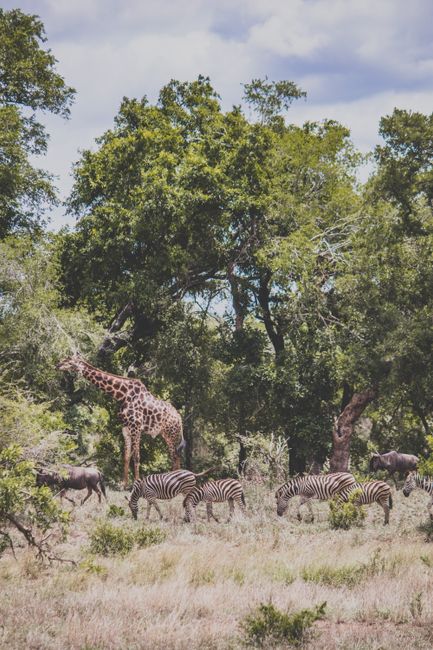
Beyond the Big Five, Kruger teems with an array of other fascinating mammals. Giraffes gracefully navigate the acacia woodlands, their long necks reaching for the juiciest leaves. Zebras, with their distinctive black and white stripes, graze in large numbers across the open plains. Various antelope species, including impala, kudu, wildebeest, and springbok, are ubiquitous, providing ample prey for the park’s predators. Hippos and crocodiles dominate the rivers and waterholes, their prehistoric forms a constant reminder of the ancient rhythms of the African wilderness. Smaller mammals, such as baboons, monkeys, warthogs, and a multitude of mongooses, add to the dynamic ecosystem and provide constant amusement for visitors. The nocturnal world of Kruger is equally enthralling, with chances of spotting cheetahs, hyenas, wild dogs, and a variety of smaller predators during night drives.
Exploring Kruger’s Diverse Landscapes
Kruger National Park is not a monolithic entity; it is a mosaic of distinct ecological zones, each offering a unique safari experience. The southern section, characterized by its open savannas and abundance of waterholes, is the most popular and offers the highest density of game. This region is particularly good for spotting lions, elephants, and buffalo. The central part of the park transitions to more diverse woodlands and rocky hills, providing excellent leopard viewing opportunities. As you venture north, the landscape becomes more rugged and less densely vegetated, with the Lebombo Mountains forming a dramatic backdrop. This northern section is often referred to as the "real wild" and is favored by those seeking a more remote and less crowded experience, with higher chances of encountering cheetahs and wild dogs.
The park’s extensive road network, comprising over 2,000 kilometers of roads, allows for self-drive safaris, providing flexibility and a sense of personal discovery. Major camps like Skukuza, Lower Sabie, and Olifants serve as hubs, offering accommodation, restaurants, and amenities. Smaller, more intimate rest camps provide a quieter experience. The Olifants River, a vital lifeline for the park’s wildlife, is a prime area for game viewing, particularly during the dry season when animals congregate at its banks. The Sabie River in the south also attracts significant wildlife activity. The variety of landscapes ensures that no two safaris in Kruger are ever the same, with different seasons and times of day revealing new wonders.
Planning Your Kruger Safari: Essential Information
A successful Kruger safari requires careful planning. The best time to visit depends on your priorities. The dry season, from May to October, is generally considered prime time due to lower vegetation, making game spotting easier, and animals congregating around dwindling water sources. This period also sees fewer mosquitoes. The wet season, from November to April, brings lush green landscapes and a surge in newborn animals, offering spectacular photographic opportunities, especially for birdwatchers. However, game viewing can be more challenging due to thicker bush, and roads can become impassable in certain areas.
Accommodation options within Kruger are varied, catering to different budgets and preferences. The South African National Parks (SANParks) manages a range of rest camps, from basic bungalows to self-catering chalets and luxury lodges. These camps offer essential facilities like shops, restaurants, and swimming pools. For a more exclusive experience, private lodges located within or bordering the park offer all-inclusive packages with guided game drives, bush walks, and gourmet dining. Booking accommodation well in advance is highly recommended, especially during peak season.
Getting to Kruger National Park is relatively straightforward. The closest major international airport is O.R. Tambo International Airport (JNB) in Johannesburg. From Johannesburg, you can either fly directly to one of Kruger’s internal airports (like Skukuza Airport – SZK) via a short domestic flight, or rent a car for a self-drive adventure. The drive from Johannesburg to Kruger takes approximately 4-6 hours, depending on your chosen gate and destination camp. Several private tour operators also offer guided safari packages that include transportation, accommodation, and game drives.
Activities and Experiences in Kruger National Park
While game drives are the quintessential Kruger experience, the park offers a multitude of other activities to enhance your safari adventure. Guided game drives, conducted by experienced rangers, are invaluable for spotting elusive wildlife and gaining in-depth knowledge about the ecosystem. These drives can be conducted in open safari vehicles, offering unobstructed views. Night drives, available at most camps, provide a unique opportunity to witness the park’s nocturnal inhabitants.
For the more adventurous, guided bush walks offer an intimate encounter with the wilderness. Led by armed rangers, these walks allow you to explore the smaller details of the bush, from tracking animal spoor to identifying fascinating plant life. These walks are an excellent way to appreciate the intricate workings of the ecosystem and to understand the bush from a different perspective.
Birdwatching in Kruger is exceptional, with over 500 species recorded. The park’s diverse habitats support a wealth of avian life, from majestic raptors like the martial eagle to vibrant sunbirds and colorful rollers. Birding checklists and guides are readily available to assist in identification.
Other activities include scenic drives to viewpoints offering panoramic vistas, visits to archaeological sites that reveal the region’s rich history, and educational programs at the various research and visitor centers. The park’s camps also often host evening talks by rangers, providing further insights into the wildlife and conservation efforts.
Conservation Efforts and Responsible Tourism in Kruger
Kruger National Park is a testament to the power of dedicated conservation. The park’s success in preserving its wildlife is largely due to the tireless efforts of SANParks and its commitment to anti-poaching initiatives, habitat management, and ecological research. The ongoing threat of poaching, particularly for rhino horn and elephant ivory, necessitates a robust and well-resourced anti-poaching strategy, including ranger patrols, aerial surveillance, and intelligence gathering. Visitors play a crucial role in supporting these efforts through responsible tourism.
Choosing eco-friendly accommodation, respecting wildlife viewing guidelines (maintaining a safe distance, avoiding feeding animals, and minimizing noise), and supporting local conservation initiatives are all vital aspects of responsible tourism. By adhering to these principles, visitors can contribute to the long-term sustainability of Kruger National Park and ensure that its magnificent wildlife heritage is preserved for future generations. Understanding the delicate balance of the ecosystem and appreciating the importance of conservation should be an integral part of every visitor’s experience.
Getting the Most Out of Your Kruger Safari
Maximizing your chances of incredible wildlife sightings requires a strategic approach. Early mornings and late afternoons are generally the most productive times for game viewing as animals are most active during these cooler periods. Patience is key; sometimes, the most rewarding sightings come after a period of waiting. Diversifying your exploration by visiting different areas of the park can also increase your chances of encountering a wider variety of species. Consider utilizing park maps and consulting with rangers for up-to-date information on recent sightings. Binoculars are an essential piece of equipment for any Kruger visitor, allowing for closer observation of distant animals and birds. A good camera with a telephoto lens is also highly recommended for capturing those unforgettable wildlife moments. Remember to pack appropriate clothing, including neutral-colored attire to avoid startling animals, comfortable walking shoes, a hat, and sunscreen. Staying hydrated is crucial, especially during the warmer months. Finally, embrace the wildness; be prepared for unexpected encounters and savor every moment of your extraordinary African adventure in Kruger National Park.


