
Rare Sighting Of Killer Whales Off Tasmanias Bruny Island

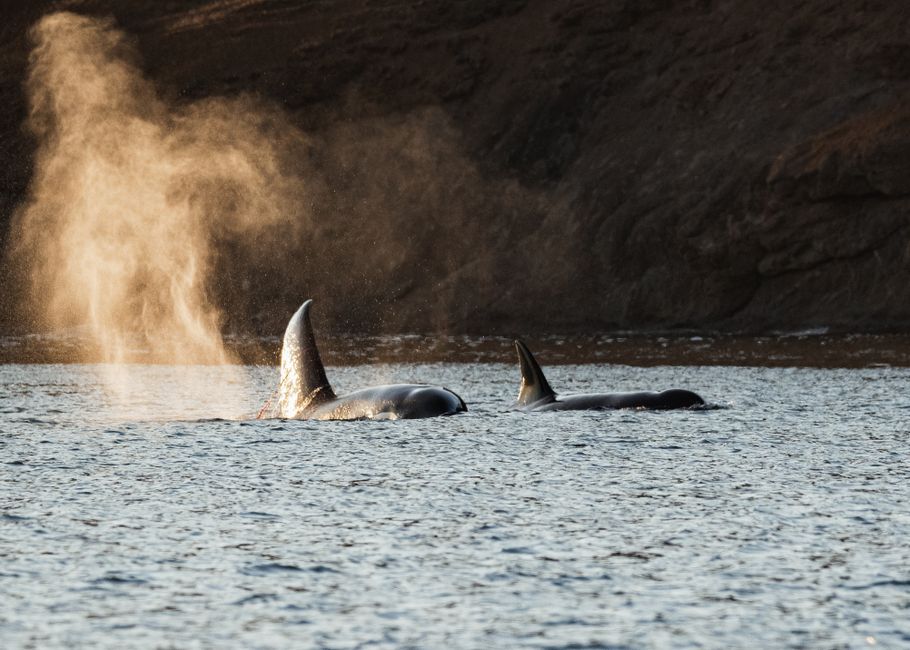
Rare Killer Whale Spectacle Graces Bruny Island Coastline: An In-Depth Look at Orca Sightings in Tasmanian Waters
The pristine waters off Tasmania’s Bruny Island have recently been the stage for an extraordinary and rare spectacle: the sighting of killer whales, also known as orcas (Orcinus orca). These apex predators, renowned for their intelligence, complex social structures, and formidable hunting prowess, are not commonly observed in such close proximity to the Tasmanian coastline. This event offers a unique opportunity to delve into the world of these magnificent marine mammals, exploring their presence in Australian waters, their behaviour, and the significance of their appearances off Bruny Island. Understanding the factors that draw these elusive giants to specific locations, the implications of such sightings for marine research, and the conservation efforts vital for their continued well-being are paramount.
Orcas are the largest members of the dolphin family and possess a striking black and white coloration that makes them instantly recognizable. Their distribution is global, found in every ocean, from the frigid Arctic and Antarctic to temperate and tropical seas. However, specific populations, or ecotypes, are often associated with particular regions and exhibit distinct dietary preferences, hunting strategies, and social structures. In Australian waters, several distinct ecotypes of killer whales have been identified, including offshore populations that are rarely seen and resident populations that are more commonly sighted, particularly in the cooler southern waters. The recent Bruny Island sightings are particularly exciting because they represent a direct and accessible encounter with these animals in a relatively well-studied and popular marine tourism area.
The presence of killer whales in Tasmanian waters is not entirely unprecedented, but significant sightings are infrequent enough to be considered notable events. Historical records and anecdotal evidence suggest that orcas have visited these shores before, often linked to the migratory patterns of their prey. These magnificent marine mammals are highly mobile and undertake extensive migrations in search of food, making their appearances somewhat unpredictable. The waters around Tasmania, with their rich marine biodiversity, can attract a variety of prey species that are on the orca’s menu. Understanding what triggers these specific appearances, and why they are considered "rare," requires an examination of their typical feeding grounds and migratory routes.
The dietary habits of killer whales are incredibly diverse and are a primary factor influencing their distribution. Different ecotypes have specialized diets. Some populations, for instance, are primarily piscivorous, feeding on fish, while others are more mammal-focused, hunting seals, sea lions, and even other whales. In the southern Australian waters, sightings have often been linked to the presence of seals and sea lions, which are abundant on islands and coastlines around Tasmania. Bruny Island, with its numerous seal colonies, presents a potentially rich feeding ground. The specific individuals or pods observed off Bruny Island may have been drawn by a particularly strong concentration of their preferred prey.
Observing killer whale behaviour is crucial for understanding their ecological roles and for scientific research. During these rare sightings, marine biologists and wildlife enthusiasts closely monitor their activities. This can include observing their hunting techniques, which are often highly coordinated and employ sophisticated strategies passed down through generations. Pods may work together to herd fish, use waves to dislodge seals from ice floes (though this is more common in polar regions), or employ ambush tactics. The social interactions within the pod are also of great interest, as killer whales live in stable family groups called pods, with complex communication systems and strong social bonds.
The identification of individual killer whales is an important aspect of marine mammal research. Each whale has unique markings, particularly the saddle patch (the grey or white area behind the dorsal fin), which can be used to identify individuals. Photographs taken during sightings are invaluable for photo-identification databases, allowing researchers to track individual whales and pods over time, understand their movements, and estimate population sizes. This data is critical for assessing the health and status of killer whale populations in the region. The Bruny Island sightings provide fresh data points for these ongoing research efforts.
The ecological impact of killer whales is significant. As apex predators, they play a vital role in regulating the populations of their prey species. This top-down control can influence the entire marine ecosystem, from fish stocks to the health of seal and sea lion colonies. Their presence is an indicator of a healthy and robust marine environment. The fact that killer whales are being sighted off Bruny Island could signify a flourishing ecosystem in that particular area, supporting the prey they depend on.
For tourism, rare wildlife sightings are a significant draw. The presence of killer whales can boost local economies through wildlife tours and associated businesses. However, it is imperative that such tourism is conducted responsibly, adhering to strict guidelines to minimize disturbance to the animals. Responsible wildlife viewing ensures that these encounters remain beneficial for both the animals and the human observers. Tour operators and individuals must prioritize the welfare of the orcas, maintaining a safe distance and avoiding any actions that could alter their natural behaviour.
The conservation status of killer whales is complex and varies by ecotype and region. While globally they are listed as "Data Deficient" by the IUCN due to the vastness of their range and the challenges in monitoring all populations, specific ecotypes face different threats. In some areas, they are vulnerable to pollution, noise disturbance from shipping, prey depletion due to overfishing, and entanglement in fishing gear. Understanding the threats faced by the killer whales that frequent Tasmanian waters is crucial for developing effective conservation strategies.
The waters off Tasmania are recognized for their rich marine biodiversity, making them an important area for marine research and conservation. The presence of apex predators like killer whales highlights the health of this environment. Initiatives focused on marine protected areas, sustainable fishing practices, and the reduction of pollution all contribute to the overall well-being of marine life, including these magnificent cetaceans. Collaboration between researchers, government agencies, and the public is essential for the ongoing protection of these animals and their habitats.
The Bruny Island sightings underscore the dynamic nature of marine ecosystems and the importance of continued monitoring. These events are not just fleeting moments of wonder; they are opportunities to gather vital scientific data, to educate the public about the importance of marine conservation, and to reinforce the need for responsible stewardship of our oceans. The return of killer whales to these shores serves as a powerful reminder of the wildness and wonder that still exists in our natural world, and the critical need to protect it for future generations.
The specific characteristics of the Bruny Island coastline, including its sheltered bays and proximity to deeper offshore waters, may contribute to its appeal for certain marine species. Understanding the oceanographic features, such as currents, water temperature, and the presence of nutrient upwellings, can also provide insights into why these animals choose to visit certain areas. These factors collectively create a unique marine environment that can support a diverse range of prey, thereby attracting apex predators.
The genetic diversity and population structure of killer whales in Australian waters are ongoing areas of research. Photo-identification data collected from sightings like those at Bruny Island contribute to building a comprehensive picture of the different pods, their genetic relatedness, and their movement patterns. This information is vital for understanding their long-term survival prospects and for designing effective conservation plans that take into account the specific needs of distinct populations.
The communication methods of killer whales are sophisticated and involve a complex array of clicks, whistles, and pulsed calls. Each pod often has its own dialect, further highlighting their intricate social structures. Observing their vocalizations, when possible, can provide valuable insights into their social behaviour, hunting strategies, and their interactions with other marine life. The acoustic environment of the waters off Bruny Island could also play a role in their behaviour and communication.
The role of citizen science in documenting rare marine mammal sightings cannot be overstated. Enthusiasts and local communities play a crucial role in reporting these events, providing valuable real-time data that can inform scientific research and conservation efforts. The recent Bruny Island sightings, undoubtedly documented by many keen observers, are a testament to the power of public engagement in marine wildlife monitoring. Sharing these sightings with relevant authorities and research institutions ensures that this valuable information is utilized effectively.
The potential impact of climate change on marine ecosystems and species distribution is a growing concern. Changes in ocean temperature, prey availability, and habitat can all influence the movements and survival of apex predators like killer whales. Monitoring their presence and behaviour in different regions can serve as an indicator of broader environmental shifts. The Bruny Island sightings could be part of a larger trend influenced by changing ocean conditions.
The educational value of such sightings is immense. They offer a direct connection to the natural world and can foster a greater appreciation for marine life and the importance of conservation. When killer whales are sighted, it’s an opportunity to educate the public about their biology, behaviour, and the threats they face. This can translate into increased support for conservation initiatives and a more informed public dialogue about marine protection.
The history of whaling in Australian waters, though largely in the past, has had a lasting impact on marine mammal populations. While direct whaling of killer whales was not as prevalent as for other species, the overall pressure on marine ecosystems from historical whaling practices has had broader consequences. Understanding this historical context can inform present-day conservation efforts and highlight the resilience of these species.
The future of killer whale conservation in Tasmania and surrounding waters hinges on continued research, effective management strategies, and a commitment to protecting their marine environment. The rare and exciting sightings off Bruny Island serve as a potent reminder of the incredible wildlife that inhabits our oceans and the urgent need to ensure its continued presence. These encounters are not just a spectacle; they are a call to action for greater awareness and more robust conservation efforts. The ongoing monitoring and study of these magnificent creatures will continue to unravel the mysteries of their lives and guide our efforts to ensure their survival in the vast blue expanse.


