
On Time Airlines Report

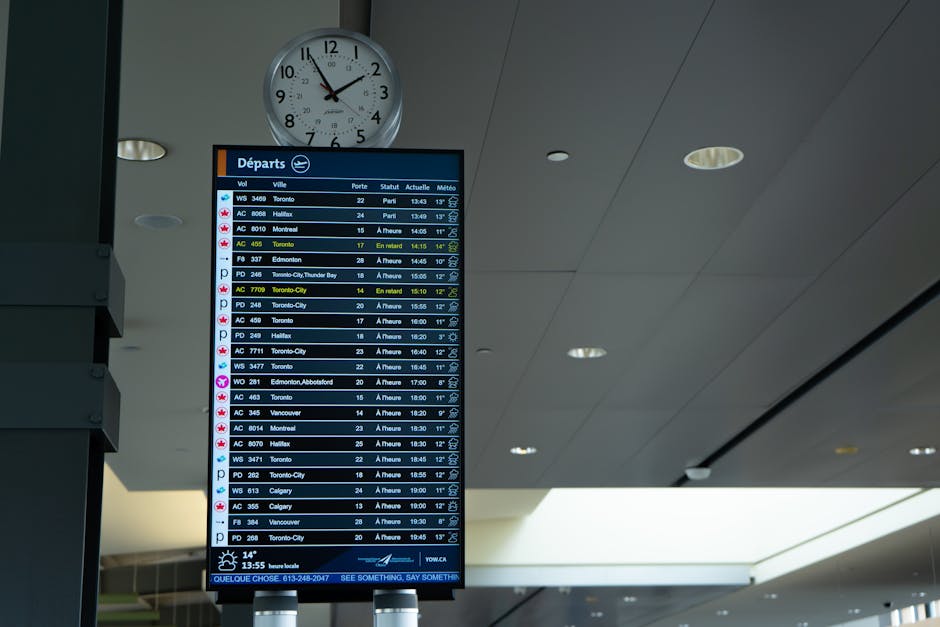
On-Time Airlines Report: Navigating Punctuality in Air Travel
The on-time performance of airlines is a critical metric for passengers, a key indicator of operational efficiency for carriers, and a subject of continuous analysis and reporting by aviation authorities and industry watchdogs. This comprehensive report delves into the multifaceted aspects of on-time airline performance, exploring its definition, measurement, influencing factors, impact on stakeholders, and current trends, all with an SEO-friendly approach to provide valuable insights for travelers, industry professionals, and researchers. Understanding which airlines consistently deliver on their schedules is paramount for effective travel planning and informed consumer choice.
Defining and Measuring On-Time Performance
At its core, on-time performance (OTP) for an airline refers to the percentage of flights that depart and arrive within a specified timeframe of their scheduled times. The most widely accepted definition, particularly by regulatory bodies like the U.S. Department of Transportation (DOT) and Eurocontrol, considers a flight "on time" if it arrives at the gate no later than 15 minutes after its scheduled arrival time. Departure is typically measured from the gate departure time, also within the 15-minute window of the scheduled departure. This standardized definition allows for consistent comparison across different airlines and reporting periods. Various aviation agencies and data providers, such as OAG (Official Airline Guide), Cirium, and the aforementioned DOT, regularly compile and publish these statistics, providing valuable benchmarks for airline performance. The methodology for data collection is crucial, often relying on flight tracking systems, airline-reported data, and airport operational logs. Fluctuations in these definitions or measurement periods can significantly impact reported percentages, underscoring the importance of understanding the specific parameters of any given report.
Key Factors Influencing Airline On-Time Performance
Numerous interconnected factors contribute to an airline’s ability to maintain its schedule. These can be broadly categorized into internal operational factors and external environmental factors.
-
Internal Operational Factors:
- Aircraft Turnaround Time: The efficiency with which ground crews service an aircraft between flights (cleaning, refueling, baggage handling, passenger boarding) directly impacts departure times. Delays in any of these processes cascade into subsequent flight schedules.
- Crew Scheduling and Availability: Complex crew rosters, potential for crew duty time limitations, and unforeseen crew illnesses can lead to delays if replacement crews are not readily available or if new crew scheduling requires significant adjustments.
- Aircraft Maintenance: Proactive and efficient maintenance is vital. Unexpected mechanical issues discovered during pre-flight checks or minor repairs needed between flights can ground an aircraft temporarily, causing significant delays or requiring aircraft swaps, which can be complex and time-consuming.
- Ground Operations Efficiency: This encompasses a wide range of activities including baggage handling, catering services, and fueling. Bottlenecks or inefficiencies in any of these areas can hold up departures.
- Airline IT Systems and Communication: Modern airlines rely heavily on sophisticated IT systems for flight planning, crew management, passenger information, and operational control. Glitches or downtime in these systems can disrupt operations and lead to delays.
- Passenger Boarding and Deplaning: The speed and organization of passenger boarding and deplaning, especially at busy airports, can significantly impact gate departure times. Factors like the number of passengers, the efficiency of boarding procedures, and the presence of passengers requiring special assistance all play a role.
-
External Environmental Factors:
- Air Traffic Control (ATC) Congestion: Overcrowded airspace, capacity limitations at ATC centers, and air traffic flow management initiatives (ATFM) implemented to manage congestion are major drivers of delays, particularly for departures and en-route flight paths.
- Weather Conditions: Severe weather at departure airports, en route, or at arrival airports is a primary cause of flight disruptions. This includes thunderstorms, heavy rain, snow, ice, fog, and strong winds. The impact of weather can be widespread and long-lasting.
- Airport Congestion and Slot Restrictions: Limited runway availability, gate availability, and traffic congestion at busy airports can lead to aircraft holding patterns in the air or on the ground, resulting in delays. Slot restrictions imposed by some airports further complicate scheduling.
- Security and Immigration Procedures: While essential for safety and security, lengthy queues at security checkpoints and immigration can sometimes impact passenger boarding times, indirectly affecting flight departures.
- Unforeseen Events: Strikes by ground staff, air traffic controllers, or other airport personnel, as well as security alerts or unforeseen emergencies, can cause widespread and unpredictable delays.
The Impact of On-Time Performance on Stakeholders
The ramifications of on-time airline performance extend across several key stakeholder groups, each with distinct interests and concerns.
-
Passengers: For travelers, punctuality directly translates to convenience, reduced stress, and the ability to meet onward connections, business appointments, or personal commitments. Significant delays can lead to missed flights, extra accommodation costs, lost workdays, and overall dissatisfaction. For business travelers, time is often money, making OTP a crucial factor in airline choice. Leisure travelers often plan their vacations around specific timings, and delays can disrupt their carefully laid plans. The rise of real-time flight tracking apps has also made passengers more aware and often more frustrated by delays.
-
Airlines: On-time performance is a crucial indicator of an airline’s operational efficiency and reliability. Consistently high OTP can enhance brand reputation, build customer loyalty, and attract passengers who prioritize reliability. Conversely, poor OTP can damage an airline’s image, leading to passenger attrition, increased customer service costs (handling complaints, rebooking, compensation), and potentially even regulatory scrutiny or financial penalties. Airlines invest heavily in operational optimization, including technology, staffing, and training, to improve their OTP.
-
Airports: Airports are responsible for managing the flow of aircraft and passengers. Delays caused by airlines can create congestion on the tarmac, lead to gate conflicts, and strain airport resources such as baggage handlers and ground staff. While not directly responsible for flight delays, airports benefit from efficient airline operations that contribute to smoother overall airport management.
-
Air Traffic Control (ATC): ATC systems are designed to manage air traffic safely and efficiently. Significant, unpredicted delays can disrupt ATC’s meticulously planned traffic flows, leading to reactive management and potentially increased workload. Conversely, predictable, minor delays can sometimes be absorbed more easily into the system.
-
Tour Operators and Travel Agencies: These businesses rely on airlines to deliver their packages on time. Delays can disrupt tour itineraries, lead to guest complaints, and damage the reputation of the tour operator. The reliability of airline partners is therefore a critical component of their business.
Analyzing and Reporting On-Time Performance: Trends and Insights
The reporting and analysis of airline OTP have evolved significantly, driven by technological advancements and a greater demand for transparency.
-
Data Aggregation and Analysis: Companies like OAG and Cirium specialize in collecting and analyzing vast amounts of flight data from global sources, providing detailed reports on airline and airport OTP. These reports often segment performance by region, airline type (full-service, low-cost), and even specific routes. The increasing availability of historical data allows for trend analysis and the identification of seasonal patterns in delays.
-
Global Performance Benchmarks: Reports consistently highlight that major hubs and regions with complex air traffic management systems often face greater challenges in maintaining OTP. Factors like dense airspace, weather patterns, and the sheer volume of flights contribute to this. Asia, Europe, and North America often exhibit varying OTP figures due to these differing operational environments.
-
Impact of Low-Cost Carriers (LCCs): LCCs, with their focus on quick turnarounds and efficient operations, often demonstrate strong OTP. Their business model is inherently geared towards maximizing aircraft utilization, which necessitates a disciplined approach to scheduling and adherence to departure times. However, even LCCs are susceptible to the same external factors that affect traditional carriers.
-
Technological Innovations: Airlines and airports are increasingly investing in technology to improve OTP. This includes advanced flight planning software, real-time operational dashboards, predictive analytics for potential delays (e.g., weather, mechanical issues), and improved communication systems between all operational stakeholders. Drones are even being explored for rapid runway inspections, and AI is being used to optimize aircraft routing and gate assignments.
-
Regulatory Influence: Aviation authorities play a significant role in setting OTP standards and, in some regions, imposing compensation rules for significant delays and cancellations. This regulatory pressure incentivizes airlines to prioritize punctuality. For example, EU Regulation 261/2004 mandates compensation for passengers in cases of significant delays or cancellations, directly impacting airline operational decision-making.
-
The COVID-19 Pandemic’s Impact: The pandemic drastically altered air travel patterns. Initial cancellations and reduced flight schedules led to temporarily improved OTP for many. However, as demand rebounded, airlines faced challenges staffing, supply chain issues impacting maintenance, and a return to pre-pandemic levels of congestion, leading to a resurgence in delays. The focus has shifted to rebuilding operational resilience.
Strategies for Improving and Maintaining On-Time Performance
Airlines employ a range of strategies to enhance and sustain their OTP.
-
Operational Buffers: While aiming for efficiency, airlines build in strategic buffers into their schedules. This might include slightly longer scheduled flight times than are strictly necessary or adding a few minutes between connecting flights to allow for minor delays.
-
Proactive Maintenance Programs: Investing in robust, predictive, and preventative maintenance schedules is crucial. This reduces the likelihood of unexpected mechanical issues causing delays.
-
Advanced Flight Planning and Dispatch: Utilizing sophisticated software to optimize flight paths, considering real-time weather and ATC information, can minimize en-route delays. Efficient dispatch procedures ensure that all necessary checks and preparations are completed promptly.
-
Streamlined Ground Operations: Continuous improvement in baggage handling, catering, cleaning, and fueling processes at the gate is paramount. This often involves investments in technology and staff training.
-
Effective Communication and Collaboration: Seamless communication channels between flight crews, ground staff, dispatchers, ATC, and even passengers are vital for swift problem-solving and proactive management of potential disruptions.
-
Contingency Planning: Robust contingency plans for various scenarios, such as extreme weather events, ATC strikes, or equipment failures, allow airlines to react more effectively and minimize the impact on their schedules. This includes having backup aircraft and crew readily available.
-
Data-Driven Decision Making: Regularly analyzing OTP data, identifying root causes of delays, and implementing targeted improvements based on these insights is a continuous cycle for airlines focused on punctuality.
Conclusion: The Enduring Importance of On-Time Performance
The on-time performance of airlines remains a cornerstone of reliable air travel. While external factors can inevitably lead to disruptions, a focus on operational excellence, technological adoption, and strategic planning allows airlines to consistently achieve high OTP. For passengers, understanding the factors that influence punctuality and consulting reliable on-time performance reports empowers them to make informed travel decisions, leading to smoother and less stressful journeys. The pursuit of punctuality is an ongoing endeavor for the aviation industry, a testament to its commitment to efficiency, customer satisfaction, and the seamless movement of people and goods across the globe. Continued analysis and reporting on OTP will remain essential for accountability, driving innovation, and ultimately, enhancing the passenger experience in the skies.


