
Edinburgh On A Budget

Edinburgh on a Budget: Unveiling Scotland’s Capital Without Breaking the Bank
Exploring Edinburgh, a city steeped in history, dramatic landscapes, and vibrant culture, doesn’t necessitate a king’s ransom. While its iconic castle and winding closes exude an air of aristocratic grandeur, numerous strategies and readily available resources allow visitors to experience its magic on a budget. This guide delves into the practicalities of enjoying Edinburgh’s best without compromising on experience, focusing on accommodation, transportation, attractions, dining, and entertainment, all while keeping cost-effectiveness at the forefront. Understanding the city’s layout and the seasonality of its tourism is crucial for maximizing savings. Edinburgh, particularly during its peak summer months and the Fringe Festival, sees prices surge. Therefore, shoulder seasons – spring (April-May) and autumn (September-October) – offer a compelling combination of pleasant weather and more affordable options across the board. Planning your visit outside of major event dates is the first, and perhaps most impactful, step in an Edinburgh on a budget adventure.
Accommodation is often the largest single expense for any traveler. For budget-conscious visitors to Edinburgh, hostels are an excellent starting point. Offering dormitory-style beds and private rooms at significantly lower prices than hotels, hostels provide a social atmosphere and often include communal kitchens, allowing for further cost savings through self-catering. Edinburgh boasts a strong selection of highly-rated hostels, particularly in the city center, putting you within walking distance of many attractions. Look for options with good reviews regarding cleanliness and security. Alternatively, consider self-catering apartments or Airbnb rentals. While these might seem more expensive upfront, booking for a group or for a longer duration can bring the per-person cost down considerably. Crucially, opting for accommodation slightly outside the immediate tourist core, but still well-connected by public transport, can yield substantial savings. Neighborhoods like Leith, Stockbridge, or even areas further out along a tram or bus route, offer a more local feel and lower rental prices. Remember to factor in the cost and time of transportation from these areas when comparing options. Early booking is paramount, especially if your travel dates coincide with popular events. Last-minute bookings in Edinburgh, particularly for budget accommodation, will almost invariably result in higher prices and fewer choices.
Navigating Edinburgh without a car is not only feasible but also the most economical approach. The city center is remarkably walkable, with most major attractions concentrated within a manageable radius. For longer distances, Edinburgh’s public transport system, comprising Lothian Buses and Edinburgh Trams, is efficient and affordable. Purchasing a day ticket or a multi-day pass offers significant savings over single fares, especially if you plan to utilize public transport frequently. Buses cover a vast network, reaching virtually every corner of the city, while the tram line connects the airport to the city center and onward to Newhaven. Consider downloading journey planning apps like Citymapper or Google Maps, which provide real-time bus and tram schedules and route information. Walking itself is a free and incredibly rewarding way to discover Edinburgh’s hidden gems. Many of the city’s most picturesque streets, closes, and viewpoints are best explored on foot, offering spontaneous discoveries and a deeper appreciation for its unique architecture and atmosphere. Consider walking tours that focus on specific themes, some of which are free (relying on tips) or very reasonably priced. These guided walks offer invaluable insights into the city’s history and culture, often leading you to less obvious, yet equally fascinating, spots.
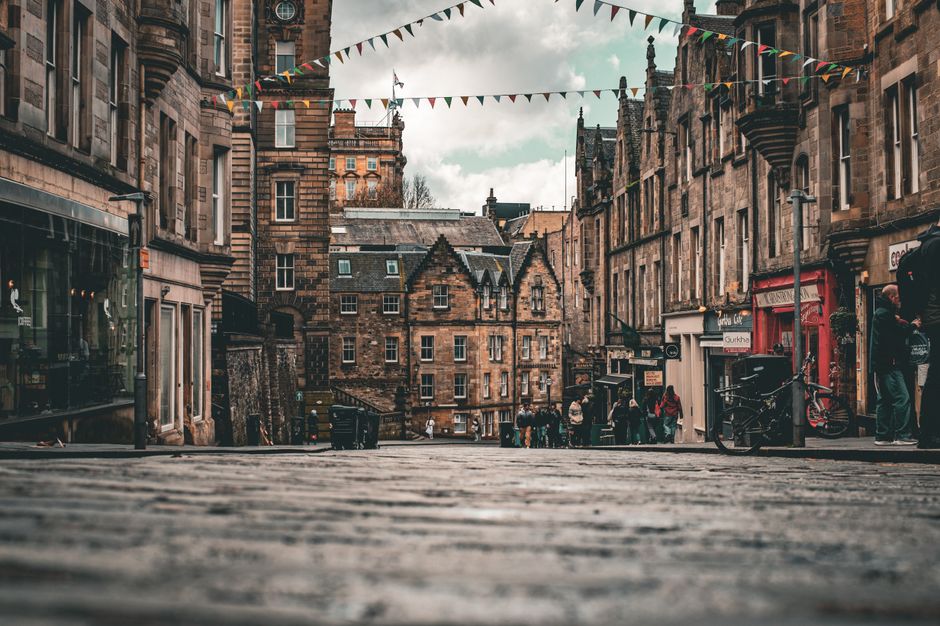
Edinburgh is renowned for its wealth of free and low-cost attractions, dispelling the myth that experiencing its treasures requires significant expenditure. The most obvious is Edinburgh Castle. While entry has a fee, simply admiring its imposing silhouette from various vantage points around the city, such as Calton Hill or the viewpoints along the Royal Mile, is a captivating experience in itself. The Royal Mile, the historic backbone of the Old Town, is a UNESCO World Heritage site and a free spectacle to wander. Explore its narrow closes, soak in the street performers, and absorb the medieval atmosphere. Arthur’s Seat, an ancient volcano in Holyrood Park, offers breathtaking panoramic views of the city and beyond, and the hike to its summit is entirely free. Similarly, Calton Hill provides iconic vistas and is home to several historical monuments, including the National Monument, often referred to as Edinburgh’s "pride and sorrow."
For museum enthusiasts, many of Edinburgh’s national museums offer free admission to their permanent collections. The National Museum of Scotland is a treasure trove of Scottish history, culture, and innovation, requiring no entry fee. The Scottish National Gallery, also free, houses an impressive collection of European art. For those interested in the city’s literary heritage, the Writers’ Museum, commemorating Robert Burns, Walter Scott, and Robert Louis Stevenson, is free to enter. The Scottish Parliament building, with its striking modern architecture, offers free tours and the opportunity to witness parliamentary sessions. Even exploring the grounds of Holyrood Palace, the Queen’s official residence in Scotland, provides a glimpse into royal history without an admission fee, though tours of the interior do incur a charge. Consider looking for free walking tours that focus on specific aspects of Edinburgh, such as ghost tours or historical tours. While these often operate on a tip-based system, they can offer immense value and a personalized experience at a fraction of the cost of traditional guided tours. Researching free events and festivals happening during your visit can also lead to unique and memorable experiences without spending a penny.
Dining on a budget in Edinburgh requires a strategic approach, moving beyond tourist-trap restaurants for more authentic and affordable culinary experiences. The city offers a diverse range of options for the cost-conscious palate. Exploring local markets, such as the Edinburgh Farmers’ Market at the Meadows, allows you to sample local produce and grab delicious, reasonably priced food on the go. For a traditional Scottish experience without the hefty price tag, seek out pubs offering hearty and affordable meals. Look for "pub grub" deals or lunch specials. Many pubs offer excellent value for money with traditional dishes like haggis, neeps, and tatties, or fish and chips. Supermarkets are also your friend for budget dining. Purchasing supplies for picnics to enjoy in one of Edinburgh’s many beautiful parks, like Princes Street Gardens or the Royal Botanic Garden (which also has free general admission), is a fantastic way to save money and enjoy the city’s green spaces. Alternatively, consider exploring areas slightly outside the immediate tourist hotspots for more affordable eateries. Neighborhoods like Leith have a thriving culinary scene with many independent restaurants offering excellent value. Look for ethnic eateries, such as Indian, Chinese, or Italian restaurants, which often provide delicious and budget-friendly options. For a truly local experience, try a "chippy" (fish and chip shop) for a classic and inexpensive meal. Many cafés also offer affordable sandwiches, soups, and baked goods, perfect for a quick and budget-friendly lunch.
Edinburgh’s vibrant entertainment scene offers numerous opportunities for enjoyment without breaking the bank. The city’s pub culture is legendary, and many pubs offer live traditional Scottish music sessions, often free of charge or with a minimal cover. Spending an evening hopping between traditional pubs, enjoying the lively atmosphere and local music, is a quintessential Edinburgh experience that costs very little. Look for pubs in areas like the Grassmarket or the Cowgate, which are known for their lively atmospheres. Many of Edinburgh’s theatres and music venues offer discounted tickets for students, seniors, or for advance bookings. Keep an eye out for last-minute ticket deals or "rush tickets" released shortly before performances. Researching free local events is also key. The city hosts numerous festivals and events throughout the year, many of which have free components. The famous Edinburgh Fringe Festival, while an expensive time to visit overall, has a plethora of free street performances and smaller, more affordable shows. Checking local listings and event websites in the weeks leading up to your visit can reveal hidden gems and cost-effective entertainment. Even simply strolling through the atmospheric streets of the Old and New Towns in the evening, soaking in the ambiance and street performers, can be an entertaining experience in itself. The city’s numerous parks and open spaces are also ideal for informal entertainment, whether it’s enjoying a picnic, playing frisbee, or simply relaxing and people-watching. For those interested in art, many smaller galleries have free admission, offering a chance to discover local talent.
Maximizing your budget in Edinburgh also involves smart planning and utilizing available resources. Consider purchasing a historic Scotland pass if you plan to visit multiple paid historical sites managed by Historic Environment Scotland. While this requires an upfront investment, it can offer significant savings if your itinerary includes several of their properties. However, for a strictly budget trip, focus on the free attractions and consider which paid sites are truly essential for your experience. Look for discount cards or coupons offered by tourist information centers or found in local publications. These can sometimes provide money off attractions, tours, or even meals. Traveling during the shoulder seasons – spring (April-May) and autumn (September-October) – offers a double benefit of lower prices and fewer crowds, making your experience more enjoyable and significantly more budget-friendly. Be aware of the Edinburgh Fringe Festival (August), which is one of the busiest and most expensive times to visit. If your budget is tight, aim to visit outside of this period. Booking flights and accommodation well in advance is crucial for securing the best prices, especially during peak travel times. Utilize comparison websites for flights and accommodation to find the most competitive deals. Finally, embrace the spirit of exploration. Many of Edinburgh’s most memorable experiences are not the big-ticket attractions, but rather the serendipitous discoveries made while wandering its historic streets, chatting with locals, and soaking in the unique atmosphere of this captivating Scottish capital.


