
Best Little Italy Neighborhoods Us

America’s Enduring Enclaves: A Deep Dive into the Best Little Italy Neighborhoods Across the US
The very concept of "Little Italy" evokes images of cobblestone streets, the aroma of simmering tomato sauce, vibrant festivals, and a palpable sense of community. While many historic Italian-American neighborhoods have evolved, some retain their distinctive charm and cultural vibrancy, offering authentic experiences that transport visitors to the heart of Italy without leaving the United States. These enclaves, often born from waves of immigration in the late 19th and early 20th centuries, have served as vital centers for cultural preservation, economic development, and the creation of distinct American identities. From the bustling metropolises of the East Coast to the sun-drenched shores of California, these neighborhoods stand as testament to the enduring legacy of Italian immigrants and their profound impact on the American cultural tapestry. This article explores some of the most celebrated and authentic Little Italy neighborhoods across the US, examining what makes them unique, their historical significance, and why they continue to attract residents and visitors alike.
New York City’s Little Italy: A Shifting Landscape, Enduring Spirit
New York City boasts perhaps the most historically significant and internationally recognized Little Italy, located in Lower Manhattan. For generations, Mulberry Street served as the vibrant epicenter of Italian-American life, a place where families gathered, businesses flourished, and cultural traditions were meticulously maintained. While the demographic and physical landscape of this iconic neighborhood has undergone significant transformations, particularly with the encroachment of Chinatown, the spirit of Little Italy endures. Today, it remains a crucial tourist destination, drawing visitors eager to experience its famed ristorantes, pasticcerias, and specialty food shops. The annual Feast of San Gennaro, a week-long celebration held in September, is a quintessential event, transforming Mulberry Street into a pedestrian paradise filled with food vendors, religious processions, and lively entertainment, drawing hundreds of thousands of attendees. Beyond the main thoroughfare, remnants of the original community can still be found, with some long-standing family-owned businesses persevering. The area’s historical significance is undeniable, representing a primary gateway for Italian immigrants and a crucial early settlement for their integration into American society. Exploring the remaining streets offers a glimpse into the architectural styles of the late 19th and early 20th centuries, often characterized by tenement buildings that housed generations of immigrant families. Despite the changing demographics, the area’s enduring appeal lies in its ability to evoke nostalgia and offer a tangible connection to a significant chapter of American immigrant history. The concentration of authentic Italian restaurants, from red-sauce joints to more upscale dining experiences, continues to make it a culinary pilgrimage for many. The scent of garlic and basil wafting from open doorways, the lively chatter in Italian (and English), and the visual feast of colorful storefronts all contribute to its unique atmosphere. Understanding its evolution, from a predominantly residential and commercial hub for Italians to its current status as a cultural and gastronomic landmark, is key to appreciating its multifaceted identity.
Boston’s North End: A Timeless Culinary and Cultural Hub
Boston’s North End stands as one of America’s oldest and most vibrant Italian-American neighborhoods, a living testament to the enduring strength of its immigrant heritage. Unlike some other Little Italies that have seen significant decline, the North End has managed to preserve its authentic character, making it a beloved destination for both locals and tourists. The neighborhood’s rich history is deeply intertwined with the arrival of Italian immigrants, primarily from Southern Italy, who sought refuge and opportunity in the bustling port city. They established a strong community, building churches, social clubs, and, most importantly, an unparalleled culinary scene. Today, Hanover Street and Salem Street are the pulsating arteries of the North End, lined with an extraordinary concentration of trattorias, pizzerias, bakeries, and specialty food stores. The aroma of freshly baked bread, simmering sauces, and rich espresso fills the air, creating an immersive sensory experience. The North End is renowned for its exceptional Italian cuisine, offering everything from traditional Neapolitan pizzas and classic pasta dishes to sophisticated seafood and regional specialties. Many restaurants boast generations of family ownership, ensuring the preservation of authentic recipes and culinary traditions passed down through the ages. Beyond its culinary prowess, the North End is a hub of cultural activity. Churches like the Immacolata and St. Anthony’s serve as spiritual anchors and hosts for vibrant religious festivals, most notably the Feast of Saint Anthony in August, a spectacle of religious devotion, parades, live music, and an overwhelming abundance of food. The neighborhood’s architecture, with its narrow streets, historic brick buildings, and charming brownstones, further enhances its old-world charm. Walking through the North End is like stepping back in time, with its intimate piazzas, wrought-iron balconies, and intimate alleyways. The sense of community remains strong, with residents often greeting each other by name, fostering a welcoming and neighborly atmosphere. The North End’s ability to maintain its authenticity while also embracing its role as a popular tourist destination is a remarkable achievement, solidifying its position as a premier Little Italy in the United States. Its accessibility and proximity to other Boston attractions make it an easy and rewarding addition to any travel itinerary.
Philadelphia’s South Philly Italian Market: A Legacy of Bustling Commerce and Community
Philadelphia’s South Philly Italian Market, while not always explicitly branded as "Little Italy," is arguably one of the most authentic and enduring Italian-American commercial districts in the United States. Stretching across several blocks along Ninth Street, this vibrant open-air market has been a cornerstone of the city’s Italian-American community for over a century. It represents a living, breathing testament to the entrepreneurial spirit and cultural tenacity of the immigrants who established it. The market’s origins date back to the late 19th century, when Italian immigrants began setting up stalls to sell produce, meats, cheeses, and other goods they were familiar with from their homeland. Over time, it evolved into a bustling commercial hub, attracting not only Italians but also people from various ethnic backgrounds drawn to its diverse offerings and affordable prices. Today, the Italian Market remains a sensory wonderland. It’s a place where you can find everything from fresh, seasonal produce and artisanal cheeses to imported Italian specialty foods, fresh pasta, cured meats, and an array of tantalizing baked goods. The air is alive with the calls of vendors, the aroma of roasting peppers, and the lively chatter of shoppers. While the residential component of the surrounding neighborhoods has diversified, the market itself retains a strong Italian-American identity. Many of the businesses are still family-owned and operated, passed down through generations, preserving long-held traditions and a deep connection to their heritage. Iconic establishments like Di Bruno Bros., Termini Brothers Bakery, and Ralph’s Italian Ices are institutions that contribute to the market’s enduring appeal. Beyond the commercial aspect, the Italian Market has always been a vital social and cultural center for the community. It’s a place where neighbors connect, families gather, and cultural traditions are celebrated. The annual Italian Market Festival, held in May, is a major event that draws crowds from across the region, featuring live music, street performers, food vendors, and a celebration of the market’s rich heritage. The architecture of the market area, with its classic storefronts and awnings, harks back to a bygone era, adding to its authentic charm. Exploring the Italian Market offers a genuine glimpse into the heart of Philadelphia’s Italian-American experience, a place where commerce and community are inextricably linked, creating a unique and unforgettable urban landscape. Its designation as a National Historic Landmark further underscores its cultural significance.
San Francisco’s North Beach: A Bohemian Blend of Italian Roots and Counterculture
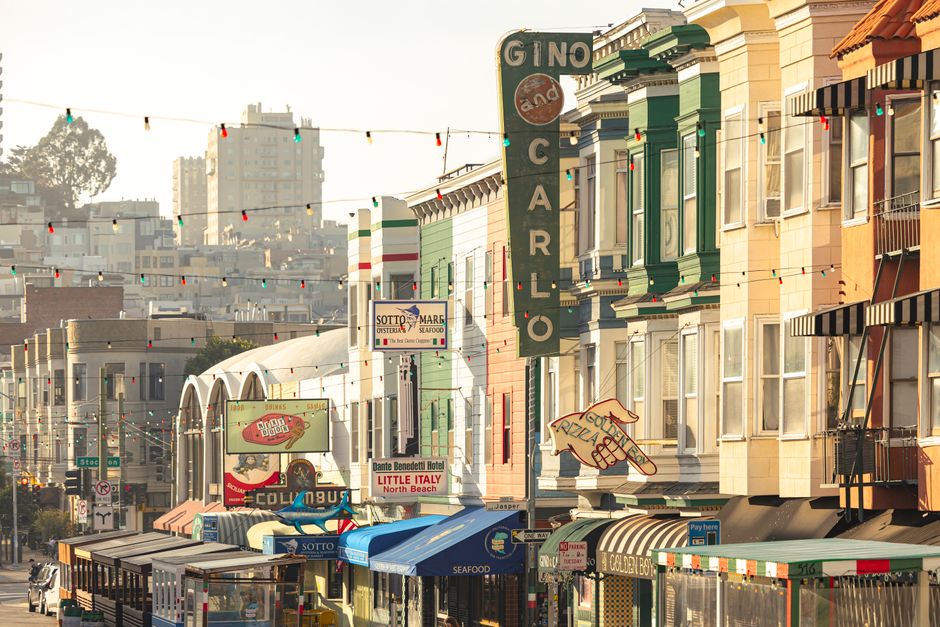
San Francisco’s North Beach, while perhaps not as singularly focused on Italian heritage as some other "Little Italies," holds a significant and unique Italian-American history that has shaped its distinctive character. Initially settled by Italian fishermen and dockworkers in the late 19th and early 20th centuries, the neighborhood gradually transformed into a vibrant hub of Italian culture, culinary traditions, and, later, a legendary center of the Beat Generation and counterculture movements. The Italian influence is still palpable in North Beach, particularly in its culinary landscape. Streets like Columbus Avenue are lined with historic Italian restaurants, trattorias, and bakeries, many of which have been family-owned for generations. These establishments offer authentic Italian fare, from classic pasta dishes and pizzas to more regional specialties, carrying on the culinary legacy of the neighborhood’s early settlers. Beyond the restaurants, remnants of Italian-American life can be found in the historic churches, such as Saints Peter and Paul Catholic Church, which has long served as a spiritual and social center for the community. The neighborhood’s architecture, with its charming Victorian buildings and Italianate facades, also reflects its historical roots. However, what sets North Beach apart is its evolution. In the mid-20th century, it became the epicenter of the Beat Generation, attracting writers, poets, and artists who were drawn to its bohemian atmosphere and sense of intellectual freedom. This countercultural movement, while distinct from the Italian heritage, became inextricably linked with the neighborhood’s identity, creating a unique blend of old-world charm and avant-garde spirit. Today, North Beach continues to embrace this duality. Visitors can enjoy authentic Italian food, browse independent bookstores, and soak in the literary history, all within the same vibrant district. The neighborhood’s iconic City Lights Bookstore, a hub for Beat literature, stands as a testament to its multifaceted cultural heritage. The lively atmosphere, with its jazz clubs, cafes, and bustling streets, offers a dynamic experience that pays homage to both its Italian origins and its storied past as a cradle of American counterculture. While the demographic makeup has diversified, the spirit of North Beach, with its enduring connection to Italian traditions and its legacy of artistic expression, remains a powerful draw for those seeking a unique and historically rich urban experience.
Chicago’s Taylor Street: A Historic Italian Enclave in the Heart of the Midwest
Chicago’s Taylor Street, often referred to as the city’s historic Italian enclave, represents a significant testament to the Italian-American community’s presence and influence in the Midwest. Situated in the Near West Side, this neighborhood was a primary destination for Italian immigrants arriving in Chicago, seeking employment in the city’s burgeoning industries. The community established a strong foothold, building churches, social organizations, and, crucially, a vibrant culinary scene that continues to define the area. The essence of the Italian-American experience on Taylor Street is deeply rooted in its family-owned businesses and traditional eateries. While the neighborhood has experienced demographic shifts over the decades, the culinary legacy remains remarkably intact. Restaurants lining Taylor Street offer a delectable journey through authentic Italian cuisine, from hearty red-sauce classics to more refined regional dishes. These establishments often boast a history spanning multiple generations, a testament to their enduring appeal and the dedication of families who have preserved cherished recipes and culinary techniques. Iconic institutions contribute to the neighborhood’s distinct identity, serving as gathering places and anchors of the community. Beyond its gastronomic offerings, Taylor Street played a pivotal role in the social and cultural assimilation of Italian immigrants into Chicago. Churches like Notre Dame de Chicago served as central points for religious services, community events, and social cohesion. The spirit of camaraderie and shared heritage fostered on Taylor Street was instrumental in building a strong foundation for Italian-American families in the city. The architectural character of the area, with its mix of historic residential buildings and commercial storefronts, provides a tangible connection to its past. Walking through Taylor Street offers a glimpse into the lives of generations of Italian-Americans who carved out a vibrant existence in the heart of the Midwest. While the surrounding urban landscape has evolved, the cultural imprint of Chicago’s Italian community on Taylor Street remains profound. It continues to be a destination for those seeking an authentic taste of Italian heritage and a deeper understanding of the immigrant experience in a major American city, solidifying its position as a significant Little Italy in the United States. Its enduring appeal lies in its ability to maintain its historical integrity while adapting to the evolving urban environment.


