
Tag New Orleans Travel

New Orleans Travel: An Immersive Guide to the Crescent City
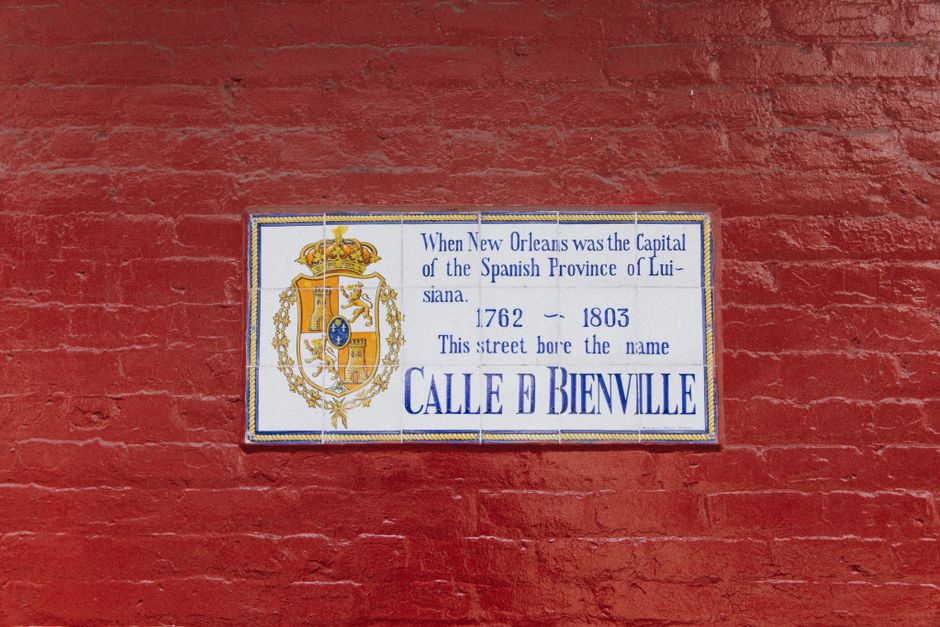
New Orleans, a city perpetually steeped in a vibrant tapestry of history, culture, and unparalleled revelry, beckons travelers with a magnetic allure. From the intoxicating rhythms of live jazz echoing through historic streets to the tantalizing aromas of world-renowned Creole and Cajun cuisine, the Crescent City offers an sensory experience unlike any other. This comprehensive guide delves into the heart of New Orleans travel, equipping visitors with the knowledge to navigate its iconic neighborhoods, savor its distinctive flavors, and embrace its indomitable spirit. Understanding the essence of New Orleans requires an appreciation for its multifaceted identity, a fusion of French, Spanish, African, Caribbean, and American influences that have shaped its unique character. The city’s historical significance as a port city and its complex past, including periods of French, Spanish, and American rule, has left an indelible mark on its architecture, language, music, and culinary traditions. This historical context is crucial for appreciating the depth and richness of the New Orleans experience.
The French Quarter, the undisputed soul of New Orleans, is a UNESCO World Heritage site and a must-visit destination for any traveler. Its labyrinthine streets, lined with wrought-iron balconies and vibrant Creole townhouses, are a testament to its colonial past. Bourbon Street, while a magnet for those seeking lively nightlife, offers only a glimpse of the Quarter’s charm. Venture off the beaten path to explore Royal Street, renowned for its antique shops and art galleries, or Chartres Street, home to St. Louis Cathedral, a majestic landmark overlooking Jackson Square. Jackson Square itself is a vibrant hub of activity, often filled with street performers, artists, and fortune tellers, creating a perpetual carnival atmosphere. St. Louis Cathedral, with its imposing spires, stands as a beacon of architectural grandeur and a significant spiritual center. The surrounding historic buildings, including The Cabildo and The Presbytère, offer deep dives into Louisiana’s colonial and state history.
Beyond the iconic French Quarter, New Orleans boasts a constellation of distinct neighborhoods, each with its own unique character and appeal. The Garden District, a haven of antebellum mansions and lush gardens, offers a serene escape from the city’s bustling core. Its tree-lined avenues and opulent residences provide a glimpse into the affluent past of the city. Take a guided walking tour to learn about the history of these magnificent homes and the influential families who once resided there. Just across from the Garden District lies the Lower Garden District, a burgeoning area characterized by its eclectic mix of historic homes, art studios, and trendy restaurants. The historic streetcar lines, particularly the St. Charles Avenue line, offer a nostalgic and scenic way to traverse these neighborhoods, connecting them to the downtown area.
Uptown, a more residential and laid-back area, pulsates with local life. Magazine Street, a five-mile stretch of boutiques, cafes, and bars, is a popular destination for shopping and dining. The historic homes of Uptown, often featuring intricate Victorian architecture, showcase a different facet of New Orleans’ architectural heritage. The Carrollton neighborhood, part of Uptown, boasts beautiful oak-lined streets and a strong sense of community. Exploring these areas allows for a more authentic experience of daily life in New Orleans, away from the concentrated tourist crowds.
The culinary landscape of New Orleans is legendary, a fusion of French, Spanish, African, and Southern influences that has birthed the distinct Creole and Cajun cuisines. These are not mere dishes; they are culinary traditions woven into the fabric of the city’s identity. Start your gastronomic journey with a classic Beignet and café au lait at Cafe Du Monde, an iconic establishment overlooking the Mississippi River. The airy, powdered sugar-dusted pastries are a quintessential New Orleans treat. For authentic Creole fare, Commander’s Palace in the Garden District is a culinary institution, offering refined dishes like Turtle Soup and Pecan Crusted Gulf Fish. Brennan’s, also in the French Quarter, is another esteemed establishment, famous for its Bananas Foster, a flambéed dessert created there.
Cajun cuisine, originating from the Acadian exiles who settled in the Louisiana bayous, is characterized by its robust flavors and rustic preparation. A trip to the French Quarter staple Galatoire’s or the more casual Coop’s Place will offer authentic experiences. For a taste of both, explore restaurants that bridge the gap, showcasing the nuanced differences and shared heritage. Gumbo, a hearty stew, is a national dish, with variations ranging from the dark, roux-based Creole version to the lighter, tomato-infused Cajun style. Jambalaya, a flavorful rice dish with meats and vegetables, and Etouffée, a rich seafood stew, are other must-try staples. Don’t shy away from the spice; many dishes are seasoned to perfection, offering a pleasant warmth rather than overwhelming heat.
The musical soul of New Orleans beats with the rhythm of jazz, a genre born in its streets. Preservation Hall in the French Quarter is a legendary venue, offering an intimate and authentic jazz experience in a no-frills setting. For a more diverse musical selection, Frenchmen Street, just outside the French Quarter, is a vibrant strip of clubs showcasing everything from traditional jazz to blues, funk, and rock. The Spotted Cat Music Club and d.b.a. are highly recommended for their lively atmospheres and talented local musicians. Beyond jazz, New Orleans is a hotbed for brass bands, second-line parades, and a rich tradition of blues and R&B. Keep an ear out for impromptu street performances; they are often the most magical musical moments.
New Orleans’ rich history is best explored through its numerous museums and historic sites. The National WWII Museum, a sprawling complex, offers a poignant and comprehensive look at the American experience during the war. The Historic New Orleans Collection provides in-depth exhibits on the city’s art, history, and culture. For a deeper understanding of the city’s African American heritage, visit the Backstreet Cultural Museum in the Marigny neighborhood. The New Orleans Museum of Art (NOMA) houses an impressive collection, with its Sculpture Garden being a particular highlight.
A cemetery tour is a unique and insightful way to learn about New Orleans’ history and burial customs. The above-ground tombs, or "Cities of the Dead," are architectural marvels and hold stories of the city’s past. St. Louis Cemetery No. 1, the oldest in New Orleans, is the final resting place of Voodoo Queen Marie Laveau and Civil Rights activist Homer Plessy. Many tours are available, offering historical context and an understanding of the unique funerary traditions.
The Mississippi River is an integral part of New Orleans’ identity. Take a steamboat cruise on the Natchez, a historic paddlewheeler, for a leisurely journey down the river. It offers a unique perspective of the city skyline and the surrounding levee system. The Port of New Orleans is one of the busiest in the United States, and understanding its role provides context for the city’s historical economic importance.
New Orleans’ spirituality is as vibrant and diverse as its culture. Voodoo, though often sensationalized, is a genuine spiritual practice with deep roots in the city. Visiting a Voodoo museum or attending a historically informed presentation can offer a respectful insight. Beyond Voodoo, the city boasts a multitude of churches and religious denominations, reflecting its diverse population.
When planning your New Orleans travel, consider the timing of your visit. Spring (March-May) and Fall (September-November) offer pleasant weather, ideal for exploring. The city is world-renowned for its Mardi Gras celebrations, typically held in February or early March, offering an unparalleled, albeit intensely crowded, experience of revelry and tradition. Summer can be hot and humid, while winter offers milder temperatures and fewer crowds.
Navigating New Orleans is relatively easy, with a combination of walking, streetcars, ride-sharing services, and taxis. The historic streetcar lines are not only a practical mode of transport but also a charming way to see the city. Many of the most popular attractions in the French Quarter are within walking distance of each other. Parking can be challenging and expensive in the more popular areas, so utilizing public transport or ride-sharing is often recommended.
Responsible tourism is crucial in a city that thrives on its unique culture and community. Respect local customs, be mindful of noise levels, especially in residential areas, and support local businesses. Engage with the community, learn about its history, and leave with a deeper appreciation for what makes New Orleans so extraordinary. The city’s resilience, particularly after Hurricane Katrina, is a testament to its spirit, and understanding this journey adds another layer to the travel experience. Embracing the slower pace of life, enjoying the spontaneous moments, and allowing yourself to be immersed in the city’s unique rhythm are key to unlocking its true magic.
New Orleans travel is more than just a vacation; it’s an immersion into a living, breathing cultural phenomenon. From the haunting melodies of a jazz band drifting from a dimly lit club to the explosion of flavors in a perfectly prepared Creole dish, the Crescent City captivates the senses and lingers in the memory long after departure. Its enduring charm lies in its authenticity, its unapologetic embrace of life, and its ability to weave a spell on every visitor who walks its storied streets. Whether you’re a history buff, a culinary enthusiast, a music lover, or simply seeking an escape from the ordinary, New Orleans promises an unforgettable adventure. Its vibrant spirit, its unique heritage, and its unwavering commitment to celebration ensure that a journey to this iconic American city will be a truly transformative experience, leaving you with a profound appreciation for its unparalleled allure.


