
Best Way To Spend Fifty Dollars Around The World

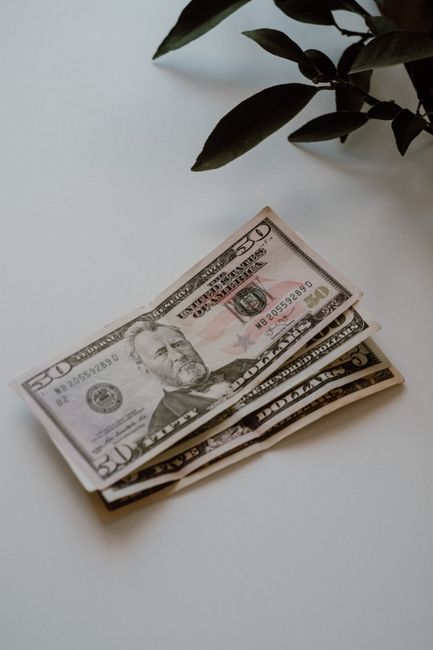
Fifty Dollars Global: Unlocking Unforgettable Experiences on a Shoestring Budget
The notion of experiencing a new culture, a vibrant city, or a serene natural wonder is often met with the assumption of significant financial outlay. However, the reality is that the world, in its vast and diverse tapestry, offers profound and memorable experiences that are remarkably accessible even on a tight budget. Fifty dollars, a sum that can be quickly depleted on a single tourist trap meal or a souvenir, can, in fact, be a potent seed for a wealth of global adventures. The key lies in strategic planning, embracing local authenticity, and prioritizing experiences over material possessions. This article will explore the best ways to maximize a fifty-dollar budget across various global destinations, proving that remarkable journeys are not exclusive to the affluent.
Culinary Exploration: The Gastronomic Heartbeat of a Nation
Food is arguably the most immediate and visceral way to connect with a culture. For fifty dollars, a deep dive into local gastronomy is not only feasible but highly rewarding. In Southeast Asia, for instance, street food stalls are the undisputed champions of flavor and affordability. In Bangkok, Thailand, a glorious feast can be had for less than five dollars a meal. Imagine savoring a plate of Pad Thai from a bustling street vendor, a bowl of fragrant Tom Yum soup, or succulent grilled satay, all while being immersed in the vibrant sights and sounds of the city. For a mere ten dollars, one could enjoy multiple authentic meals throughout a day, leaving ample room within the fifty-dollar budget for local snacks like fresh mango sticky rice or a refreshing Thai iced tea. Similarly, in Vietnam, a steaming bowl of Pho, a Banh Mi sandwich, or savory Banh Xeo pancakes can be purchased for one to two dollars each. This allows for a full day of culinary exploration, sampling various regional specialties and discovering hidden gastronomic gems.
Moving to Latin America, cities like Mexico City offer an incredible array of affordable and delicious street food. Tacos al Pastor, quesadillas, and esquites (corn salad) are staples, often costing less than a dollar per serving. Fifty dollars could fund an entire week of authentic Mexican meals, allowing for the exploration of different neighborhoods and their unique culinary offerings. In Oaxaca, known for its rich culinary heritage, one can indulge in mole dishes, tlayudas, and chapulines (grasshoppers) for very reasonable prices. The focus here is on experiencing the authentic flavors prepared by generations of culinary artisans, rather than the inflated prices of tourist-oriented restaurants. Even in more developed European cities, pockets of affordability exist. While a sit-down meal in Paris might strain a fifty-dollar budget, a picnic of fresh baguette, local cheese, charcuterie, and a bottle of wine from a neighborhood market can be an incredibly romantic and budget-friendly experience. Exploring local bakeries for pastries and stopping by a neighborhood cafe for a single espresso can also offer a taste of local life without breaking the bank. The strategy is to avoid the overtly tourist-centric dining establishments and seek out places where locals genuinely eat.
Immersive Cultural Experiences: Beyond the Ticketed Attractions
While iconic landmarks often come with hefty entrance fees, fifty dollars can unlock deeply immersive cultural experiences that offer a more profound understanding of a place. In many developing nations, simple interactions with local communities can be incredibly enriching. Consider visiting a local market in a small town in India. The vibrant colors, the cacophony of sounds, and the opportunity to interact with vendors, even with limited language skills, offer a powerful sensory and cultural immersion. A few dollars spent on a small handicraft or a fresh fruit can initiate conversations and forge brief but meaningful connections.
In parts of Eastern Europe, such as Krakow, Poland, walking tours are often free (though tipping is highly encouraged and appreciated). These tours, led by knowledgeable locals, provide invaluable historical context and insider perspectives on the city’s rich past. Fifty dollars could comfortably cover the tour tip, along with a few stops at local bakeries for pierogi or a traditional Polish beer. In South America, exploring the vibrant street art scene in cities like Valparaiso, Chile, or Buenos Aires, Argentina, is a completely free and visually captivating experience. Wandering through neighborhoods adorned with intricate murals and thought-provoking graffiti allows for a unique appreciation of local artistic expression and social commentary.
Engaging with local festivals and public events is another excellent way to experience a culture authentically and affordably. Many religious festivals, national holidays, and community gatherings are open to the public and offer a glimpse into the heart of local traditions. In Italy, for example, participating in a local Sagra (food festival) dedicated to a particular regional produce or dish can be an unforgettable experience. These events are often free to attend, and one can sample local delicacies for a few dollars each. The key is to be observant, respectful, and open to spontaneous interactions. Engaging with local artisans in their workshops, observing traditional crafts being made, or simply sitting in a public square and watching the world go by can be as valuable as any paid attraction. Fifty dollars can facilitate these moments through small purchases of local crafts that support these artisans or by simply offering to buy a vendor a coffee as a gesture of appreciation.
Nature’s Bounty: Experiencing the Natural World on a Budget
The natural world offers some of the most awe-inspiring and budget-friendly experiences. In many parts of the world, access to stunning natural landscapes is free or requires minimal fees. Consider hiking in national parks. While some parks have entrance fees, many are modest. For example, in many South American countries, hiking to breathtaking viewpoints or waterfalls can cost as little as five to ten dollars. A fifty-dollar budget could cover entrance fees, a packed lunch from a local market, and transportation to a trailhead via local bus.
Coastal regions offer abundant opportunities. Exploring public beaches, rock pools, and coastal trails are usually free. In Portugal, for instance, spending a day exploring the Algarve’s dramatic coastline, discovering hidden coves, and enjoying the sea breeze requires no financial investment beyond the cost of local transportation and perhaps a picnic. In parts of Asia, finding secluded beaches or trekking through lush rainforests can be achieved with careful planning and local guidance. For instance, in the Philippines, a day trip to a beautiful, less-developed island can be surprisingly affordable when utilizing local ferry services and packing your own food.
Even in more developed countries, there are ways to connect with nature frugally. Many cities boast extensive park systems with walking trails, botanical gardens (often with free entry days or affordable admission), and opportunities for birdwatching. A fifty-dollar budget can be used to purchase a good quality trail map, rent a bicycle for a day to explore scenic routes, or invest in a local guide for a specialized nature walk, such as identifying local flora and fauna. The emphasis here is on appreciating the natural beauty that is often freely available, and the fifty dollars can enhance that experience through preparation and a deeper understanding.
Local Transportation & Souvenirs: Smart Spending for Deeper Engagement
While the idea of "spending fifty dollars around the world" might conjure images of grand excursions, intelligent use of funds can also be found in the practicalities of travel. Local transportation, for example, is a critical component of experiencing a place like a local. Instead of opting for expensive tourist buses or taxis, embrace public transport. Riding local buses or trains, even for longer distances, can be incredibly affordable and offers unparalleled opportunities for people-watching and observing daily life. In India, a train journey can be an adventure in itself, offering a glimpse into the diverse tapestry of Indian society for a fraction of the cost of air travel. Fifty dollars could fund multiple inter-city bus journeys within a region, allowing for extensive exploration.
When it comes to souvenirs, the temptation to buy mass-produced trinkets can be strong, but for fifty dollars, more meaningful purchases are possible. Instead of generic magnets or t-shirts, seek out authentic local crafts. Visit local artisan markets, not the tourist traps. A hand-woven scarf from Peru, a piece of pottery from Morocco, or a small, intricately carved wooden item from Indonesia, purchased directly from the maker, not only represents a unique cultural artifact but also directly supports local economies. These are items that hold stories and memories, far more valuable than mass-produced replicas. Even a small purchase, like a beautifully illustrated postcard from a local artist or a jar of local preserves, can be a more thoughtful and impactful souvenir. Fifty dollars can allow for the purchase of a few such items, chosen with care and intended to support genuine artisans.
The Art of the Deal: Haggling and Smart Shopping
In many cultures, particularly in markets and smaller shops, haggling is an expected and often enjoyable part of the transaction. Approaching this with respect, a smile, and a sense of good humor can lead to better prices. For fifty dollars, mastering the art of the deal can stretch your budget even further. It’s not about being cheap, but about engaging in a cultural exchange. This allows for acquiring more items of local significance or securing better prices for essentials like snacks or local transportation. Remember to research common price ranges beforehand to have a reasonable starting point.
Conclusion: Fifty Dollars is a Gateway, Not a Barrier
Ultimately, spending fifty dollars around the world is not about limitation, but about liberation from conventional tourism. It’s about embracing authenticity, prioritizing experiences over possessions, and understanding that the most profound connections are often forged in the simplest of interactions. Whether it’s savoring street food in Bangkok, hiking to a secluded waterfall in Colombia, or simply engaging in conversation with a local artisan, fifty dollars can be a powerful catalyst for unforgettable global adventures. The world is an open book, and with a fifty-dollar budget and a spirit of exploration, you can read many of its most compelling chapters. The true value lies not in the amount spent, but in the richness of the experience gained, proving that the greatest treasures are often found in the most unexpected and affordable places.


