
Caffe Greco Rome Closing

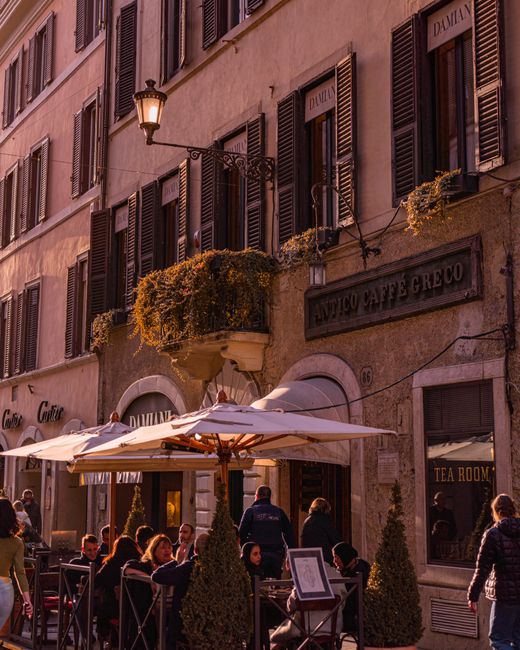
The End of an Era: Caffe Greco, Rome’s Literary Heartbeat, Closes its Doors
After 227 years of unparalleled history and cultural significance, Caffe Greco, the iconic literary café on Via Condotti in Rome, has officially closed its doors. This momentous event marks the end of a storied chapter, not just for the Eternal City, but for the global artistic and intellectual community. For centuries, Caffe Greco served as a vibrant hub, a sanctuary for poets, writers, artists, and thinkers, a place where ideas were forged, revolutions were whispered, and masterpieces were conceived. Its closure is a poignant reminder of the fragility of even the most enduring cultural institutions and a significant loss for the soul of Rome.
The genesis of Caffe Greco can be traced back to 1760, when Italian-Greek entrepreneur Nicola della Gatta acquired a small shop at the foot of the Spanish Steps. Initially, it was a humble establishment, but della Gatta’s vision transformed it into something far grander. He named it "Antico Caffè Greco" to honor his Greek heritage, and it quickly became a gathering spot for the city’s elite, drawn by its fine coffee and sophisticated ambiance. However, it was in the 19th century that Caffe Greco truly cemented its legendary status. This was the era when Rome, under papal rule and then the Risorgimento, was a magnet for intellectuals and artists from across Europe.
The café’s proximity to the Pincio Terrace and its elegant setting made it an irresistible draw. Romantics like Lord Byron, Percy Bysshe Shelley, and John Keats found solace and inspiration within its walls. The vibrant intellectual exchange that characterized these gatherings transcended national borders. These luminaries, escaping the constraints of their homelands or seeking the fertile ground of Roman inspiration, found in Caffe Greco a neutral, yet charged, territory for discourse. It was here that they could engage in passionate debates about art, politics, and philosophy, fueled by strong Italian coffee and the intoxicating atmosphere of a city steeped in history. The very air seemed to hum with creative energy, a palpable essence that drew successive generations of creatives.
Beyond the Romantic poets, Caffe Greco became a second home for a pantheon of cultural giants. Thinkers and writers like Goethe, Stendhal, and Nietzsche frequented its tables. Giuseppe Gioachino Belli, the celebrated Roman dialect poet, was a regular, his observations of Roman life finding their voice within the café’s walls. Artists like Ingres, who spent years in Rome, found it a valuable social and intellectual center. Even later, writers such as Gide, Moravia, and Pasolini continued the tradition, making Caffe Greco an enduring symbol of Roman intellectual life. The names etched into its history are a testament to its profound influence, forming a constellation of talent that illuminated the cultural landscape of Europe for centuries.
The physical space of Caffe Greco itself was an integral part of its allure. With its dimly lit interiors, plush velvet seating, marble tabletops, and walls adorned with over 300 artworks – paintings, sculptures, and memorabilia donated by its patrons – the café was a living museum. This collection, a testament to the deep connections forged between the establishment and its clientele, was not merely decorative; it was a visual chronicle of the café’s cultural impact. Each piece told a story, a whispered anecdote of a creative moment, a shared passion, or a triumphant artistic endeavor. The very architecture seemed to absorb the conversations, the laughter, and the profound silences of its esteemed visitors, imbuing the space with a unique and almost sacred atmosphere.
However, the modern era brought new challenges. The escalating costs of maintaining such a historic and prime-located establishment in the heart of Rome became increasingly unsustainable. Gentrification and the rise of globalized coffee chains, while offering convenience, often lack the soul and historical depth of places like Caffe Greco. The precise reasons for the closure are multifaceted, but financial pressures, coupled with the evolving landscape of public spaces and consumption habits, undoubtedly played a significant role. The pandemic further exacerbated these existing vulnerabilities, impacting foot traffic and revenue streams for many heritage businesses.
The announcement of Caffe Greco’s impending closure sent ripples of shock and sadness through Rome and the international community. Social media buzzed with reminisces, tributes, and expressions of grief. Many who had never even visited the café felt a profound sense of loss, recognizing its symbolic importance. It represented a certain ideal of European café culture – a place for prolonged conversation, contemplation, and intellectual engagement, a stark contrast to the fast-paced, transactional nature of modern commerce. The closure served as a stark reminder of the constant struggle to preserve cultural heritage in the face of economic realities.
The debate surrounding the closure also ignited important conversations about heritage preservation and the economic viability of historic businesses. How can we, as a society, better support these invaluable institutions that act as living links to our past? What mechanisms can be put in place to ensure their survival for future generations? These are questions that resonate far beyond Rome, as similar heritage sites worldwide face similar existential threats. The closure of Caffe Greco is not just a loss for Rome; it is a case study for cultural custodians everywhere.
The immediate aftermath of the closure saw a flurry of activity as final visitors sought to capture a last glimpse, a final photograph, a fleeting moment within the hallowed halls. The doors are now shut, the chairs are empty, and the iconic green awning, once a beacon for intellectuals, now stands as a somber monument to a bygone era. The silence that has descended upon Via Condotti, where once the murmur of brilliant minds filled the air, is now a profound and echoing testament to what has been lost.
While the physical space of Caffe Greco is now closed, its legacy will undoubtedly endure. The stories of the luminaries who gathered there, the ideas that were born within its walls, and the cultural impact it had on Rome and the world will continue to be documented, studied, and celebrated. The rich tapestry of its history, woven with threads of literature, art, and philosophy, remains an indelible part of Rome’s cultural DNA. The countless books inspired, poems penned, and artworks conceived within its ambiance will continue to enrich the world.
The closure of Caffe Greco is more than just the shuttering of a business; it is the poignant conclusion of an era defined by intellectual ferment and artistic camaraderie. It is a stark reminder of the passing of time and the ever-present challenge of safeguarding our most cherished cultural anchors. As Rome mourns the loss of its beloved literary heart, the world reflects on the enduring importance of spaces that foster dialogue, creativity, and shared human experience. The silence on Via Condotti is a call to action, a plea to recognize and protect the irreplaceable value of our shared cultural heritage, before more echoes fade into history. The enduring lessons learned from Caffe Greco’s 227-year journey offer a critical blueprint for how we approach heritage preservation in the 21st century and beyond, emphasizing the delicate balance between economic sustainability and the preservation of invaluable cultural legacies. The absence of its unique atmosphere will be keenly felt by generations of scholars, artists, and lovers of Roman history.


