Electric Road Trip Usa
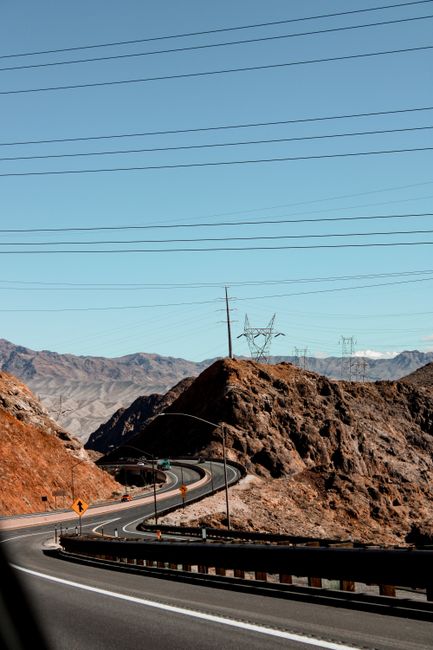
Electric Road Trip USA: Navigating the Future of American Adventure
The traditional American road trip, a symbol of freedom and exploration, is undergoing a profound transformation with the advent of electric vehicles (EVs). Electric Road Trip USA is no longer a niche concept; it’s a rapidly expanding reality, offering a sustainable, increasingly convenient, and often more technologically integrated way to experience the vast and varied landscapes of the United States. This shift is driven by a combination of factors: growing environmental consciousness, significant advancements in EV technology, and an expanding charging infrastructure. For travelers contemplating an EV-powered journey across America, understanding the nuances of this evolving travel paradigm is crucial for a successful and enjoyable experience.
Understanding the Electric Vehicle Landscape for Road Trips
The suitability of an EV for a long-distance road trip hinges on several key characteristics. Range is paramount, and while early EVs were limited, modern models frequently offer 250-350 miles or more on a single charge. This range anxiety, once a major deterrent, is diminishing with newer vehicle generations. Battery degradation is another consideration, though with responsible charging habits and modern battery management systems, significant degradation over a typical road trip duration is unlikely. Charging speed is perhaps the most critical factor for trip planning. DC fast charging, often referred to as Level 3 charging, can replenish a substantial portion of an EV’s battery in 20-40 minutes, making it comparable to a quick stop for fuel, food, and restrooms. Level 2 charging, typically found at hotels and public destinations, offers a slower but convenient overnight charging solution. The availability and accessibility of charging stations, particularly in rural or less populated areas, remain a significant variable that requires pre-trip research.
Planning Your Electric Road Trip USA: Infrastructure and Technology
Successful Electric Road Trip USA planning necessitates a deep dive into the charging infrastructure. The ChargePoint network, Electrify America, EVgo, and Tesla Superchargers are the dominant players, each with its own app and pricing structure. Many EVs come with integrated navigation systems that can display charger locations and availability, but relying solely on these can be risky. Dedicated EV charging apps like PlugShare, A Better Routeplanner (ABRP), and Chargeway provide a more comprehensive overview, including user reviews, real-time status updates, and the ability to filter by connector type and charging speed. ABRP, in particular, is invaluable for route planning, allowing users to input their vehicle model, desired arrival state of charge, and charging preferences to generate optimal routes with integrated charging stops. Understanding the different charging connector types (CCS, CHAdeMO, NACS/Tesla) and ensuring your vehicle is compatible with the chargers you intend to use is also vital. For international travelers or those unfamiliar with US charging standards, research into adapter availability might be necessary, though most US-based EVs utilize CCS or NACS.
Route Selection and Optimization for Electric Vehicles
The choice of route for an Electric Road Trip USA can significantly impact the planning and execution. Scenic byways and off-the-beaten-path adventures might require more meticulous charging station scouting than major interstate highways. Interstates typically boast a more robust and faster charging network, making them ideal for covering long distances efficiently. However, exploring national parks or smaller towns may necessitate leveraging Level 2 chargers at accommodations or local businesses, requiring overnight charging or longer stops. Route planning tools like ABRP excel at balancing travel time with charging needs. They consider factors such as elevation changes (which can affect range), weather conditions (cold can reduce range), and traffic. For example, a mountainous route will likely require more frequent or longer charging stops compared to a flat desert highway, even with the same vehicle and initial charge. Furthermore, mapping out potential charging locations before departing, and having backup options, is a prudent strategy to mitigate unexpected charger outages or unavailability.
Accommodation and Charging Solutions for Electric Road Trip USA
Accommodations are a critical component of any road trip, and for EV drivers, they present unique opportunities and considerations. Many hotels are increasingly installing Level 2 charging stations, offering a convenient "charge while you sleep" solution. Booking accommodations with EV chargers can eliminate the need for separate charging stops during overnight stays, streamlining the travel experience. Websites and apps like HotelEV, or simply filtering for EV charging when booking through major platforms like Booking.com or Expedia, can assist in identifying these properties. For campers or those seeking more budget-friendly options, public campgrounds and RV parks are also beginning to offer EV charging. Alternatively, some travelers utilize portable Level 2 chargers that can be plugged into standard 240V outlets, though this requires identifying suitable outlets at campsites or rental properties. Researching the availability and type of charging at your intended lodging is an essential pre-trip task.
The Driving Experience: Beyond Range Anxiety
The driving experience in an EV on a long-distance trip differs from a traditional internal combustion engine (ICE) vehicle, often in positive ways. Instantaneous torque provides brisk acceleration, making merging and overtaking effortless. The quiet operation of EVs contributes to a more relaxed and serene cabin environment, reducing driver fatigue. Regenerative braking, which captures energy during deceleration and recharges the battery, is another feature that influences driving style. Mastering regenerative braking can significantly extend range and reduce wear on traditional brake pads. Many EVs offer different regenerative braking modes, allowing drivers to customize the feel. Furthermore, advanced driver-assistance systems (ADAS) are increasingly prevalent in EVs, enhancing safety and comfort on long drives. Adaptive cruise control, lane-keeping assist, and automated parking can all contribute to a less stressful journey. The onboard infotainment systems in many EVs also offer seamless integration with navigation, music streaming, and communication apps, further enhancing the connected road trip experience.
Cost Considerations: Fuel, Maintenance, and Charging
The economic advantages of an Electric Road Trip USA are becoming more apparent. Electricity is generally cheaper per mile than gasoline, though charging costs can vary significantly based on location, time of day, and charging network. Home charging is typically the most cost-effective. Public fast charging, while convenient, often carries a higher per-kilowatt-hour price. However, when factoring in the elimination of oil changes, fewer moving parts, and potentially lower maintenance costs over the life of the vehicle, EVs can offer significant long-term savings. Government incentives, such as federal and state tax credits, can also reduce the initial purchase price of an EV, making the transition more accessible. For road trippers, understanding the pricing structures of different charging networks and comparing them to local gasoline prices is important for budgeting. Utilizing charging apps that display real-time pricing and offering loyalty programs or subscription plans can also lead to cost savings.
Embracing the Future: Sustainability and the Electric Road Trip USA
The inherent sustainability of EVs is a core appeal for many embarking on an Electric Road Trip USA. By choosing electric, travelers are actively reducing their carbon footprint and contributing to cleaner air. This aligns with a growing global consciousness around environmental responsibility. The expansion of renewable energy sources powering the grid further amplifies the environmental benefits of EV travel. As more charging stations are powered by solar, wind, and hydroelectric power, the overall environmental impact of an EV road trip diminishes. This sustainable approach to travel is not just a trend but a fundamental shift in how many people perceive and engage with exploration. It allows travelers to connect with nature and experience the beauty of the United States with a reduced sense of guilt or environmental consequence.
Challenges and Future Outlook for Electric Road Trip USA
Despite the rapid advancements, challenges remain for the widespread adoption of Electric Road Trip USA. The charging infrastructure, while growing, is still less ubiquitous than gasoline stations, particularly in remote areas. Charging speeds, while improving, are not yet as fast as refueling a gasoline car. The upfront cost of EVs can also be a barrier for some consumers, although this is decreasing with more affordable models and government incentives. However, the trajectory is undeniably positive. Continued investment in charging infrastructure, technological innovations in battery density and charging speed, and the increasing variety of EV models available across all vehicle segments will undoubtedly make Electric Road Trip USA even more seamless and appealing in the coming years. The future of American road tripping is electric, offering a cleaner, quieter, and technologically advanced way to explore the nation’s highways and byways.