The Mother Spring Worlds Deepest Hot Spring Colorado
The Mother Spring: Colorado’s Deepest Geothermal Enigma and Its Scientific Significance
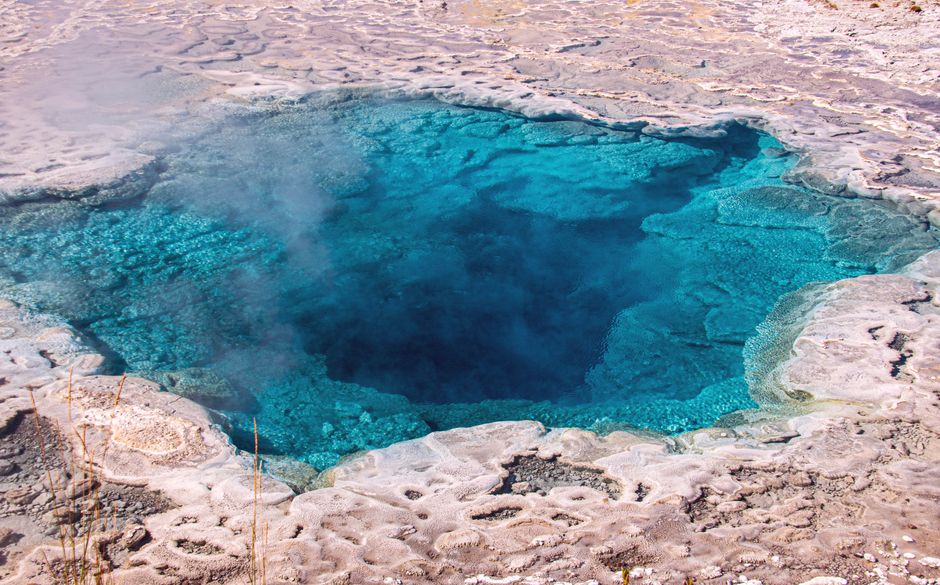
Nestled within the rugged terrain of Colorado lies a geological marvel that has captivated scientists and adventurers alike: the Mother Spring. This is not merely a hot spring; it is a profound hydrological phenomenon, recognized as the deepest known hot spring in the state, and potentially one of the deepest in the world. Its subterranean origins and the sheer volume of its output paint a picture of immense geothermal power and a vital connection to the Earth’s interior. Understanding the Mother Spring is more than just an academic exercise; it is a window into the complex processes that shape our planet and the potential for harnessing its natural energy.
The geological context of the Mother Spring is intrinsically linked to the vast geothermal resources of Colorado. The state sits atop a rich network of fault lines and volcanic activity that, though largely dormant, has left a lasting imprint on its subsurface. These underlying geological structures act as conduits, allowing superheated water, heated by the Earth’s mantle, to ascend towards the surface. The Mother Spring, in particular, is thought to tap into a particularly deep and active geothermal reservoir. The immense pressure and temperature at these depths force the water upward, creating a powerful and continuous flow. The precise depth of the Mother Spring’s origin remains a subject of ongoing research, with estimates varying but consistently pointing to a significant subterranean source, far exceeding that of typical surface-level hot springs. This depth is a critical factor in its unique characteristics and its designation as Colorado’s deepest hot spring.
The water itself, upon emerging, is a testament to its journey. While the surface temperature can vary based on ambient conditions and flow rate, the water’s mineral composition is a direct reflection of the rock strata it has traversed. It is rich in dissolved minerals, including silica, calcium, magnesium, and various trace elements, picked up during its long subterranean voyage. These minerals are not only responsible for the water’s unique taste and therapeutic properties, often cited in anecdotal evidence, but also provide crucial clues for geologists studying the subsurface. Analyzing these dissolved solids allows researchers to map the underground flow paths, identify the types of rock formations present at extreme depths, and even infer the age of the water. The presence of certain dissolved gases, such as hydrogen sulfide, is another indicator of its geothermal origin, contributing to the characteristic scent often associated with hot springs.
The sheer volume of water discharged by the Mother Spring is another remarkable characteristic. It is not a placid pool but a dynamic, continuously flowing source that contributes significantly to local hydrology. This consistent and substantial flow is a direct consequence of the deep geothermal heat driving the system. The constant replenishment from the Earth’s interior ensures that the Mother Spring remains a robust and active thermal feature, unlike some shallower springs that can fluctuate with surface water levels or seasonal changes. This sustained output also makes it a potential source for understanding large-scale groundwater circulation and its interaction with geothermal energy.
From a scientific perspective, the Mother Spring represents a valuable natural laboratory. Its deep origin allows researchers to study the geochemistry of deep crustal and upper mantle fluids without the need for expensive and invasive drilling operations. By collecting and analyzing the water and dissolved gases, scientists can gain insights into:
- Hydrothermal Processes: The Mother Spring provides a real-time example of how heat from the Earth’s interior drives the circulation of water through the crust, a process fundamental to many geological phenomena, including ore formation and volcanic activity.
- Subsurface Geology: The mineral composition of the spring water acts as a chemical fingerprint, revealing the types of rocks and minerals encountered at great depths. This can help in mapping underground structures and understanding the geological history of the region.
- Geothermal Energy Potential: The consistent heat and significant water flow of the Mother Spring make it an attractive site for studying the feasibility of geothermal energy extraction. While direct commercial exploitation might be complex due to its protected status and ecological considerations, the underlying geothermal system it represents holds immense potential for sustainable energy generation.
- Microbial Life: Deep geothermal systems can harbor unique extremophilic microbial communities that thrive in high-temperature and high-pressure environments. Studying these microorganisms can lead to discoveries in biotechnology and our understanding of the limits of life.
The study of the Mother Spring is not without its challenges. Its depth and remote location make direct observation and sampling difficult. Researchers often rely on sophisticated remote sensing techniques, indirect geophysical measurements, and careful analysis of the discharged water to piece together the complex story of this geothermal feature. Advanced hydrological modeling is also employed to simulate the underground flow paths and heat transfer dynamics.
The Mother Spring’s significance extends beyond its scientific value. It is a crucial component of the local ecosystem, influencing the microclimate and supporting a unique array of flora and fauna adapted to its warm waters and mineral-rich environment. The consistent flow also plays a role in the regional water table and the broader hydrological cycle. Conservation efforts are therefore paramount to protect this natural wonder from any potential negative impacts, ensuring its continued existence for scientific study and its intrinsic ecological value.
The discovery and ongoing study of the Mother Spring underscore the dynamic nature of our planet and the vast, often hidden, geological processes at play beneath our feet. As technology advances, our ability to probe these deep geothermal systems will undoubtedly improve, revealing even more about the Mother Spring and other similar geological enigmas. Its designation as Colorado’s deepest hot spring solidifies its importance, not just as a tourist attraction or a local curiosity, but as a vital subject of scientific inquiry, holding keys to understanding Earth’s internal heat engine and its potential for sustainable energy.
While specific locations of particularly deep or powerful hot springs are often guarded for conservation purposes, the general geological conditions that give rise to such features are well-understood. These conditions typically involve significant extensional or compressional tectonic forces that create fracture networks in the Earth’s crust, allowing for deep circulation of meteoric water. Volcanic activity, even if ancient, can provide the necessary heat source, creating hydrothermal convection cells. The deeper the circulation and the more intense the heat source, the hotter and potentially more voluminous the resulting spring can be. The Mother Spring exemplifies this principle, tapping into a powerful geothermal gradient at considerable depths.
The chemical signatures of the Mother Spring’s water can be compared to those of other deep geothermal systems globally. This comparative analysis can reveal commonalities in the deep geological processes that generate these features, as well as unique characteristics dictated by local rock compositions and tectonic settings. For instance, the presence of dissolved noble gases like helium and argon can provide information about the age of the water and the origin of the heat source, potentially indicating a connection to deep mantle degassing processes.
The long-term monitoring of the Mother Spring is crucial for understanding any subtle changes in its temperature, flow rate, or chemical composition. Such changes can sometimes be precursors to seismic activity or indicate shifts in the underlying geothermal system. This aspect of research highlights the practical applications of studying geothermal features, contributing to hazard assessment and resource management.
The Mother Spring’s role in the history of Colorado geology is also noteworthy. Its existence and the understanding of its origins have contributed to the broader scientific narrative of the Rocky Mountain region, a geologically complex area shaped by billions of years of tectonic evolution. From ancient Precambrian basement rocks to more recent Laramide orogeny events, the geological forces that created Colorado have sculpted a landscape rich in mineral resources and geothermal potential. The Mother Spring stands as a testament to these powerful, enduring forces.
The ongoing research into the Mother Spring contributes to global efforts to understand geothermal energy as a renewable resource. While the direct exploitation of such a unique and potentially fragile feature might be restricted, the knowledge gained about the deep geothermal systems it represents can inform the development of geothermal power plants in other suitable locations. This includes understanding the optimal depths for drilling, the challenges of fluid extraction and reinjection, and the most effective ways to convert thermal energy into electricity.
In conclusion, the Mother Spring of Colorado is far more than just a warm body of water. It is a deep geothermal enigma, a vital scientific laboratory, and a testament to the powerful, unseen forces that shape our planet. Its recognition as Colorado’s deepest hot spring underscores its unique geological significance, providing invaluable insights into hydrothermal processes, subsurface geology, and the potential for sustainable geothermal energy. Continued research and dedicated conservation efforts will ensure that this remarkable natural wonder continues to yield its secrets for generations to come. The Mother Spring serves as a profound reminder of the dynamic and powerful Earth beneath us, a source of both wonder and immense scientific opportunity.