
Cape Towns Art Capital

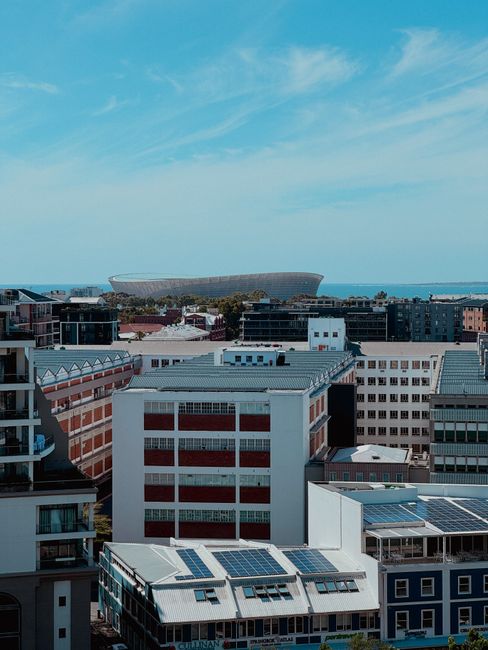
Cape Town’s Vibrant Art Scene: A City of Creative Expression
Cape Town, a city synonymous with breathtaking natural beauty and a rich cultural tapestry, has firmly established itself as a formidable art capital. Far beyond its iconic Table Mountain and pristine beaches, the city pulsates with a dynamic and ever-evolving art scene, drawing artists, collectors, and enthusiasts from across the globe. This vibrant ecosystem thrives on a unique blend of historical influences, contemporary innovation, and a palpable sense of social commentary, making Cape Town a compelling destination for anyone seeking meaningful artistic engagement.
The genesis of Cape Town’s artistic identity can be traced back to its complex history, a narrative woven from indigenous traditions, colonial encounters, and the profound impact of apartheid. This layered past continues to inform and inspire contemporary artists, who often explore themes of identity, belonging, social justice, and reconciliation. The legacy of oppression and resistance finds expression in powerful works that challenge societal norms and provoke critical thought. Street art, in particular, has become a potent vehicle for this dialogue, transforming public spaces into open-air galleries that address the socio-political realities of the city. Murals depicting historical figures, scenes of daily life, and poignant social messages adorn walls in townships and inner-city neighborhoods alike, offering a raw and unfiltered glimpse into the soul of Cape Town. This public art movement democratizes art, making it accessible to all and fostering a sense of shared ownership and pride within communities.
Beyond the immediate visual impact of street art, Cape Town’s gallery scene offers a more curated and diverse experience. The city boasts a plethora of galleries, ranging from established institutions showcasing established artists to emerging spaces championing emerging talent. Woodstock, a former industrial hub, has undergone a significant artistic renaissance, becoming a mecca for galleries, studios, and creative enterprises. Here, one can discover a spectrum of artistic mediums, from traditional oil paintings and sculptures to cutting-edge digital art and multimedia installations. Galleries like Stevenson, Goodman Gallery, and Everard Read Gallery are prominent players, consistently exhibiting thought-provoking works by both South African and international artists. These institutions not only provide a platform for artistic expression but also play a crucial role in fostering critical discourse and engaging with pressing societal issues. The careful curation and exhibition strategies employed by these galleries elevate the viewing experience, encouraging deeper engagement with the artworks and their underlying messages.
The annual Cape Town Art Fair (CTAF) is a cornerstone event that further solidifies the city’s status as an art capital. This internationally recognized fair attracts a significant contingent of local and global galleries, collectors, and art professionals, showcasing a broad spectrum of contemporary African art. CTAF serves as a vital marketplace, fostering connections between artists, gallerists, and buyers, and providing a crucial platform for emerging artists to gain exposure. The fair also hosts a robust program of talks, panel discussions, and educational initiatives, further enriching the artistic landscape and encouraging knowledge sharing within the art community. The energy and excitement surrounding CTAF are palpable, transforming the city into a hub of artistic activity for its duration. Beyond the commercial aspect, the fair fosters a sense of community and collaboration, bringing together diverse voices and perspectives within the art world.
The influence of the African continent is a defining characteristic of Cape Town’s art scene. The city serves as a gateway for artists from across Africa, creating a rich cross-pollination of ideas and aesthetics. This African sensibility is evident in the vibrant colors, bold patterns, and thematic explorations that permeate much of the art produced and exhibited in Cape Town. Artists often draw upon traditional African art forms, mythologies, and storytelling, reinterpreting them through a contemporary lens. This engagement with indigenous heritage is not merely aesthetic; it is often a profound act of cultural reclamation and assertion. The fusion of African traditions with global contemporary art trends results in a unique and compelling artistic output that is distinctly Capetonian. This emphasis on African narratives and perspectives distinguishes Cape Town’s art scene from many others, offering a fresh and vital contribution to the global art conversation.
Beyond formal galleries, Cape Town’s art scene thrives in informal spaces and creative hubs. The District Six Museum, a poignant reminder of the forced removals during apartheid, is not only a historical monument but also a vibrant space for artistic expression that reflects the community’s resilience and enduring spirit. Many artists utilize collaborative studios and community art centers to develop their practice, share resources, and engage with local communities. These grassroots initiatives are vital to the health and dynamism of the art scene, fostering a sense of inclusivity and empowerment. They often serve as incubators for new ideas and provide invaluable mentorship opportunities for aspiring artists. The accessibility of these spaces encourages a more democratic approach to art-making and appreciation, breaking down traditional barriers.
Education and mentorship play a crucial role in nurturing Cape Town’s artistic talent. Institutions like the Michaelis School of Fine Art at the University of Cape Town are integral to developing the next generation of artists, providing them with the technical skills, critical thinking abilities, and theoretical grounding necessary to succeed in the contemporary art world. Furthermore, numerous workshops, residencies, and mentorship programs offered by galleries and arts organizations provide invaluable support and guidance for artists at various stages of their careers. This commitment to fostering artistic development ensures the continued vitality and innovation of the city’s art scene. The mentorship provided by established artists and educators is particularly impactful, offering aspiring creatives the knowledge and encouragement to navigate the complexities of the art world.
The economic impact of Cape Town’s art scene is also significant. The city attracts tourists interested in experiencing its unique cultural offerings, and the art sector contributes to local employment and economic growth. The demand for South African art both domestically and internationally has grown substantially, positioning Cape Town as a key player in the global art market. This economic viability is crucial for the sustainability of the art ecosystem, allowing artists to pursue their careers and galleries to thrive. The increasing value of Capetonian art on the international stage further underscores the city’s growing influence and importance. The art market’s dynamism also encourages investment in arts infrastructure and programming, creating a positive feedback loop.
The future of Cape Town’s art scene appears exceptionally bright, characterized by its ongoing evolution and embrace of new technologies and forms of expression. Digital art, virtual reality experiences, and interactive installations are increasingly finding a place within the city’s artistic landscape, pushing boundaries and engaging audiences in novel ways. The spirit of innovation and experimentation is deeply ingrained in the city’s creative DNA, promising a continued stream of groundbreaking work. As the world increasingly recognizes the profound contributions of African artists to the global contemporary art conversation, Cape Town is poised to remain at the forefront, a vibrant and essential hub of artistic creativity and critical inquiry. The city’s commitment to fostering diverse voices and exploring complex narratives ensures its continued relevance and impact on the international art stage. The interdisciplinary nature of contemporary art also means that Cape Town’s artists are increasingly collaborating with designers, technologists, and social entrepreneurs, further expanding the reach and impact of their creative endeavors. This cross-pollination of ideas and disciplines will undoubtedly shape the future of artistic expression in the city and beyond. The growing accessibility of digital tools and platforms also empowers a wider range of individuals to engage with art creation and distribution, democratizing the artistic process and fostering new forms of community and collaboration.


