
Travel Guide Blue Ridge Mountains North Carolina

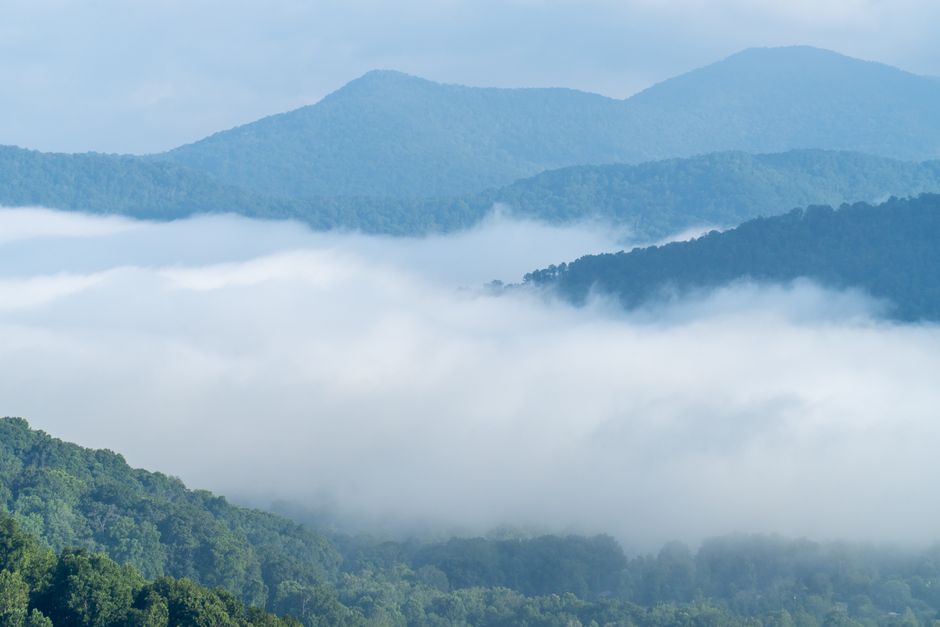
Blue Ridge Mountains North Carolina: A Comprehensive Travel Guide
The Blue Ridge Mountains of North Carolina represent a prime destination for outdoor enthusiasts, cultural explorers, and those seeking a serene escape. This vast mountain range, a prominent part of the Appalachian Mountains, offers a diverse tapestry of experiences, from exhilarating hikes and scenic drives to charming small towns and rich Appalachian heritage. Understanding the nuances of this region is key to planning a successful and memorable trip.
Navigating the Blue Ridge: Key Regions and Access Points
The North Carolina Blue Ridge is broadly divided into several key areas, each with its distinct character and attractions. Western North Carolina is the core of this mountain wonderland. Asheville serves as the primary gateway city, boasting a major airport (Asheville Regional Airport – AVL) and acting as a central hub for exploring the surrounding areas. From Asheville, major highways like I-40 and US-19/23 provide access to numerous towns and trailheads.
Another significant access point is Boone, situated in the High Country, known for its vibrant university town atmosphere and proximity to Grandfather Mountain. Further south, towns like Brevard and Hendersonville offer access to the waterfall-rich areas and the Pisgah National Forest. Charlotte Douglas International Airport (CLT) is a larger international gateway, requiring a roughly two-hour drive to reach the western mountains, making AVL the more convenient option for direct mountain access. Interstate 77 offers a direct route north from Charlotte into the foothills, eventually connecting to routes leading into the heart of the Blue Ridge.
The Blue Ridge Parkway: America’s Favorite Drive
No guide to the North Carolina Blue Ridge is complete without an in-depth look at the Blue Ridge Parkway. This iconic scenic highway winds its way through the mountains for over 469 miles, offering unparalleled vistas and access to numerous recreational opportunities. The North Carolina section stretches from near Shenandoah National Park in Virginia down to Great Smoky Mountains National Park.
Key access points to the Parkway within North Carolina include the Linn Cove Viaduct near Grandfather Mountain, the Moses H. Cone Memorial Park, the Linn Cove Visitor Center, Mount Pisgah, and Oconalufsee. Planning your Parkway journey is essential due to varying speed limits (typically 45 mph), the potential for closures due to weather (especially in winter), and the availability of overlooks and picnic areas. Utilize the National Park Service website for real-time Parkway conditions and closures. Driving the entire length takes days, so many visitors focus on specific sections. Popular stretches include the area around Asheville, the High Country near Boone and Blowing Rock, and the southern section leading towards the Smokies.
Outdoor Adventures: Hiking, Biking, and Waterfalls
The Blue Ridge Mountains are an outdoor adventurer’s paradise. Hiking trails range from gentle strolls to challenging backcountry expeditions.
-
Waterfalls: The region is famously known as the "Land of Waterfalls." DuPont State Recreational Forest is a must-visit, featuring Triple Falls, High Falls, and Bridal Veil Falls, made famous by films like "The Last of the Mohicans." Pisgah National Forest boasts an abundance of waterfalls, including Looking Glass Falls, Sliding Rock (a natural water slide), and the majestic Looking Glass Rock. Gorges State Park, near Brevard, offers rugged beauty and stunning cascades like the Upper and Lower Turtleback Falls. Waterfalls in the Nantahala National Forest, such as Dry Falls, also draw significant crowds.
-
Hiking: The Appalachian Trail (AT) traverses a significant portion of the North Carolina Blue Ridge, offering sections for day hikes and multi-day backpacking trips. Mount Mitchell, the highest peak east of the Mississippi River, offers strenuous hikes and breathtaking views from its summit. Grandfather Mountain boasts challenging trails and the iconic Mile High Swinging Bridge, providing panoramic vistas. For less strenuous options, consider the trails within Chimney Rock State Park, which culminates in a rewarding climb to the top of its namesake rock formation. Graveyard Fields in Pisgah National Forest offers a unique hiking experience with multiple waterfalls and unique rock formations. Sections of the Mountains-to-Sea Trail also weave through the Blue Ridge, providing excellent hiking opportunities.
-
Biking: The Blue Ridge Parkway is a popular route for road cyclists, though it requires a good level of fitness due to its mountainous terrain and elevation changes. For mountain bikers, Pisgah National Forest and DuPont State Recreational Forest offer extensive networks of singletrack trails catering to various skill levels. The Syllamo Bike Trail system near Mountain View offers challenging climbs and fast descents for experienced riders.
-
Other Activities: Beyond hiking and biking, consider activities like fishing in the many mountain streams and rivers, rock climbing at designated crags, and paddling on serene mountain lakes or whitewater rafting on rivers like the French Broad. Horseback riding is also a popular way to explore the trails.
Charming Mountain Towns: Culture, Cuisine, and Crafts
The Blue Ridge Mountains are dotted with charming towns that offer a glimpse into Appalachian culture, history, and artistry.
-
Asheville: The undisputed cultural heart of the region, Asheville is renowned for its vibrant arts scene, craft breweries, farm-to-table restaurants, and historic architecture, including the magnificent Biltmore Estate. Explore the River Arts District, catch live music performances, and indulge in the city’s culinary delights. Asheville’s burgeoning food scene is a major draw, with numerous restaurants focusing on local and seasonal ingredients.
-
Boone: A lively college town with a youthful energy, Boone is surrounded by natural beauty. It’s a great base for exploring Grandfather Mountain and Banner Elk. The Mast General Store is a historic landmark worth visiting. The downtown area offers unique shops and eateries.
-
Brevard: Known as the "Land of Waterfalls," Brevard is a peaceful town that attracts artists and musicians. It’s also the summer home of the Brevard Music Center. The town’s proximity to Pisgah and DuPont makes it ideal for waterfall enthusiasts.
-
Blowing Rock: A quintessential charming mountain village, Blowing Rock is known for its upscale boutiques, art galleries, and scenic beauty. The Blowing Rock, a natural phenomenon, is a popular tourist attraction. The town offers a sophisticated yet relaxed atmosphere.
-
Hendersonville: Famous for its apple orchards and Southern hospitality, Hendersonville is a family-friendly destination. The historic downtown area is full of antique shops and local businesses. It’s also a gateway to DuPont State Recreational Forest.
-
Black Mountain: Situated just east of Asheville, Black Mountain is a haven for artists and crafters. The town boasts a quaint Main Street with numerous galleries and studios. It offers a more laid-back alternative to the bustle of Asheville.
Appalachian Heritage and Culture
The Blue Ridge Mountains are deeply rooted in Appalachian culture, a rich tapestry woven from Scotch-Irish, English, and Cherokee traditions.
-
Music: Traditional Appalachian music, including bluegrass, old-time, and folk, is a vital part of the region’s identity. Look for live music performances at local venues, festivals, and community gatherings. The Mountain Music Trail is a network of venues and events celebrating this heritage.
-
Crafts: The mountains have a long tradition of handcrafted goods, from pottery and woodworking to quilting and weaving. Visit local craft shops, galleries, and artisan markets to discover unique handmade treasures. The Folk Art Center on the Blue Ridge Parkway is a prime example, showcasing the work of Southern Appalachian craftspeople.
-
Cherokee History: The Qualla Boundary, home to the Eastern Band of Cherokee Indians, is located in the westernmost part of North Carolina, bordering the Great Smoky Mountains National Park. Visit the Museum of the Cherokee Indian and the Oconaluftee Indian Village to learn about the history and culture of the Cherokee people. The Unto These Hills outdoor drama in Cherokee offers a powerful portrayal of Cherokee history.
Planning Your Trip: Best Time to Visit and Accommodations
The Blue Ridge Mountains offer distinct beauty throughout the year.
- Spring (April-May): Wildflowers bloom, and the mountains come alive with color. Temperatures are mild, making it ideal for hiking. However, some higher elevation trails may still be snow-covered early in the season.
- Summer (June-August): The most popular time to visit, offering warm weather perfect for outdoor activities. Expect larger crowds and book accommodations and popular attractions in advance. The lush green foliage provides stunning backdrops.
- Fall (September-October): Renowned for its spectacular fall foliage. The changing leaves create a breathtaking panorama. This is peak season, so expect significant crowds and higher prices. The cooler temperatures are ideal for hiking and scenic drives.
- Winter (November-March): Offers a quieter experience with the possibility of snow, creating a magical winter wonderland. Many high-elevation roads, including sections of the Blue Ridge Parkway, may close due to ice and snow. Lower elevation towns and attractions remain accessible. It’s a great time for cozy cabin retreats and enjoying the stark beauty of the mountains.
Accommodations: The Blue Ridge Mountains offer a wide range of lodging options to suit every budget and preference.
- Hotels and Motels: Available in larger towns like Asheville, Boone, and Hendersonville.
- Cabins and Vacation Rentals: Abundant throughout the mountains, offering a more secluded and immersive experience. Many provide stunning views and amenities like fireplaces and hot tubs. Websites like Airbnb and VRBO are excellent resources.
- Bed and Breakfasts: Charming inns offering personalized service and a homey atmosphere, often found in historic buildings.
- Campgrounds: Numerous campgrounds are available in national forests and state parks for those who prefer camping. Reservations are highly recommended, especially during peak season.
Key Considerations for Travelers
- Altitude: Be aware of the higher altitudes, especially in the High Country and on mountaintops. Drink plenty of water and take it easy on your first day to acclimate.
- Weather: Mountain weather can be unpredictable and change rapidly. Pack layers of clothing, including rain gear, even during warmer months.
- Navigation: Cell service can be spotty in remote areas. Download offline maps and carry a physical map for backup.
- Parkway Etiquette: Adhere to speed limits, use overlooks safely, and be mindful of wildlife.
- Reservations: Book accommodations, popular tours, and some restaurant reservations in advance, especially during peak seasons.
- Leave No Trace: Practice responsible outdoor recreation by packing out everything you pack in, staying on marked trails, and respecting wildlife.
The Blue Ridge Mountains of North Carolina present an unforgettable travel experience, blending natural splendor with rich cultural heritage. From the iconic Blue Ridge Parkway to hidden waterfall trails and vibrant mountain towns, this region offers a diverse array of adventures for every traveler. Strategic planning and an appreciation for the natural environment will ensure a rewarding exploration of this majestic mountain range.


