
Tag Great Smoky Mountains

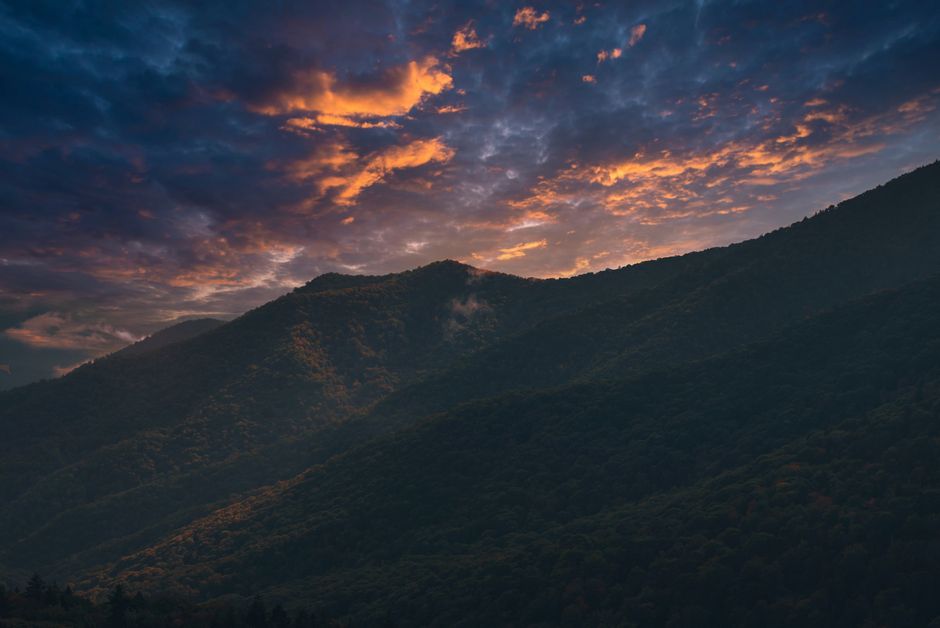
Great Smoky Mountains: A Comprehensive Guide to Hiking, Wildlife, and Natural Wonders
The Great Smoky Mountains National Park, straddling the border of Tennessee and North Carolina, stands as the most visited national park in the United States, a testament to its unparalleled natural beauty and ecological significance. Its undulating ridges, carpeted in ancient hardwood forests and teeming with diverse wildlife, offer a sanctuary for both nature enthusiasts and those seeking respite from urban life. This comprehensive guide delves into the heart of the Smokies, exploring its most captivating hiking trails, the rich tapestry of its flora and fauna, and the geological forces that shaped this iconic landscape, providing essential information for planning an unforgettable visit. The park’s sheer accessibility, combined with its commitment to free entry, further enhances its appeal, making it a premier destination for millions each year. Its designation as an International Biosphere Reserve underscores its global importance in conservation efforts.
Hiking Trails: Conquering the Peaks and Valleys
The Great Smoky Mountains National Park boasts over 800 miles of hiking trails, catering to every skill level, from leisurely strolls to challenging backcountry expeditions. For beginners, the Gatlinburg Trail, a relatively flat, 1.9-mile path running alongside the Little Pigeon River, offers stunning river views and the opportunity to explore remnants of old homesteads. Another accessible option is the Laurel Falls Trail, a 2.6-mile roundtrip paved path leading to a magnificent 80-foot waterfall, particularly beautiful after rain. For those seeking a moderate challenge, the Chimney Tops Trail presents a strenuous 3.3-mile roundtrip climb to a rocky summit offering panoramic views, though access to the very top is currently restricted due to safety concerns. The Alum Cave Bluffs Trail, a 4.6-mile roundtrip hike, winds through diverse forest types, passing unique geological formations like Arch Rock and Alum Cave Bluffs itself, a large, concave overhang.
For experienced hikers and backpackers, the park offers more demanding routes. The Appalachian Trail (AT), a legendary long-distance footpath, traverses the park for approximately 70 miles, providing access to some of the highest peaks and most remote sections. Day-hiking sections of the AT, such as the stretch from Newfound Gap to Charlie’s Bunion (8.8 miles roundtrip), reward hikers with breathtaking vistas. For a true multi-day adventure, consider the Deep Creek Loop, a network of trails in the North Carolina section of the park, offering a variety of lengths and stunning scenery, including multiple waterfalls. The Gregory Bald Trail, a challenging 9.2-mile roundtrip hike, leads to a large, grassy bald known for its spectacular wildflower displays in early summer. Planning is crucial for longer hikes, including securing backcountry permits if overnight stays are planned, packing essential gear such as bear spray, and informing someone of your itinerary. Understanding trail conditions, especially during different seasons, is also paramount. For instance, higher elevation trails can experience snow and ice well into spring, necessitating appropriate footwear and clothing.
Wildlife Encounters: A Biodiversity Hotspot
The Great Smoky Mountains are renowned for their incredible biodiversity, hosting a remarkable array of plant and animal species, many of which are found nowhere else. Black bears are perhaps the most iconic inhabitants, with an estimated population of over 1,500 bears within the park, making it one of the largest protected habitats for the species in the eastern United States. Observing these magnificent creatures in their natural habitat is a highlight for many visitors, but it is crucial to maintain a safe distance and never feed them. Designated viewing areas and ranger-led programs can offer opportunities for safe and responsible wildlife observation. Deer, elk, wild turkeys, and numerous smaller mammals like squirrels, chipmunks, and foxes are also commonly sighted.
The park’s diverse habitats, from dense forests to open meadows and rocky outcrops, support an astonishing variety of birdlife. Over 200 species of birds have been recorded, including migratory songbirds, raptors, and ground-dwelling species. Birdwatching enthusiasts will find ample opportunities to spot various warblers, vireos, thrushes, and woodpeckers, particularly during the spring and fall migration seasons. The park’s amphibian and reptile populations are equally impressive, with numerous species of salamanders, frogs, snakes, and lizards. The park is particularly famous for its high diversity of salamanders, many of which are endemic to the Appalachian region. Observing these often-elusive creatures requires patience and a keen eye, as they often camouflage themselves effectively.
The Great Smoky Mountains are also a haven for plant life. The elevation gradients create distinct ecological zones, supporting over 1,500 species of flowering plants, more than 300 species of mosses, and over 100 species of native trees. The park’s temperate rainforest ecosystem contributes to its lush vegetation. Wildflowers are a particular draw, with vibrant displays blooming throughout the spring and summer. Popular wildflower viewing areas include Cades Cove, Cataloochee Valley, and the higher elevation trails where rhododendron, azaleas, and mountain laurel create spectacular cascades of color. Identifying plants and understanding their ecological roles can greatly enhance the appreciation of the park’s natural heritage. Educational programs and interpretive signage throughout the park provide valuable information on the flora and fauna.
Geological Formations and Natural Wonders
The dramatic topography of the Great Smoky Mountains is a result of millions of years of geological activity. The park’s namesake “smoky” appearance stems from the omnipresent mist that often shrouds the mountains, a phenomenon caused by the release of volatile organic compounds from the dense vegetation. This atmospheric haze, combined with the ancient, worn-down peaks, creates the iconic, ethereal landscape. The mountains themselves are remnants of an ancient mountain range, predating the Appalachian Mountains. They are composed primarily of sedimentary rocks like sandstone, shale, and conglomerate, with metamorphic rocks like schist and gneiss also present.
Several geological features within the park are particularly noteworthy. Clingmans Dome, the highest point in the park and in Tennessee at 6,643 feet, offers unparalleled 360-degree views from its observation tower, weather permitting. The summit trail to Clingmans Dome is a paved, albeit steep, half-mile walk. The numerous waterfalls are a direct result of the park’s steep gradients and abundant rainfall, carving their way through the rock over millennia. Besides Laurel Falls, other popular waterfalls include Grotto Falls (a short hike from the Trillium Gap Trail) and Abrams Falls in Cades Cove, a more challenging hike to a powerful cascade.
Cades Cove, a broad, verdant valley, offers a unique glimpse into the park’s past, with preserved historic buildings and fertile farmland that once supported a thriving community. The loop road through Cades Cove provides an excellent opportunity for wildlife viewing and appreciating the valley’s scenic beauty. Another significant valley is Cataloochee Valley, located on the North Carolina side, which is known for its larger elk population and historic buildings, offering a more remote and less crowded experience than Cades Cove. The Abrams Creek area in Cades Cove is also a significant ecological zone, supporting a diverse range of plant and animal life. Understanding the geological history of the region provides a deeper context for the park’s present-day beauty and ecological complexity.
Planning Your Visit: Essential Tips and Considerations
To maximize your Great Smoky Mountains National Park experience, meticulous planning is essential. The park is open year-round, but weather conditions can vary significantly by season and elevation. Spring (April-May) brings wildflowers and pleasant temperatures, but also rain. Summer (June-August) is the busiest season, with warm temperatures and humidity; expect crowds, especially at popular attractions. Fall (September-October) offers stunning foliage, cooler temperatures, and is another peak season. Winter (November-March) brings fewer crowds and the possibility of snow, but some roads and trails may be closed.
Accommodations can be found in gateway towns like Gatlinburg and Pigeon Forge in Tennessee, and Cherokee and Bryson City in North Carolina. Camping within the park is also an option, with several frontcountry campgrounds available on a first-come, first-served or reservation basis. Backcountry camping requires a permit and adherence to strict regulations to minimize impact.
Essential items to pack include sturdy hiking boots, layered clothing, rain gear, insect repellent, sunscreen, a first-aid kit, a map and compass or GPS device, and plenty of water. Bear spray is highly recommended for hiking, and knowing how to use it is crucial. Always practice Leave No Trace principles, packing out everything you pack in and respecting wildlife and the natural environment.
Park rangers offer interpretive programs, guided walks, and valuable information about the park’s natural and cultural history. These programs are an excellent way to deepen your understanding and appreciation of the Smokies. Be aware of potential wildlife encounters and follow park guidelines for safe observation. Cell service can be spotty within the park, so downloading offline maps and information is advisable.
The Great Smoky Mountains National Park is a treasure trove of natural beauty and ecological richness. By understanding its diverse trails, its vibrant wildlife, and its fascinating geology, visitors can embark on an enriching journey, creating lasting memories in this extraordinary protected landscape. Responsible visitation ensures the preservation of this iconic park for future generations to enjoy.


